Product Details
Product Overview
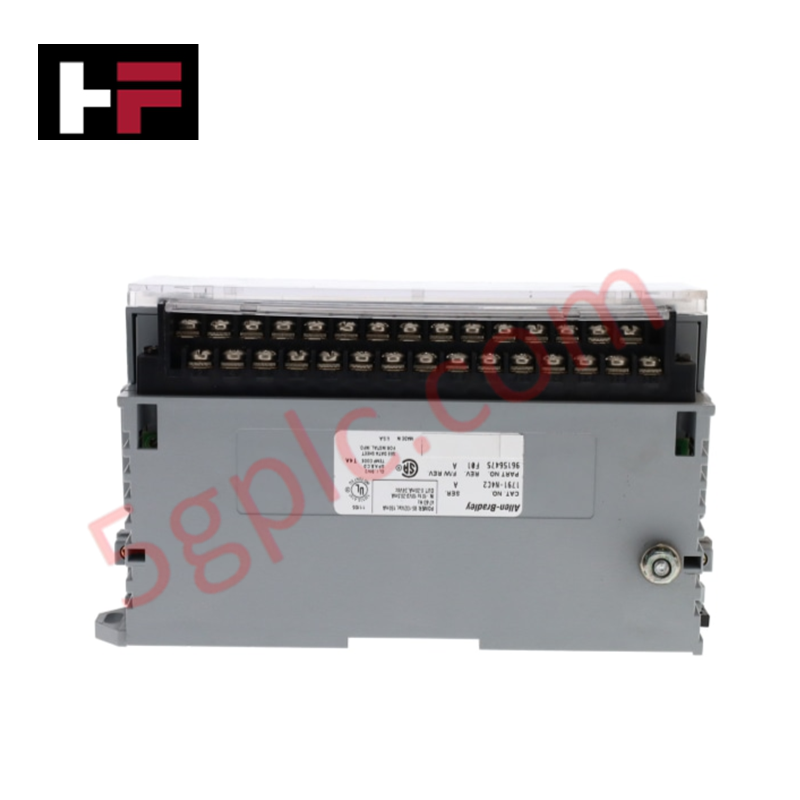
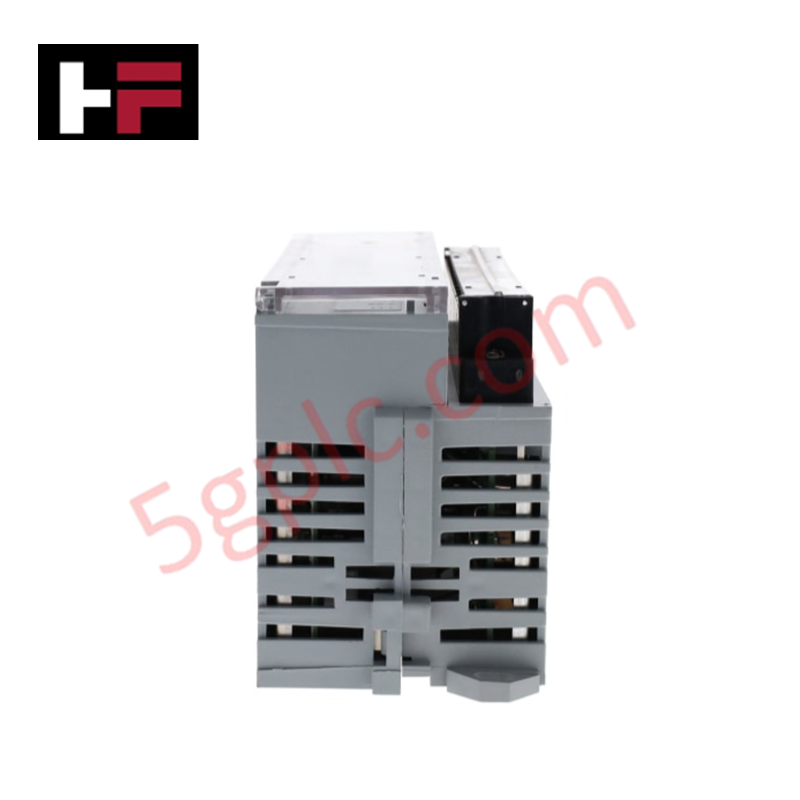
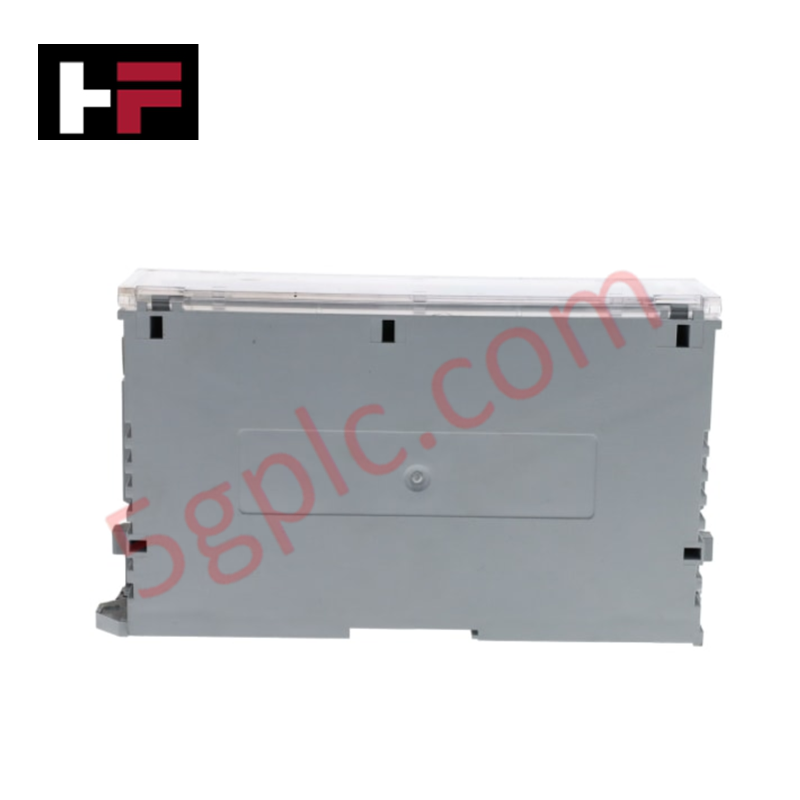
The Allen Bradley 1791-N4C2 serves as a high-performance, standalone analog interface for distributed control systems. This compact block module combines data acquisition and signal output into a single rugged housing, eliminating the need for separate I/O racks. It excels in applications requiring precise PID loop control, such as temperature regulation, flow measurement, and pressure monitoring. We supply this unit as 100% Brand New, factory-sealed, and ready for immediate deployment in mission-critical automation environments.
Technical Specifications
The 1791-N4C2 features a versatile 4-channel architecture designed for high-resolution signal processing.
| Parameter | Specification |
| Manufacturer | Allen Bradley (Rockwell Automation) |
| Configuration | 4 Channels (2 Analog Input / 2 Analog Output) |
| Resolution | 16-bit (High Precision) |
| Input/Output Types | Voltage (0–10V DC, ±10V) or Current (4–20mA, ±20mA) |
| System Accuracy | ±0.1% of Full Scale |
| Power Requirement | 24V DC (Class 2 Power) |
| Operating Temperature | 0°C to 60°C (32°F to 140°F) |
| Dimensions | 4.6 x 2.4 x 4.5 in (117 x 61 x 114 mm) |
| Mounting | 35mm DIN Rail or Panel Mount |
| Weight | 0.7 lbs (0.32 kg) |
Engineering Advantages
-
Ultra-High Resolution Control: The 16-bit converter architecture provides exceptional granularity for both input sensing and output modulation. This allows engineers to detect minute process fluctuations and apply precise corrections, significantly improving product quality in chemical and pharmaceutical manufacturing.
-
Dual-Signal Flexibility: Software-configurable channels support both voltage and current modes. This flexibility allows you to standardize on one spare part (1791-N4C2) to handle diverse field instruments, including 4–20mA transmitters and ±10V actuators, effectively reducing inventory overhead.
-
Space-Optimized Footprint: The "Block" design integrates the network adapter and I/O circuitry into one small-form-factor device. This saves valuable DIN rail space in overcrowded remote terminal units (RTUs) and junction boxes compared to traditional modular chassis systems.
-
Rapid Fault Isolation: The module features a ruggedized design that withstands typical industrial EMI/RFI interference. Its direct-mount capability near the field devices minimizes long analog cable runs, thereby reducing signal attenuation and noise pickup.
FAQs
-
Can I configure inputs and outputs independently on the 1791-N4C2?
Yes. The module allows you to configure each channel for either voltage or current signals based on your specific field device requirements. This ensures seamless integration with both older legacy sensors and modern high-speed actuators.
-
Does the 1791-N4C2 require an external power supply for the analog loops?
The module requires a 24V DC Class 2 power supply to drive its internal logic and signal processing. For the analog loops, the module manages the signal levels, but you must ensure the 24V DC supply provides sufficient current to maintain loop integrity across all four channels.
-
What mounting options work best for high-vibration environments?
While the 1791-N4C2 supports standard 35mm DIN rail mounting for quick installation, we recommend using the integrated panel mount points for high-vibration applications. Direct bolting to the backplane provides superior mechanical stability and ensures consistent electrical contact.
-
Is this module a suitable replacement for older 1791 analog blocks?
The 1791-N4C2 fits perfectly into existing Allen-Bradley Block I/O architectures. However, always verify that your controller’s communication protocol (such as Remote I/O) matches the block’s requirements to ensure full 16-bit data transparency and configuration support.
Additional Information
- 100% Genuine Parts: All products are original and authentic, ensuring reliable industrial performance.
- 30-Day Refund Guarantee: Return any in-stock item within 30 days in original, unopened packaging for a full refund (excluding shipping and fees).
- 12-Month Warranty: Covers defects in materials or workmanship; excludes misuse, normal wear, or unauthorized modifications.
- Worldwide Shipping: We ship via USPS, UPS, FedEx, and DHL. Delivery times vary by country and may be subject to customs or import fees.
- Support & Contact: Technical and warranty assistance is available anytime. Contact us here: Contact.
- Purchase Guidance: Check product specifications and compatibility carefully before ordering to ensure proper application.
Tech & Buying Guide

Importance of Safety Barriers in PLC and DCS Control Systems

Static UPS vs. Rotary UPS: Technical Evaluation for Industrial Automation