Product Details
Product Overview
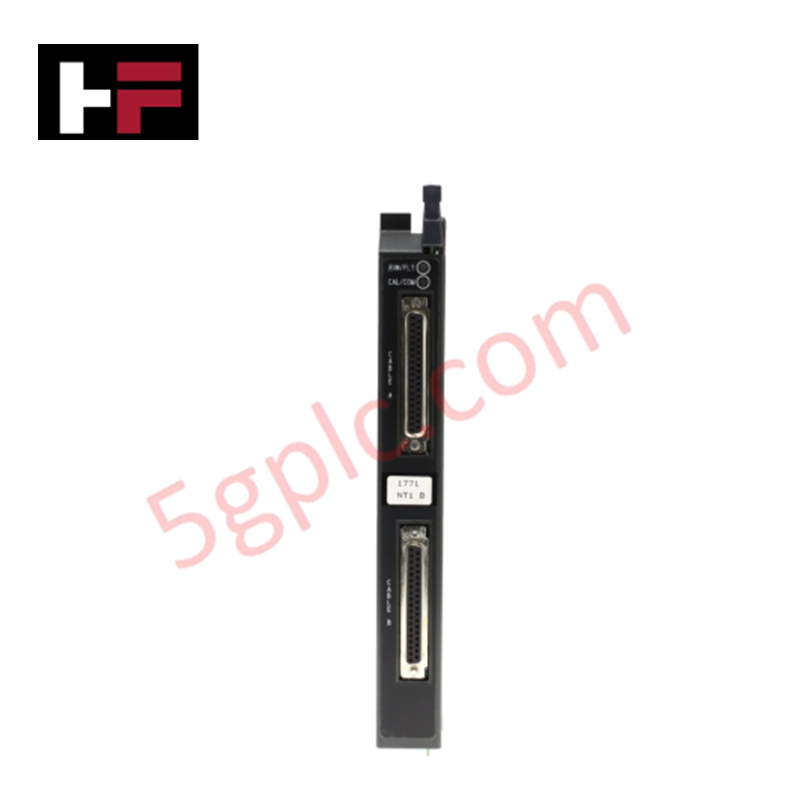
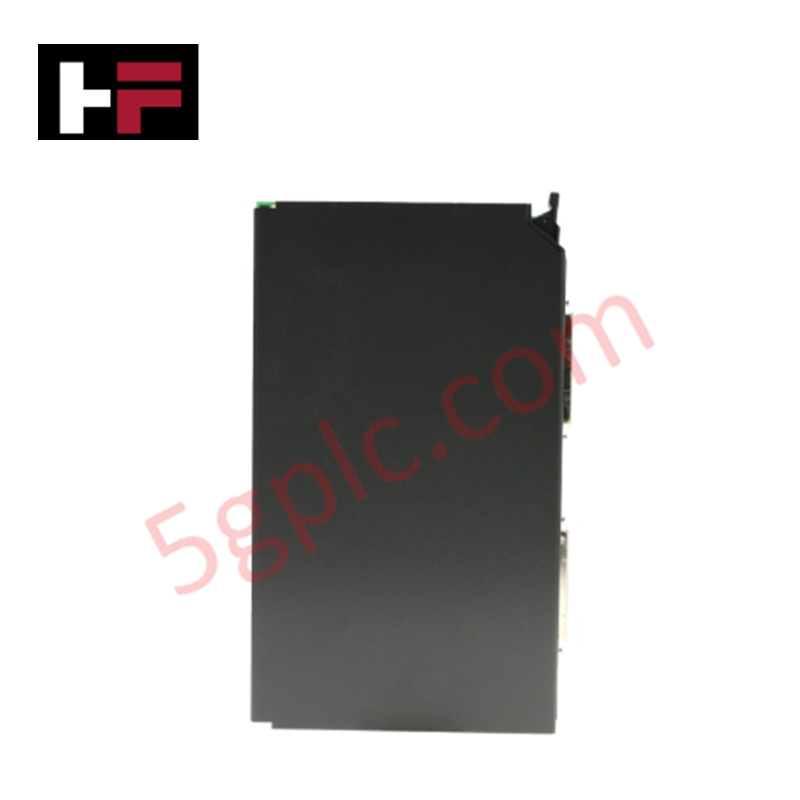
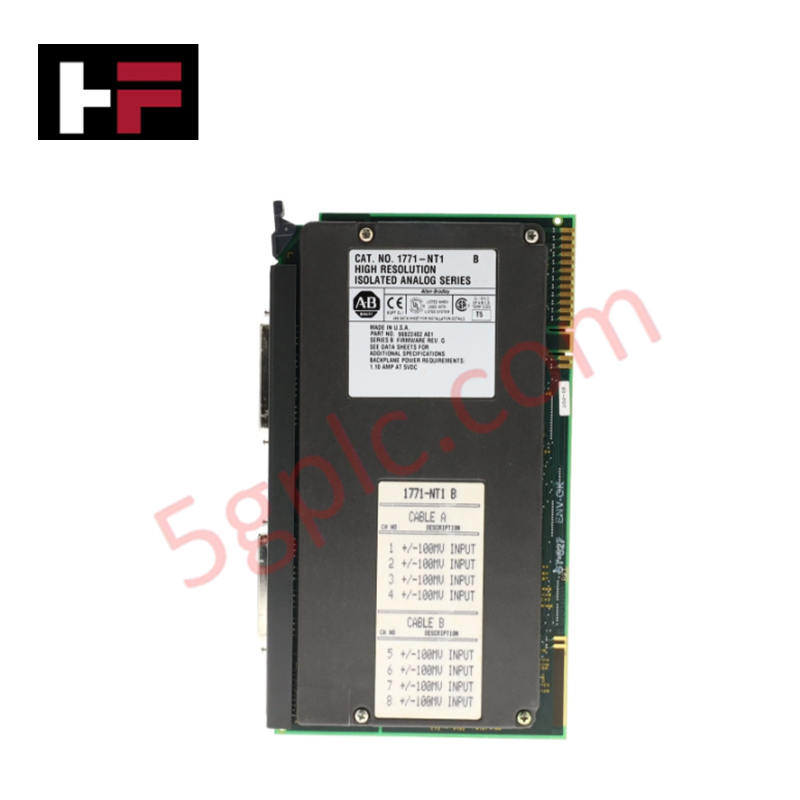
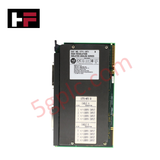
The 1771-NT1 serves as a specialized thermocouple input module within the Allen-Bradley PLC-5 ecosystem. It interfaces directly with temperature sensors to provide high-resolution thermal data to the processor, supporting both millivolt (mV) and standard thermocouple signals. This module plays a critical role in thermal processing, furnace control, and environmental monitoring applications. We provide this unit as 100% Brand New and factory-original, ensuring that your legacy control systems maintain laboratory-grade temperature accuracy without the drift associated with used or refurbished components.
Technical Specifications
The 1771-NT1 utilizes advanced filtering to process low-level analog signals in electrically noisy industrial environments.
| Feature | Specification |
| Input Type | Thermocouple / Millivolt (mV) |
| Number of Inputs | 8 Channels |
| Signal Range | ±100 mV |
| Product Line | PLC-5 (1771 Universal I/O) |
| Module Category | Analog Input |
| Mounting | 1771 Universal I/O Chassis |
| Power Consumption | Backplane Powered |
| Weight | 1.50 lbs (0.68 kg) |
Engineering Advantages
-
Precision Signal Conditioning: The 1771-NT1 handles the micro-volt variations produced by thermocouples. Its internal circuitry compensates for non-linear sensor curves, delivering accurate temperature readings directly to the PLC data table for immediate logic execution.
-
Integrated Cold Junction Compensation (CJC): This module automatically accounts for ambient temperature variations at the terminal connection point. This hardware-level compensation eliminates the need for external reference junctions, simplifying field wiring and increasing overall loop accuracy.
-
Robust Noise Rejection: The module incorporates differential inputs and digital filtering to suppress 50/60 Hz line noise. This ensures stable temperature readings even when the thermocouple wires run near high-voltage motor leads or switching power supplies.
-
Extended System Longevity: As a 100% Brand New original part, the 1771-NT1 provides a drop-in replacement for failed legacy units. It avoids the compatibility issues and calibration errors common with modern third-party signal converters, allowing you to maintain your existing validated control logic.
FAQs
-
Does the 1771-NT1 require a specific wiring arm?
Yes. You must use the 1771-WN wiring arm to connect your field thermocouples. The wiring arm allows you to replace the module without disconnecting any field wires, drastically reducing maintenance downtime.
-
Which thermocouple types does this module support?
The 1771-NT1 supports standard thermocouple types (such as J, K, T, E, R, S, and B) as well as direct ±100 mV signals. You configure the specific sensor type via the PLC-5 block transfer instructions (BTR/BTW).
-
What is the advantage of "Brand New" stock for a discontinued 1771 module?
Discontinued analog modules often suffer from "component aging," where internal reference voltages drift over time. Our Brand New units come from original factory-sealed stock, guaranteeing that the internal electronics meet the original manufacturer’s calibration specifications.
-
How do I troubleshoot a "Channel Fault" on the 1771-NT1?
Check the status bits in the block transfer read (BTR) file. The module identifies open-circuit conditions (broken thermocouple wires) or out-of-range signals per channel, allowing for rapid field-side diagnostics.
Additional Information
- 100% Genuine Parts: All products are original and authentic, ensuring reliable industrial performance.
- 30-Day Refund Guarantee: Return any in-stock item within 30 days in original, unopened packaging for a full refund (excluding shipping and fees).
- 12-Month Warranty: Covers defects in materials or workmanship; excludes misuse, normal wear, or unauthorized modifications.
- Worldwide Shipping: We ship via USPS, UPS, FedEx, and DHL. Delivery times vary by country and may be subject to customs or import fees.
- Support & Contact: Technical and warranty assistance is available anytime. Contact us here: Contact.
- Purchase Guidance: Check product specifications and compatibility carefully before ordering to ensure proper application.
Tech & Buying Guide

Importance of Safety Barriers in PLC and DCS Control Systems

Static UPS vs. Rotary UPS: Technical Evaluation for Industrial Automation