

Product Details
Product Overview
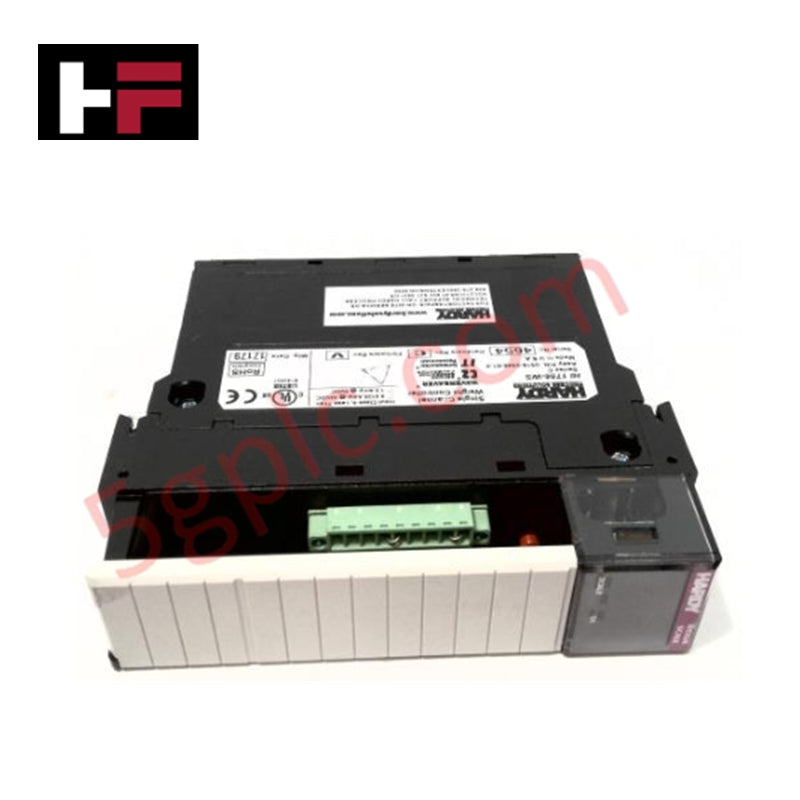
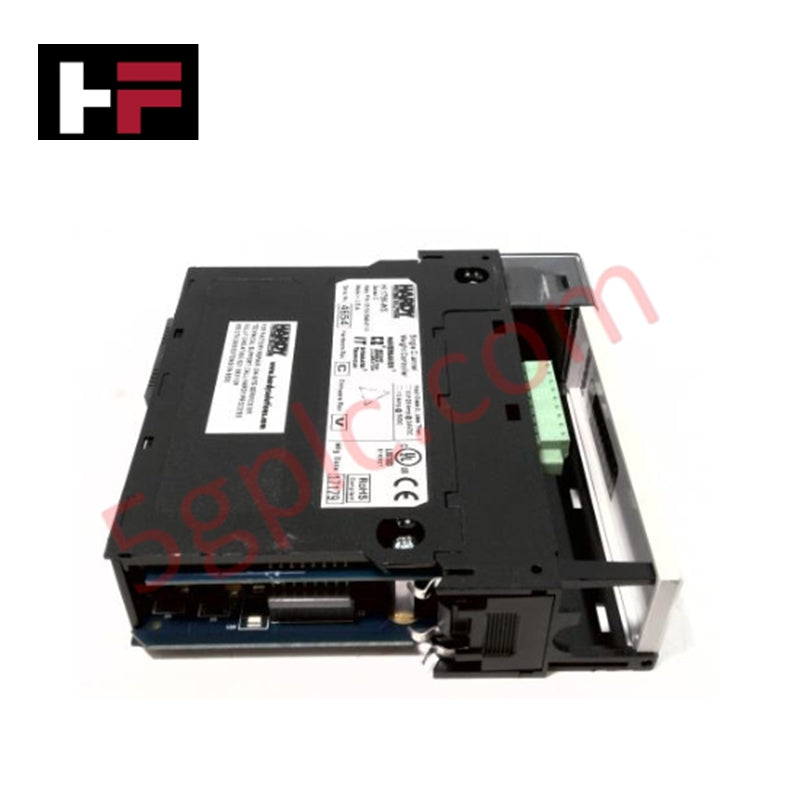
The Allen-Bradley 1756-WS integrates high-precision weighing directly into the ControlLogix chassis. This dedicated weigh scale module accepts millivolt inputs from load cells and converts them into accurate weight data for your control system. It manages complex weighing tasks—such as filling, dispensing, and checkweighing—without burdening the main processor. By handling tare, zero tracking, and motion detection internally, the module ensures precise inventory control and batch processing. We supply this item as a 100% Brand New, factory-sealed unit.
Technical Specifications
| Parameter | Specification |
|---|---|
| Manufacturer | Allen-Bradley (Rockwell Automation) |
| Product Type | Weigh Scale Module |
| Input Range | -0.3 to +15.3 millivolts |
| Output Voltage | 5 Volts DC |
| Power Requirement | 5 to 24 Volts DC |
| Weighing Modes | Gross, Net, Rate-of-Change |
| Operating Temperature | 0 to 60°C (32 to 140°F) |
| Weight | 15.00 lbs (6.80 kg) |
Engineering Advantages
Direct Load Cell Integration
The 1756-WS connects directly to strain gauge load cells via its -0.3 to +15.3 mV input range. This direct connection eliminates the need for external signal conditioners or standalone weight controllers. The module provides the necessary excitation voltage and amplifies the weak sensor signal, reducing panel footprint and wiring complexity.
Versatile Process Control Modes
This module adapts to various industrial applications through its programmable modes. In Gross mode, it weighs the total contents of a vessel. In Net mode, it subtracts the tare weight to measure only the added material. The Rate-of-Change mode detects flow rates, allowing the system to shut off valves precisely to prevent overfilling. This flexibility supports batching, blending, and filling operations within a single hardware platform.
Ruggedized for Industrial Environments
The 1756-WS operates reliably in temperatures ranging from 0°C to 60°C. Its robust construction withstands the electrical noise and physical stress found in heavy manufacturing plants. The module mounts securely in the ControlLogix rack, locking into the backplane to ensure a stable data connection even in high-vibration environments.
FAQs
Q: What type of sensors does the 1756-WS support?
A: The module supports standard resistive bridge load cells (strain gauges) that output a millivolt signal. It accepts inputs ranging from -0.3 to +15.3 mV, covering most industrial weighing sensors.
Q: Does the 1756-WS require external power for the load cells?
A: No. The module provides the necessary excitation power (5 to 24 Volts DC) for the load cells directly through the interface. This simplifies wiring by eliminating separate power supplies for the sensors.
Q: Can I use this module for dynamic weighing applications?
A: Yes. The 1756-WS includes a "Rate-of-Change" mode specifically designed for dynamic applications. This feature allows the controller to monitor weight changes over time, which is essential for filling operations or leak detection.
Additional Information
- 100% Genuine Parts: All products are original and authentic, ensuring reliable industrial performance.
- 30-Day Refund Guarantee: Return any in-stock item within 30 days in original, unopened packaging for a full refund (excluding shipping and fees).
- 12-Month Warranty: Covers defects in materials or workmanship; excludes misuse, normal wear, or unauthorized modifications.
- Worldwide Shipping: We ship via USPS, UPS, FedEx, and DHL. Delivery times vary by country and may be subject to customs or import fees.
- Support & Contact: Technical and warranty assistance is available anytime. Contact us here: Contact.
- Purchase Guidance: Check product specifications and compatibility carefully before ordering to ensure proper application.
Tech & Buying Guide

Importance of Safety Barriers in PLC and DCS Control Systems

Static UPS vs. Rotary UPS: Technical Evaluation for Industrial Automation