










Product Details
Product Overview
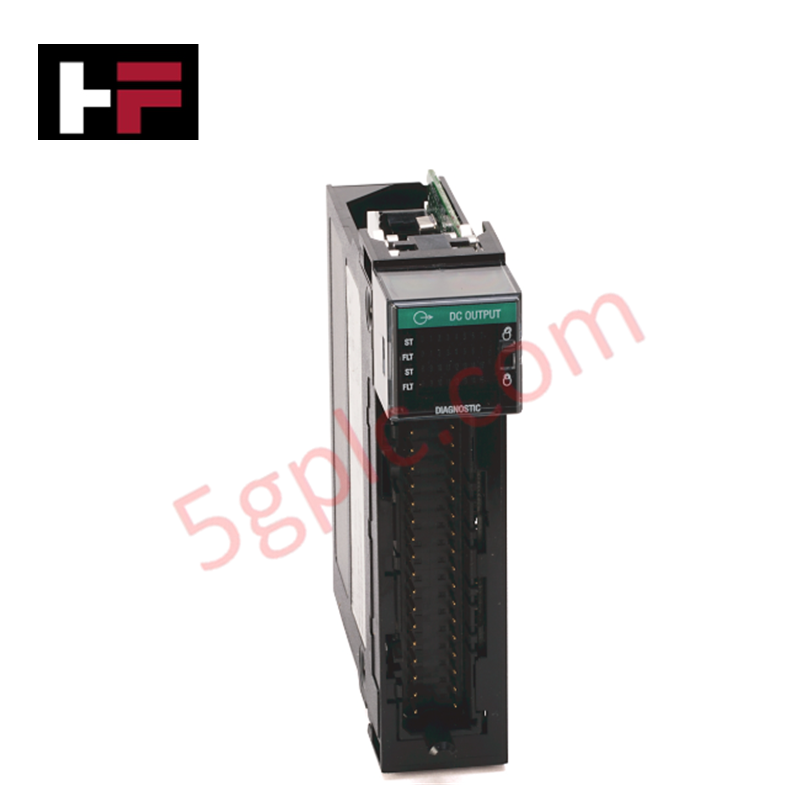
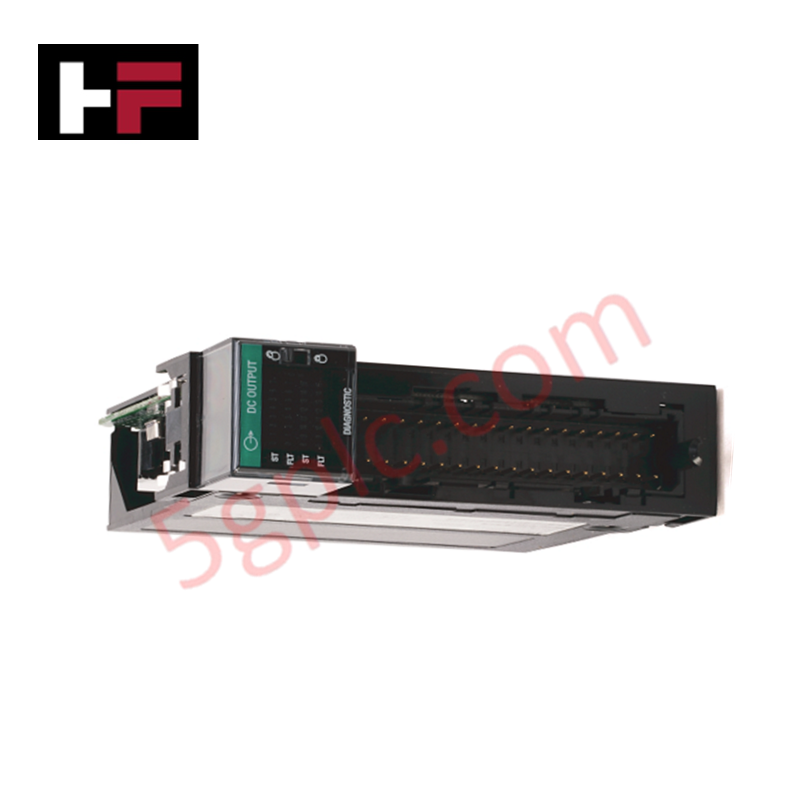
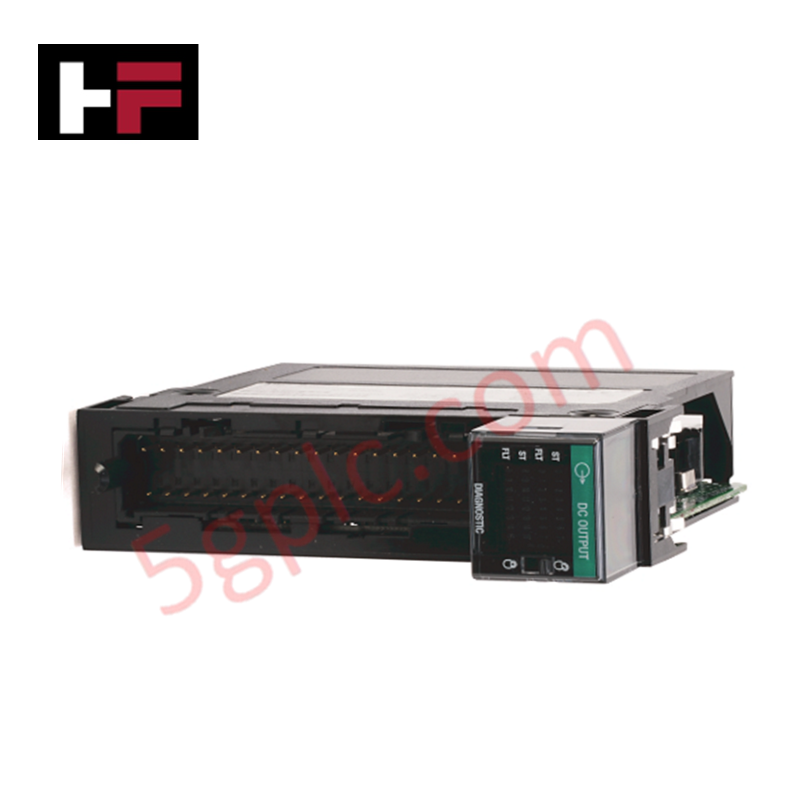
The Allen-Bradley 1756-OB16IEF delivers precise and protected DC switching for ControlLogix automation systems. This 16-point digital output module features electronically fused outputs, eliminating the need for external fuses and simplifying panel wiring. It operates within a 10-30V DC range and provides 2 Amps of current per point at 30°C. The module integrates seamlessly with RSLogix 5000 or Studio 5000 software for advanced diagnostics and configuration. We supply this item as a 100% Brand New, factory-sealed unit.
Part Number Breakdown
-
1756: Identifies the ControlLogix platform and chassis type.
-
OB: Denotes the Output module category.
-
16: Specifies the number of I/O points (16 outputs).
-
IEF: Indicates the specific feature set (Electronically Fused DC output).
Technical Specifications
| Parameter | Specification |
|---|---|
| Manufacturer | Allen-Bradley (Rockwell Automation) |
| Product Line | ControlLogix |
| Module Type | DC Digital Output |
| Number of Points | 16 Outputs |
| Operating Voltage | 10-30V DC |
| Current per Point | 2A at 30°C / 1A at 60°C |
| Current per Module | 8A at 30°C / 4A at 60°C |
| Backplane Current (5V) | 350 mA |
| Backplane Current (24V) | 3 mA |
| Power Dissipation | 3.6 Watts (Max at 60°C) |
| Isolation Voltage | 50 Volts Continuous |
Engineering Advantages
Electronic Fusing and Diagnostics
The 1756-OB16IEF replaces traditional mechanical fuses with advanced electronic fusing on each output point. This feature protects your field wiring and connected devices from overcurrent conditions without requiring manual fuse replacement. The module provides detailed diagnostic data to the controller, allowing you to instantly identify short circuits or overload faults directly from your HMI or programming software.
High-Density DC Switching
This module efficiently manages 16 independent DC outputs within a single ControlLogix slot. Each point handles up to 2 Amps at 30°C, making it suitable for driving solenoid valves, indicator lights, and small motor contactors. The high point density reduces the overall footprint of your control panel by minimizing the number of required I/O modules.
Flexible Wiring and Isolation
The unit requires a removable terminal block (RTB), compatible with models 1756-TBCH and 1756-TBS6H, for quick installation and replacement. With a continuous isolation voltage of 50 Volts, the module effectively separates field-side noise from the sensitive ControlLogix backplane, ensuring stable logic execution in electrically noisy industrial environments.
FAQs
Q: What is the maximum current rating for a single output point?
A: Each output point can handle a maximum of 2 Amps when the ambient temperature is at 30°C. If the temperature rises to 60°C, the maximum rating per point derates to 1 Amp to ensure safe operation.
Q: Does this module require external fuses for protection?
A: No. The 1756-OB16IEF features built-in electronic fusing for every output point. This eliminates the cost and maintenance associated with replacing blown physical fuses and provides faster, more accurate fault detection.
Q: Which removable terminal blocks (RTBs) are compatible with this module?
A: This module requires a separate removable terminal block for field wiring. It is compatible with the 1756-TBCH and 1756-TBS6H RTBs. Note that the RTB is typically sold separately.
Q: What voltage range does this output module support?
A: The module operates on a DC voltage range of 10 to 30 Volts. This wide range provides flexibility when integrating with various 12V and 24V industrial control circuits.
Additional Information
- 100% Genuine Parts: All products are original and authentic, ensuring reliable industrial performance.
- 30-Day Refund Guarantee: Return any in-stock item within 30 days in original, unopened packaging for a full refund (excluding shipping and fees).
- 12-Month Warranty: Covers defects in materials or workmanship; excludes misuse, normal wear, or unauthorized modifications.
- Worldwide Shipping: We ship via USPS, UPS, FedEx, and DHL. Delivery times vary by country and may be subject to customs or import fees.
- Support & Contact: Technical and warranty assistance is available anytime. Contact us here: Contact.
- Purchase Guidance: Check product specifications and compatibility carefully before ordering to ensure proper application.
Tech & Buying Guide

Navigating Industrial Automation Failures: Types, Causes, and Mitigation Strategies
Modern manufacturing relies heavily on automated control systems to maximize throughput and maintain product quality. However, unplanned downtime in industrial automation can cost facility operators thousands of dollars per hour. Understanding how programmable logic controllers (PLCs), distributed control systems (DCS), and field instrumentation fail empowers engineering teams to implement robust preventive maintenance strategies.
Essential Motion Control Commands: A Practical Guide for Engineers
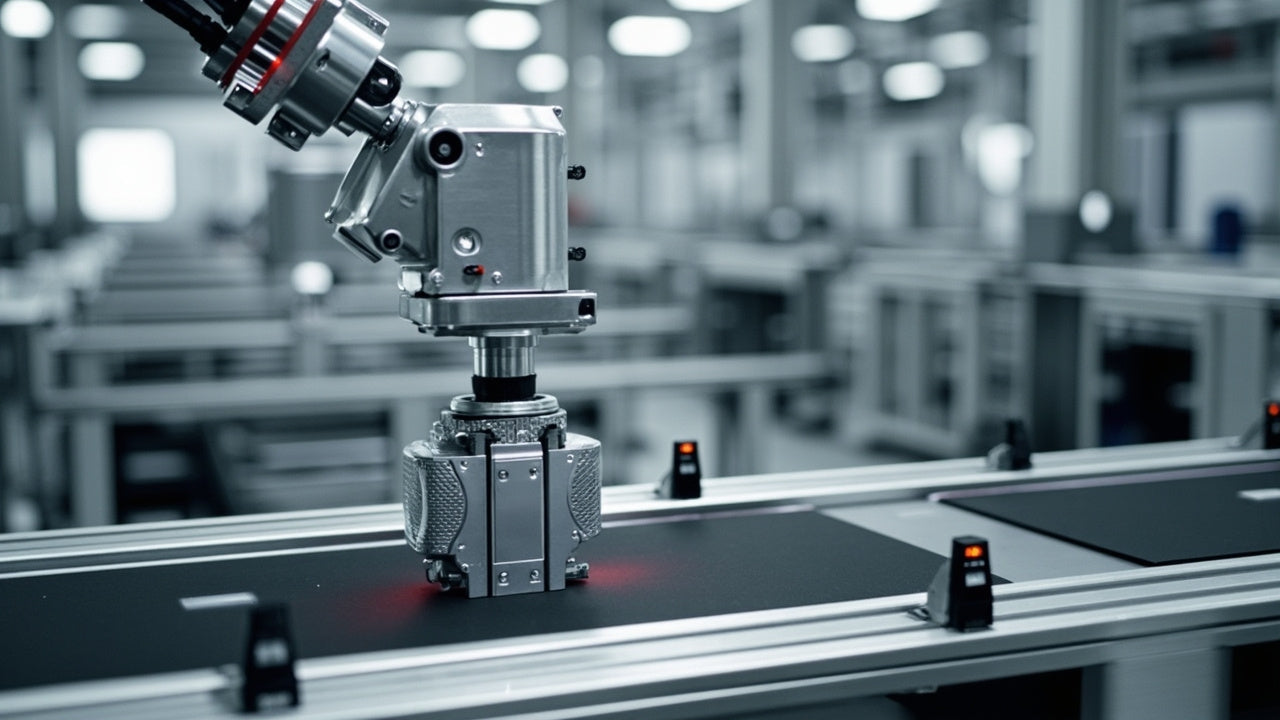
Automation engineers often rely on precise position and speed control to drive modern factory machinery. Modern industrial systems, such as Programmable Logic Controllers (PLCs) and Distributed Control Systems (DCS), depend heavily on standardized motion instructions. Mastering these commands ensures operational safety, protects mechanical components, and optimizes cycle times across production lines.

The Role of Intrinsic Safety Barriers in PLC and DCS Architectures
Implementing robust protection in hazardous industrial environments represents a fundamental safety requirement in factory automation. Process facilities often handle volatile gases, dusts, and chemical agents that pose significant combustion risks. Consequently, control system engineers must deploy energy-limiting interfaces to isolate safe-area control cabinets from hazardous-area field instrumentation. This article examines the function, selection, and electrical principles of intrinsic safety barriers within modern PLC and DCS networks.