











Product Details
Product Overview
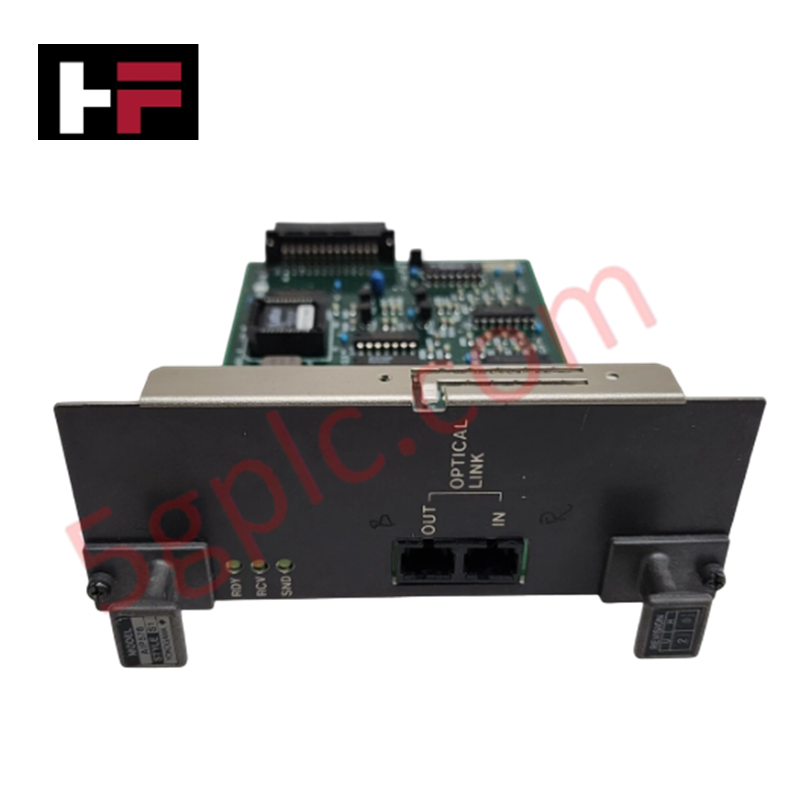
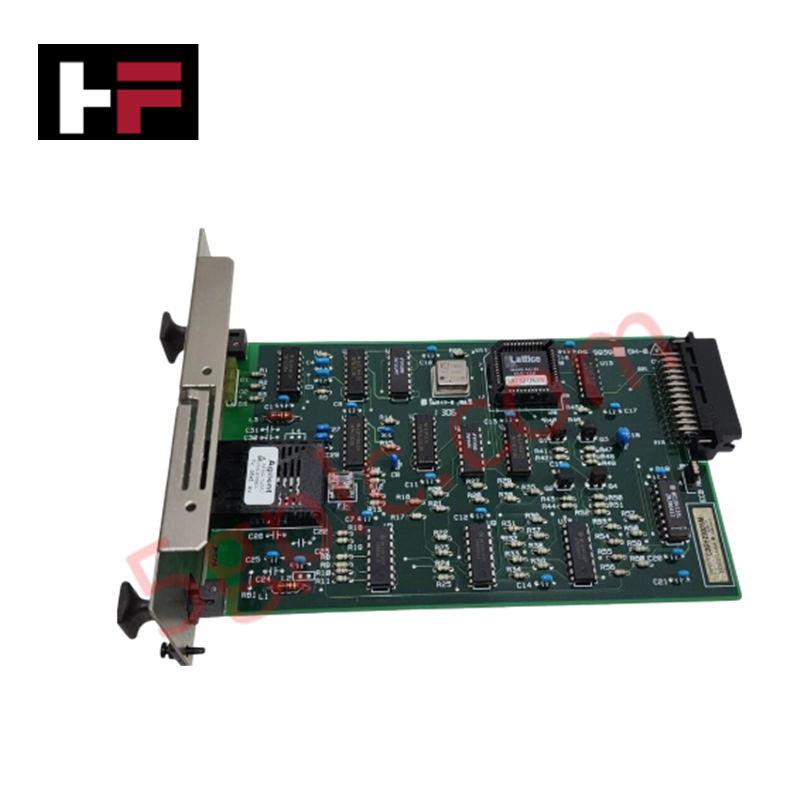
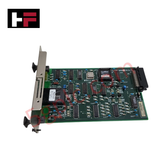
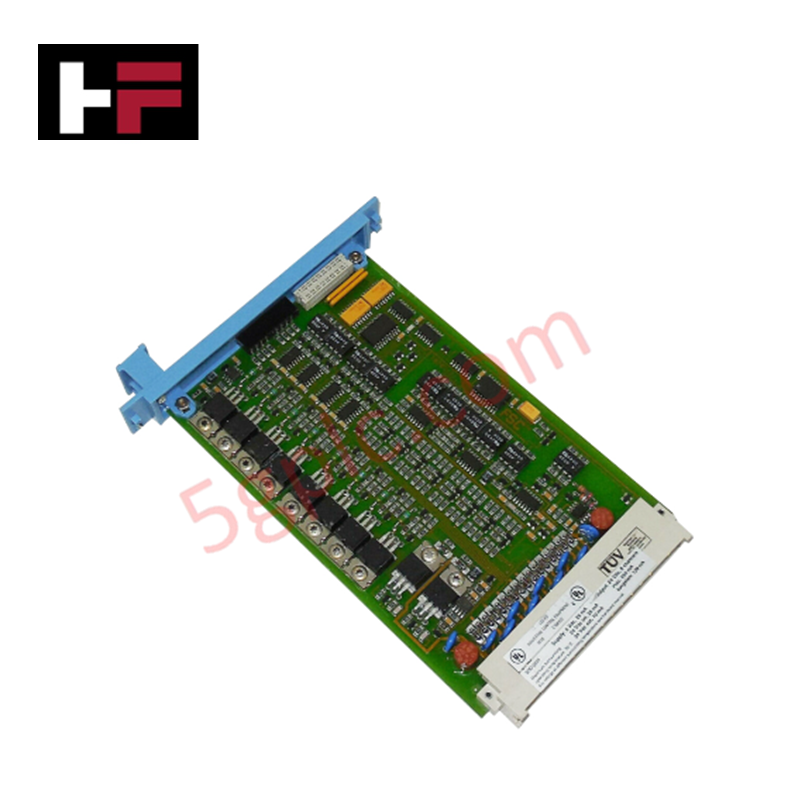
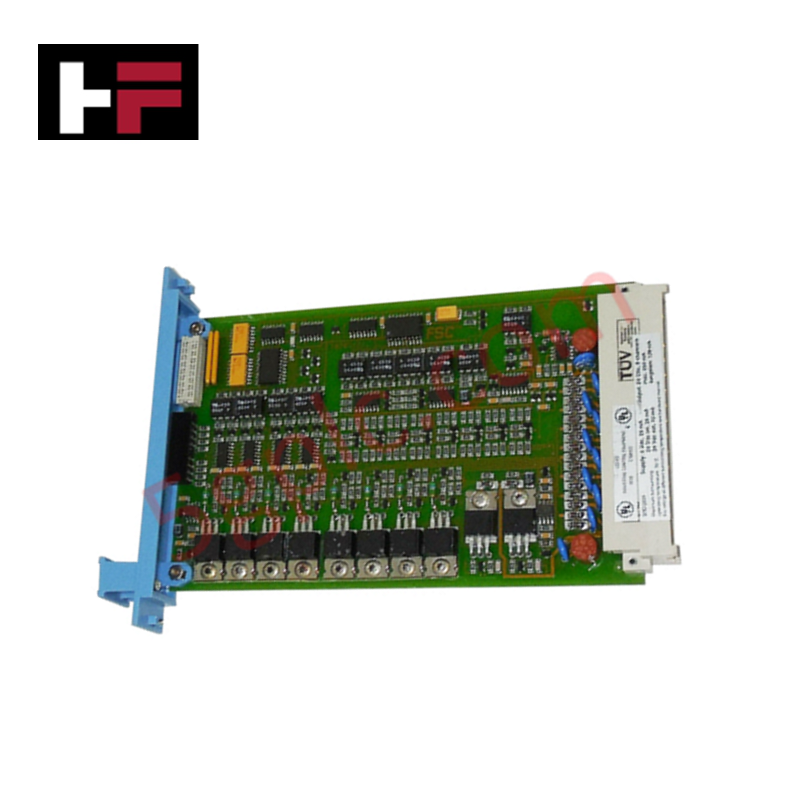
The YOKOGAWA AIP578 Electrical Transceiver RIO I/O Module is engineered for reliable Ethernet and optical communication within industrial automation systems. It supports multiple interfaces, including RJ45 and optical SC/ST ports, ensuring flexible connectivity for remote I/O integration. With rugged construction, wide operating temperature range, and IP30 protection, the AIP578 is designed to deliver stable performance in demanding environments.
Technical Specifications
-
Model Number: AIP578
-
Manufacturer: Yokogawa
-
Type: Electrical Transceiver RIO I/O Module
-
Interfaces: 1–2 RJ45 Ethernet ports, 1 optical port (SC/ST)
-
Supported Standards: IEEE802.3 / IEEE802.3u / IEEE802.3x
-
Switching Mode: Storage and forwarding
-
Connection: Plug-and-play, MDI-MDI-X automatic detection
-
Indicators: LED network status display
-
Power Supply: 12–36 VDC flexible input
-
Design: Industrial-grade aluminum housing, IP30 protection
-
Mounting: 35 mm industrial rail installation
-
Operating Temperature: -25°C to +70°C
-
Weight: 1 kg (2.2 lbs / 35.2 oz)
-
Packing Size: 16 cm × 16 cm × 12 cm (6.4" × 6.4" × 4.8")
-
Country of Origin: United States (USA)
Model Code Breakdown
Part Number: AIP578
-
AI: Function category identifier within Yokogawa's architecture, denoting Interface or Communication modules.
-
P: Platform series code, confirming compatibility with Centum VP and CS1000 node hardware structures.
-
578: Unique functional code specifying this Electrical Transceiver variant with hybrid Ethernet (RJ45) and fiber optic (SC/ST) connectivity for RIO networks.
-
Note: Unlike analog I/O modules that may carry suffixes for terminal type or certification, the AIP578 is a fixed-configuration communication module. The base part number "AIP578" fully defines its capabilities. Fiber connector type (SC or ST) is typically standardized per procurement batch or defined in the associated node cabling kit, not via a distinct alphanumeric suffix on the module label.
Installation & Wiring Guidelines
-
Mounting: Install on a 35 mm industrial rail for secure placement.
-
Power Connection: Connect to a stable 12–36 VDC supply with proper grounding.
-
Network Wiring: Use RJ45 Ethernet ports for copper connections or SC/ST optical ports for fiber integration.
-
Commissioning: Verify LED indicators for network activity and ensure proper protocol configuration.
-
Environmental Considerations: Maintain installation within -25°C to +70°C and ensure adequate ventilation.
FAQ
-
Q: What interfaces does the AIP578 support?
A: It supports 1–2 RJ45 Ethernet ports and 1 optical SC/ST port. -
Q: What is the operating temperature range?
A: It operates reliably between -25°C and +70°C. -
Q: Is the module easy to install?
A: Yes, it uses a 35 mm industrial rail mounting method for quick installation. -
Q: What power supply is required?
A: The module accepts a flexible input range of 12–36 VDC. -
Q: Is this product new and genuine?
A: Yes, the AIP578 is supplied as a brand-new, original Yokogawa product.
Additional Information
- 100% Genuine Parts: All products are original and authentic, ensuring reliable industrial performance.
- 30-Day Refund Guarantee: Return any in-stock item within 30 days in original, unopened packaging for a full refund (excluding shipping and fees).
- 12-Month Warranty: Covers defects in materials or workmanship; excludes misuse, normal wear, or unauthorized modifications.
- Worldwide Shipping: We ship via USPS, UPS, FedEx, and DHL. Delivery times vary by country and may be subject to customs or import fees.
- Support & Contact: Technical and warranty assistance is available anytime. Contact us here: Contact.
- Purchase Guidance: Check product specifications and compatibility carefully before ordering to ensure proper application.




Tech & Buying Guide

Hub vs Switch vs Router in Industrial Automation Architecture
Modern factory automation relies on reliable industrial networking infrastructure to exchange real-time field data across operational technology systems. Engineers often encounter networking hardware like hubs, switches, and routers when integrating Programmable Logic Controllers, Distributed Control Systems, and SCADA monitoring nodes. Although these devices share physical ports, they operate at different layers of the Open Systems Interconnection reference model and deliver distinct traffic management capabilities.

Marshalling Cabinet Preventive Maintenance: Essential Healthiness Checks for PLC, DCS, and ESD Systems
Marshalling cabinets serve as the vital interface between field instrumentation and control room electronics in modern process facilities. Regular preventive maintenance of these cabinets ensures signal integrity across programmable logic controllers (PLCs), distributed control systems (DCS), and emergency shutdown (ESD) networks. System technicians must execute structured inspection protocols to mitigate environmental risks, identify loose wiring, and maintain continuous operational readiness.

Spatial Computing in Industrial Automation: Elevating PLC and DCS Operations with AR and VR
Industry 4.0 integrates digital intelligence into field operations, transforming factory automation landscapes worldwide. Spatial technologies—specifically Augmented Reality (AR) and Virtual Reality (VR)—redefine how engineers interact with industrial control systems. By bridging computer-generated CAD models with real-time operational technology (OT) data, immersive displays enable intuitive monitoring, rapid diagnostics, and safer maintenance across complex processing facilities.