










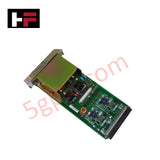
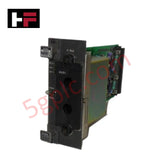
Product Details
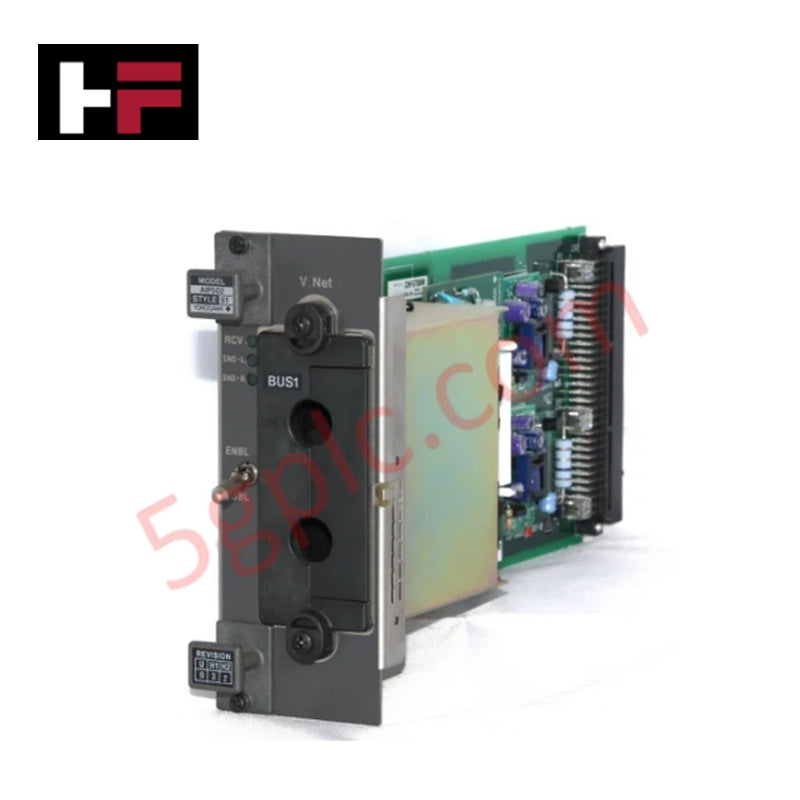
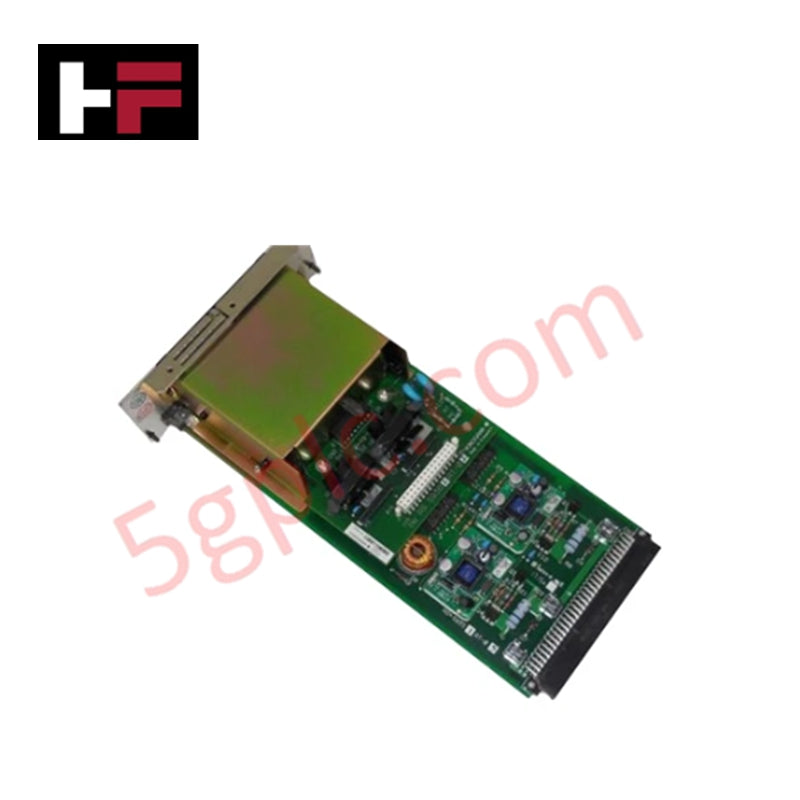
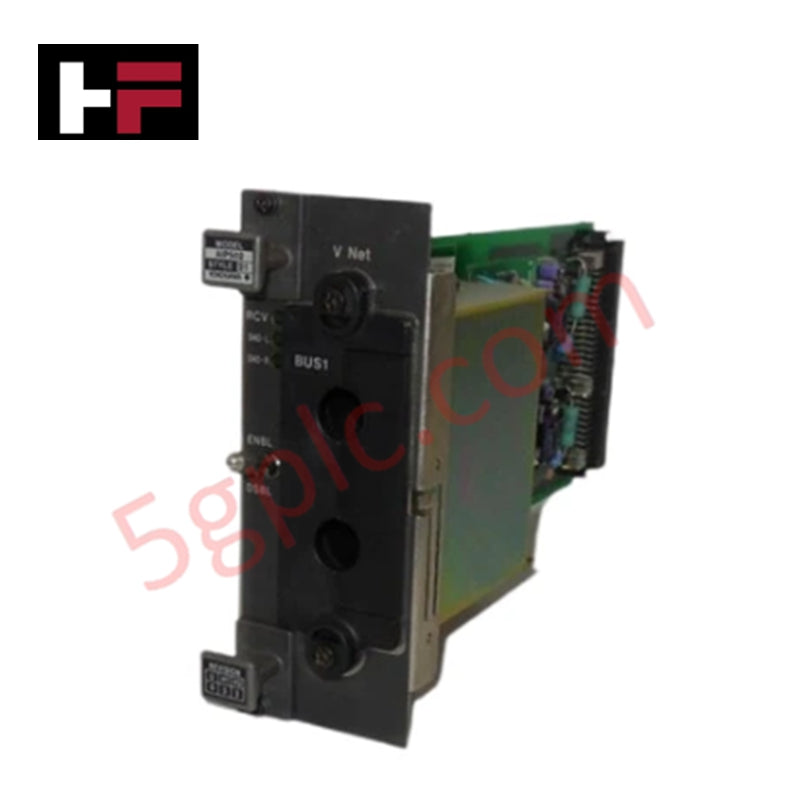
Configured for signal coupling and bus interface execution in Yokogawa Centum CS and Centum VP platforms, the Yokogawa AIP502 S1 (AIP502 V-Net Coupler Module) provides direct physical/electrical execution. It serves as an interface node within the proprietary V-Net communications topology to link sub-rack control units while preserving signal waveform fidelity.
Suffix Breakdown & Model Matrix
| Code / Option | Description |
|---|---|
| Model: AIP502 | V-Net Coupler Module Base Designation |
| S1 | Hardware Style Revision 1 |
Hardware Specifications
| Parameter | Specification |
|---|---|
| Model | AIP502 S1 |
| Brand | Yokogawa |
| Origin | Japan |
| Weight | 0.6 kg (1 lbs 5.0 oz) |
| Dimensions | 15.2 cm x 7.6 cm x 25.4 cm (6.0 in x 3.0 in x 10.0 in) |
| Operating Temp | 0 to +50 deg C |
| Power Consumption | Sub-rack backplane powered |
| Compatibility | Yokogawa Centum CS / Centum VP |
| Function | V-Net Signal Coupling |
| Network Type | V-Net Bus Interface |
Channel-to-Channel Isolation and Loop Protocol Integration
The AIP502 S1 provides channel-to-channel isolation across internal V-Net bus coupling paths to prevent ground potential differences between interconnected sub-racks. While low-level field devices communicate using 4-20 mA HART loop protocol architectures down at the process layer, the AIP502 S1 operates at the high-speed system network level, isolating backplane data lines from common-mode electrical noise and high-frequency transient interference.
Frequently Asked Questions
Q: What is the primary function of the AIP502 S1 in a Centum VP system?
A: The module acts as a hardware coupler for V-Net communications, transmitting data frames between backplane buses and main system network cables.
Q: Can the AIP502 S1 be inserted into a backplane sub-rack while power is applied?
A: Hot-swapping must strictly adhere to Yokogawa Centum system guidelines; power isolation or redundant pair configuration is recommended to avoid transient bus errors during physical module replacement.
Field Installation Guidelines
- ESD Protection: Wear a properly grounded anti-static wrist strap during handling to prevent electrostatic damage to internal coupling transformers and IC components.
- Module Insertion: Align card guides with the target sub-rack slot and push firmly until rear multi-pin connectors are fully seated into the backplane chassis.
- Shield Grounding: Connect all incoming coaxial or shielded network cable braids directly to the cabinet earthing bus bar using short, low-impedance ground straps.
- Cable Separation: Route V-Net communication cables in isolated wire trays separated from AC power distribution lines and high-current motor cables.
Additional Information
- 100% Genuine Parts: All products are original and authentic, ensuring reliable industrial performance.
- 30-Day Refund Guarantee: Return any in-stock item within 30 days in original, unopened packaging for a full refund (excluding shipping and fees).
- 12-Month Warranty: Covers defects in materials or workmanship; excludes misuse, normal wear, or unauthorized modifications.
- Worldwide Shipping: We ship via USPS, UPS, FedEx, and DHL. Delivery times vary by country and may be subject to customs or import fees.
- Support & Contact: Technical and warranty assistance is available anytime. Contact us here: Contact.
- Purchase Guidance: Check product specifications and compatibility carefully before ordering to ensure proper application.


Tech & Buying Guide
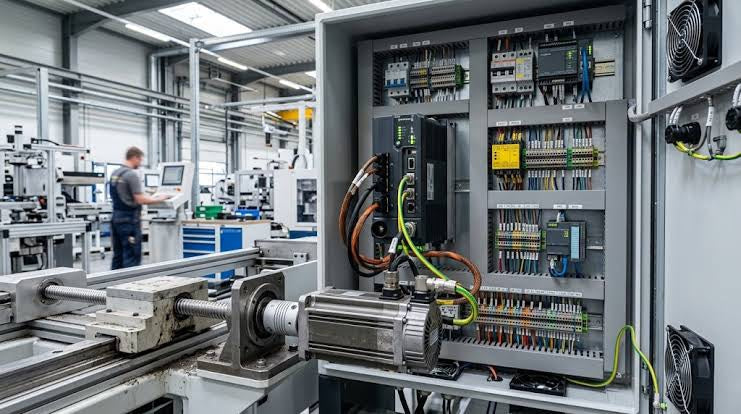
Demystifying Programmable Logic Controllers: Comprehensive Guide to PLC Classification and Selection in Industrial Automation
Modern industrial automation heavily relies on Programmable Logic Controllers (PLCs) to drive factory floor efficiency. Over my 15 years as an industrial automation expert working with DCS, TSI, and control systems, I have seen PLCs evolve into the central nervous system of modern manufacturing. Selecting the right controller requires a deep understanding of PLC types based on physical size, hardware architecture, and power supply configurations.
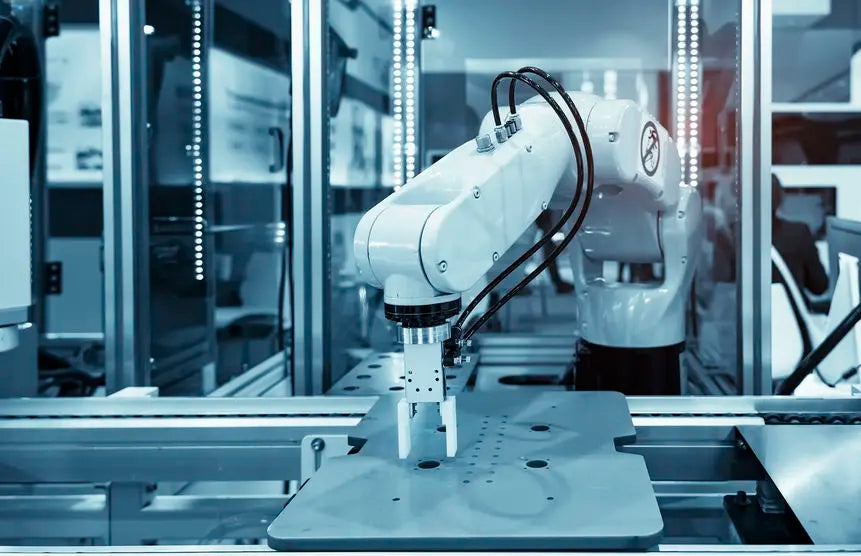
Comprehensive Guide to PLC Types in Modern Industrial Automation
Modern industrial automation relies on programmable logic controllers to govern critical factory operations. System integrators classify PLCs based on scale, hardware architecture, and power supply design. Understanding these core categories enables automation engineers to select the right control system architecture. Consequently, proper hardware selection optimizes performance while minimizing long-term operational costs.

Demystifying the DDE Protocol in Legacy Industrial Automation Systems
Modern control systems rely heavily on seamless interprocess communication to exchange operational data between software programs. Microsoft first introduced the Dynamic Data Exchange (DDE) protocol in 1987 to enable real-time data sharing. In factory automation, DDE served as an early bridge between control software and Windows desktop applications. Therefore, understanding DDE mechanics provides crucial insights into how legacy industrial networks established software-level connectivity.