










Product Details
Product Overview
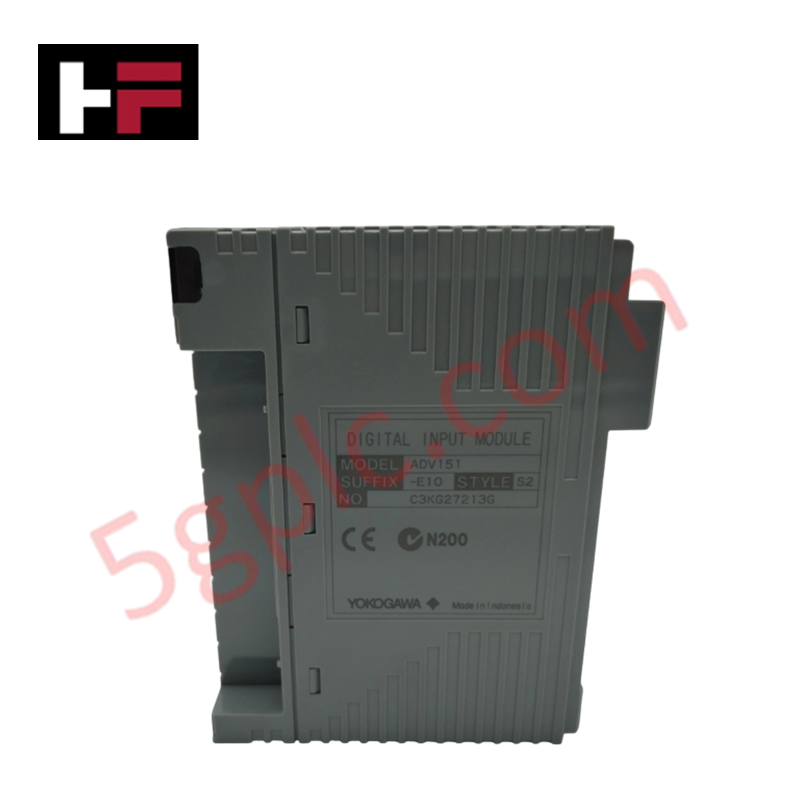
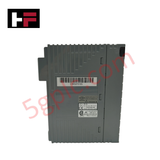
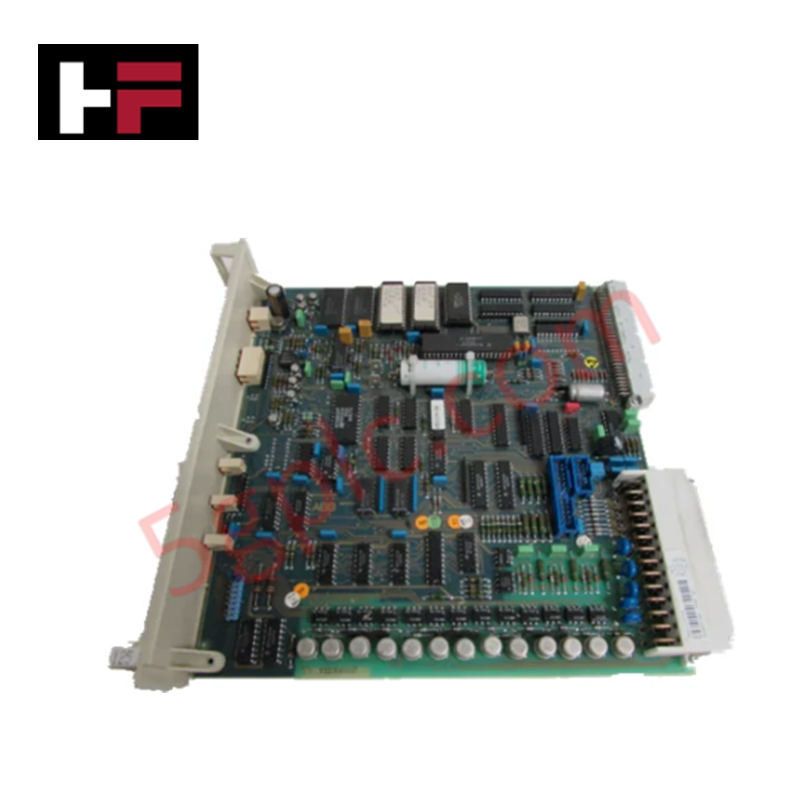
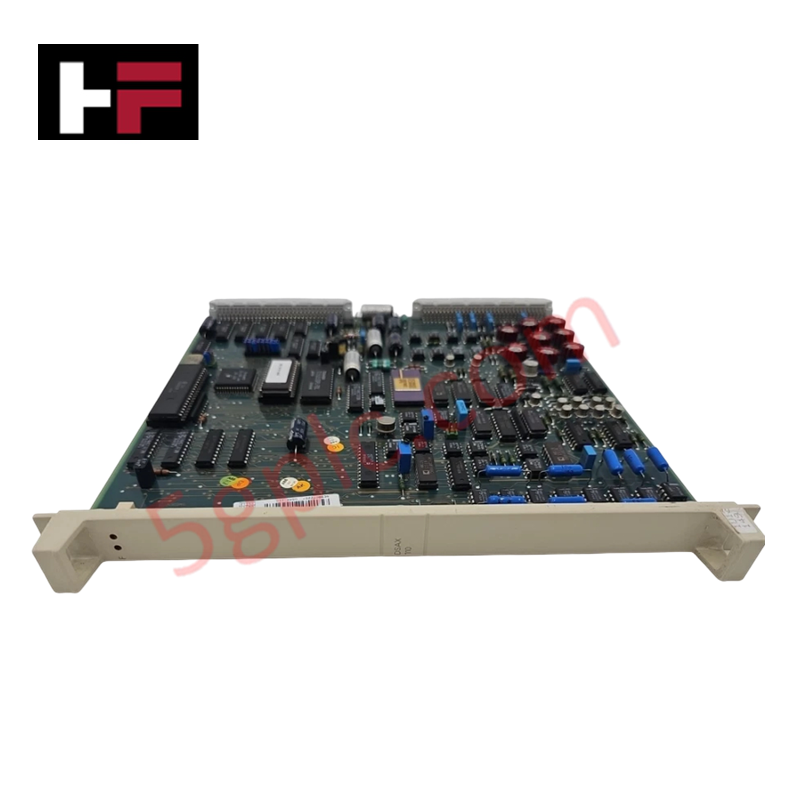
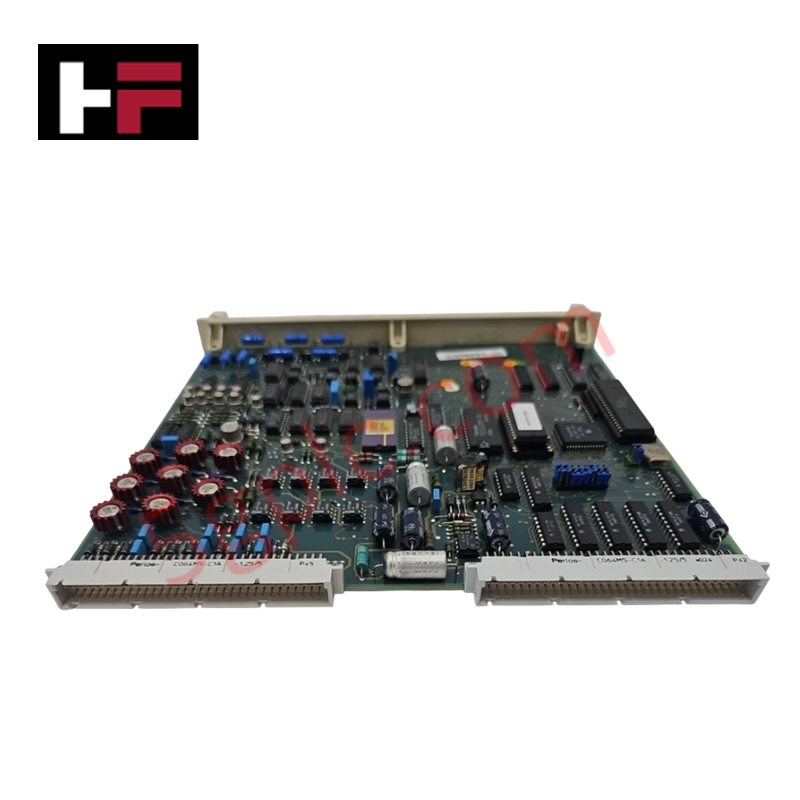
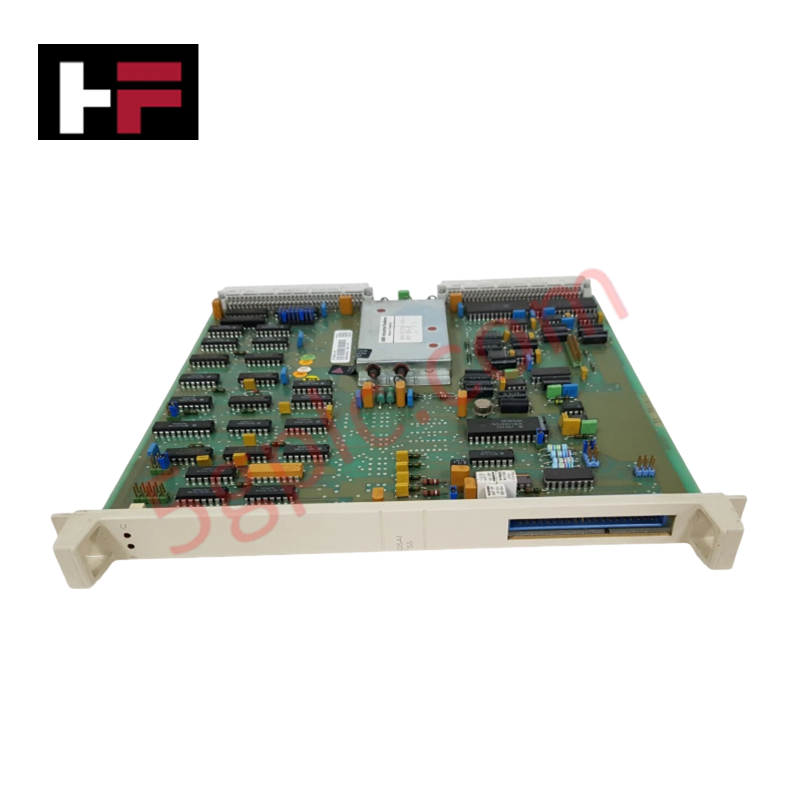
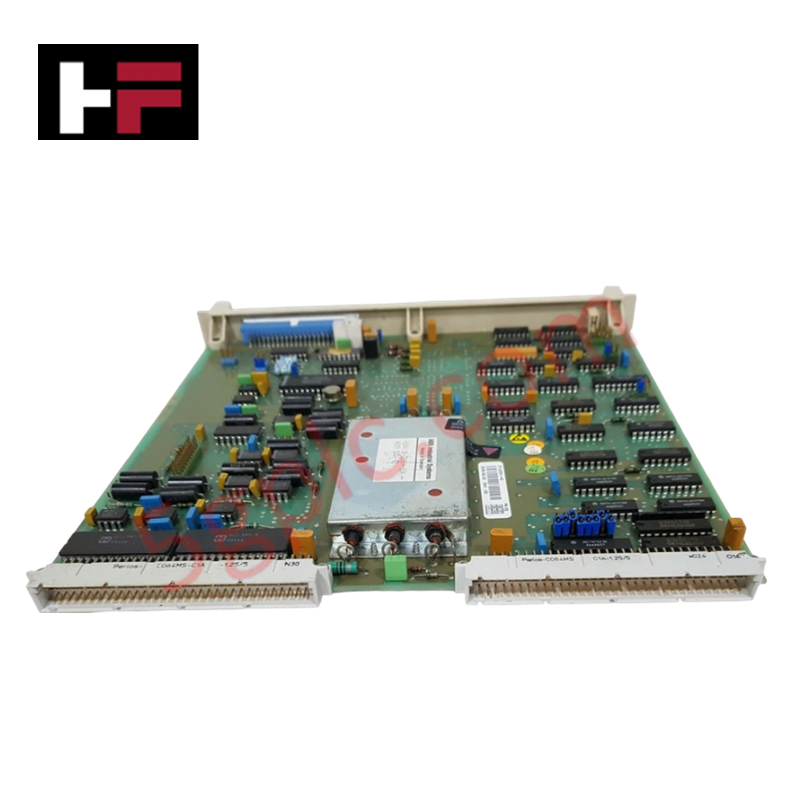
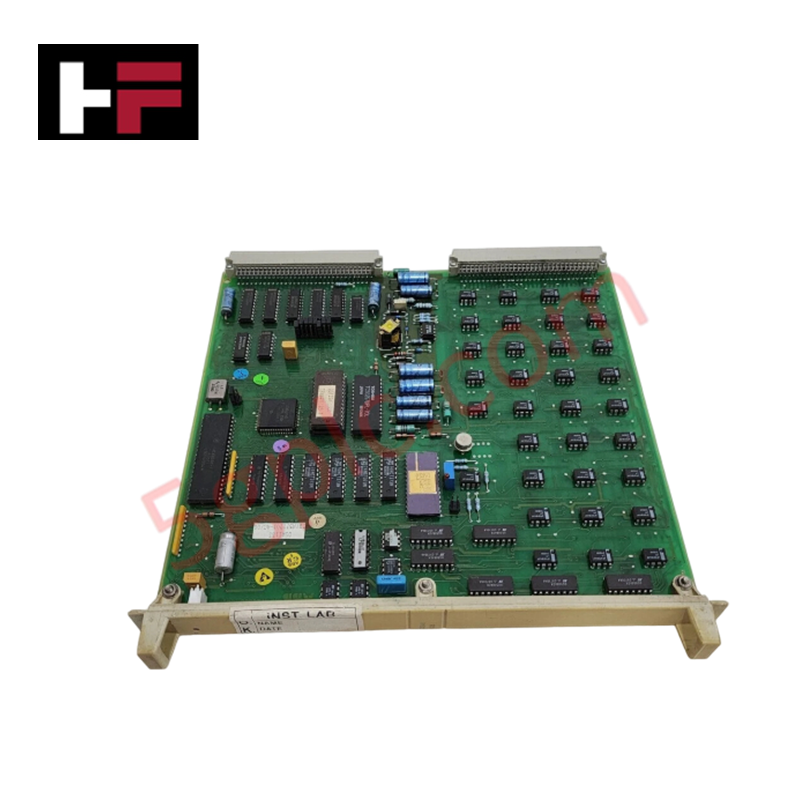
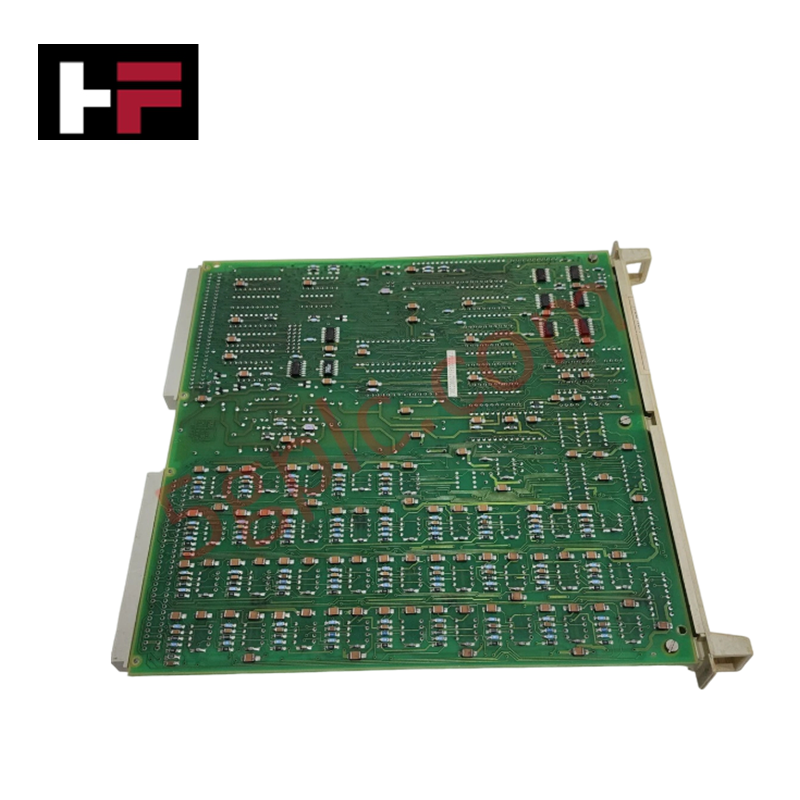
The Yokogawa ADV151-E10 functions as a high-density digital input interface for the CENTUM VP Integrated Production Control System. This module processes 32 isolated channels, capturing 24 V DC ON/OFF signals from field devices such as limit switches, push buttons, and protective relays. By facilitating real-time data acquisition with high-speed response times, the ADV151-E10 ensures the controller receives precise status updates from the industrial floor.
Part Number Breakdown
Yokogawa utilizes a specific suffix logic to define module capabilities. The ADV151-E10 breakdown includes:
| Suffix | Definition |
| ADV151 | Digital Input Module (32-Channel, 24 V DC) |
| -E | Standard type with basic isolation |
| 1 | Always 1 (Standard) |
| 0 | Basic type without specific options like G3 coating |
Technical Specifications
The ADV151-E10 delivers industrial-grade performance through the following parameters:
-
Input Channels: 32 isolated channels
-
Signal Type: 24 V DC ON/OFF (Sink/Source compatible)
-
Voltage Range: 18.0 to 26.4 V DC
-
Input Current: ~4.1 mA per channel
-
Response Time: ≤ 10 milliseconds
-
Isolation: Channel-to-channel and Channel-to-system
-
Redundancy: Supports dual-redundant configuration
-
Mounting: ESB Bus Node Unit / ER Bus Node Unit
-
Physical Dimensions: 10.2 × 3.8 × 10.2 cm
-
Weight: 0.3 kg
Engineering Advantages
-
Enhanced System Availability: The module supports dual-redundant configurations. If one module fails, the secondary unit maintains signal integrity without interrupting the process, effectively eliminating single points of failure in critical loops.
-
Superior Signal Integrity: Comprehensive isolation (channel-to-channel and channel-to-system) prevents electrical noise and ground loops from migrating into the system backplane. This protects the sensitive ESB bus architecture from field-side voltage spikes.
-
High-Density Efficiency: Packing 32 channels into a compact 3.8 cm wide module saves significant rack space. This allows engineers to increase I/O density in existing cabinets without requiring costly hardware expansions.
-
Rapid Fault Detection: With a response time of 10ms or less, the module detects state changes almost instantaneously. This speed is vital for safety interlocking and high-speed sequence-of-events recording.
FAQs
Is this unit a refurbished or surplus item?
No. We supply the Yokogawa ADV151-E10 exclusively as a 100% Brand New, original factory unit in its authentic packaging.
Does this module support both dry and wet contact signals?
Yes. While the standard configuration focuses on 24 V DC logic, the ADV151-E10 handles various contact types depending on your field wiring and power supply arrangement, providing flexibility for diverse sensor types.
Can I hot-swap this module during operation?
Yes, when used in a dual-redundant configuration within the CENTUM VP environment, you can replace a faulty ADV151-E10 module without shutting down the station, provided you follow Yokogawa’s standard hot-swap safety procedures.
What is the maximum voltage the module can withstand?
The module operates safely up to 26.4 V DC but can tolerate instantaneous voltage spikes up to 30 V DC without hardware damage, offering a safety margin against unregulated power fluctuations.
Additional Information
- 100% Genuine Parts: All products are original and authentic, ensuring reliable industrial performance.
- 30-Day Refund Guarantee: Return any in-stock item within 30 days in original, unopened packaging for a full refund (excluding shipping and fees).
- 12-Month Warranty: Covers defects in materials or workmanship; excludes misuse, normal wear, or unauthorized modifications.
- Worldwide Shipping: We ship via USPS, UPS, FedEx, and DHL. Delivery times vary by country and may be subject to customs or import fees.
- Support & Contact: Technical and warranty assistance is available anytime. Contact us here: Contact.
- Purchase Guidance: Check product specifications and compatibility carefully before ordering to ensure proper application.
Tech & Buying Guide

Site Acceptance Testing (SAT) for PLC Control Systems: An Engineering Execution Guide
The Site Acceptance Test (SAT) represents the definitive handover stage in industrial automation projects. While the Factory Acceptance Test confirms cabinet hardware assembly off-site, the SAT validates real-world performance under live site conditions. Consequently, a structured execution strategy prevents equipment damage and guarantees seamless integration into plant operations.

Mastering the Factory Acceptance Test (FAT) for PLC Control Panels: An Expert Guide
The Factory Acceptance Test (FAT) is a vital milestone in industrial automation that ensures custom PLC panels meet exact design specifications before dispatch. This guide outlines the step-by-step FAT procedure and key industry best practices to prevent costly site delays and ensure long-term operational success.

Redundant Automation Systems: Ensuring Continuous Uptime in Critical Control Infrastructure
System reliability directly determines operational profitability across high stakes process industries. Modern industrial automation platforms must eliminate single points of failure to prevent catastrophic shutdowns. Deploying fault tolerant architecture safeguards complex facilities against unexpected hardware glitches, network disruptions, and maintenance outages.