










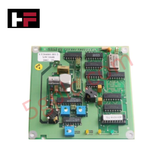
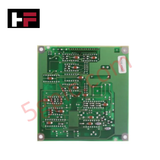
Product Details
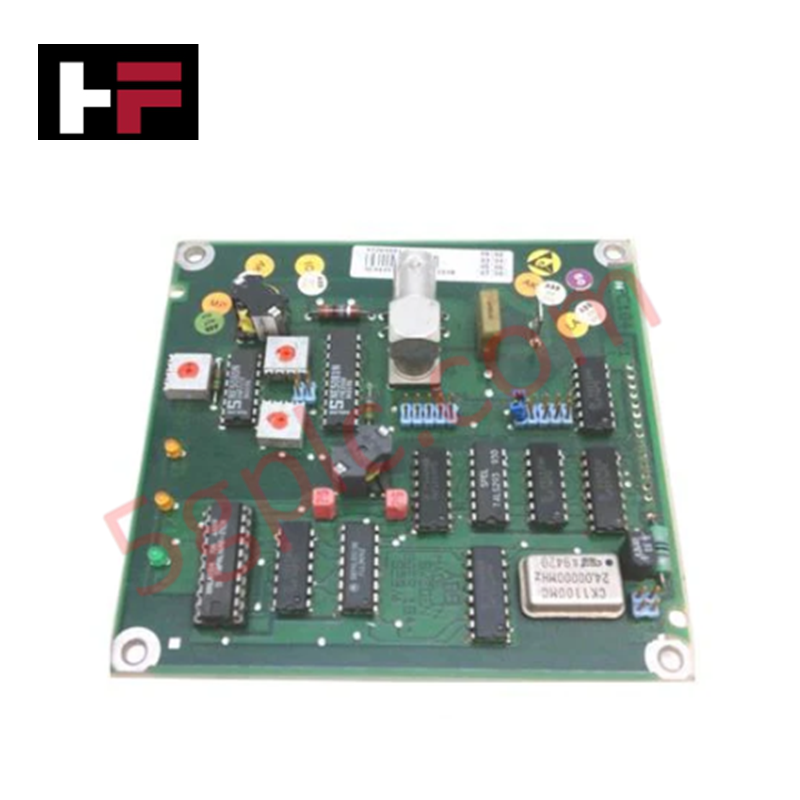
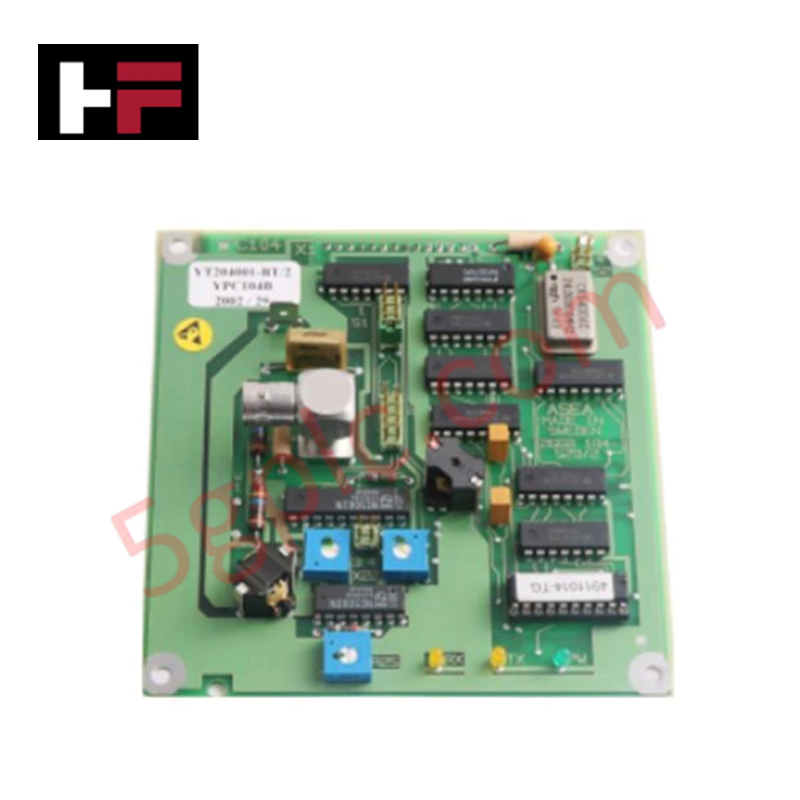
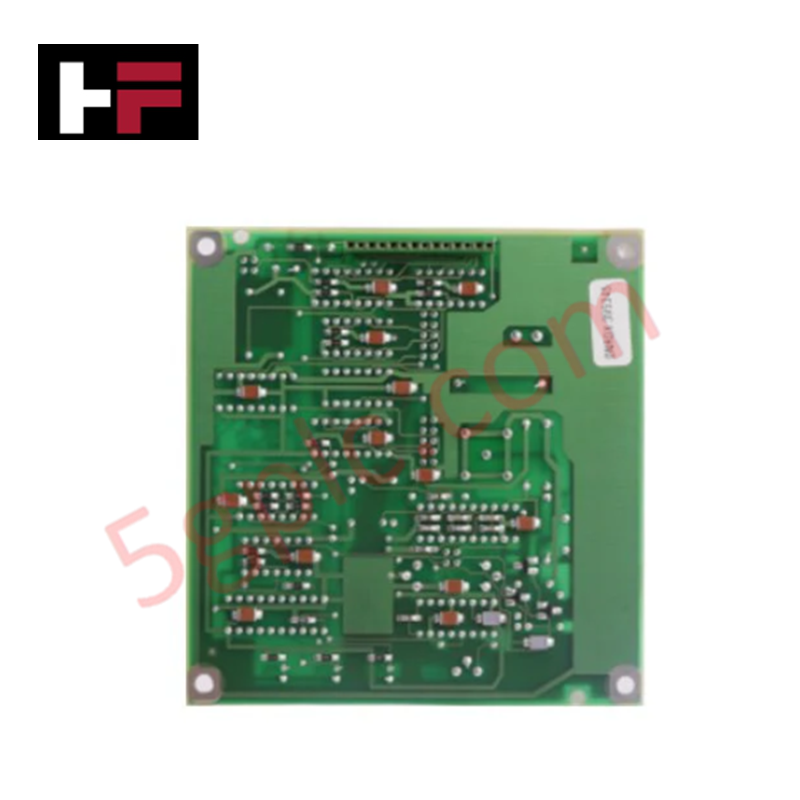
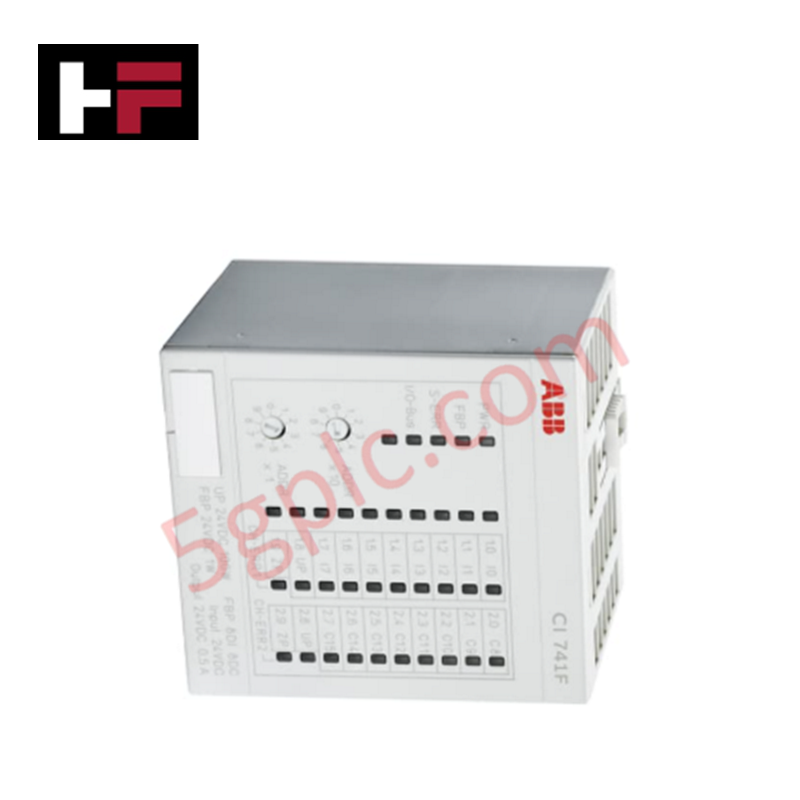
Configured for serial and Ethernet conversion in industrial control systems, the ABB YPC104B YT204001-BT/2 (YPC104B Modem Board) provides direct physical/electrical execution. The hardware serves as an interface layer that converts digital system frames into analog modulation profiles to facilitate data transfer across long-distance lines. Outfitted with on-board signal conditioning circuitry, the board eliminates external wave distortions, while real-time diagnostic indicators report module health and line errors directly onto the local processing interface.
Hardware Specifications
| Parameter | Specification |
|---|---|
| Model | YPC104B YT204001-BT/2 |
| Product Number | YT204001-BT |
| Brand | ABB |
| Origin | Sweden |
| Weight | 0.1 kg |
| Dimensions | 11 cm x 11.5 cm x 2.2 cm |
| Operating Temp | 0 to +60 deg C (Standard industrial parameters apply) |
| Power Consumption | Subsystem loop dependent |
| Communication Interface | Supports serial and Ethernet communication protocols |
| Modulation Type | Digital-to-analog signal modulation |
| Diagnostics | Status LED indicators, error codes, and self-test capabilities |
Backplane Bus Communication Velocity Licences
The YPC104B modern board integrates directly with core processing structures to synchronize remote serial networks with the main system backplane bus communication velocity licences. The hardware dynamically controls modulation timing to match the deterministic network speed of the overarching automation platform. This prevents data packet buffering delays, optimizes signal alignment during concurrent data requests, and ensures that converted field signals scale efficiently without introducing latency into the system loop.
Frequently Asked Questions
Q: What specific functions do the status LED indicators and diagnostic codes perform on this modem board?
A: The on-board LEDs provide direct visual verification of power stability, transmit/receive activity, and link integrity. If internal self-test routines fail, specific flashing error codes pinpoint transceiver faults or modulation timing misalignments.
Q: Is hot-swapping supported for the YPC104B board within an active cabinet rack?
A: No. Unseating or seating the board while the communication bus is energized can induce current spikes, interrupt active serial data packets, and risk damaging the integrated signal conditioning circuitry.
Q: How does the signal conditioning circuitry handle transmission noise?
A: The circuitry features localized filtering layers designed to suppress high-frequency line noise, crosstalk, and signal attenuation, keeping the translated wave profiles within standard industrial transmission tolerances.
Field Installation Guidelines
The YPC104B board must be mounted securely within an static-shielded industrial enclosure using appropriate grounding standoffs. Ensure all serial and Ethernet communication links utilize high-quality shielded cables, with the outer shield grounded at a single master termination point. Avoid placing the board adjacent to high-power motor drives, switchgear, or unshielded AC power line paths to minimize industrial electromagnetic noise injection. Maintain at least 30 mm of free air space around the board edges to permit natural convective heat dissipation.
Additional Information
- 100% Genuine Parts: All products are original and authentic, ensuring reliable industrial performance.
- 30-Day Refund Guarantee: Return any in-stock item within 30 days in original, unopened packaging for a full refund (excluding shipping and fees).
- 12-Month Warranty: Covers defects in materials or workmanship; excludes misuse, normal wear, or unauthorized modifications.
- Worldwide Shipping: We ship via USPS, UPS, FedEx, and DHL. Delivery times vary by country and may be subject to customs or import fees.
- Support & Contact: Technical and warranty assistance is available anytime. Contact us here: Contact.
- Purchase Guidance: Check product specifications and compatibility carefully before ordering to ensure proper application.






Tech & Buying Guide

Will PLCs Become Obsolete? The Future of Control Systems in Industry 4.0
Modern manufacturing is undergoing a rapid technological transformation driven by Industry 4.0 innovations. Technologies like Artificial Intelligence (AI), Machine Learning (ML), and the Industrial Internet of Things (IIoT) are dominating discussions across the factory automation sector. Consequently, many engineers wonder if these advanced digital tools will eventually replace traditional Programmable Logic Controllers (PLCs). However, evaluating the core physics of industrial operations reveals a very different reality for control systems.

Demystifying Open Platform Communication (OPC): The Backbone of Industrial Interoperability
Interoperability remains a cornerstone requirement for modern smart factories and process automation. Open Platform Communication (OPC) bridges the gap between disparate hardware platforms, control systems, and visualization software. By establishing a universal communication standard, OPC allows field controllers, SCADA platforms, and enterprise software from different vendors to exchange real-time data seamlessly.

Understanding Siemens PLC Memory Cards: MMC, SMC, and SD Solutions in Industrial Automation
Memory management plays a pivotal role in maintaining control system reliability across modern manufacturing plants. Industrial control systems rely on specialized memory cards to store project logic, firmware updates, and retentive system data. Siemens uses several memory architectures, including Micro Memory Cards (MMC) and SIMATIC Memory Cards (SMC). Engineers must understand these hardware variations to ensure zero data loss and minimize downtime during maintenance routines.