
Product Details
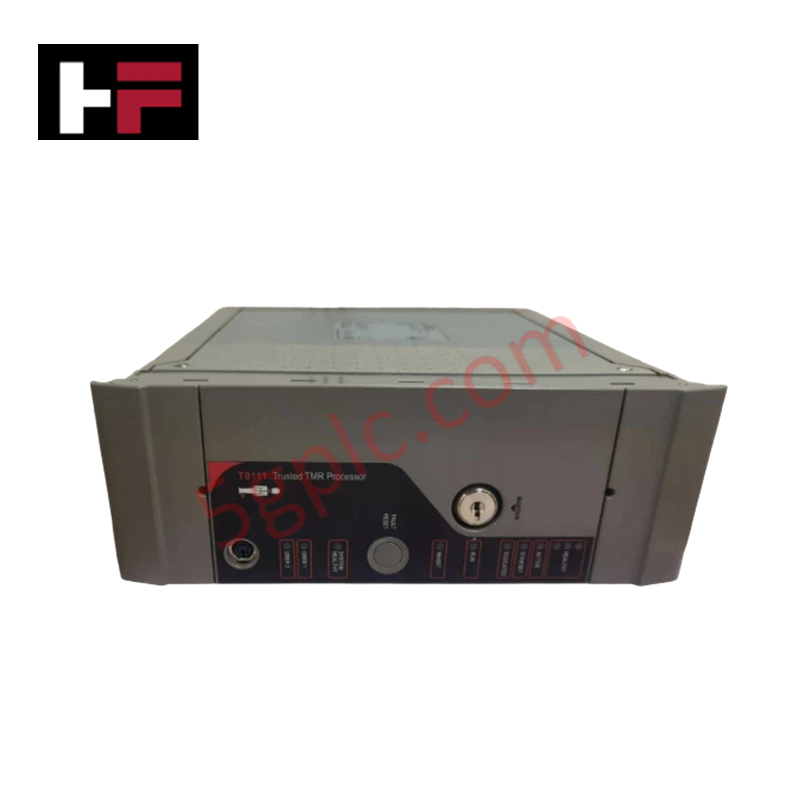
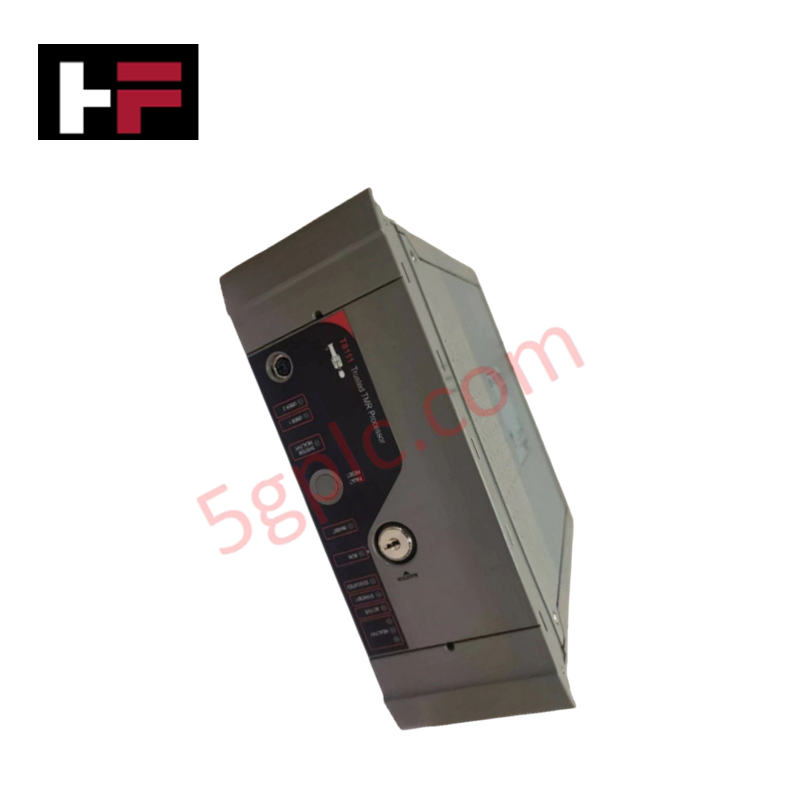
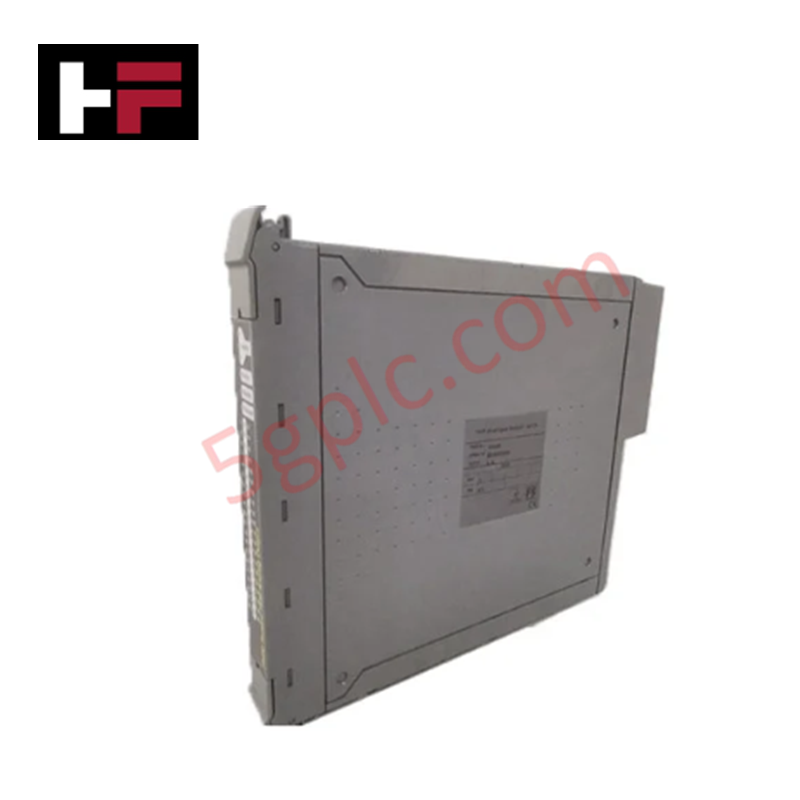
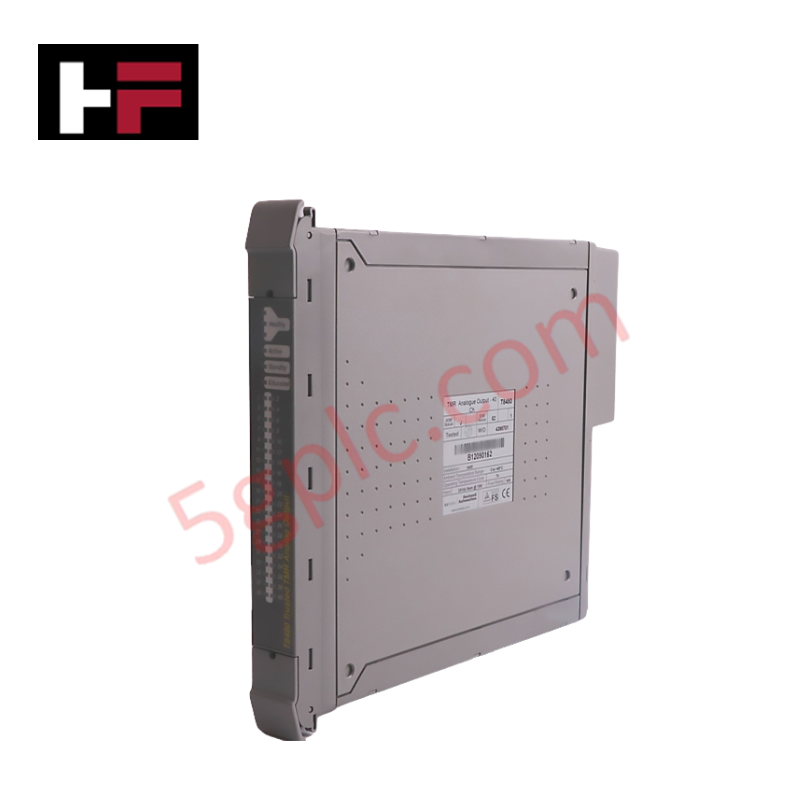
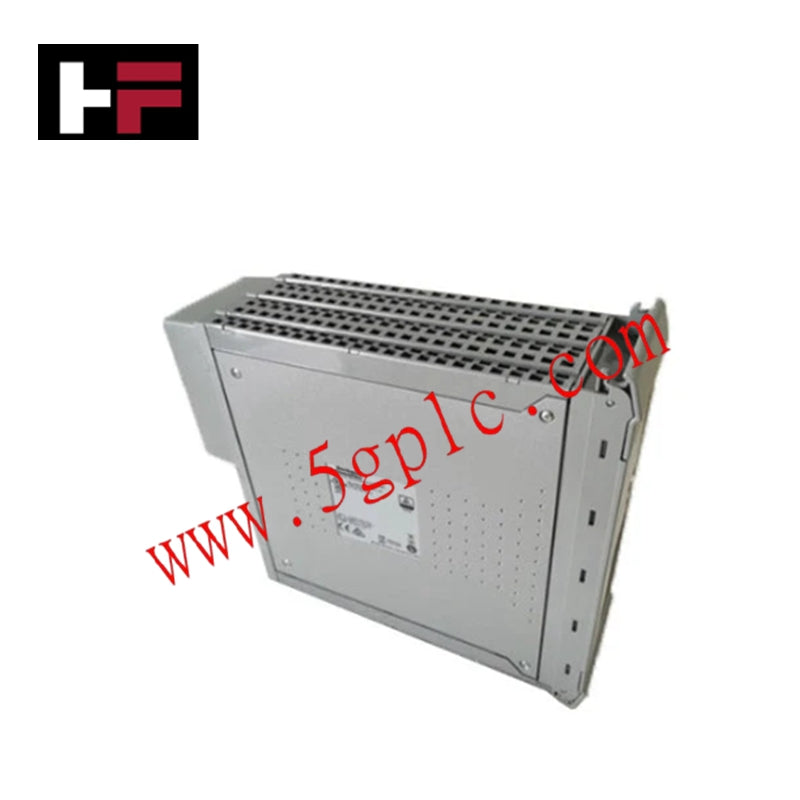
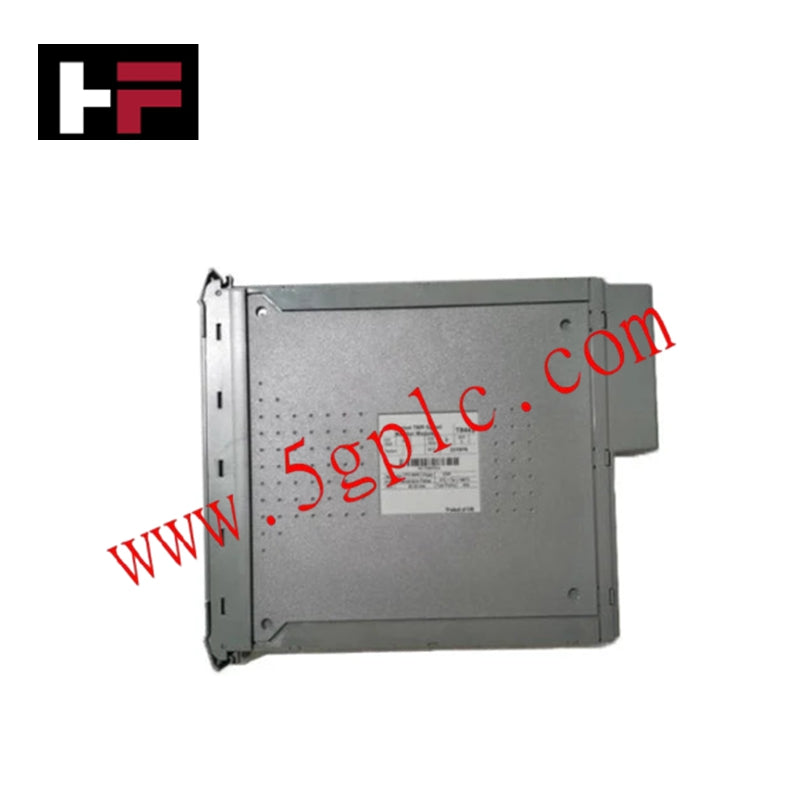
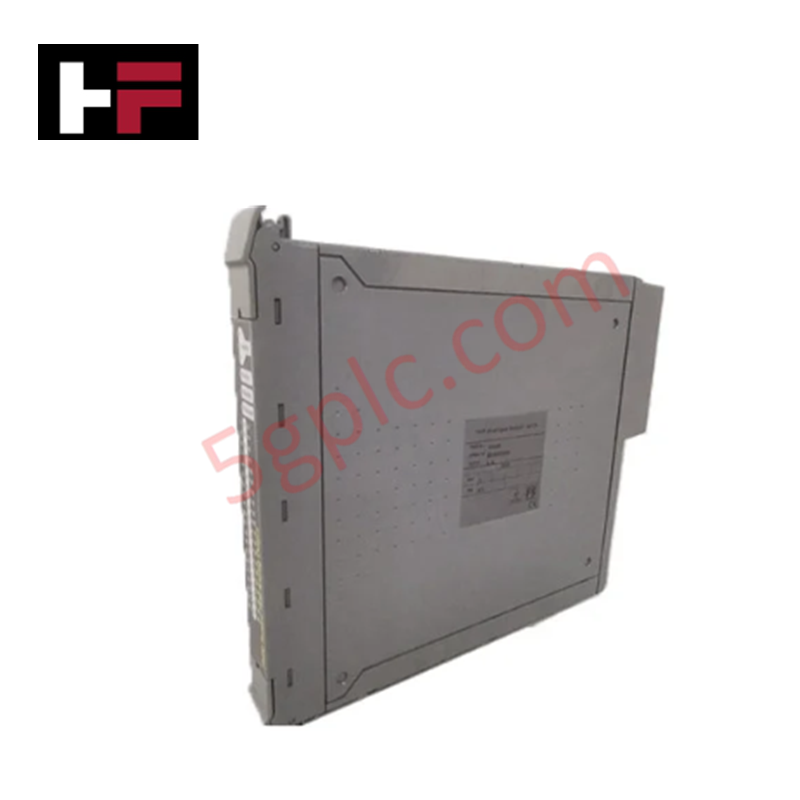
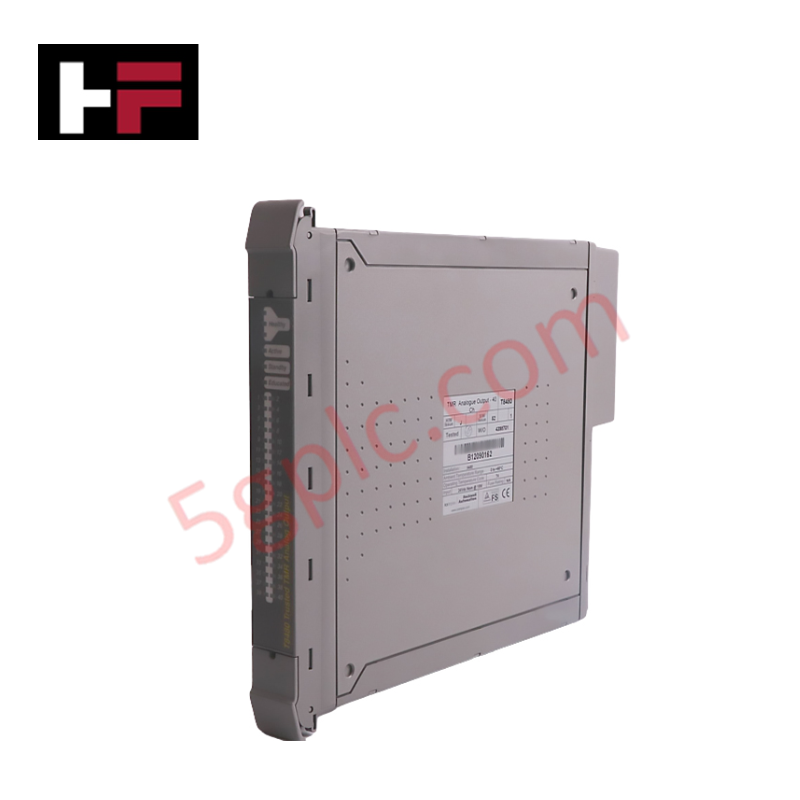
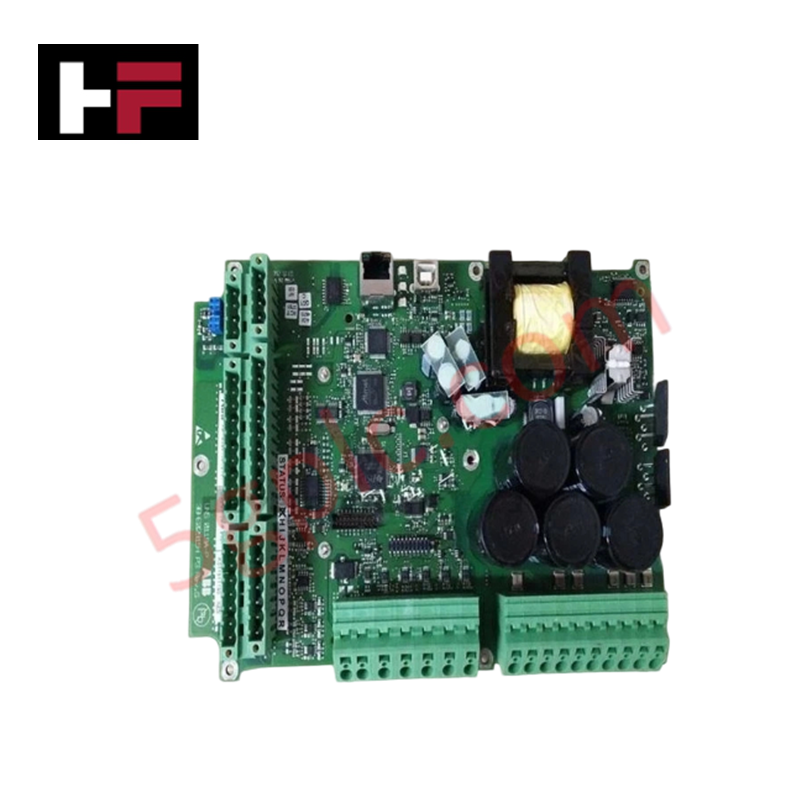
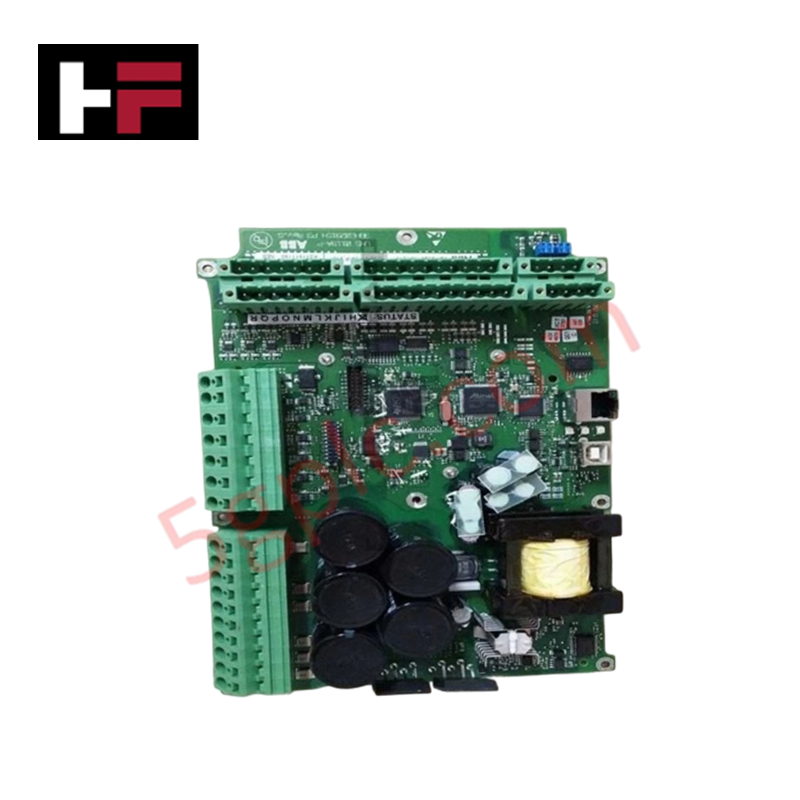
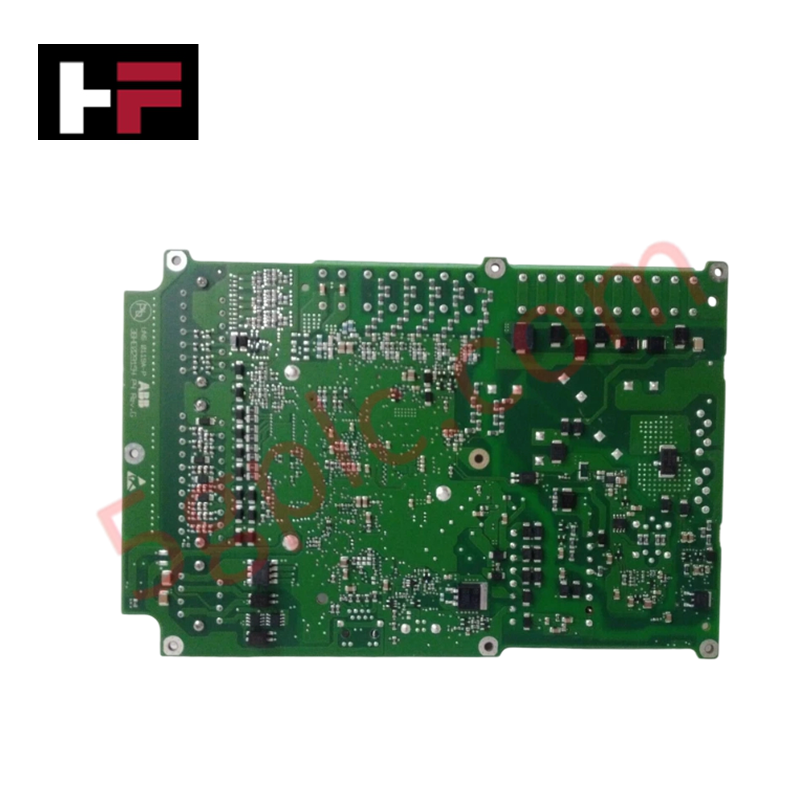
The ABB UNS 0119A-P (3BHE029153R0101 Processor Module) serves as the primary controller utilized to execute logic operations and signal processing across industrial automation platforms.
Hardware Specifications
| Parameter | Specification |
|---|---|
| Model | UNS 0119A-P |
| Brand | ABB |
| Origin | Sweden |
| Weight | 2.8 kg |
| Dimensions | 303 mm x 175 mm x 83 mm |
| Operating Temp | Standard industrial ambient |
| Power Consumption | System backplane dependent |
| Module Type | Processor Module |
Profinet / EtherNet/IP deterministic networks
The UNS 0119A-P is engineered for integration within deterministic network environments, managing backplane bus communication velocity to ensure real-time synchronization of control tasks. Firmware flash compatibility is governed by the host system's software version, requiring strict synchronization between the engineering project files and the physical module revision to prevent bus timing errors. I/O density scaling is supported through the module's internal controller architecture, which manages data transmission rates across connected peripheral backplane slots. Proper network switch configuration and termination are required to maintain signal integrity and prevent communication latency during high-speed process cycles.
Frequently Asked Questions
Q: Is this module capable of being hot-swapped while the system is powered?
A: No. Hot-swapping is not permitted. All power to the control rack must be disconnected prior to the extraction or insertion of the processor module to prevent electrical damage to the backplane pins and internal circuitry.
Q: How can firmware compatibility be verified for this module?
A: Firmware revision status can be queried through the engineering management software. Ensure the module firmware version aligns with the hardware requirements of the specific controller configuration to avoid communication timeouts.
Field Installation Guidelines
- Mounting: Ensure the module is seated fully within the designated rack slot. Tighten all mechanical fasteners to provide rigid contact with the backplane and cabinet frame.
- Grounding: Establish a low-impedance connection from the module chassis to the cabinet earth ground. This mitigates susceptibility to electromagnetic interference (EMI) that can disrupt the internal processor bus.
- Wiring: Route communication and signal cabling through dedicated conduits, separated from high-voltage AC power lines to avoid inductive coupling and signal corruption.
- Thermal Management: Maintain clear airflow paths around the module housing. Do not obstruct cooling vents, as excessive internal temperatures will degrade the operating lifespan of the processor components.
- Inspection: Prior to system initialization, inspect the backplane connector pins for signs of bending, corrosion, or contamination. Verify that no metallic debris exists within the module enclosure.
Additional Information
- 100% Genuine Parts: All products are original and authentic, ensuring reliable industrial performance.
- 30-Day Refund Guarantee: Return any in-stock item within 30 days in original, unopened packaging for a full refund (excluding shipping and fees).
- 12-Month Warranty: Covers defects in materials or workmanship; excludes misuse, normal wear, or unauthorized modifications.
- Worldwide Shipping: We ship via USPS, UPS, FedEx, and DHL. Delivery times vary by country and may be subject to customs or import fees.
- Support & Contact: Technical and warranty assistance is available anytime. Contact us here: Contact.
- Purchase Guidance: Check product specifications and compatibility carefully before ordering to ensure proper application.






Tech & Buying Guide

Understanding Instrumentation Control Systems in Modern Industrial Automation
An instrumentation control system (ICS) serves as the central nervous system of modern manufacturing plants and processing facilities. Engineers classify these setups as Electrical, Electronic, or Programmable Electronic Systems (E/E/PES). In practice, an ICS bridges the physical world of industrial machinery with digital decision-making tools. Therefore, understanding its architecture is essential for anyone working in factory automation, process control, or plant safety.

Mastering Electrical Grounding Fundamentals in Industrial Automation and Control Systems
Electrical grounding is a complex engineering discipline. It requires deep knowledge of soil composition and conductor materials. National Electrical Code (NEC) Article 250 outlines these requirements clearly. Many engineers confuse grounding, earthing, and bonding. Grounding connects circuits to a common reference point. Earthing specifically links equipment directly to the planet. Bonding permanently joins metallic parts to ensure electrical continuity.

Architectural Blueprint of Industrial Automation and Control Systems (IACS): Standards, Safety, and Remote Operations
According to IEC 62443, Industrial Automation and Control Systems (IACS) integrate personnel, hardware, and software. These components collectively influence the safety and reliability of any industrial process. Modern control systems allow extensive remote monitoring and operation. However, enabling remote capabilities introduces complex cybersecurity challenges. Therefore, facility operators must evaluate system functions carefully before expanding connectivity.