










Product Details
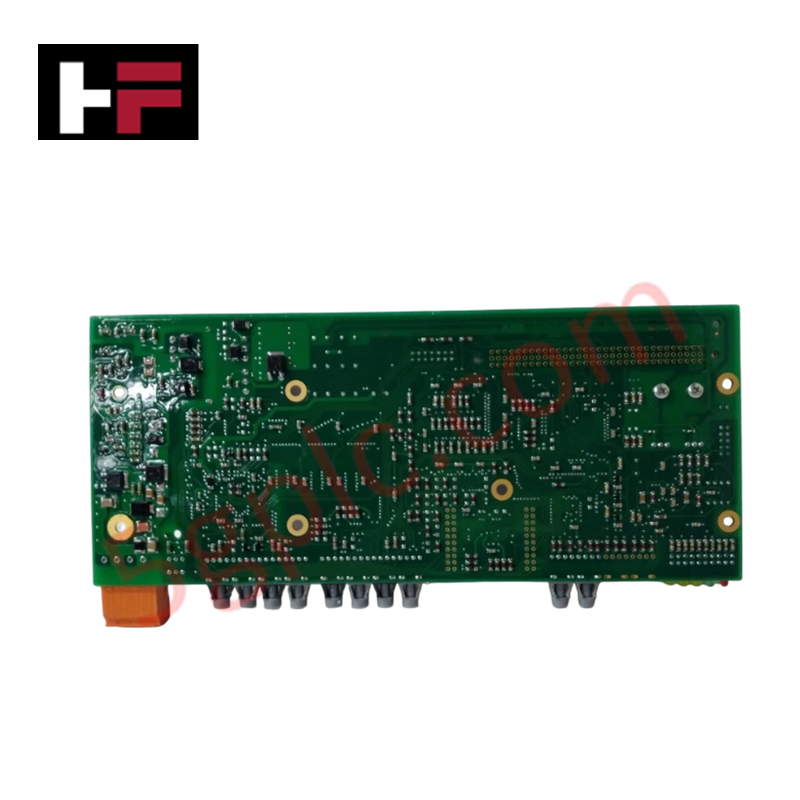
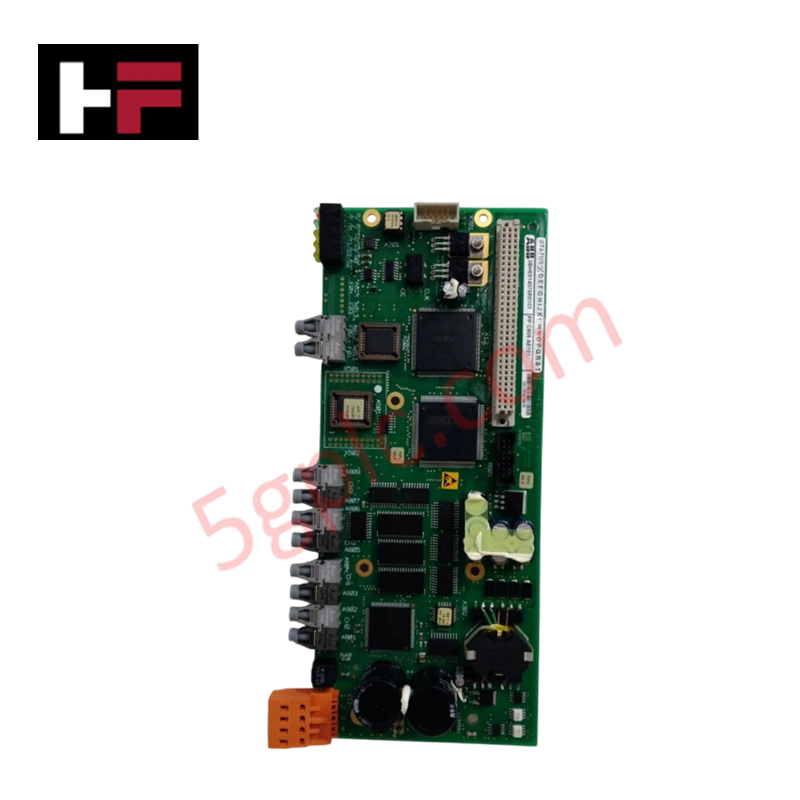
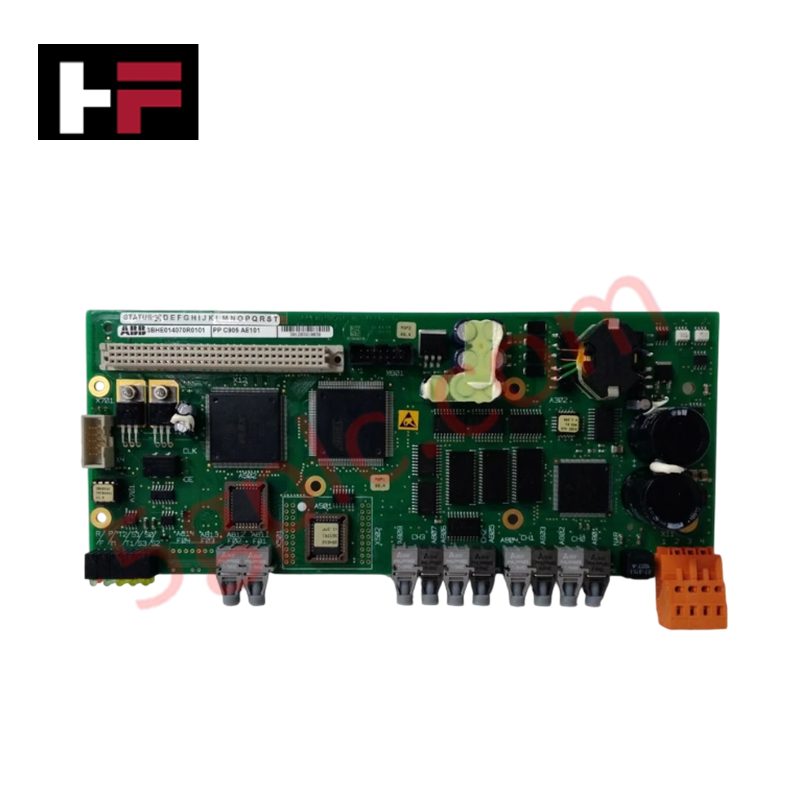
Configured for high-capacity energy conversion in industrial automation networks, the ABB PP C905 AE101 (3BHE014070R0101 Power Supply) provides direct physical electrical regulation for 48 VDC load distribution.
Hardware Specifications
| Parameter | Specification |
|---|---|
| Model | PP C905 AE101 |
| Brand | ABB |
| Part Number | 3BHE014070R0101 |
| Dimensions | 144 mm x 45 mm x 100 mm |
| Operating Temp | -40 deg C to +60 deg C |
| Power Consumption | 1920 W |
| Input Voltage | 230 V AC to 480 V AC (3-phase) |
| Output Voltage | 48 V DC |
| Output Current | 40 A |
DIN-rail mounting stability and surge voltage protection limits
The PPC905AE101 is designed for industrial cabinet integration, utilizing a robust DIN-rail mounting interface that ensures mechanical stability under vibration. The unit manages power conversion from 3-phase AC input to a regulated 48 VDC output, incorporating internal circuitry to suppress transient voltage spikes and protect downstream components. The design maintains an efficiency rating exceeding 90 %, minimizing thermal load within the cabinet. Proper surge voltage protection limits are observed to maintain functional safety during AC line fluctuations. Users must ensure that the DIN-rail is securely bonded to the cabinet protective earth to prevent common-mode noise propagation and to ensure the mechanical integrity of the rail-to-chassis connection.
Frequently Asked Questions
Q: Does the unit require forced-air cooling for the 40 A output current?
A: The unit is designed for standard convection cooling; however, ambient temperatures and mounting density can affect performance. Ensure minimum clearance distances are maintained around the housing to comply with thermal dissipation requirements.
Q: Is this power supply compatible with single-phase AC inputs?
A: No. The PPC905AE101 is strictly designed for 3-phase AC input (230 V AC to 480 V AC). Connection to a single-phase source will result in failure to meet output current specifications and potential internal protection tripping.
Field Installation Guidelines
- Mounting: Ensure the unit is snapped fully onto the DIN-rail. Check for horizontal or vertical movement; if detected, utilize rail end-clamps to secure the unit against lateral displacement.
- Wiring Requirements: Utilize copper conductors rated for 75 deg C. Ensure the AC input terminals are torqued to the manufacturer’s specification to prevent localized heating at the connection point.
- Earthing: Connect the PE (Protective Earth) terminal to the cabinet grounding bus using a wire cross-section equal to or greater than the AC input conductors.
- Separation: Maintain a minimum distance of 50 mm from other heat-generating equipment to ensure the stated operating temperature range of -40 deg C to +60 deg C is not exceeded.
- Inspection: Verify that the input phase sequencing is correct and that the output voltage is stable at 48 V DC before connecting the secondary load circuitry.
Additional Information
- 100% Genuine Parts: All products are original and authentic, ensuring reliable industrial performance.
- 30-Day Refund Guarantee: Return any in-stock item within 30 days in original, unopened packaging for a full refund (excluding shipping and fees).
- 12-Month Warranty: Covers defects in materials or workmanship; excludes misuse, normal wear, or unauthorized modifications.
- Worldwide Shipping: We ship via USPS, UPS, FedEx, and DHL. Delivery times vary by country and may be subject to customs or import fees.
- Support & Contact: Technical and warranty assistance is available anytime. Contact us here: Contact.
- Purchase Guidance: Check product specifications and compatibility carefully before ordering to ensure proper application.






Tech & Buying Guide

Top 5 Operational Advantages of HMIs in Modern Factory Automation

Importance of Safety Barriers in PLC and DCS Control Systems
