Product Details
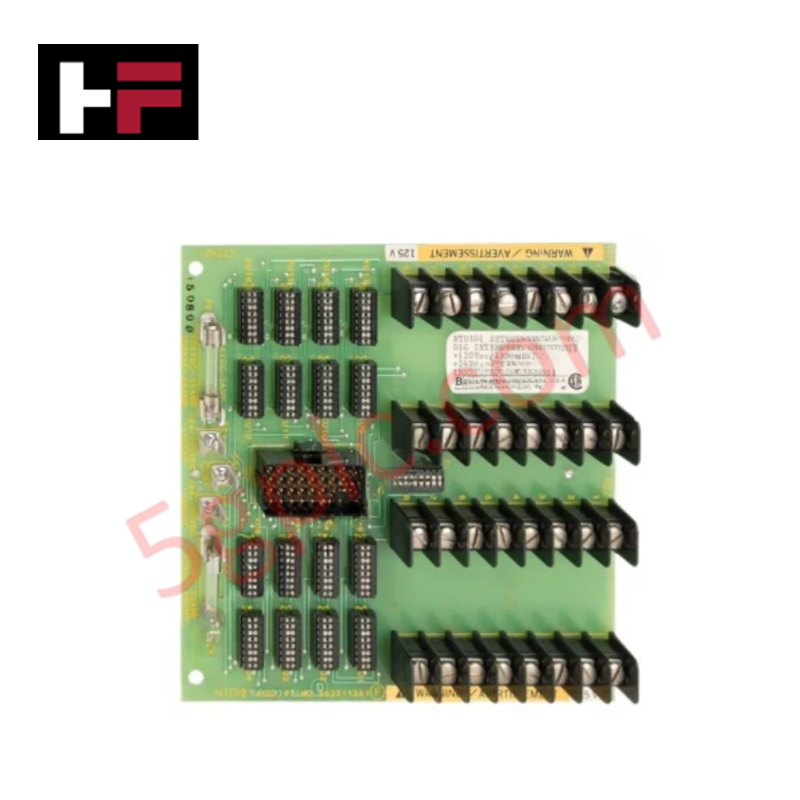
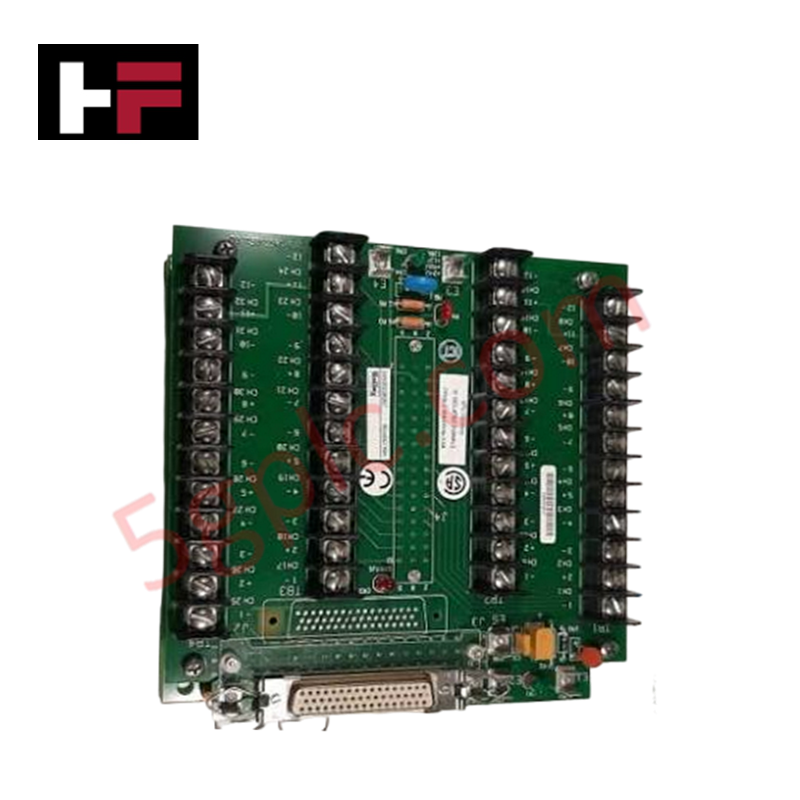
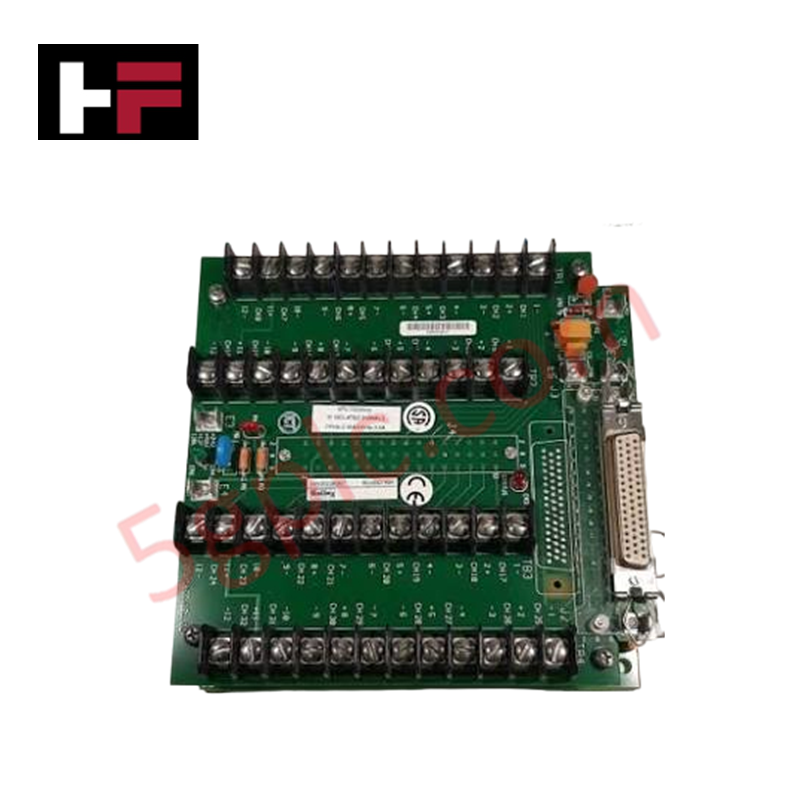
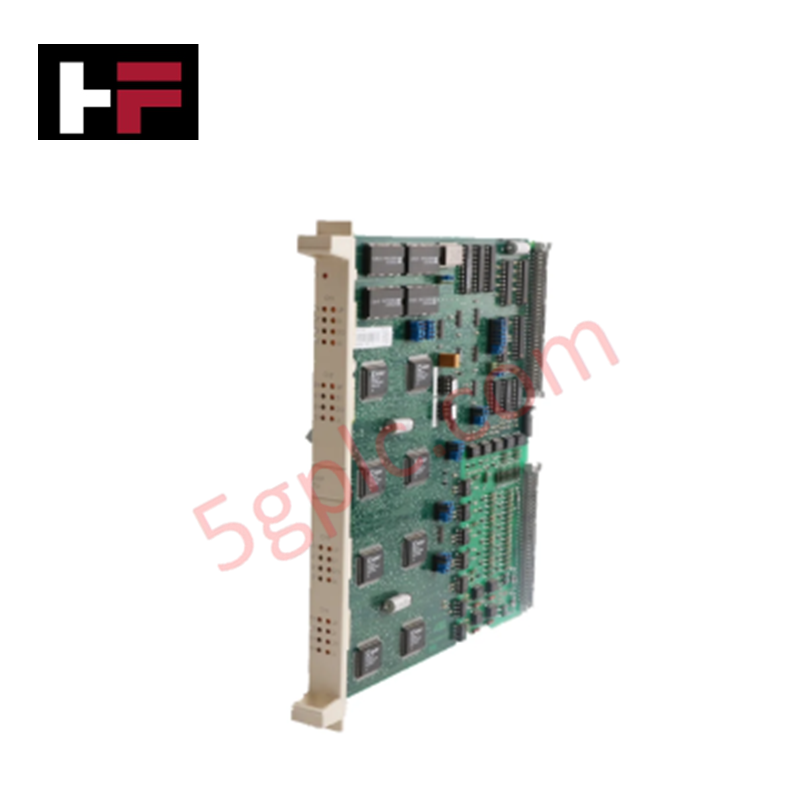
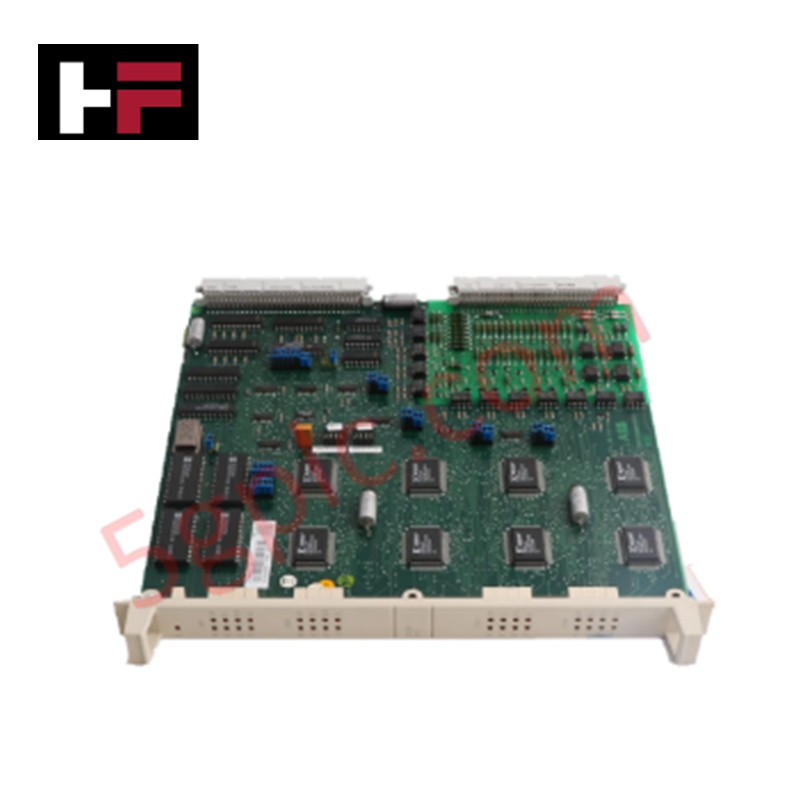
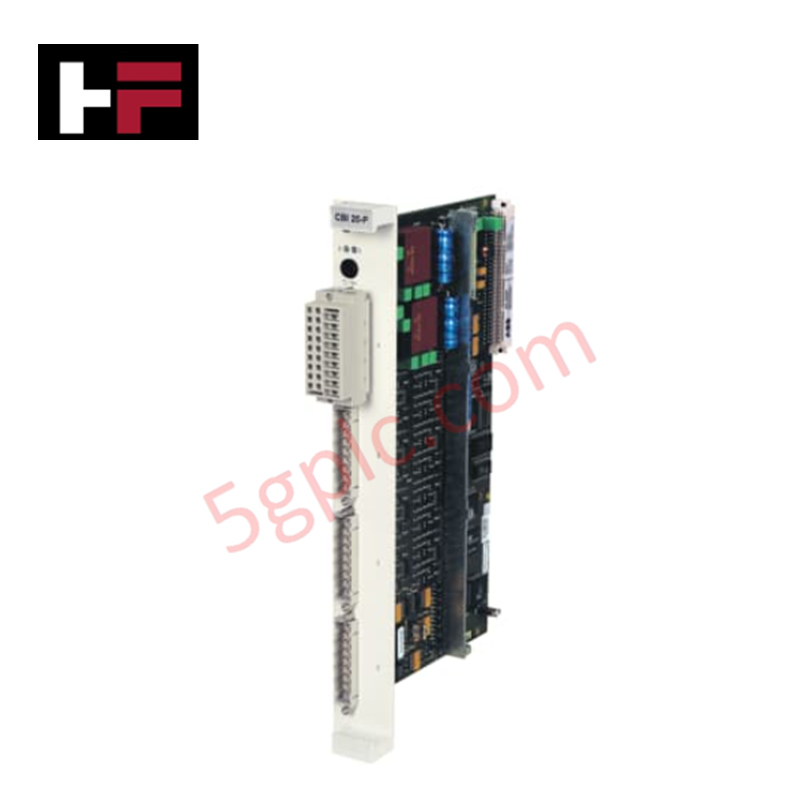
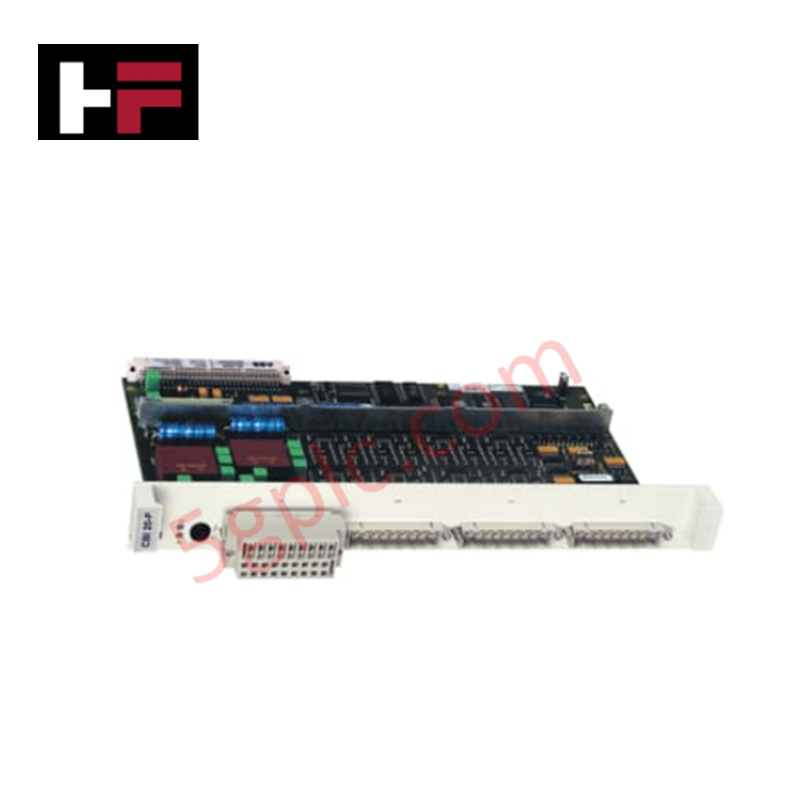
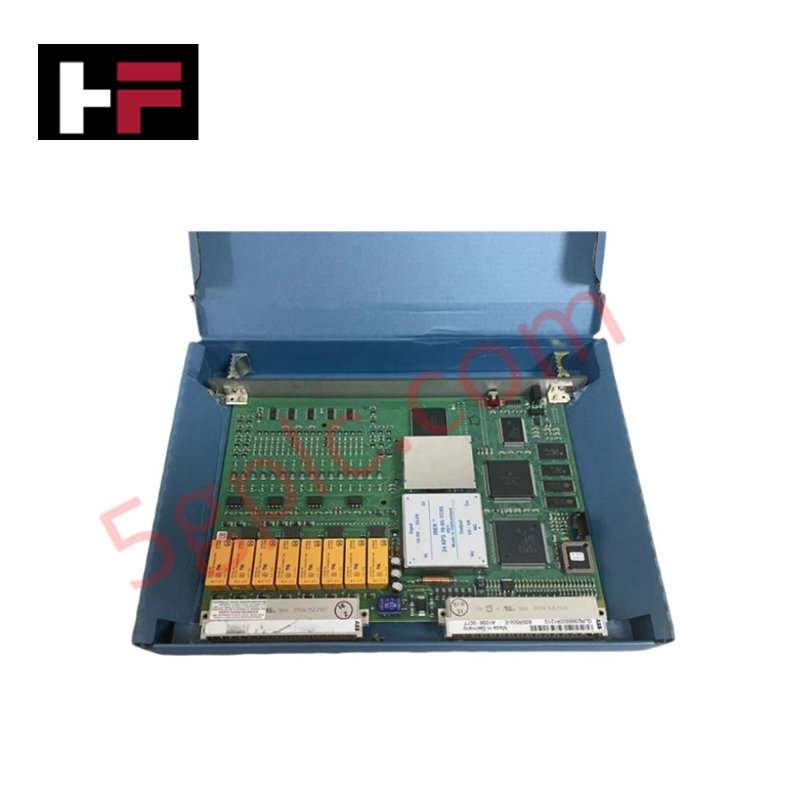
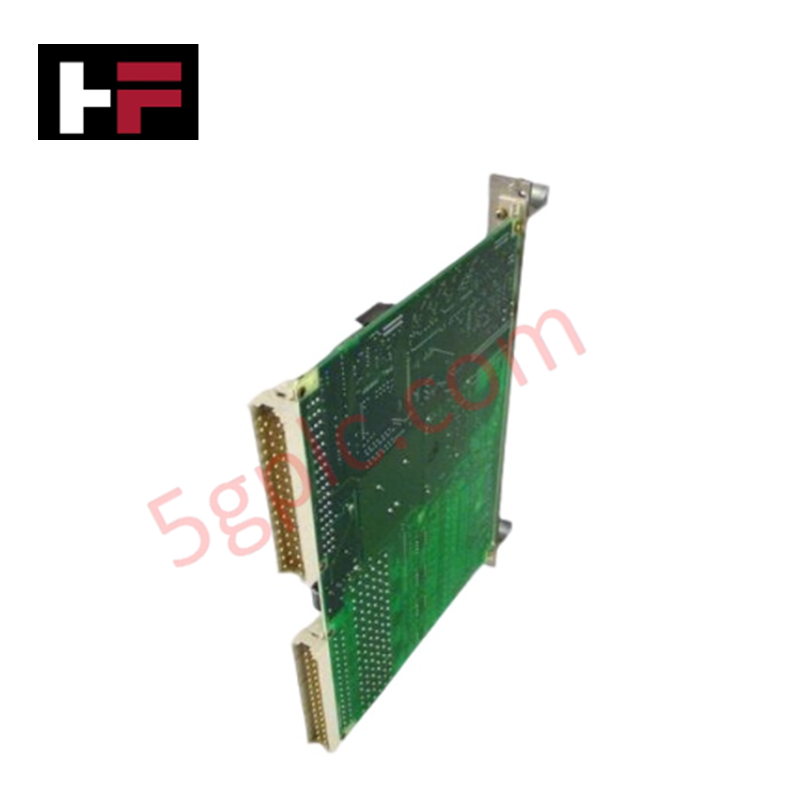
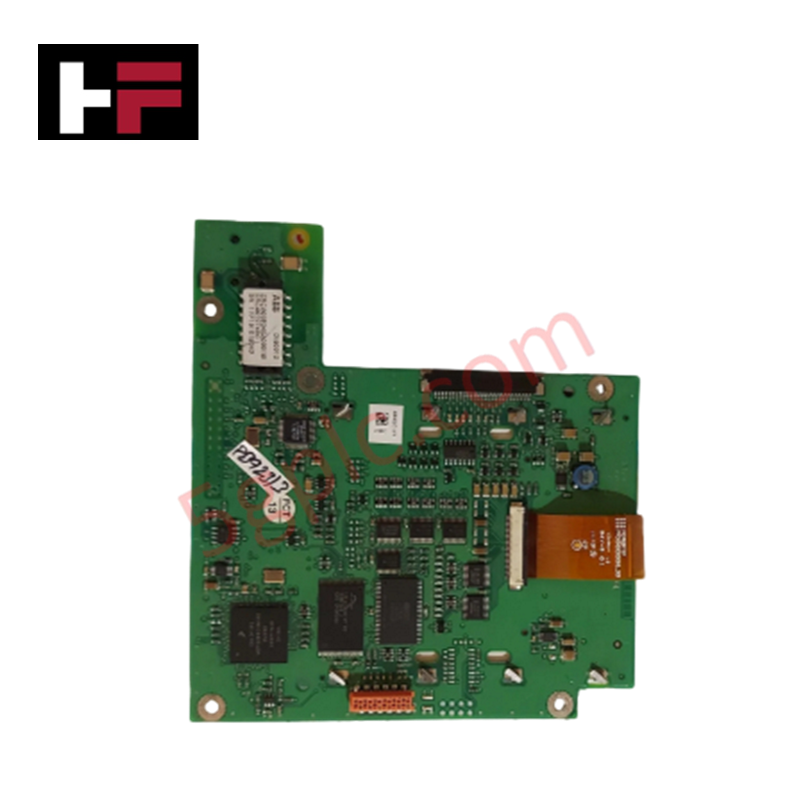
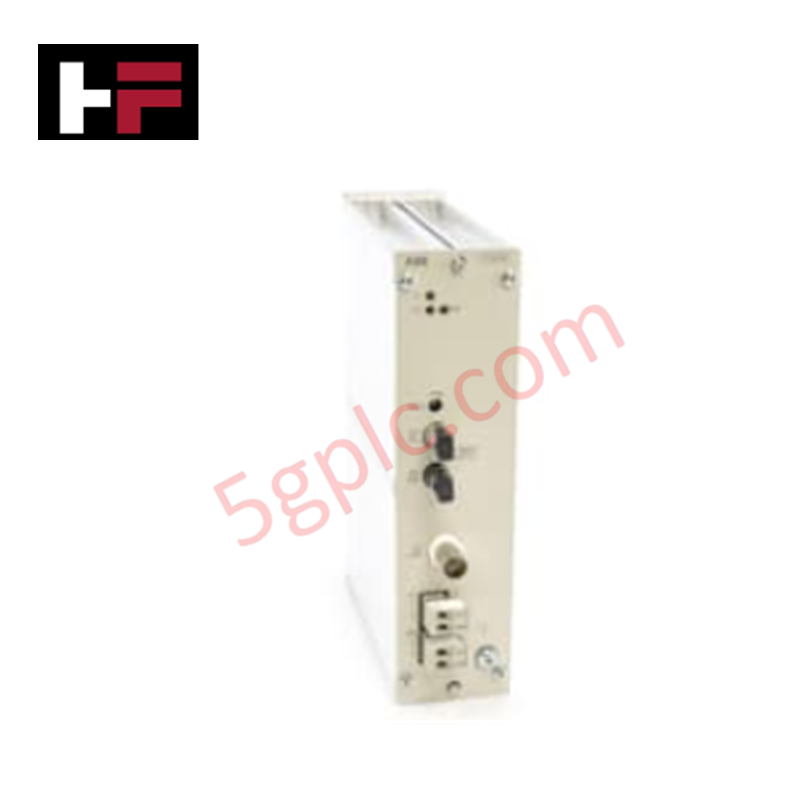
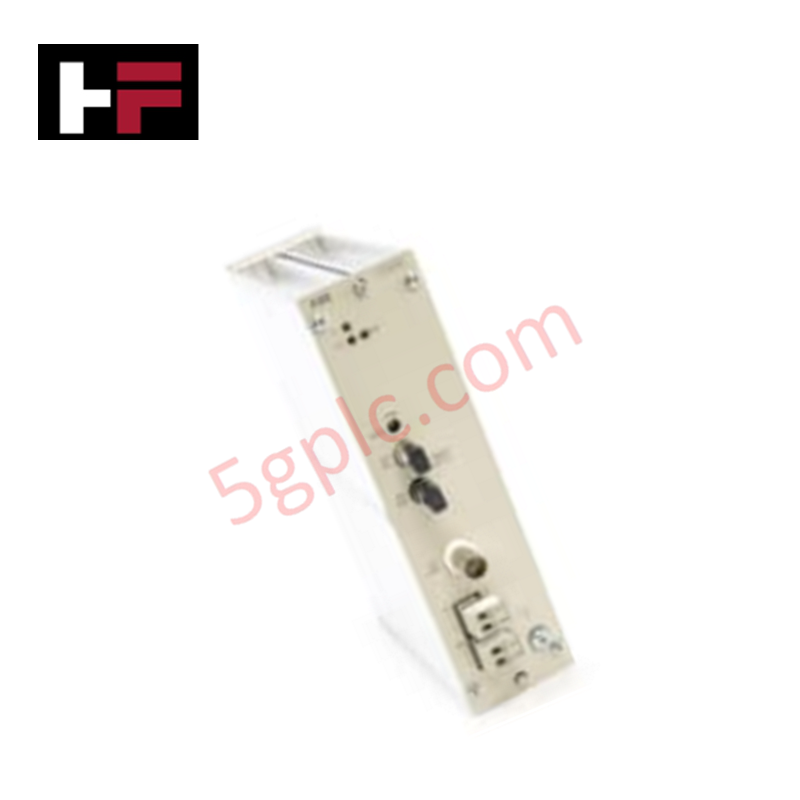
The ABB NTU-715 SM9-3055.051.00, also cataloged as the NTU-715 Input Slave Module, operates as a dedicated hardware component for interfacing digital input signals within Digital Infi 90 system networks.
Hardware Specifications
| Parameter | Specification |
|---|---|
| Model | NTU-715 SM9-3055.051.00 |
| Brand | ABB |
| Origin | Germany |
| Weight | 0.82 kg (1.80 lbs) |
| Dimensions | 100 mm x 50 mm x 20 mm |
| Operating Temp | -20 to +60 deg C |
| Power Consumption | Sourced via backplane loop, operating at 24 VDC nominal |
| Input Channels | 16 binary inputs |
| Output Channels | None |
| Protection Class | IP20 |
| System Hierarchy | Slave I/O module matching master controller nodes |
Backplane Bus Communication Velocity and Density Scaling
The NTU-715 SM9-3055.051.00 utilizes dedicated bus transceiver logic to synchronize binary state transfers with the master controller node over the local module rack assembly. This 16-channel binary input layer maintains microsecond-level state capture resolution, preventing signal omissions during peak process transitions. Internal optocouplers deliver point-to-point channel-to-bus electrical isolation, isolating the core backplane logic lines from external field loop disturbances. The hardware matrix supports sequential I/O density scaling inside standard mounting slots without degrading backplane bus communication velocity or generating cross-talk errors between high-speed logic lines.
Frequently Asked Questions
Q: Does the NTU-715 SM9-3055.051.00 support complete online hot-swap live extraction under powered backplane conditions?
A: Module extraction requires the parent master controller node to be placed in an idle or bypassed state, or the rack power to be isolated. Removing the slave board while binary data lines are active can disrupt parallel bus clock signals and trigger bus communication errors on adjacent I/O modules.
Q: How does a sudden drop in the 24 VDC field input loop power affect the internal status registers of this slave module?
A: If the loop voltage drops below the minimum logic threshold for binary detection, the module registers an open-circuit state across the affected channels. It reports an I/O channel fault status byte to the master controller over the backplane bus while maintaining its internal logic operations.
Field Installation Guidelines
- Mechanical Slot Engagement: Insert the module into the designated slot of the Infi 90 subrack frame. Align the edge connectors carefully with the backplane sockets before applying pressure to avoid damaging the internal pin contacts.
- Field Signal Wiring Termination: Route external binary input lines through standard terminal blocks. Ensure all signal lines match the 16-channel configuration and that terminal screws are tightened to prevent high-resistance connections.
- Shielding and Common Grounding: Terminate external field cable shields at a low-impedance master ground bus bar inside the enclosure. Do not loop the shield drain lines back into the backplane logic grounds to protect the optical isolation layers.
- Thermal Management and Clearance: Install the unit in environment cabinets that maintain the operational limits of -20 to +60 deg C. Keep ventilation paths clear to prevent heat accumulation inside the dense I/O scaling array.
Additional Information
- 100% Genuine Parts: All products are original and authentic, ensuring reliable industrial performance.
- 30-Day Refund Guarantee: Return any in-stock item within 30 days in original, unopened packaging for a full refund (excluding shipping and fees).
- 12-Month Warranty: Covers defects in materials or workmanship; excludes misuse, normal wear, or unauthorized modifications.
- Worldwide Shipping: We ship via USPS, UPS, FedEx, and DHL. Delivery times vary by country and may be subject to customs or import fees.
- Support & Contact: Technical and warranty assistance is available anytime. Contact us here: Contact.
- Purchase Guidance: Check product specifications and compatibility carefully before ordering to ensure proper application.
Tech & Buying Guide

Demystifying the 5 Levels of Industrial Automation Architecture
Modern manufacturing relies on structured communication hierarchy to bridge physical shop-floor hardware with enterprise management software. This framework, commonly known as the Automation Pyramid, establishes how data flows between field devices, logic controllers, and corporate IT networks. Understanding these five distinct levels helps engineers and plant managers optimize system operations, reduce downtime, and implement seamless factory automation solutions.

Transforming Shop Floor Data into Actionable Insights: A Deep Dive into MES
Manufacturing Execution Systems serve as the digital backbone of modern factory floors. Positioned at Level 3 of the ISA-95 automation pyramid, MES links enterprise resource planning with real-time shop floor control systems. Today, industrial operators rely on MES software to bridge operational strategy with physical production execution.