










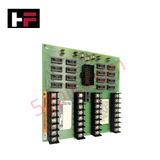
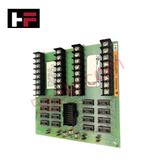
Product Details
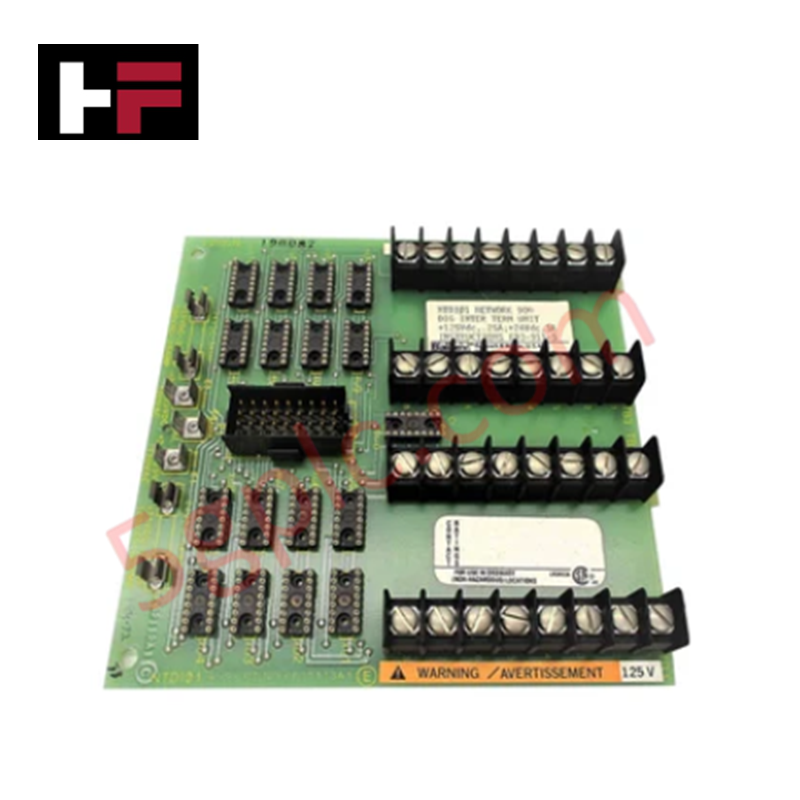
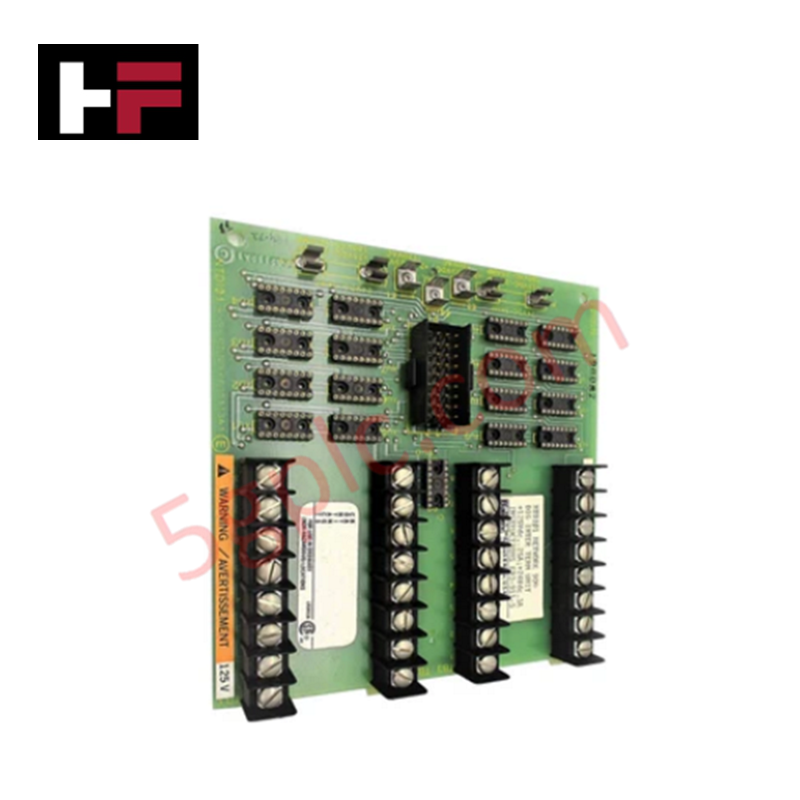
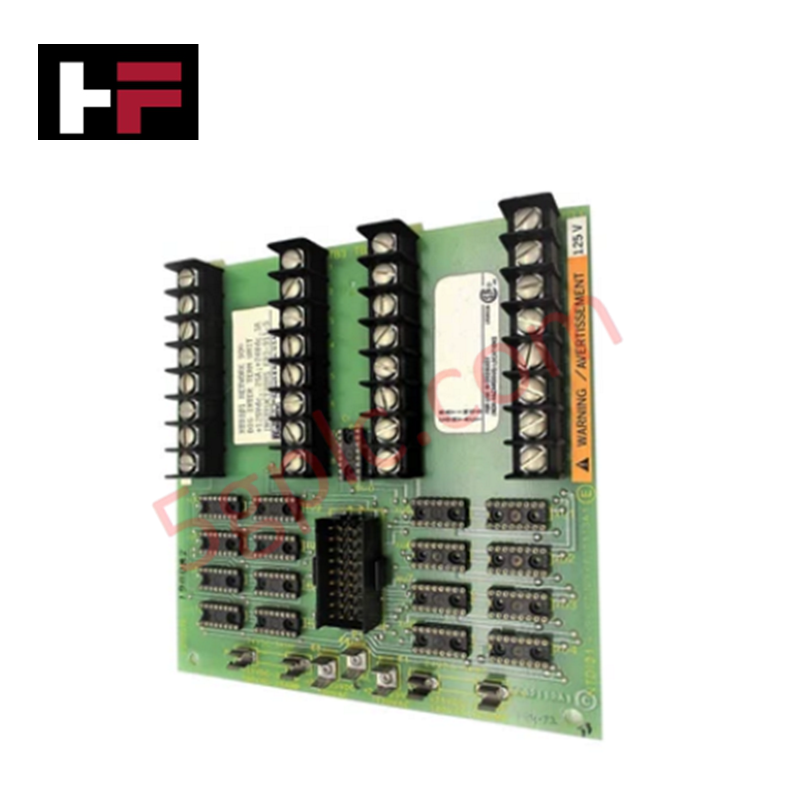
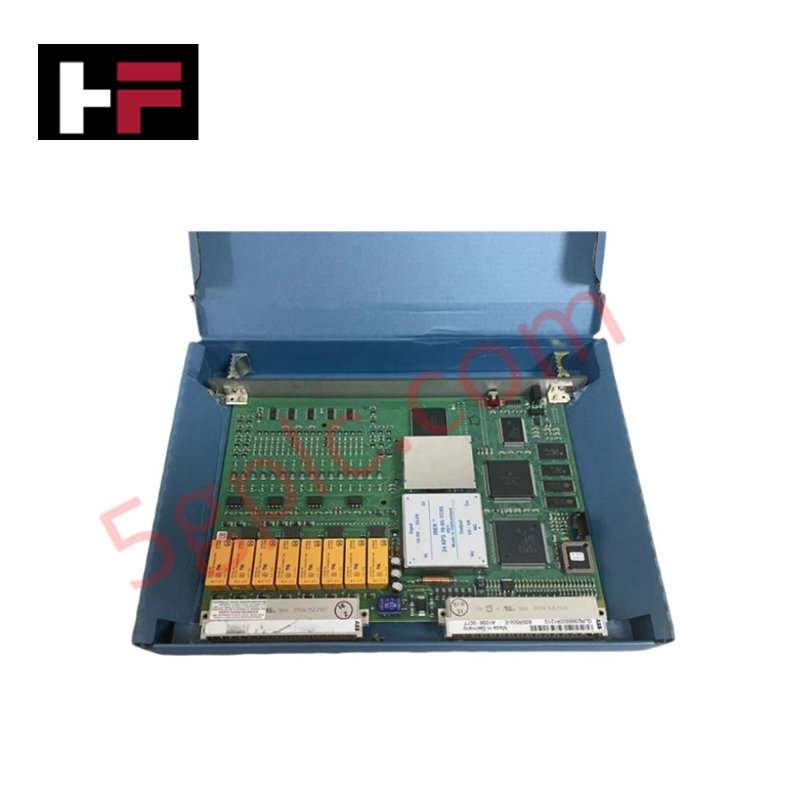
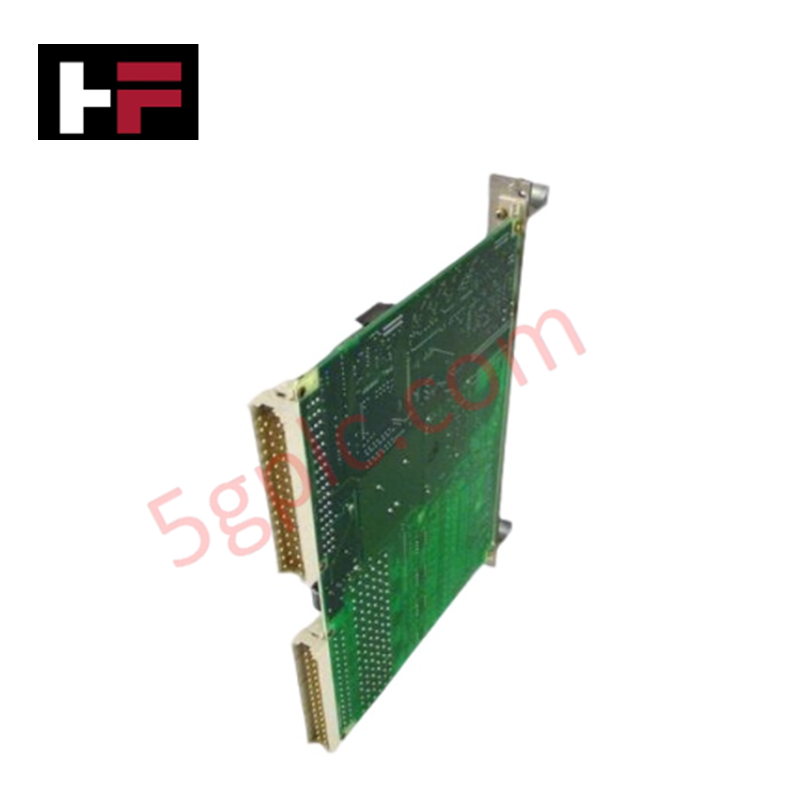
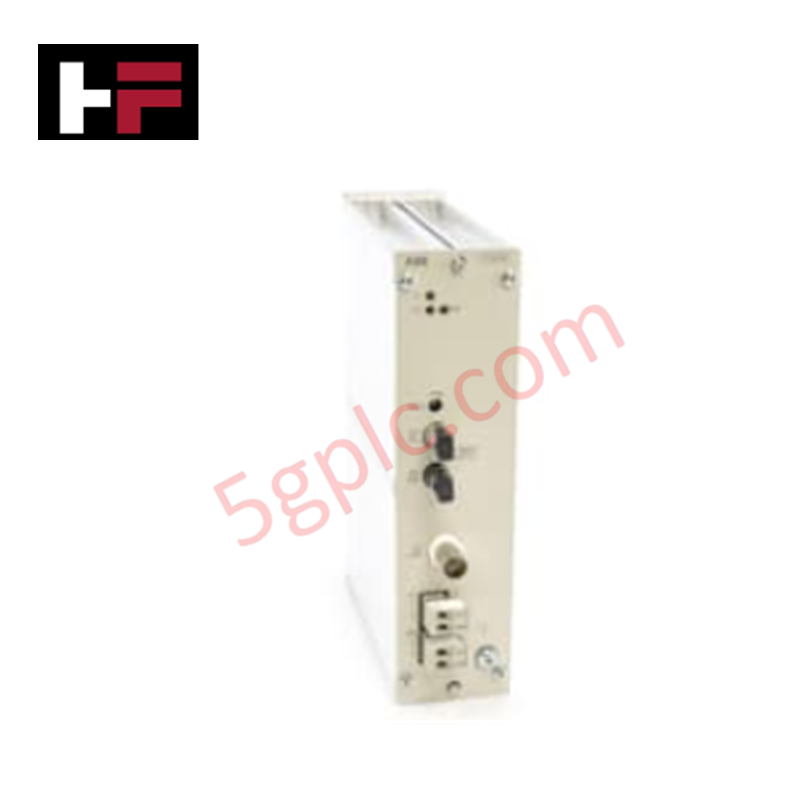
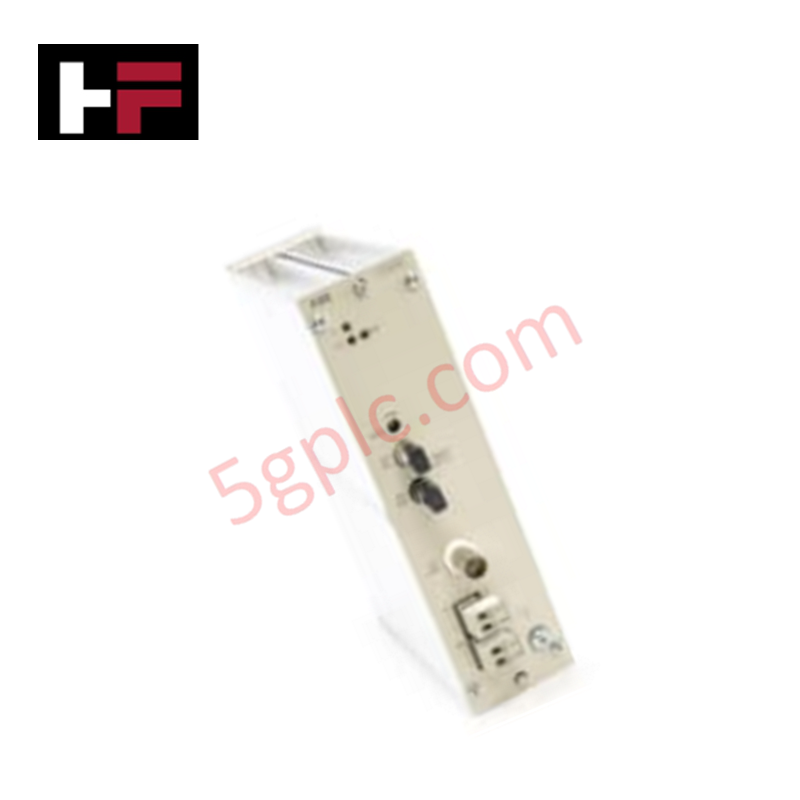
The ABB NTDIO1-V5, also cataloged as the NTDIO1 Digital I/O Termination Unit, operates as a dedicated hardware component for discrete signal field wiring routing within INFI 90 Process Management System architectures.
Hardware Specifications
| Parameter | Specification |
|---|---|
| Model | NTDIO1-V5 |
| Brand | ABB Bailey |
| Origin | USA |
| Weight | 0.32 kg |
| Dimensions | 48.3 mm x 25.4 mm x 10.2 mm |
| Operating Temp | 0 to +55 deg C (Standard industrial range) |
| Power Consumption | Passive block component / System backplane referenced |
| Nominal I/O Voltage | 24 VDC |
| Signal Channel Type | Digital Input / Digital Output field paths |
| Transient Rejection | Integrated electrical noise and transient suppression circuits |
| Form Factor | Compact multi-point interface block |
Channel-to-Channel Isolation and Process Loops
The terminal sub-assembly routes distinct 24 VDC binary signal tracks between the process field infrastructure and the central multi-function controller cards. To prevent common-mode noise transfer across high-density connection matrices, specific circuit traces utilize embedded channel-to-channel isolation parameters. Ground plane loops block inductive spikes generated by field-side switching elements, shielding the inner processing registers from signal degradation and tracking fluctuations during sequential command steps.
Frequently Asked Questions
Q: What limitations govern the hot-swap handling of field signal connections on the NTDIO1-V5 block?
A: The physical termination board is a passive structural block that remains live when system power is active. Field wiring loops carrying 24 VDC loads should be disconnected or current-isolated before extraction to prevent contact arcing across terminal tracks or unintended channel logic state toggling on the controller module.
Q: How does the integrated circuit protect the primary processor from field-side electrical surges?
A: The module contains inline suppression components across each parallel channel. These pathways absorb voltage transients and suppress high-frequency electromagnetic interference (EMI) on the 24 VDC lines before the transient energy can cross the cabinet cable assemblies and enter the system bus.
Field Installation Guidelines
- Mounting Orientation: Fix the termination unit onto the assigned mounting framework within the control enclosure cabinet. Check physical clearance variables against adjacent blocks to facilitate correct cable loop bend radiuses.
- Shielding and Ground Rules: Strip field cables according to standard wire terminal constraints. Fasten signal cable shields to the dedicated cabinet ground strip using low-impedance configurations to optimize transient attenuation.
- Terminal Screw Tightening: Secure all process wire connections to the terminal blocks without exceeding the manufacturer's rated torque limits to prevent hardware strip failure or intermittent structural continuity.
Additional Information
- 100% Genuine Parts: All products are original and authentic, ensuring reliable industrial performance.
- 30-Day Refund Guarantee: Return any in-stock item within 30 days in original, unopened packaging for a full refund (excluding shipping and fees).
- 12-Month Warranty: Covers defects in materials or workmanship; excludes misuse, normal wear, or unauthorized modifications.
- Worldwide Shipping: We ship via USPS, UPS, FedEx, and DHL. Delivery times vary by country and may be subject to customs or import fees.
- Support & Contact: Technical and warranty assistance is available anytime. Contact us here: Contact.
- Purchase Guidance: Check product specifications and compatibility carefully before ordering to ensure proper application.
Tech & Buying Guide

Transforming Shop Floor Data into Actionable Insights: A Deep Dive into MES
Manufacturing Execution Systems serve as the digital backbone of modern factory floors. Positioned at Level 3 of the ISA-95 automation pyramid, MES links enterprise resource planning with real-time shop floor control systems. Today, industrial operators rely on MES software to bridge operational strategy with physical production execution.
Managed Switch vs. Unmanaged Switch: Industrial Ethernet Architecture

Hot Standby vs. Cold Standby Redundancy in Industrial Automation
System availability determines process safety and productivity in industrial automation. Control engineers deploy redundancy to eliminate single points of failure. This technical guide evaluates Hot Standby vs. Cold Standby architectures, comparing failover speeds, memory sync, cost trade-offs, and field selection criteria.