

Product Details
Description
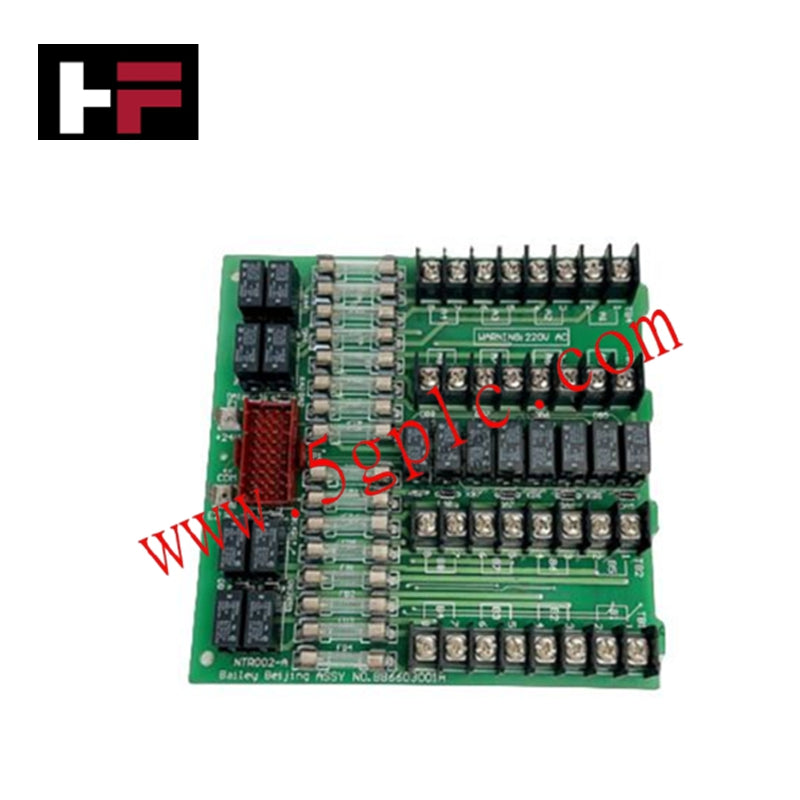
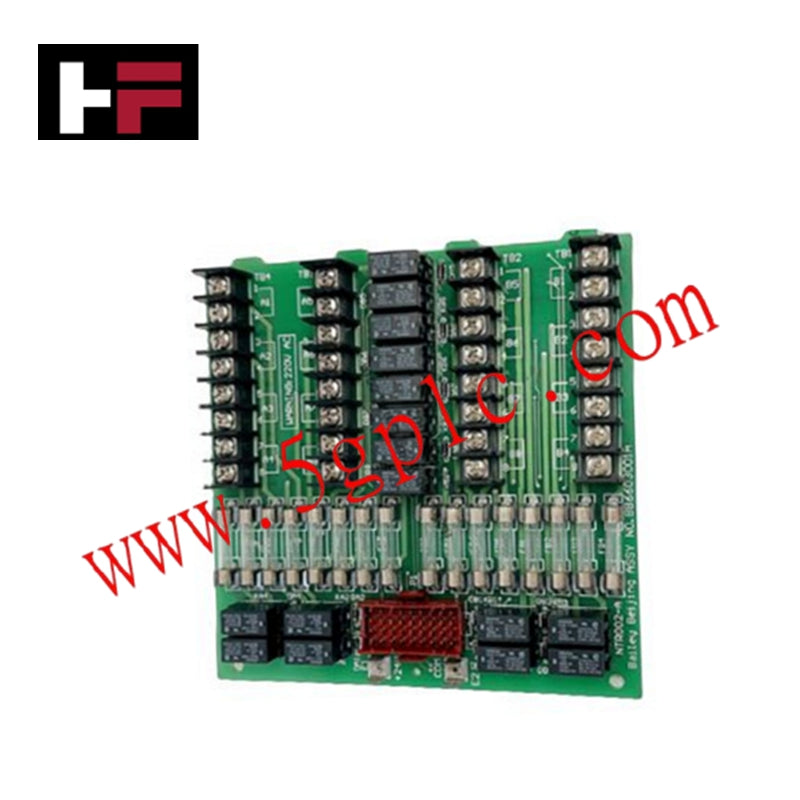
The ABB NTR002-A is a dedicated temperature sensor interface engineered for the Bailey INFI 90 and Symphony Plus control platforms. It acts as a high-precision bridge between field-mounted Resistance Temperature Detectors (RTDs) and the system's input processing logic. This module is essential for converting low-level resistance signals into accurate digital data, ensuring reliable thermal monitoring for boilers, turbines, and chemical reactors. By providing specialized signal conditioning and noise rejection, the NTR002-A maintains tight process control in demanding industrial environments.
Specifications
-
Brand: ABB Bailey
-
Model Number: NTR002-A
-
Product Series: INFI 90 / Symphony Plus
-
Input Compatibility: Supports 2-wire, 3-wire, and 4-wire RTD configurations
-
Supported Sensors: Platinum (Pt100), Copper (Cu10), and Nickel (Ni120) types
-
Signal Conditioning: Integrated linearization and resistance compensation
-
Mounting: Standard Bailey modular rack assembly
-
Weight: 0.52 kg
-
Power Requirements: Low-power consumption via system backplane
-
Isolation: Optical and galvanic isolation between field and logic circuits
Features
-
Precision Linearization: Automatically corrects sensor-specific non-linearity to deliver high-accuracy temperature data across a broad measurement spectrum.
-
Lead Wire Compensation: Utilizes 3-wire and 4-wire techniques to eliminate measurement errors caused by long-distance field cabling resistance.
-
Fault Detection Capabilities: Includes built-in diagnostics to identify sensor failures, open circuits, or shorted leads, alerting the control system immediately.
-
Industrial Noise Immunity: Optimized filtering circuitry prevents electromagnetic interference (EMI) from corrupting sensitive thermal signals.
-
Dynamic Range Support: Capable of handling a wide variety of temperature ranges through software-configurable gain and offset parameters.
-
Durable Construction: Designed with industrial-grade components to ensure a long operational lifespan within harsh control cabinet environments.
Additional Information
- 100% Genuine Parts: All products are original and authentic, ensuring reliable industrial performance.
- 30-Day Refund Guarantee: Return any in-stock item within 30 days in original, unopened packaging for a full refund (excluding shipping and fees).
- 12-Month Warranty: Covers defects in materials or workmanship; excludes misuse, normal wear, or unauthorized modifications.
- Worldwide Shipping: We ship via USPS, UPS, FedEx, and DHL. Delivery times vary by country and may be subject to customs or import fees.
- Support & Contact: Technical and warranty assistance is available anytime. Contact us here: Contact.
- Purchase Guidance: Check product specifications and compatibility carefully before ordering to ensure proper application.






Tech & Buying Guide

Voice-Activated Industrial Automation: Integrating Speech Control into PLC and DCS Architectures
Industrial automation integrates speech recognition, IIoT protocols, and NLP with PLCs and DCS to streamline operations. By leveraging advanced edge computing, engineers enable real-time, hands-free control—allowing personnel to manage smart factory processes safely away from hazardous equipment.
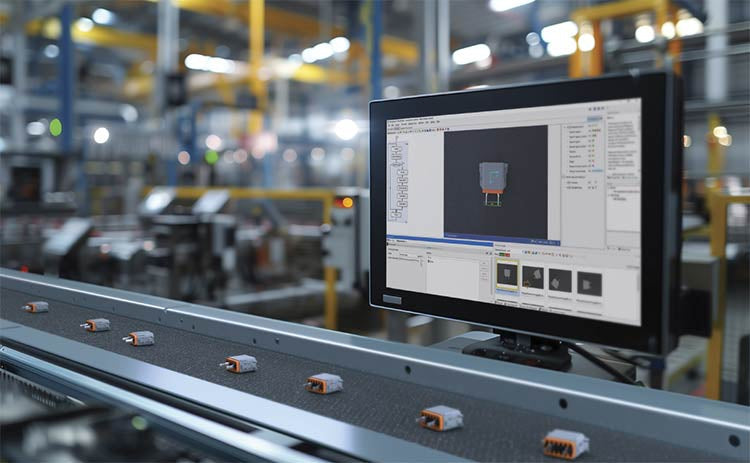
Modern Industrial Automation: Transforming Safety and Efficiency in Mining Operations
Industrial automation has evolved from a simple manufacturing tool into the operational backbone of high-risk sectors. Modern mining operations increasingly rely on advanced control systems, programmable logic controllers (PLCs), distributed control systems (DCS), and artificial intelligence to address deep-underground hazards. By replacing manual labor in high-risk zones, factory automation technologies protect personnel while significantly boosting operational throughput.