










Product Details
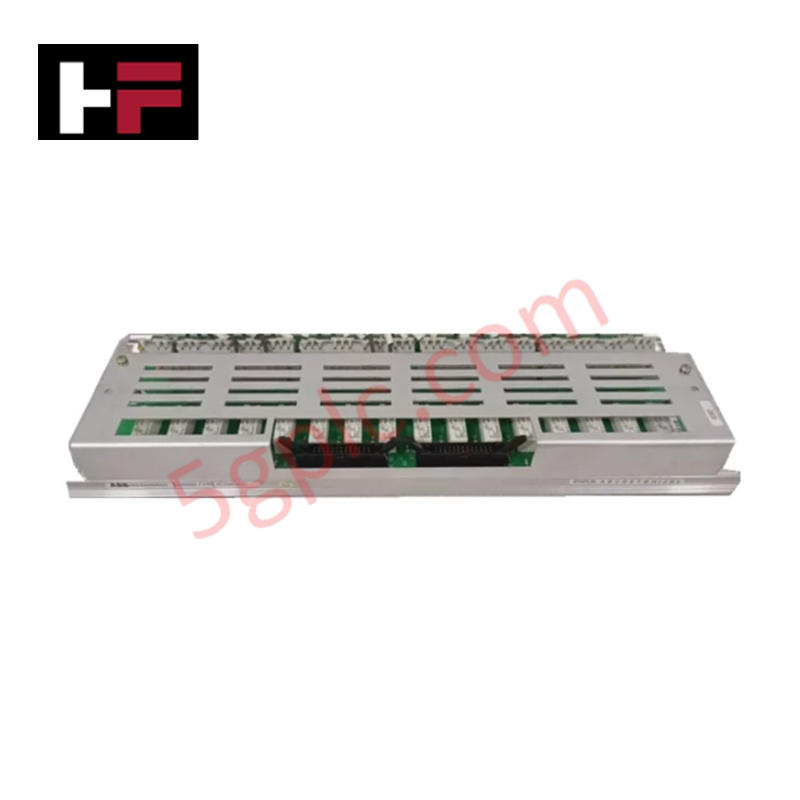
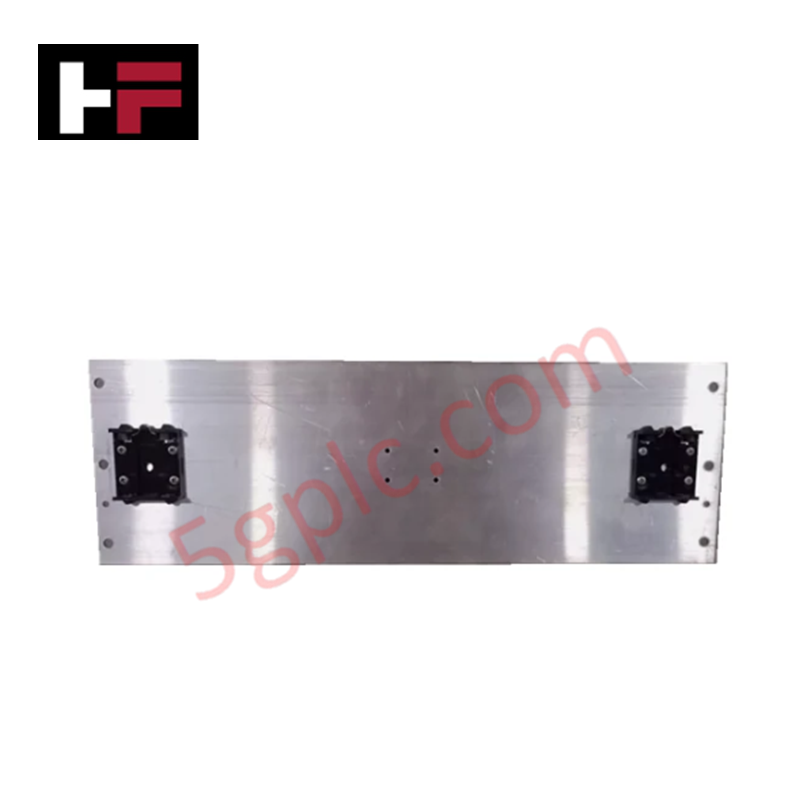
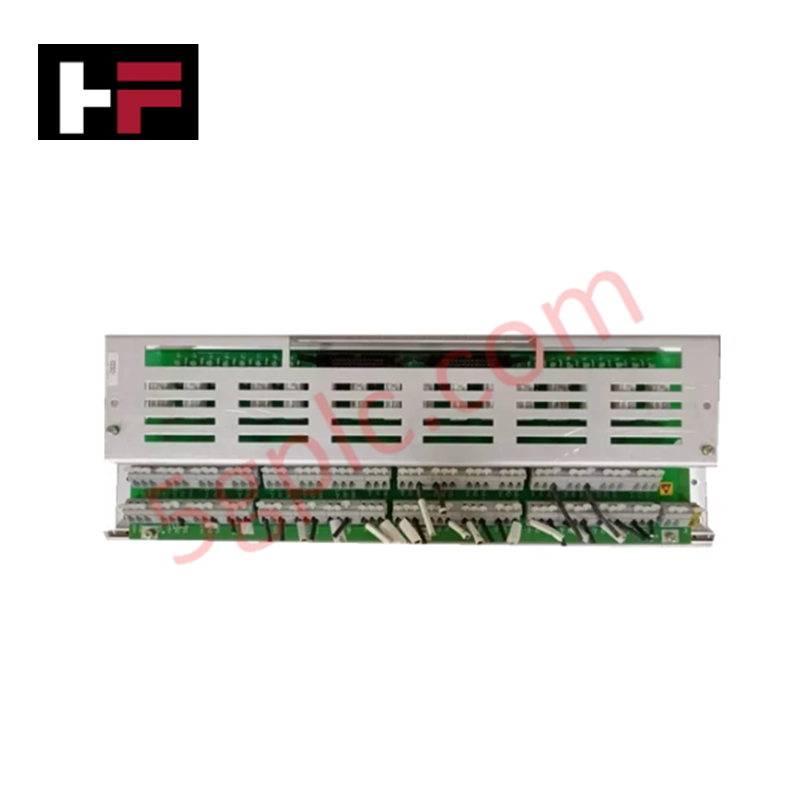
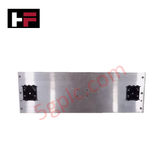
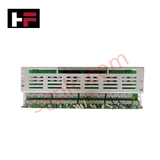
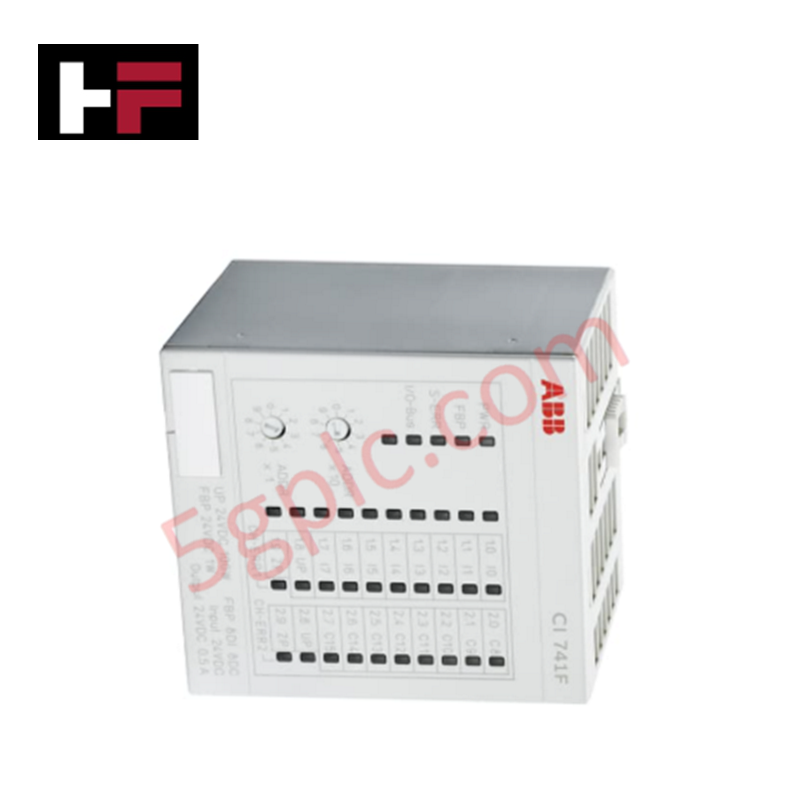
The ABB AR C093 AE01 HIEE300690R0001 serves as the primary AR C093 AE01 Relay Output Card utilized to execute electromechanical switching and discrete output signal isolation across ABB automation platforms. It converts internal digital bus logic commands into physical contact closures to drive interposing relays, solenoid valves, and external alarm circuits. The card processes multi-channel binary output commands, providing galvanic isolation between system backplane electronics and external field contact loads.
Hardware Specifications
| Parameter | Specification |
|---|---|
| Model | AR C093 AE01 HIEE300690R0001 |
| Brand | ABB |
| Origin | Switzerland |
| Weight | 0.76 kg (1.68 lbs) net |
| Dimensions | 180 mm x 80 mm x 480 mm (7.09 in x 3.15 in x 18.90 in) |
| Operating Temp | 0 to +60 deg C (Storage: -40 to +70 deg C) |
| Power Consumption | Supplied via rack backplane bus |
| Output Type | Discrete electromechanical relay contacts |
| Signal Isolation | Channel-to-backplane galvanic isolation |
| Form Factor | Rack-mounted printed circuit board assembly |
| Degree of Protection | IP00 (installed within IP20 chassis/rack) |
Backplane Bus Communication Velocity and I/O Density Scaling
The AR C093 AE01 relay card scales output channel density within standard system subracks, operating under synchronized backplane bus communication velocity. Internal logic decodes control frame addresses from the main processor with minimal delay, executing coil energization sequences across all output channels simultaneously. High channel-to-channel and channel-to-bus galvanic isolation shields sensitive processing logic from field voltage transients and inductive switching spikes during relay contact actuation.
Frequently Asked Questions
Q: Can the AR C093 AE01 card be removed or installed under live backplane power?
A: No. Backplane power must be completely isolated prior to inserting or extracting the module to prevent electrical arcing across edge connectors and potential corruption of system bus traffic.
Q: What mechanisms protect the internal logic from field load switching transients?
A: The card incorporates optocouplers and dedicated relay coil driver circuits that provide physical and electrical isolation between the high-voltage field switching contacts and low-voltage backplane control signals.
Q: How is the functional state of individual relay output channels verified?
A: Channel status is indicated via front-panel diagnostic light-emitting diodes (LEDs) that illuminate upon energization of the corresponding output relay coil.
Field Installation Guidelines
- Power down the subrack and isolate all external field voltage sources wired to the terminal block before inserting the card assembly into its designated rack slot.
- Align the printed circuit board edges with the top and bottom card guides of the subrack, sliding the card smoothly inward until the backplane connectors seat completely.
- Tighten front panel retaining screws to secure the module against vibration and establish chassis frame grounding contact.
- Route discrete output field wiring separately from low-level analog or communication bus cables, maintaining a minimum separation distance of 200 mm to suppress inductive cross-talk.
- Connect external inductive loads (such as solenoid coils or contactors) with freewheeling diodes for DC circuits or RC suppressors for AC circuits across field contacts to suppress arc discharge and extend contact operating life.
Additional Information
- 100% Genuine Parts: All products are original and authentic, ensuring reliable industrial performance.
- 30-Day Refund Guarantee: Return any in-stock item within 30 days in original, unopened packaging for a full refund (excluding shipping and fees).
- 12-Month Warranty: Covers defects in materials or workmanship; excludes misuse, normal wear, or unauthorized modifications.
- Worldwide Shipping: We ship via USPS, UPS, FedEx, and DHL. Delivery times vary by country and may be subject to customs or import fees.
- Support & Contact: Technical and warranty assistance is available anytime. Contact us here: Contact.
- Purchase Guidance: Check product specifications and compatibility carefully before ordering to ensure proper application.






Tech & Buying Guide
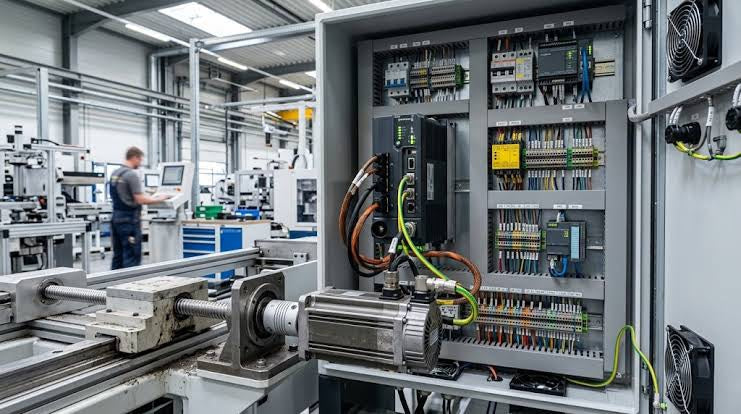
Demystifying Programmable Logic Controllers: Comprehensive Guide to PLC Classification and Selection in Industrial Automation
Modern industrial automation heavily relies on Programmable Logic Controllers (PLCs) to drive factory floor efficiency. Over my 15 years as an industrial automation expert working with DCS, TSI, and control systems, I have seen PLCs evolve into the central nervous system of modern manufacturing. Selecting the right controller requires a deep understanding of PLC types based on physical size, hardware architecture, and power supply configurations.

Comprehensive Guide to PLC Types in Modern Industrial Automation
Modern industrial automation relies on programmable logic controllers to govern critical factory operations. System integrators classify PLCs based on scale, hardware architecture, and power supply design. Understanding these core categories enables automation engineers to select the right control system architecture. Consequently, proper hardware selection optimizes performance while minimizing long-term operational costs.

Demystifying the DDE Protocol in Legacy Industrial Automation Systems
Modern control systems rely heavily on seamless interprocess communication to exchange operational data between software programs. Microsoft first introduced the Dynamic Data Exchange (DDE) protocol in 1987 to enable real-time data sharing. In factory automation, DDE served as an early bridge between control software and Windows desktop applications. Therefore, understanding DDE mechanics provides crucial insights into how legacy industrial networks established software-level connectivity.