










Product Details
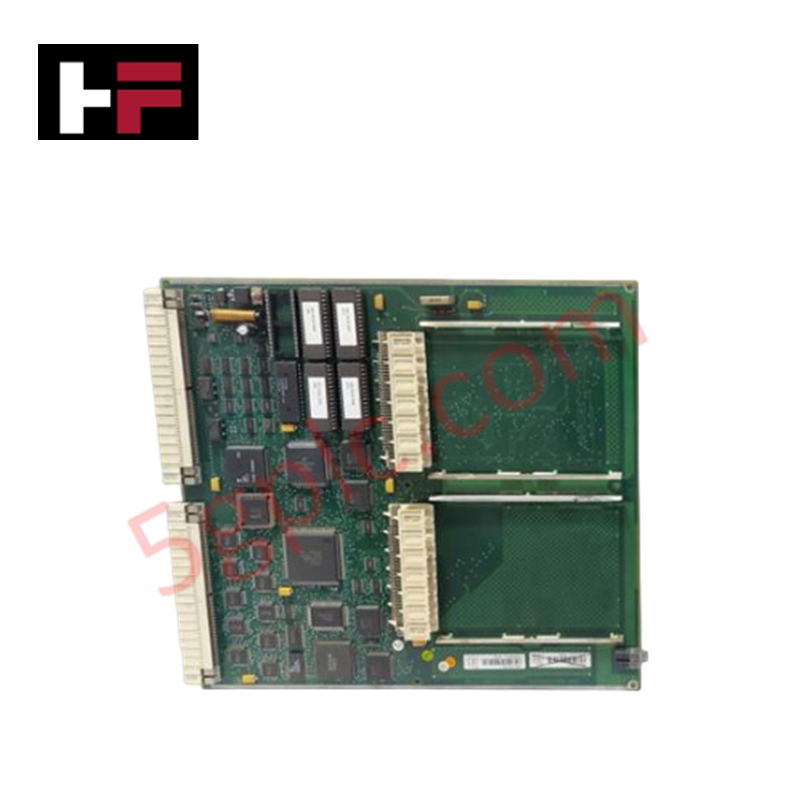
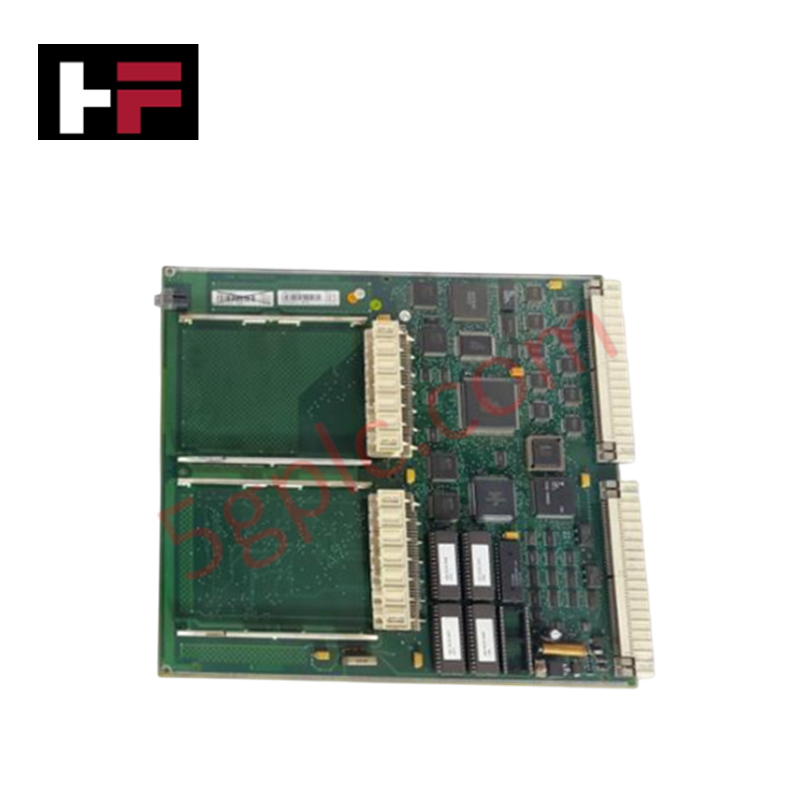
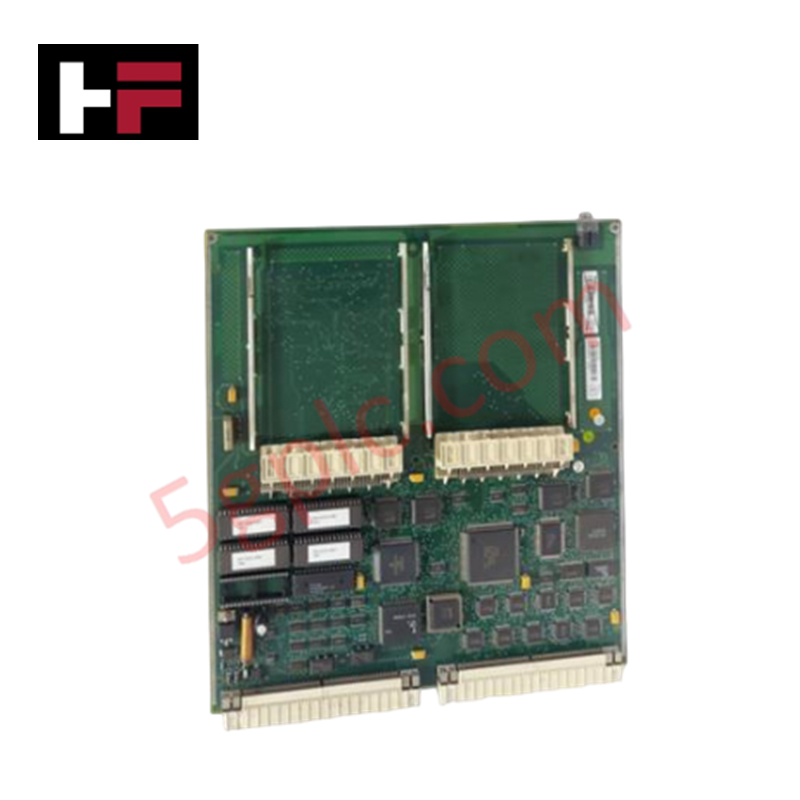
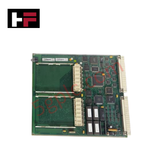
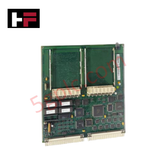
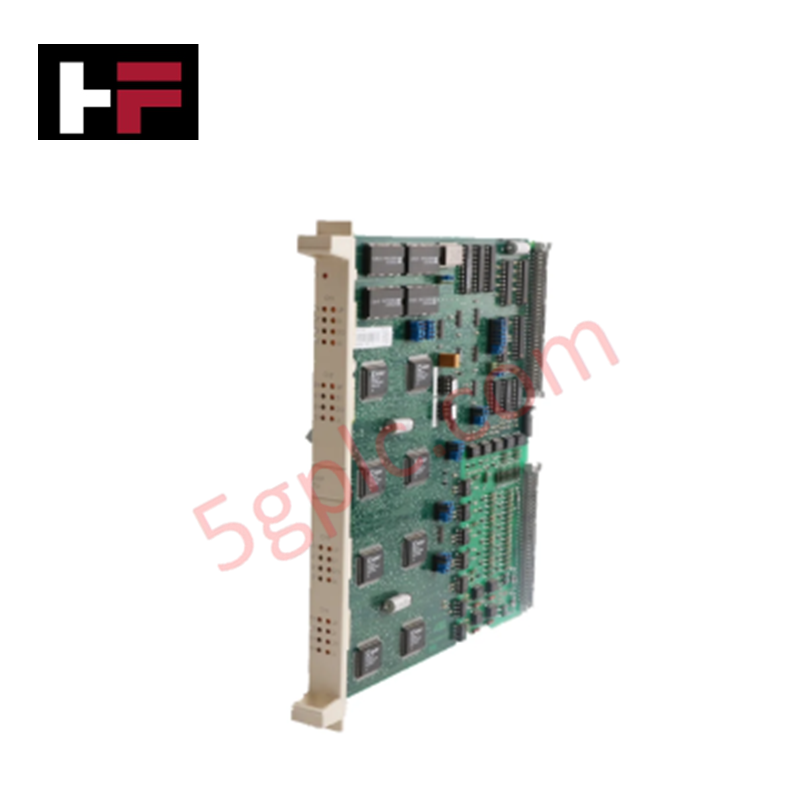
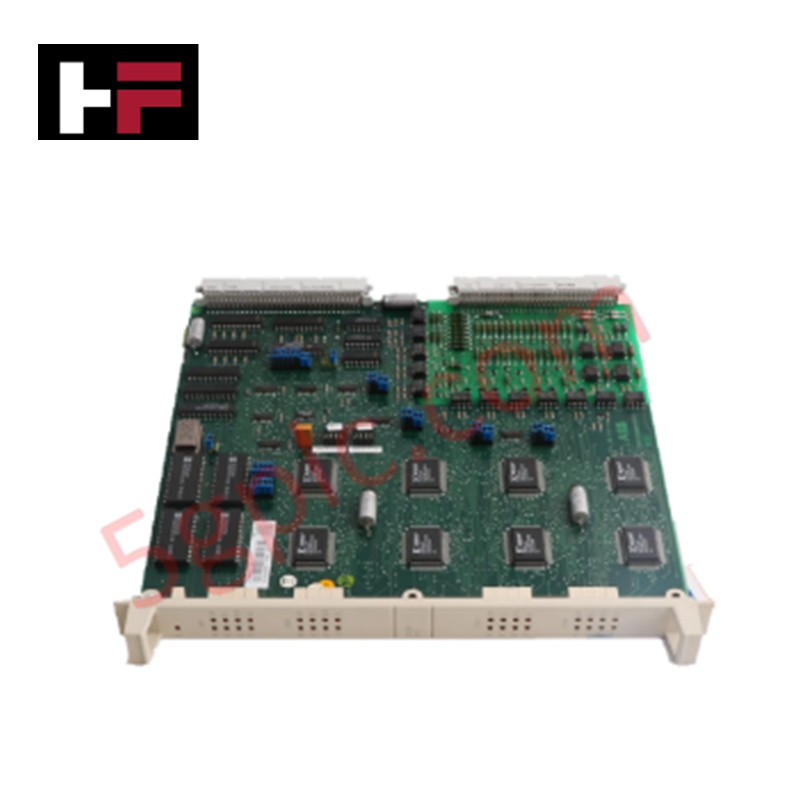
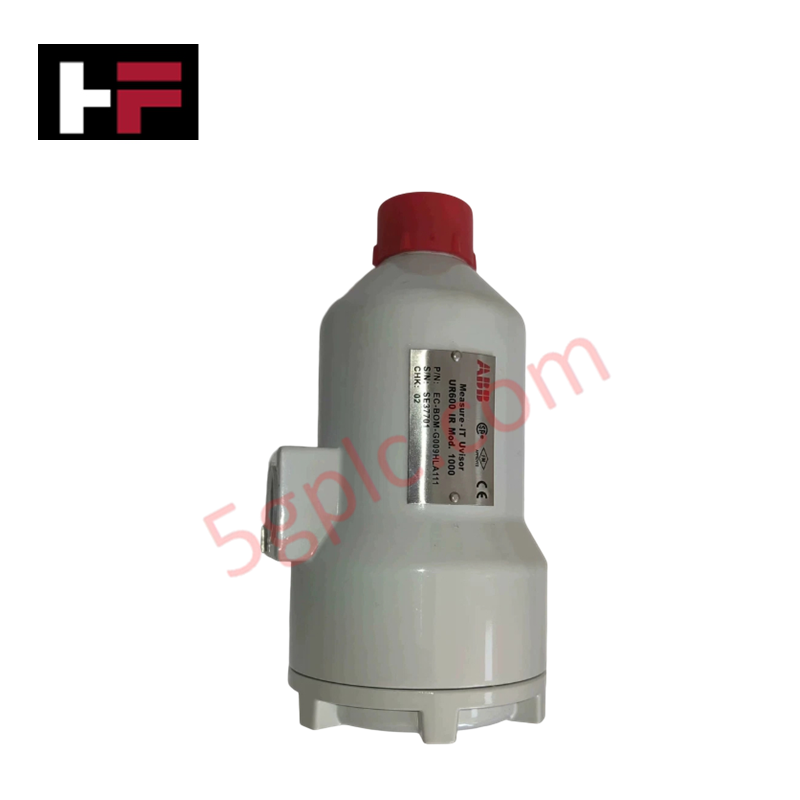
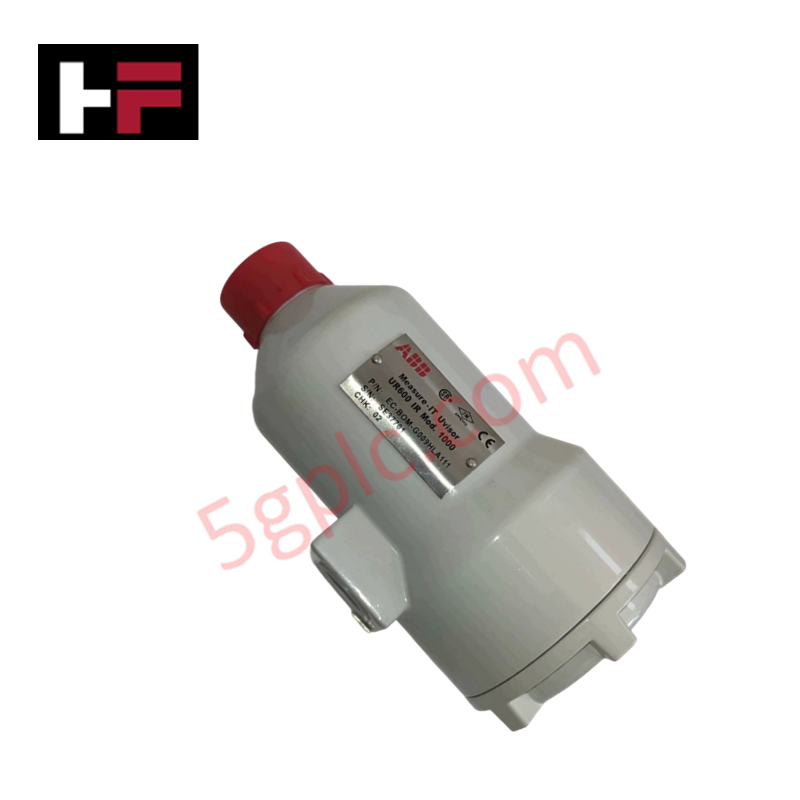
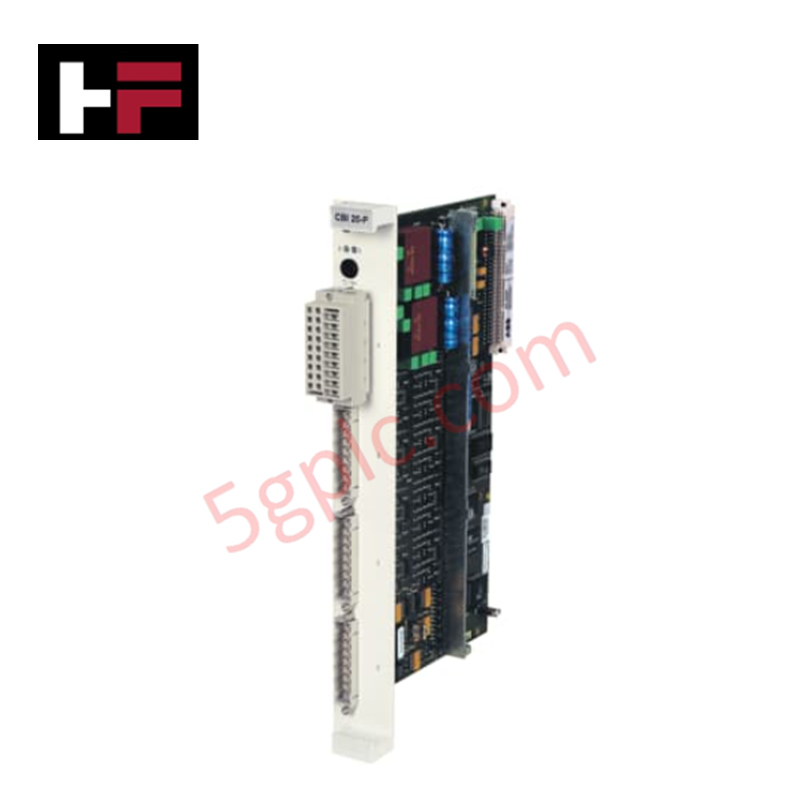
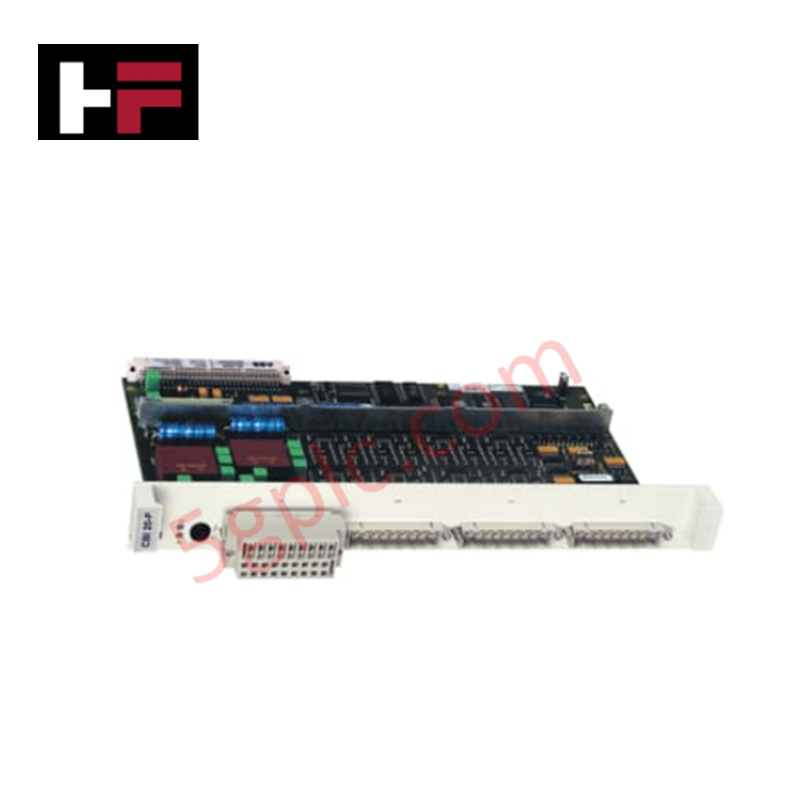
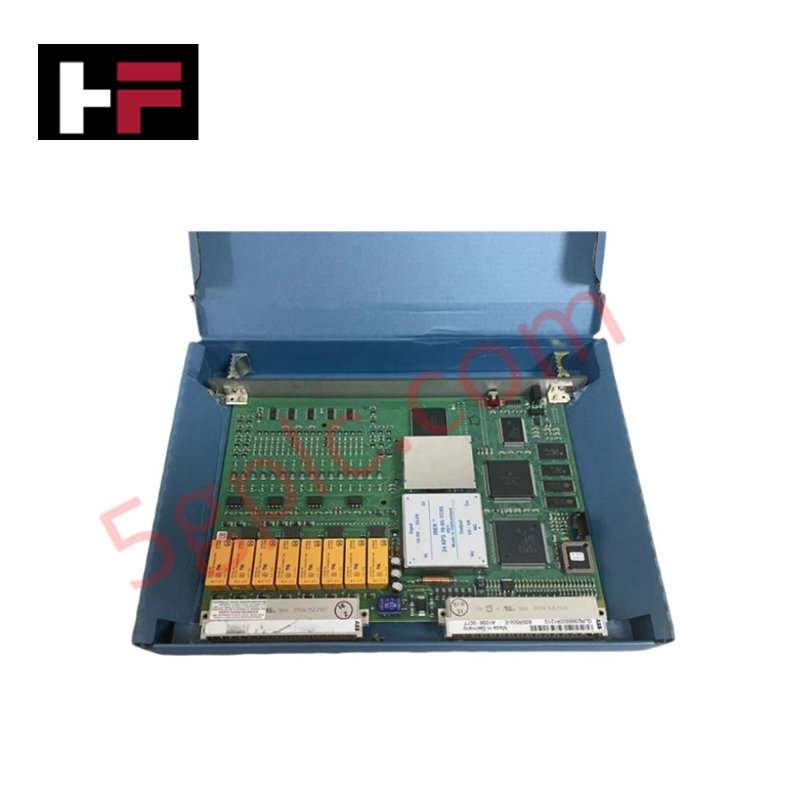
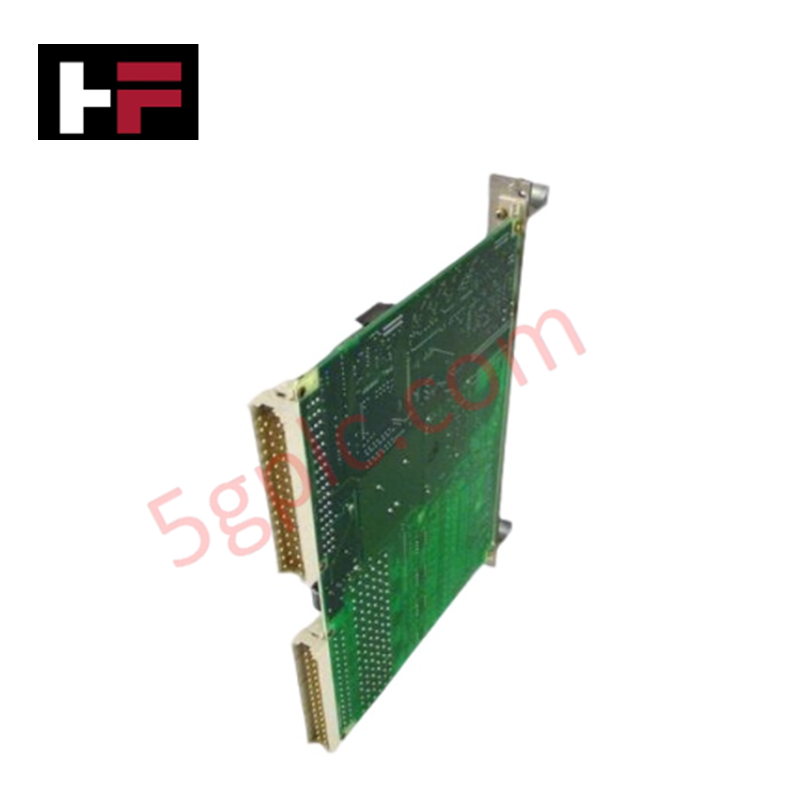
The ABB 3BSE016237R1, also cataloged as the SC520M Submodule, operates as a dedicated hardware component for localized control logic execution within ABB Advant OCS platforms. This module functions as a submodule carrier equipped with an integrated local CPU, executing physical and electrical network interfacing with direct protocol validation for MB300 and MB300E master bus communication networks.
Hardware Specifications
| Parameter | Specification |
|---|---|
| Model | 3BSE016237R1 SC520M |
| Brand | ABB |
| Origin | Sweden |
| Weight | 0.742 kg (Net) / 1.0 kg (Gross) |
| Dimensions | 30 mm x 300 mm x 291 mm |
| Alternative Reference | SC520 in Marine Version |
| Operating Temp | 0 to 55 deg C (Standard marine/industrial baseline) |
| Power Consumption | System rack backplane-driven |
| Network Support | MB300, MB300E Master Bus Protocol |
| Product Type | CPU Processors |
Profinet / EtherNet/IP Deterministic Networks and Firmware Flash Compatibility
The hardware architecture of the ABB 3BSE016237R1 SC520M coordinates data stream routing between the local processor core and peer nodes. When industrial setups require bridging the legacy MB300 serial network over to modern Profinet or EtherNet/IP deterministic networks, the carrier module processes packet alignment to maintain synchronous scan execution. Processing stability across extended rack configurations is dependent on rigorous validation of the host controller firmware flash compatibility, preventing data buffer contention during aggressive I/O density scaling routines.
Frequently Asked Questions
Q: Does the SC520M submodule support live insertion or extraction while the host carrier rack remains energized?
A: No. The SC520M must be powered down entirely prior to insertion or removal. Hot-swapping this local CPU assembly can induce electrical transient tracking on the backplane connector pins, corrupting active register maps and causing immediate halting of the local master bus network.
Q: What technical provisions differentiate this marine version from standard SC520 configurations?
A: The SC520M features specialized conformal coating on the substrate board to resist moisture degradation, along with reinforced mechanical layout optimizations designed to withstand the persistent low-frequency vibration typical of shipboard processing environments.
Field Installation Guidelines
- Electrostatic Discharge (ESD) Measures: Installation engineers must wear a properly grounded ESD wrist strap when opening the protective packaging or handling the substrate board to prevent catastrophic dielectric breakdown of the on-board logic IC components.
- Mechanical Insertion Sequence: Ensure all primary rack power connections are decoupled. Insert the module carefully along the card guide tracks to prevent pin deformation. Once seated completely into the backplane, torque all faceplate retention screws to design specification.
- Communication Line Shielding: Connect all MB300 network coaxial cable shields directly to the designated instrument chassis grounding bus bar. Do not route data cables alongside high-voltage AC conductors to prevent inductive cross-talk.
- Thermal Clearance Limits: Maintain clear vertical and horizontal ventilation pathways inside the enclosure cabinet to support passive convection cooling, keeping the operational temperature below the 55 deg C ceiling.
Additional Information
- 100% Genuine Parts: All products are original and authentic, ensuring reliable industrial performance.
- 30-Day Refund Guarantee: Return any in-stock item within 30 days in original, unopened packaging for a full refund (excluding shipping and fees).
- 12-Month Warranty: Covers defects in materials or workmanship; excludes misuse, normal wear, or unauthorized modifications.
- Worldwide Shipping: We ship via USPS, UPS, FedEx, and DHL. Delivery times vary by country and may be subject to customs or import fees.
- Support & Contact: Technical and warranty assistance is available anytime. Contact us here: Contact.
- Purchase Guidance: Check product specifications and compatibility carefully before ordering to ensure proper application.


Tech & Buying Guide

Transforming Shop Floor Data into Actionable Insights: A Deep Dive into MES
Manufacturing Execution Systems serve as the digital backbone of modern factory floors. Positioned at Level 3 of the ISA-95 automation pyramid, MES links enterprise resource planning with real-time shop floor control systems. Today, industrial operators rely on MES software to bridge operational strategy with physical production execution.

Managed Switch vs. Unmanaged Switch: Industrial Ethernet Architecture

Hot Standby vs. Cold Standby Redundancy in Industrial Automation
System availability determines process safety and productivity in industrial automation. Control engineers deploy redundancy to eliminate single points of failure. This technical guide evaluates Hot Standby vs. Cold Standby architectures, comparing failover speeds, memory sync, cost trade-offs, and field selection criteria.