










Product Details
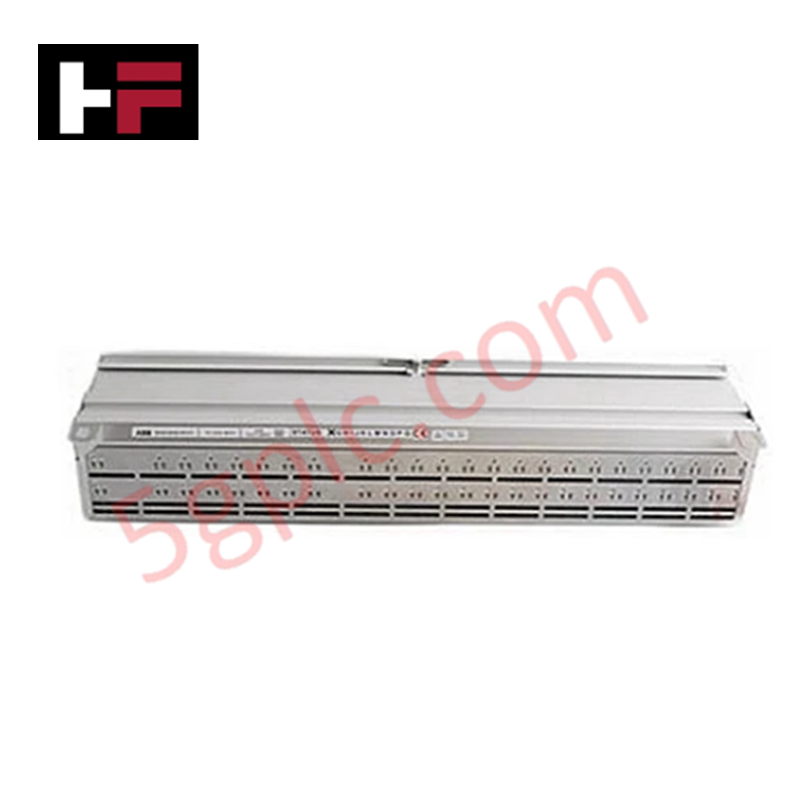
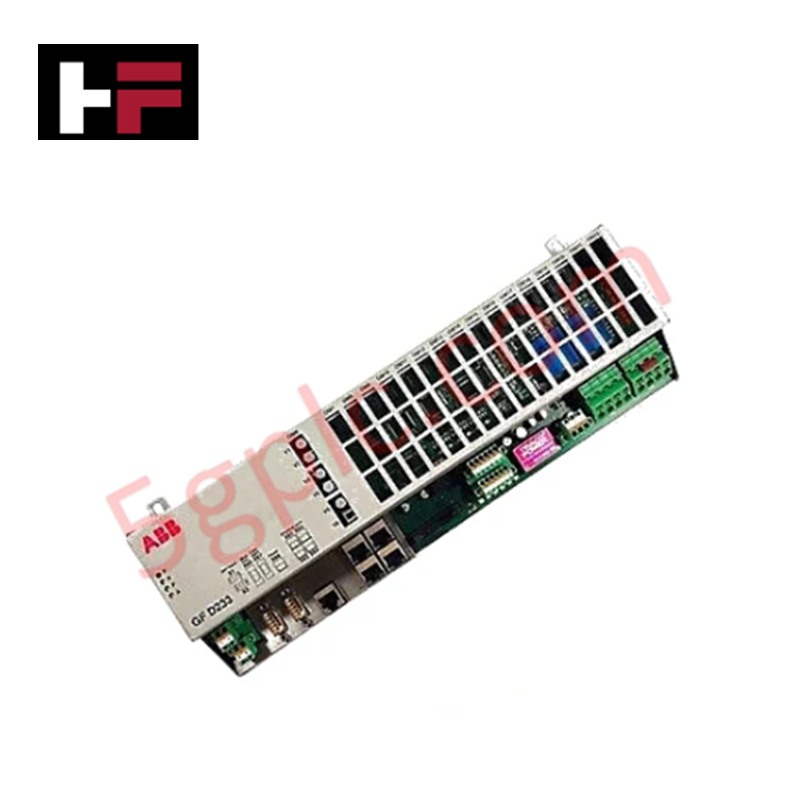
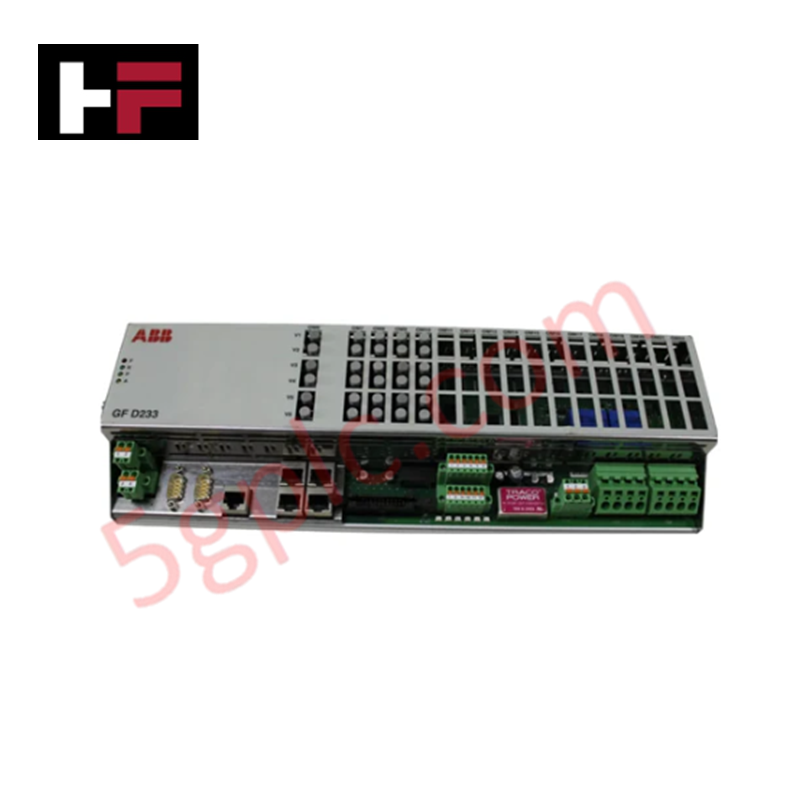
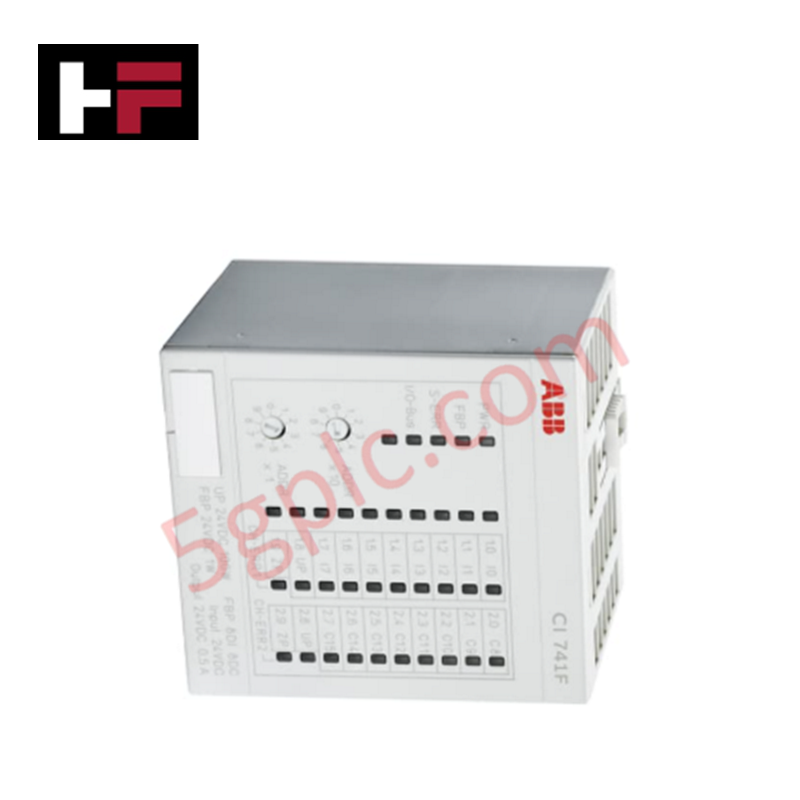
Configured for signal routing in industrial control platforms, the ABB GFD233A (3BHE022293R0101 Interface Module) provides direct physical signal processing through its 32-channel configurable I/O architecture.
Hardware Specifications
| Parameter | Specification |
|---|---|
| Model | GFD233A |
| Brand | ABB |
| Part Number | 3BHE022293R0101 |
| Origin | Not specified |
| Weight | Not specified |
| Dimensions | Not specified |
| Operating Temp | -20 deg C to 70 deg C |
| Power Consumption | 10 W |
| I/O Capacity | 32 Channels |
| Power Supply | 24 V DC |
Backplane bus communication velocity and firmware compatibility
The GFD233A module maintains deterministic backplane bus communication velocity to ensure synchronization across its 32 configurable channels. Firmware flash compatibility is governed by the host controller's specific software version; users must confirm that the module's revision supports the intended digital/analog I/O mapping configuration to avoid register access errors. The module architecture includes I/O density scaling logic to manage high-speed signal updates across its channel array. Performance depends on maintaining bus cycle stability as defined by the host controller environment.
Frequently Asked Questions
Q: Does the GFD233A support hot-swapping under load?
A: Yes, the module design supports hot-swapping, allowing for replacement without system downtime. Ensure the backplane power is stable before and during the engagement of the module to prevent transient data errors.
Q: What are the environmental constraints for this module?
A: The module is specified for operation within -20 deg C to 70 deg C. It is rated for 5 to 95 percent relative humidity (non-condensing) and must be installed in an environment free of conductive dust to prevent internal short circuits.
Field Installation Guidelines
- DIN-Rail Mounting: Secure the module onto a standard 35 mm DIN rail. Ensure the locking latch is fully engaged to maintain mechanical stability against the 5 g, 11 ms shock specification.
- Wiring Termination: Utilize shielded cables for analog inputs to mitigate electromagnetic interference (EMI). Terminate shields at the cabinet ground bar to prevent ground loops.
- Power Supply: Connect the 24 V DC power supply through an appropriate overcurrent protection device. Ensure the common return path is referenced to the system earth ground.
- Thermal Management: While the module dissipates 10 W, ensure adequate vertical clearance in the cabinet to facilitate convection airflow, especially when multiple modules are grouped in high-density configurations.
- Vibration Compliance: Ensure all terminal screws are tightened to the specified torque. In high-vibration applications (up to 0.5 g RMS), verify the mechanical security of the module on the DIN rail periodically.
Additional Information
- 100% Genuine Parts: All products are original and authentic, ensuring reliable industrial performance.
- 30-Day Refund Guarantee: Return any in-stock item within 30 days in original, unopened packaging for a full refund (excluding shipping and fees).
- 12-Month Warranty: Covers defects in materials or workmanship; excludes misuse, normal wear, or unauthorized modifications.
- Worldwide Shipping: We ship via USPS, UPS, FedEx, and DHL. Delivery times vary by country and may be subject to customs or import fees.
- Support & Contact: Technical and warranty assistance is available anytime. Contact us here: Contact.
- Purchase Guidance: Check product specifications and compatibility carefully before ordering to ensure proper application.






Tech & Buying Guide

Top 5 Operational Advantages of HMIs in Modern Factory Automation

Importance of Safety Barriers in PLC and DCS Control Systems
