




Product Details
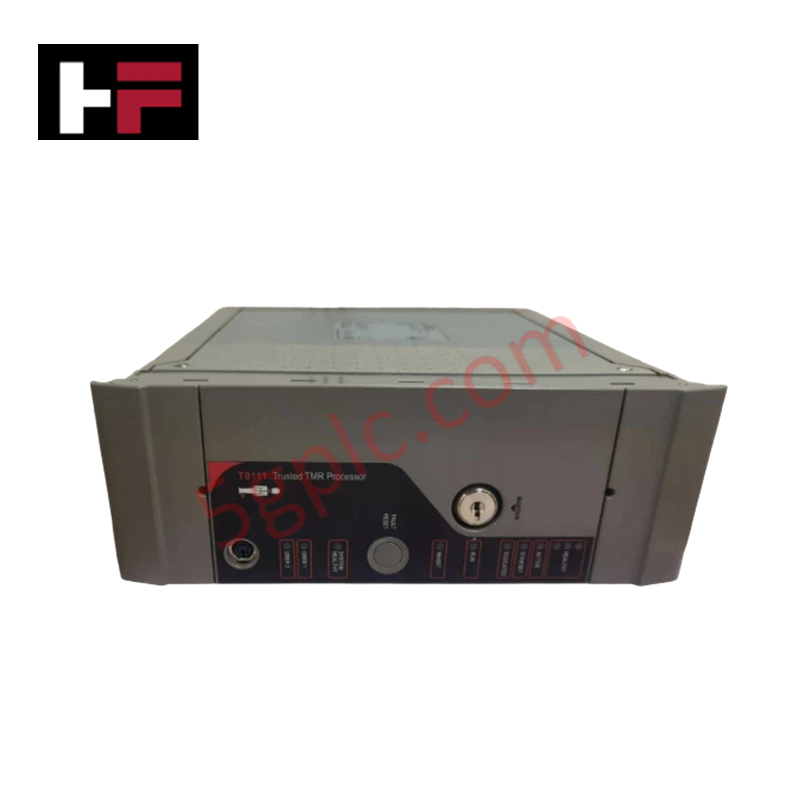
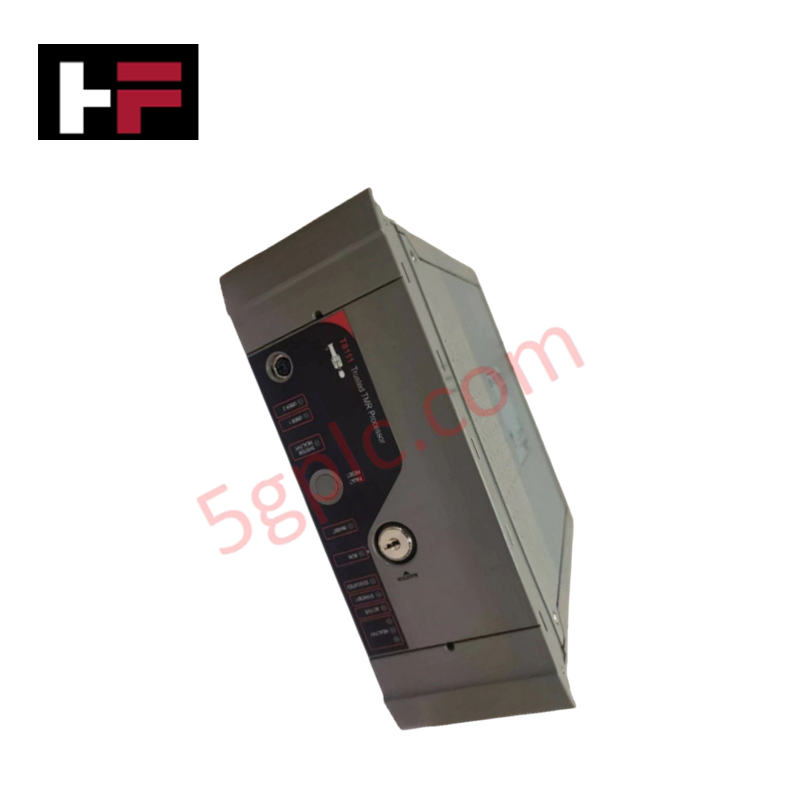
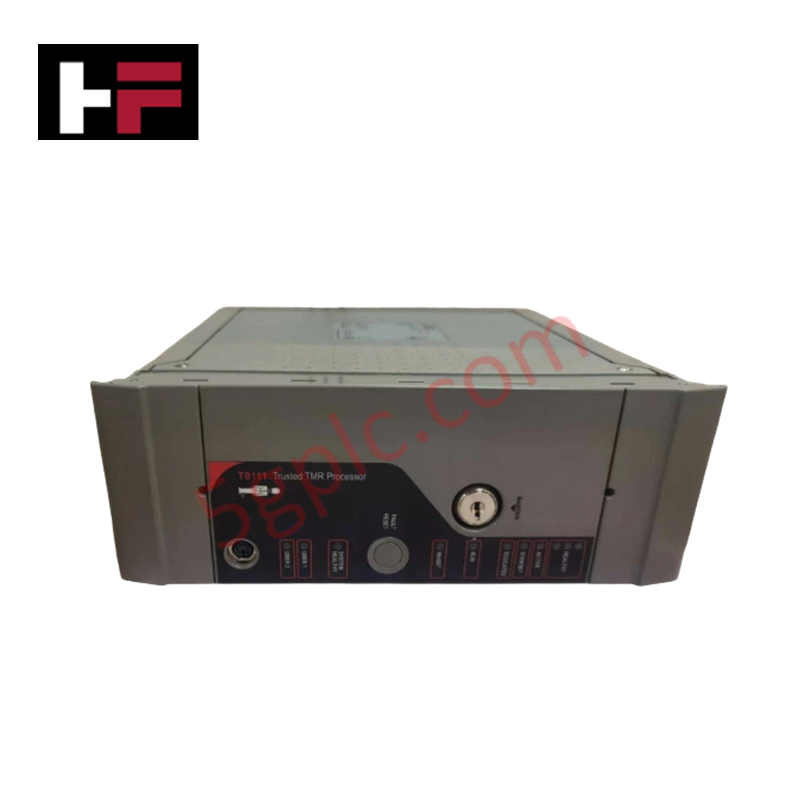
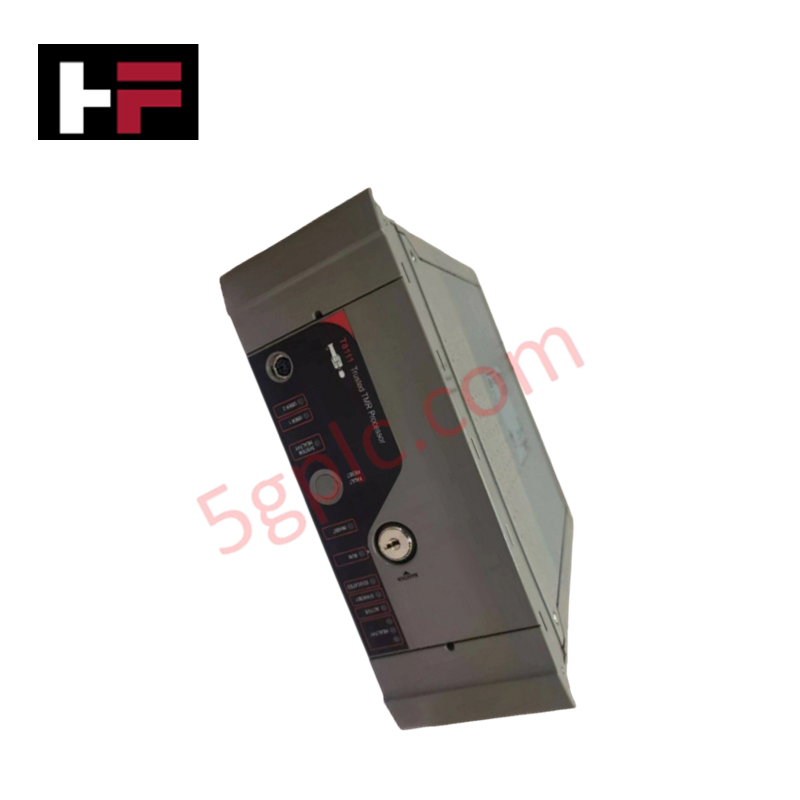
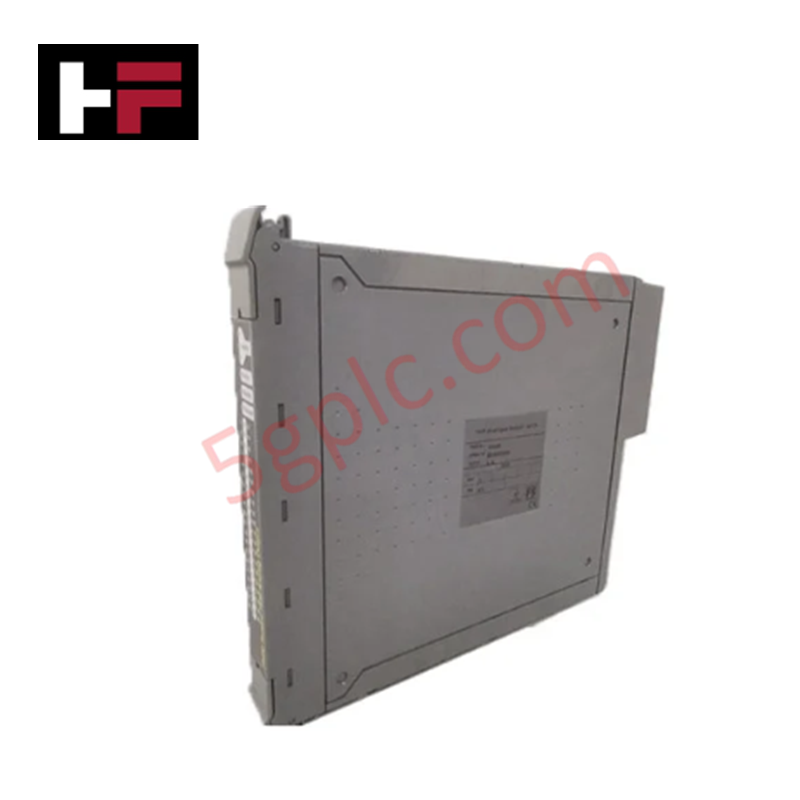
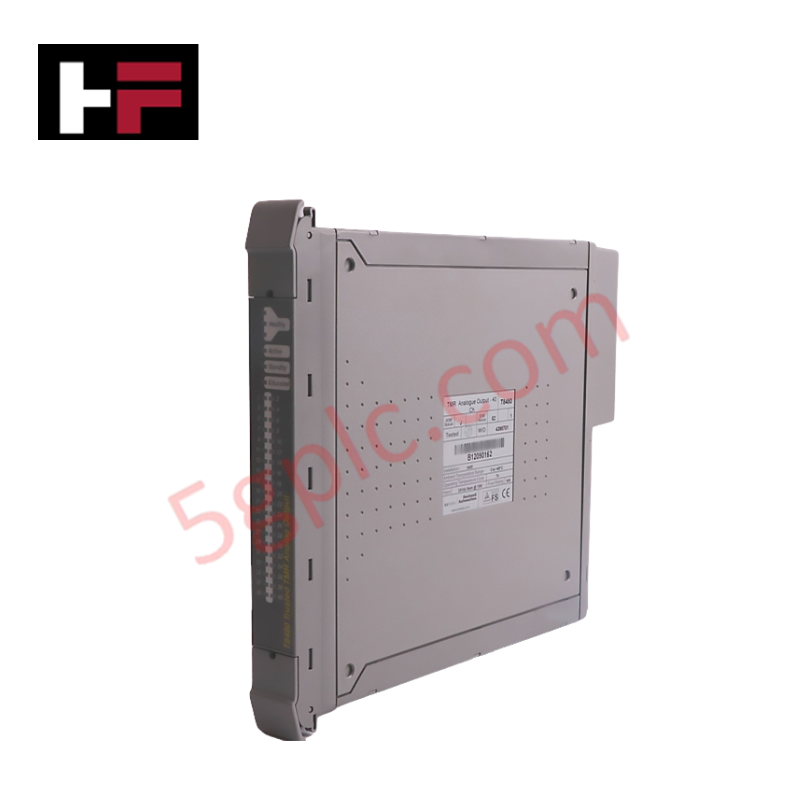
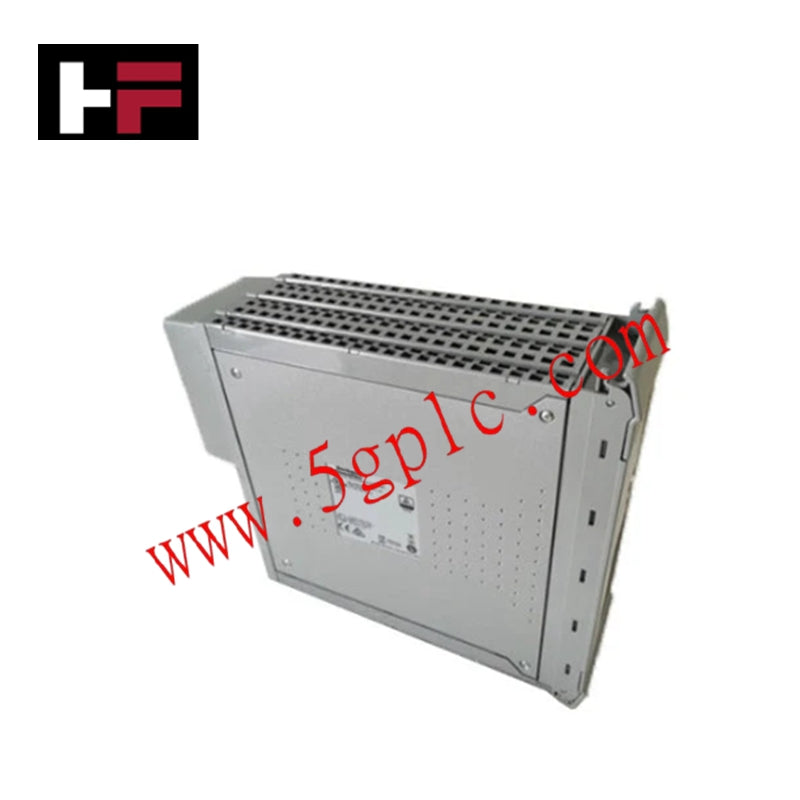
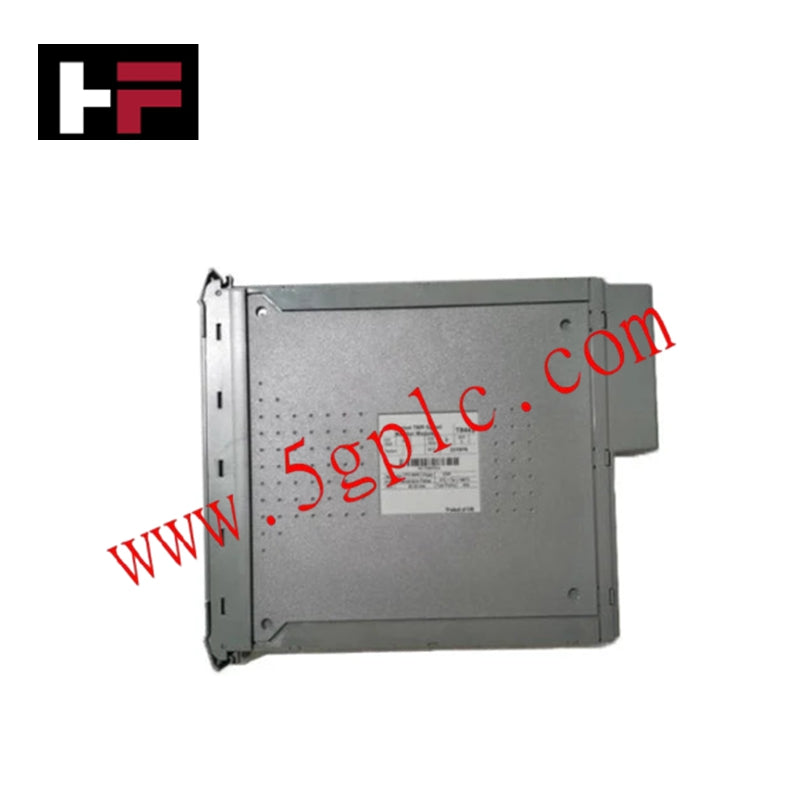
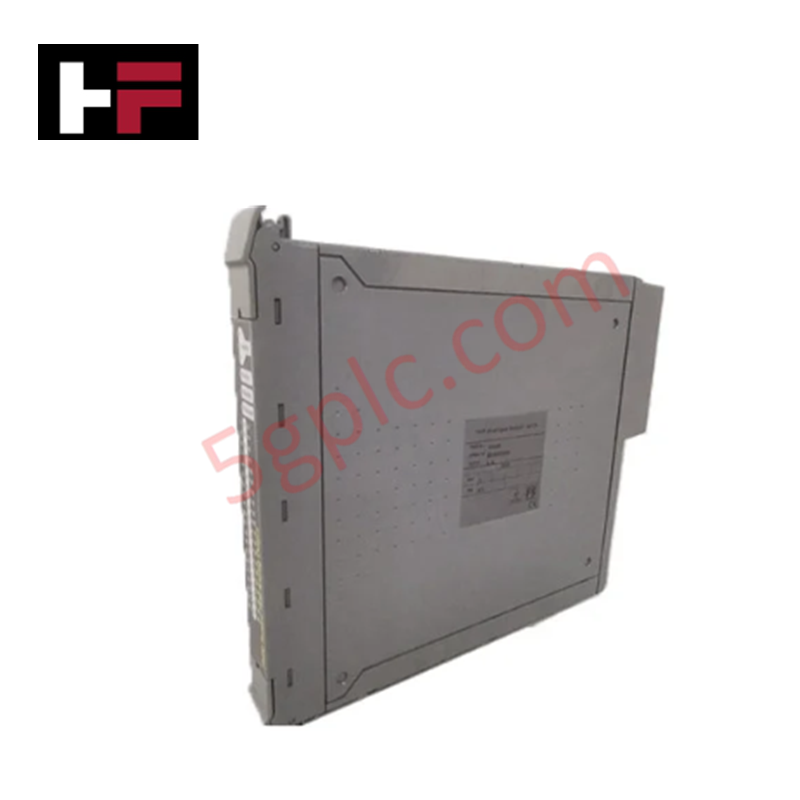
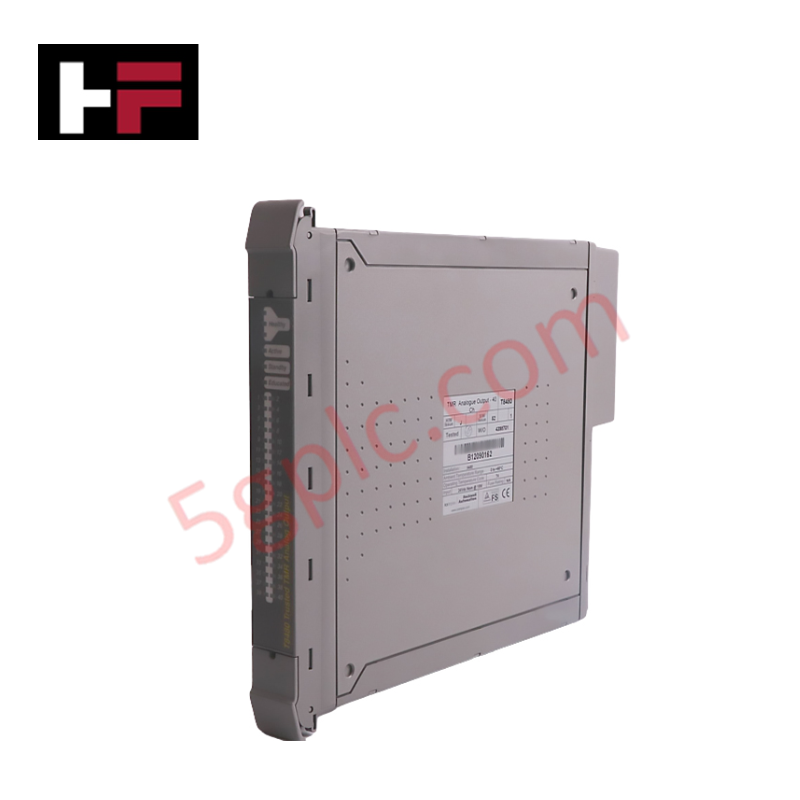
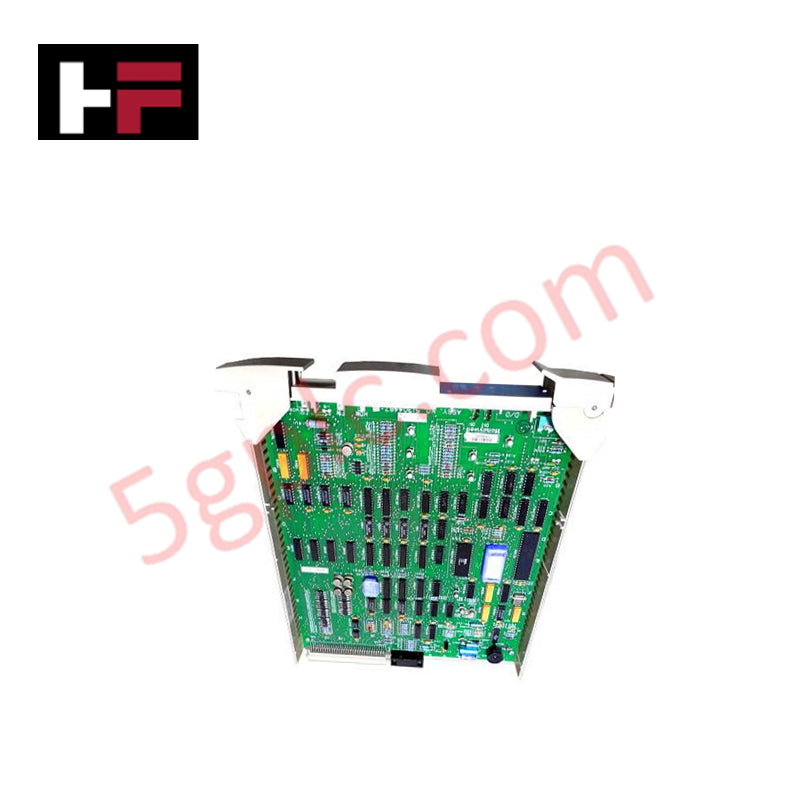
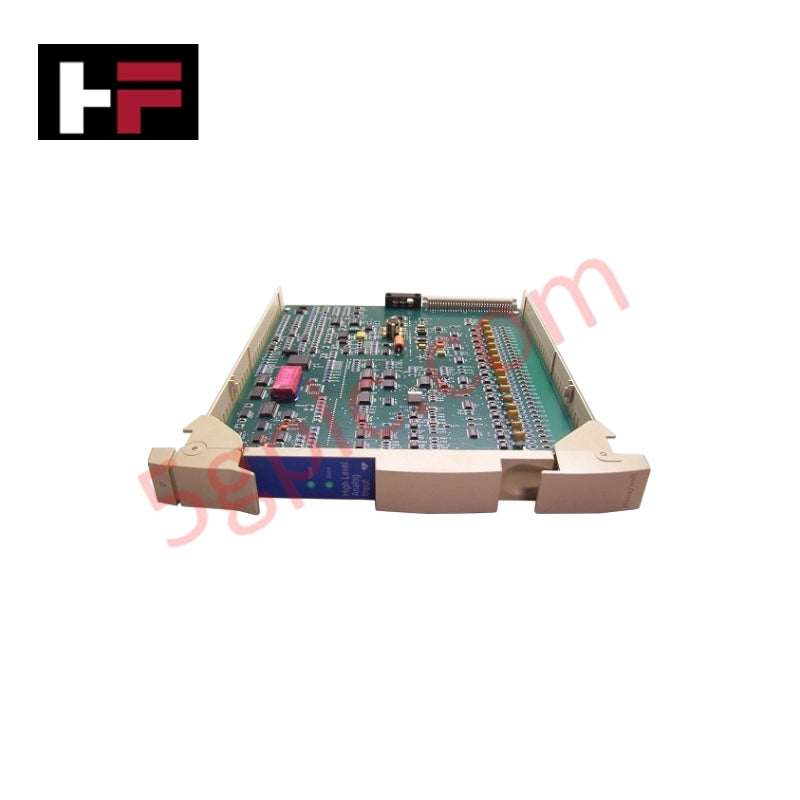
The Honeywell 900C32-0141-00, also cataloged as the 900C32-0141-00 HC900 C30 CPU Controller, operates as a dedicated hardware component for real-time logic execution and I/O scan management within Honeywell HC900 Control System platforms.
Hardware Specifications
| Parameter | Specification |
|---|---|
| Model | 900C32-0141-00 |
| Brand | Honeywell |
| Origin | USA |
| Weight | 0.50 kg |
| Dimensions | Standard HC900 single-slot CPU module size |
| Operating Temp | 0 to 60 deg C |
| Power Consumption | 8 W (typical) |
| Module Type | C30 CPU Controller |
| System Compatibility | Honeywell HC900 / Experion PKS |
| Controller Execution | Deterministic fixed-scan sequence engine |
| Diagnostic Monitoring | Hardware watchdog timer and fault logging |
| Mounting Format | Rack-mounted backplane chassis slot |
Channel-to-Channel Isolation and Distributed DCS Integration
The 900C32-0141-00 central processing unit coordinates high-speed deterministic execution cycles for continuous analog process control and discrete sequential logic circuits. Communicating across backplane buses, the module processes field input data sourced from isolated I/O cards, supporting 4-20 mA HART loop protocol transmitters and networked remote terminal units. Galvanic isolation barriers across the backplane bus prevent field-side common-mode voltage spikes and ground loops from compromising central processing logic, sustaining system data integrity across Experion PKS distributed architecture nodes.
Frequently Asked Questions
Q: What precautions are required for backplane connection during module maintenance?
A: The chassis power source must be fully de-energized prior to inserting or removing the CPU module to prevent electrical arcing across backplane bus contacts and protect memory states.
Q: How does the 900C32-0141-00 CPU handle internal hardware fault detection?
A: An integrated hardware watchdog timer continuously audits system health and memory parity, executing system diagnostic routines and signaling alarm states upon detecting hardware irregularities.
Q: Is the 900C32-0141-00 controller compatible with legacy HC900 rack systems?
A: The module installs directly into standard HC900 CPU backplane slots; system configuration firmware levels must be validated against controller hardware revisions prior to commissioning.
Field Installation Guidelines
- Observe strict ESD protective measures, including grounded wrist straps, before handling the CPU module.
- Confirm complete de-energization of the controller rack power supply before slotting the module.
- Align the module housing with top and bottom chassis guides and push firmly until the backplane connector locks in place.
- Tighten front-panel retaining hardware to establish solid ground contact with the subrack frame.
- Ensure free cabinet airflow around the chassis frame to maintain ambient temperatures within the specified 0 to 60 deg C operating range.
Additional Information
- 100% Genuine Parts: All products are original and authentic, ensuring reliable industrial performance.
- 30-Day Refund Guarantee: Return any in-stock item within 30 days in original, unopened packaging for a full refund (excluding shipping and fees).
- 12-Month Warranty: Covers defects in materials or workmanship; excludes misuse, normal wear, or unauthorized modifications.
- Worldwide Shipping: We ship via USPS, UPS, FedEx, and DHL. Delivery times vary by country and may be subject to customs or import fees.
- Support & Contact: Technical and warranty assistance is available anytime. Contact us here: Contact.
- Purchase Guidance: Check product specifications and compatibility carefully before ordering to ensure proper application.



Tech & Buying Guide
Understanding Instrumentation Control Systems in Modern Industrial Automation
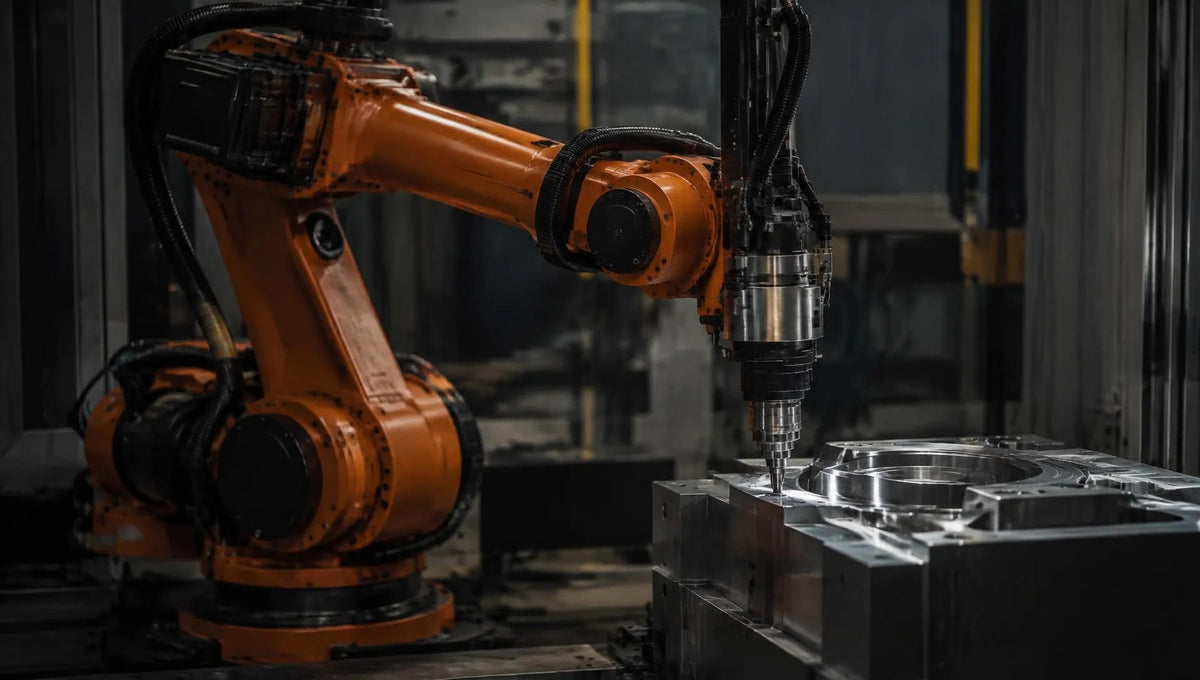
An instrumentation control system (ICS) serves as the central nervous system of modern manufacturing plants and processing facilities. Engineers classify these setups as Electrical, Electronic, or Programmable Electronic Systems (E/E/PES). In practice, an ICS bridges the physical world of industrial machinery with digital decision-making tools. Therefore, understanding its architecture is essential for anyone working in factory automation, process control, or plant safety.

Mastering Electrical Grounding Fundamentals in Industrial Automation and Control Systems
Electrical grounding is a complex engineering discipline. It requires deep knowledge of soil composition and conductor materials. National Electrical Code (NEC) Article 250 outlines these requirements clearly. Many engineers confuse grounding, earthing, and bonding. Grounding connects circuits to a common reference point. Earthing specifically links equipment directly to the planet. Bonding permanently joins metallic parts to ensure electrical continuity.

Architectural Blueprint of Industrial Automation and Control Systems (IACS): Standards, Safety, and Remote Operations
According to IEC 62443, Industrial Automation and Control Systems (IACS) integrate personnel, hardware, and software. These components collectively influence the safety and reliability of any industrial process. Modern control systems allow extensive remote monitoring and operation. However, enabling remote capabilities introduces complex cybersecurity challenges. Therefore, facility operators must evaluate system functions carefully before expanding connectivity.