










Product Details
Product Overview
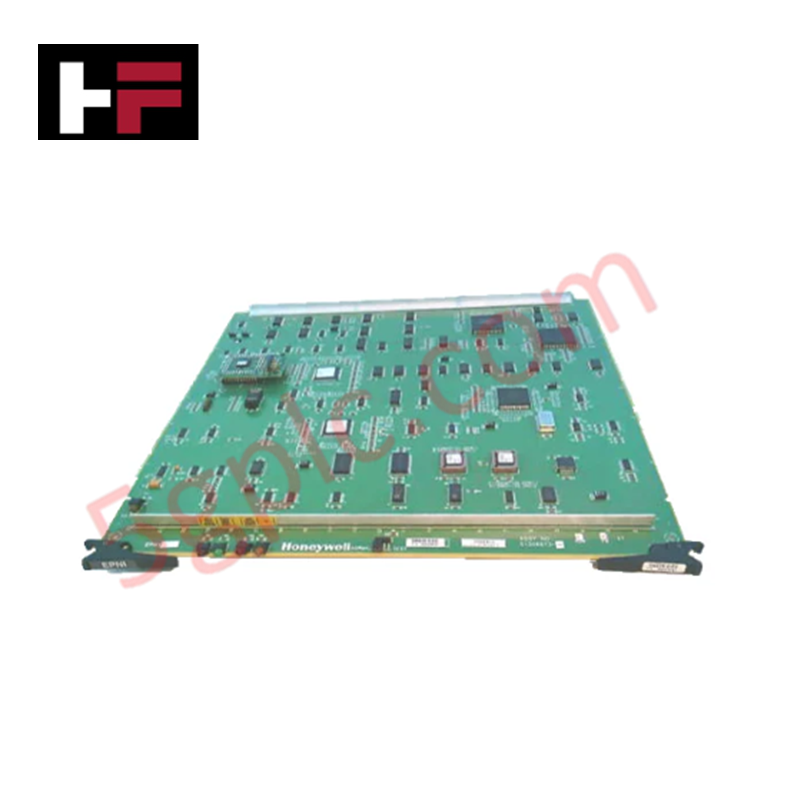
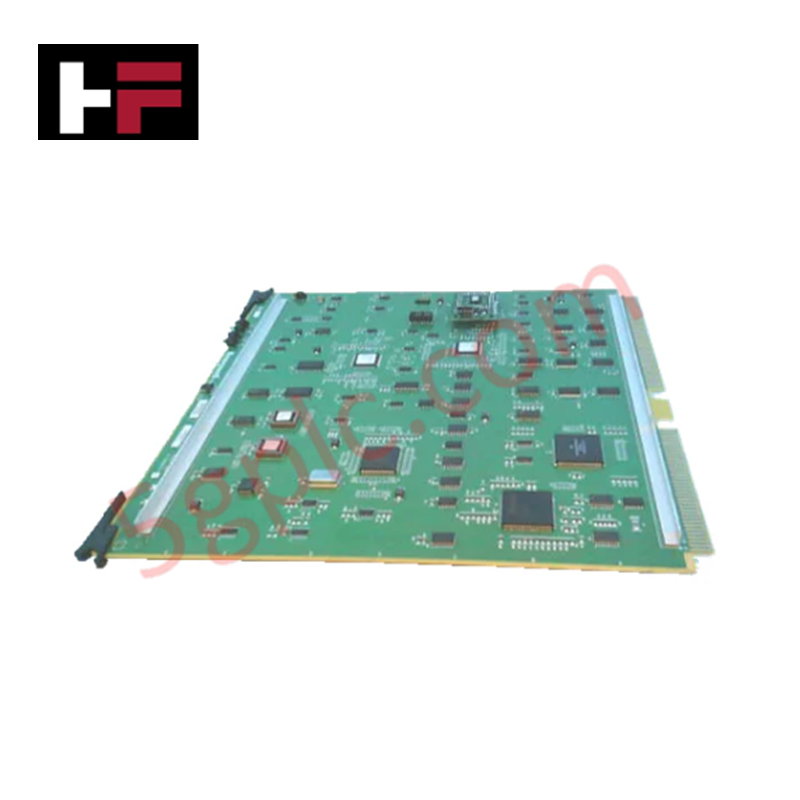
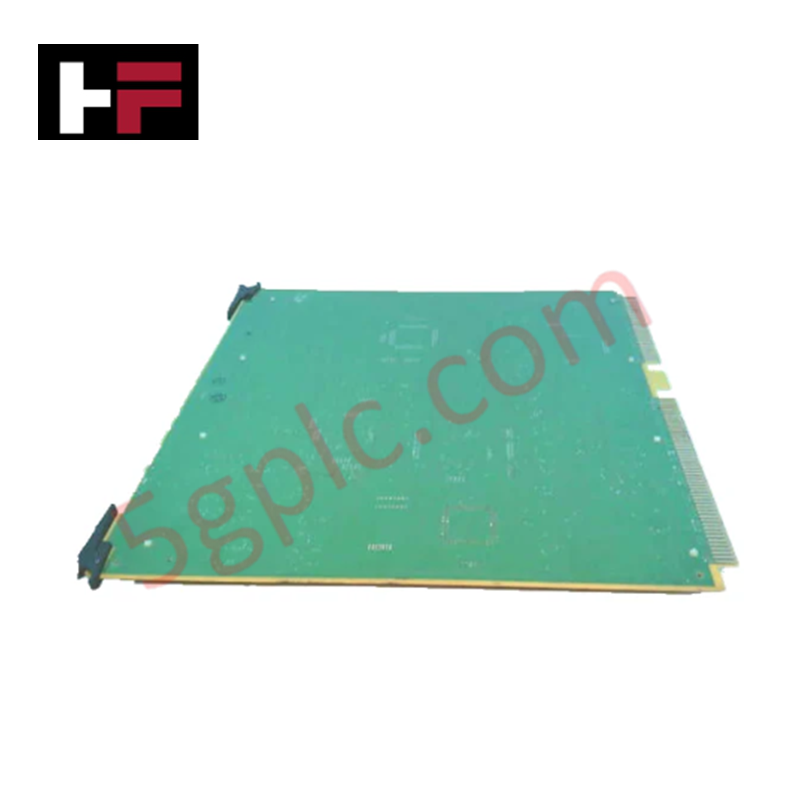
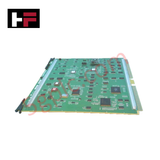
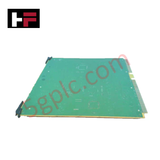
The Honeywell 51306673-100 Enhanced Processor Node Interface (EPNI) card drives high-speed data execution within the Honeywell TDC 3000 Distributed Control System (DCS). This vital interface card connects central processor nodes directly to peripheral I/O subsystems, maintaining deterministic, real-time data synchronization across critical plant operations. We supply this network processing hardware exclusively in 100% brand new, original factory-sealed condition to eliminate communication lag and guarantee zero-latency field-loop performance.
Technical Specifications
| Parameter | Specification |
| Manufacturer | Honeywell |
| Model Number | 51306673-100 |
| Module Type | EPNI Card (Enhanced Processor Node Interface) |
| System Architecture | Honeywell TDC 3000 |
| Communication Protocols | Industrial Serial, CAN Bus |
| Module Dimensions | 12 cm × 10 cm × 2 cm (4.72" × 3.94" × 0.79") |
| Net Weight | 0.65 kg (1.43 lbs) |
| Enclosure Protection | Ruggedized open-architecture PCB configuration |
Engineering Advantages
-
Bridges Divergent Industrial Protocols: The onboard communication chipsets drive dual-protocol operations, handling both legacy serial channels and high-speed CAN bus diagnostics concurrently without packet collisions.
-
Resolves Severe Enclosure Space Restrictions: The compact 12 × 10 × 2 cm dimensions allow plant engineers to integrate the module into crowded, thin-profile rack slots, saving valuable footprint space inside system marshalling enclosures.
-
Accelerates Inter-Node Transmission Speeds: The hardware-driven interface bypasses slow software-level polling cycles, channeling raw process variables from the field I/O nests to the central controller memory at maximum backplane speeds.
-
Shields Logic Circuits Against Floor Vibration: Thick, high-grade substrate material and reinforced edge connectors anchor the 0.65 kg card firmly into the chassis rails, preventing micro-fractures and signal drops caused by physical shock from nearby pumps or compressors.
FAQs
-
Does this EPNI module arrive in refurbished, repaired, or pull-out condition?
No. We stock and ship this 51306673-100 card strictly as a 100% brand new, authentic factory-sealed piece. It retains all original manufacturer barcode labels, component tracking marks, and anti-static protective bags.
-
Can I swap this card out while the rest of the node chassis remains powered?
We advise isolating the power supply to the individual chassis slot before inserting or removing the card. Hot-swapping without verified rack isolation can create electrical arcing, which risks damaging the onboard serial and CAN bus transceiver chips.
-
What software steps must I perform for the TDC 3000 system to recognize the card?
The EPNI card functions as a plug-and-play network interface module. Once you secure the card into the designated slot guides and power up the rack, the central processor node automatically scans the hardware configuration and routes data pathways based on your existing system engineering layout.
Additional Information
- 100% Genuine Parts: All products are original and authentic, ensuring reliable industrial performance.
- 30-Day Refund Guarantee: Return any in-stock item within 30 days in original, unopened packaging for a full refund (excluding shipping and fees).
- 12-Month Warranty: Covers defects in materials or workmanship; excludes misuse, normal wear, or unauthorized modifications.
- Worldwide Shipping: We ship via USPS, UPS, FedEx, and DHL. Delivery times vary by country and may be subject to customs or import fees.
- Support & Contact: Technical and warranty assistance is available anytime. Contact us here: Contact.
- Purchase Guidance: Check product specifications and compatibility carefully before ordering to ensure proper application.


Tech & Buying Guide

Mastering the Siemens PLC Scan Cycle: How the CPU Executes Automation Programs
Industrial automation relies heavily on programmable logic controllers (PLCs) to manage complex manufacturing processes. Many engineers dive straight into programming without mastering the underlying architecture. However, understanding how a PLC CPU executes a program ensures reliable system design. Therefore, mastering the scan cycle optimizes both performance and troubleshooting in modern control systems.

How to Connect to Siemens S7 PLCs: 5 Essential Communication Methods
Establishing a reliable hardware link between a programming terminal and a Siemens SIMATIC controller is essential for engineering workflows. Field engineers rely on distinct physical layers, ranging from legacy serial connections to high-speed Industrial Ethernet protocols. Modern factory automation environments prioritize fast data transfer and seamless driver integration. Selecting the correct connection method simplifies program downloads, online monitoring, and system troubleshooting in complex control systems.

Will PLCs Become Obsolete? The Future of Control Systems in Industry 4.0
Modern manufacturing is undergoing a rapid technological transformation driven by Industry 4.0 innovations. Technologies like Artificial Intelligence (AI), Machine Learning (ML), and the Industrial Internet of Things (IIoT) are dominating discussions across the factory automation sector. Consequently, many engineers wonder if these advanced digital tools will eventually replace traditional Programmable Logic Controllers (PLCs). However, evaluating the core physics of industrial operations reveals a very different reality for control systems.