










Product Details
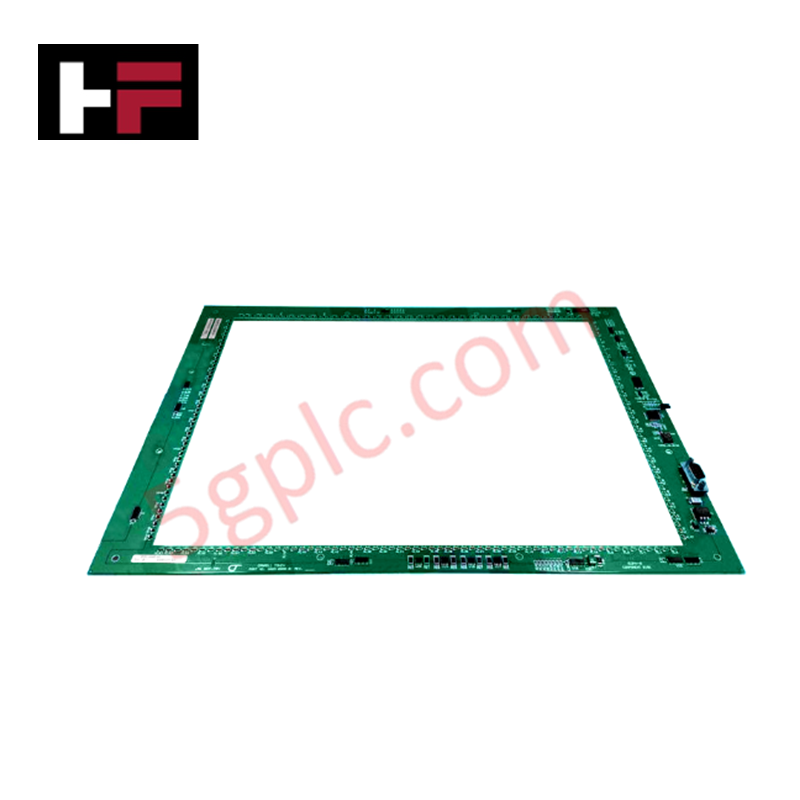
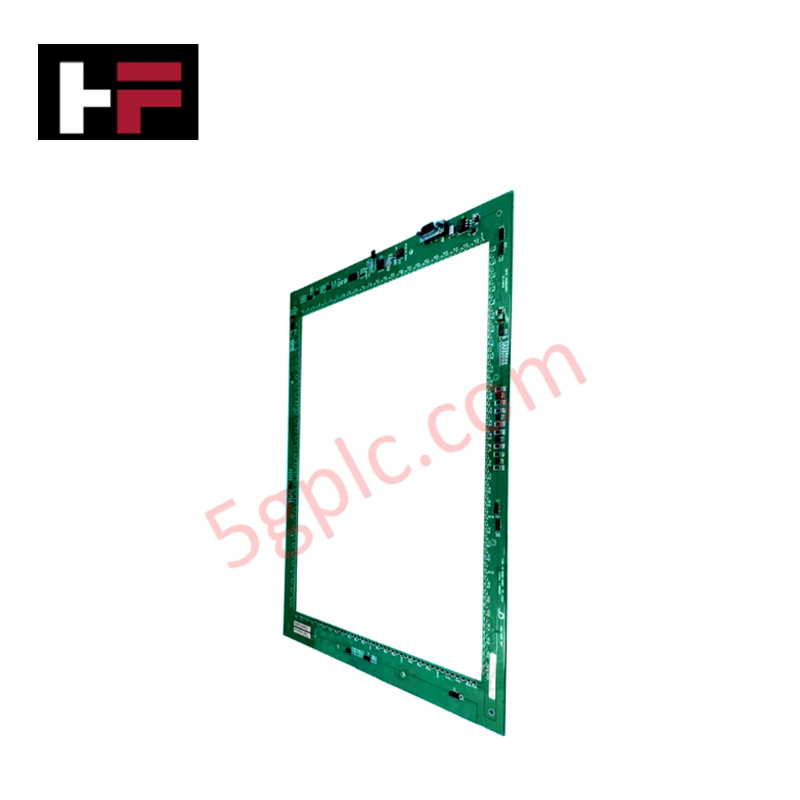
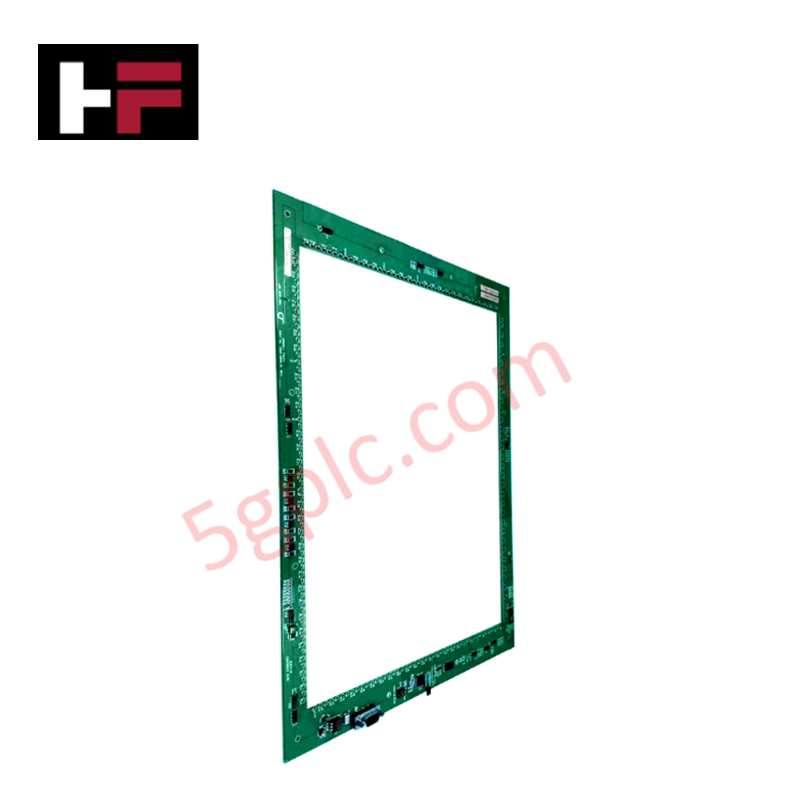
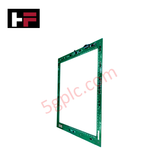
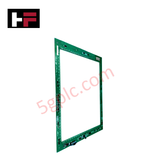
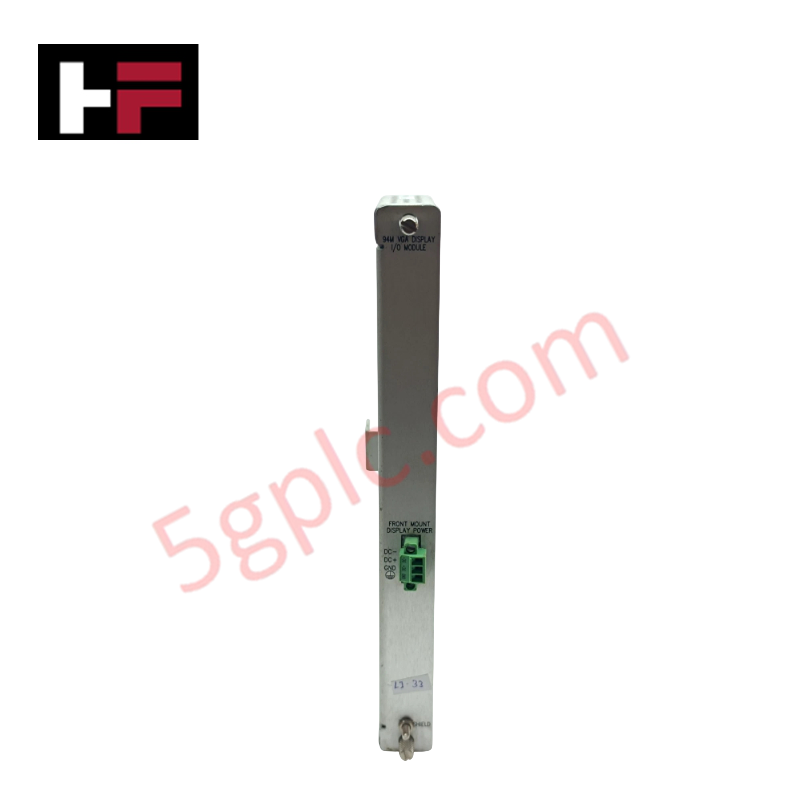
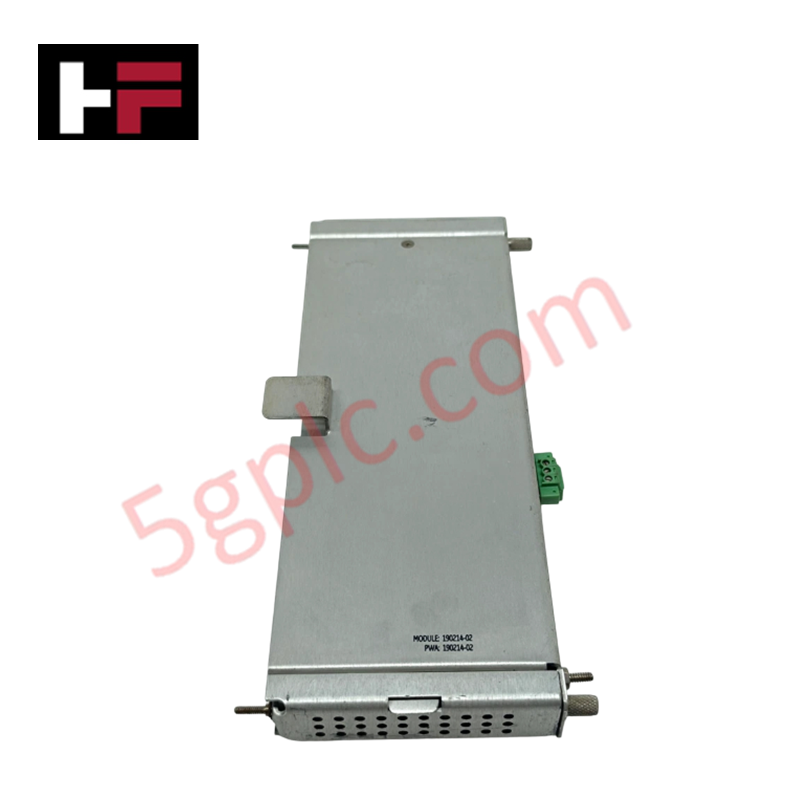
The Honeywell 51191578-100, also cataloged as the 51191578-100 PC Board, operates as a dedicated hardware component for infrared touch screen position processing and user input signal acquisition within 19-inch Universal Station Operator Interface assemblies. Mounted within classic furniture bezels, this circuit board processes infrared optical grid interruptions over CRT or LCD displays. Interface logic translates physical touch coordinates into serial bus data packets for direct execution by host control processors.
Hardware Specifications
| Parameter | Specification |
|---|---|
| Model | 51191578-100 |
| Brand | Honeywell |
| Origin | USA |
| Weight | 8.00 kg |
| Dimensions | 483 mm x 355 mm x 65 mm |
| Operating Temp | 0 to 50 deg C |
| Power Consumption | 12.0 W |
| Board Type | Operator Interface Touch Screen PC Board |
| Display Compatibility | 19-inch CRT / LCD Universal Station Monitors |
| Sensing Technology | Flat Infrared Optical Touch Array |
Channel-to-Channel Isolation
The 51191578-100 interface board incorporates channel-to-channel isolation across its serial communication lines and optical sensor channels to suppress noise from adjacent display power circuits. Galvanic isolation on signal and power rails prevents ground loop potential differences between the operator console chassis and the host control processor. This isolation structure maintains signal integrity during continuous touch detection across the 19-inch optical array.
Frequently Asked Questions
Q: Can the 51191578-100 touch screen board be replaced while the operator station rack is powered?
A: No. Power to the operator console must be fully disconnected before removing or installing the board to avoid voltage transients and serial bus fault conditions.
Q: How does the board maintain coordinate calibration across the 19-inch interface array?
A: Infrared emitters and detectors are aligned in a fixed grid pattern on the PCB frame, maintaining continuous hardware coordinate alignment without requiring physical recalibration.
Q: What power rails feed the touch processing electronics on this board assembly?
A: The board receives regulated DC power directly from the host operator console backplane power harness to energize the infrared sensors and logic circuits.
Field Installation Guidelines
- Power down the operator console and isolate main power sources before starting board installation.
- Wear a grounded ESD wrist strap to protect optical components and surface-mount ICs from static discharge.
- Position the board inside the 19-inch mounting bezel, aligning all optical emitter/detector pairs evenly across the screen aperture.
- Fasten all retention screws hand-tight to prevent mechanical stress or warping of the circuit board structure.
- Connect signal and power wiring harnesses securely, verifying connector orientation before locking retention clips
Additional Information
- 100% Genuine Parts: All products are original and authentic, ensuring reliable industrial performance.
- 30-Day Refund Guarantee: Return any in-stock item within 30 days in original, unopened packaging for a full refund (excluding shipping and fees).
- 12-Month Warranty: Covers defects in materials or workmanship; excludes misuse, normal wear, or unauthorized modifications.
- Worldwide Shipping: We ship via USPS, UPS, FedEx, and DHL. Delivery times vary by country and may be subject to customs or import fees.
- Support & Contact: Technical and warranty assistance is available anytime. Contact us here: Contact.
- Purchase Guidance: Check product specifications and compatibility carefully before ordering to ensure proper application.




Tech & Buying Guide
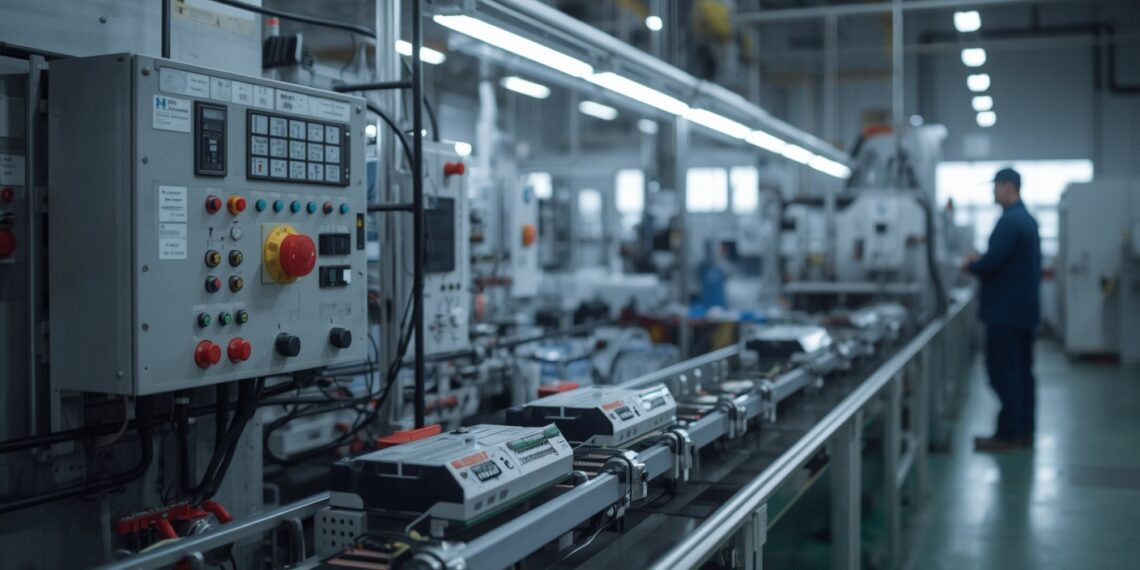
Redefining Control System Design: The Evolution of Flexible Input/Output Modules (FIOM) in Industrial Automation
Traditional industrial automation relies heavily on dedicated input-output (IO) modules. In a standard distributed control system (DCS) or programmable logic controller (PLC) setup, design engineers assign specific cards to distinct signal types. For instance, a traditional 16-channel digital input (DI) card exclusively processes digital signals. However, engineering projects frequently encounter last-minute changes in signal counts. Therefore, discovering a missing analog input (AI) channel late in the design phase forces engineers to purchase and install an entirely new, dedicated AI card. Consequently, this rigidity drives up hardware expenses, wastes cabinet space, and delays commissioning schedules.

Mastering VFD Braking Theory and Mechanical Brake Sequencing in Industrial Automation
In industrial automation, variable frequency drives (VFDs) regulate motor speed and torque across manufacturing plants and material handling systems. However, certain heavy-duty applications experience external loads that can rotate the motor shaft without an active command. For instance, gravity pulls loads downward in unanchored hoisting equipment. Therefore, engineers integrate mechanical brakes with VFD logic to maintain absolute safety and prevent structural damage or personnel injury during shutdowns.

Optimizing Tank Level Control Using Proportional Algorithms in PLC Systems
Industrial automation engineers frequently encounter liquid level regulation challenges across diverse process plants. Traditional ON-OFF control mechanisms often disrupt system stability due to abrupt actuator switching. Therefore, upgrading to closed-loop architectures like proportional control yields smoother responses. In a typical PLC environment, such as Siemens TIA Portal, engineers utilize closed-loop feedback to minimize process errors without requiring full PID complexity.