










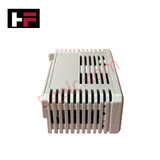
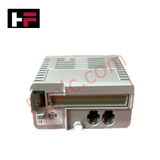
Product Details
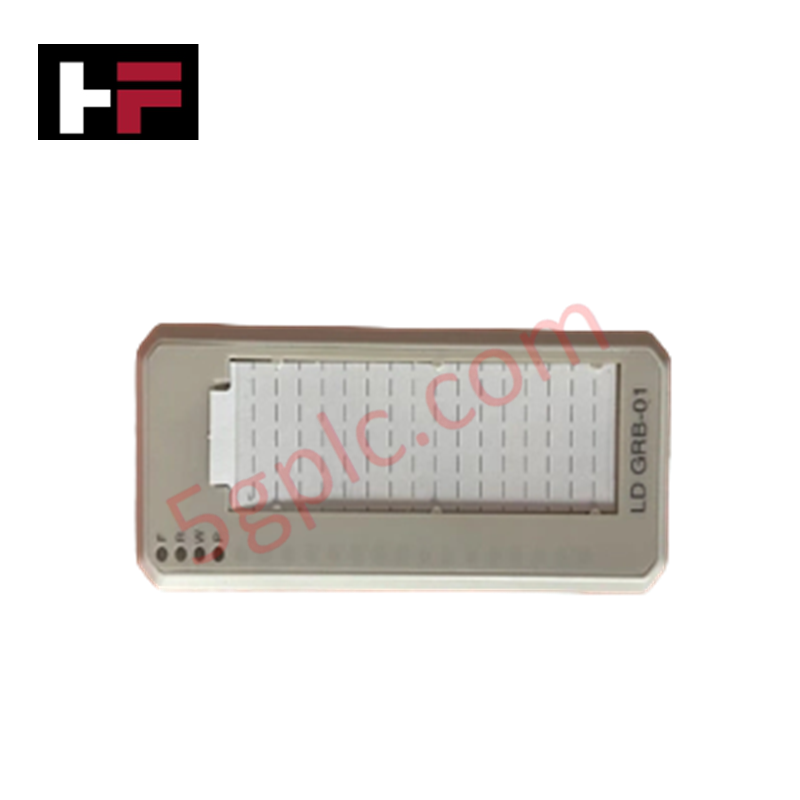
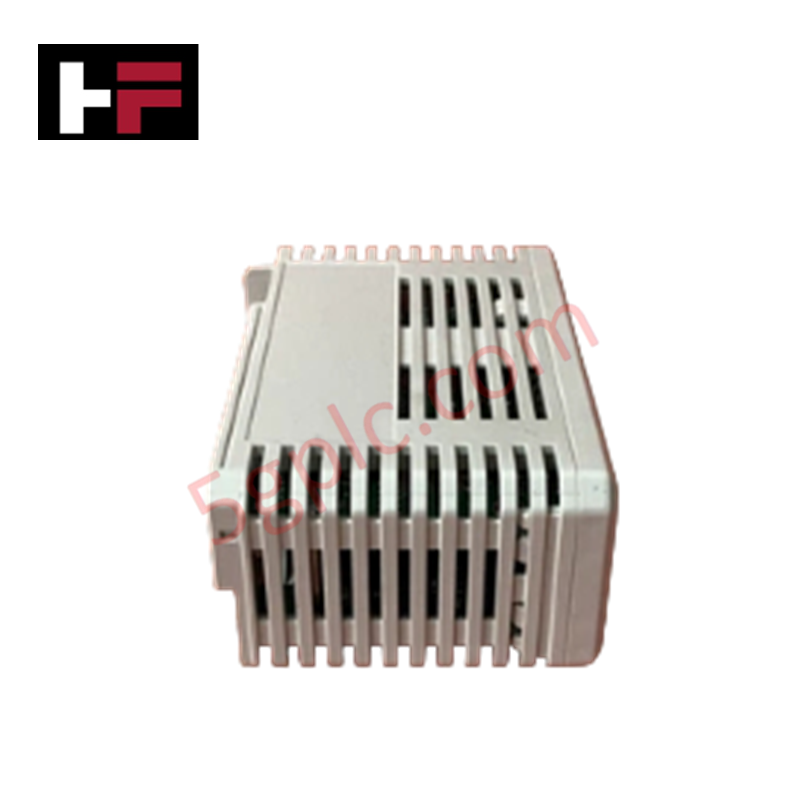
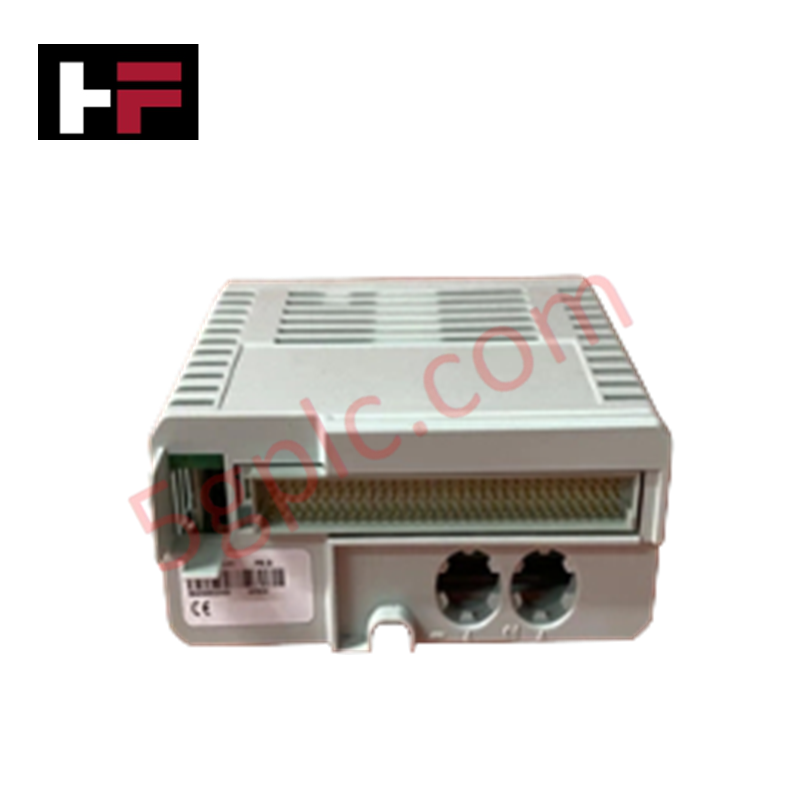
The ABB AGPS-21C, also cataloged as the AGPS-21C Power Supply, oABB LD GRB-01 Gray Encoder Board
The ABB LD GRB-01 4HZR300001, also cataloged as the LD GRB-01 Gray Encoder Board, operates as a dedicated hardware component for position feedback acquisition and absolute Gray code processing within ABB drive and controller networks.
Hardware Specifications
| Parameter | Specification |
|---|---|
| Model | LD GRB-01 (4HZR300001) |
| Brand | ABB |
| Origin | Sweden |
| Weight | 1.00 kg |
| Operating Temp | Standard Cabinet Ambient (-10 to 60 deg C) |
| Power Consumption | 24 VDC Control Bus Power |
| Signal Interface | Gray Code Optical Encoder Input |
| Module Category | Encoder Evaluation Boards |
| System Platform | ABB Drive & Automation Control Platforms |
Deterministic Network Integration and I/O Density Scaling
The LD GRB-01 interface board conditions optical encoder pulses into digital multi-bit position vectors, routing raw sensor data across Profinet and EtherNet/IP deterministic networks. High-speed backplane bus communication velocity allows synchronous position updates during high-velocity motion execution. Compact PCB trace architecture supports maximum I/O density scaling inside control racks, while onboard EEPROM registers ensure full firmware flash compatibility during controller startup and system parameter synchronization.
Frequently Asked Questions
Q: Does the LD GRB-01 support hot-swapping while the host control rack remains powered?
A: No, primary control supply power must be isolated before removing or inserting the encoder module to avoid voltage transients on the digital sensor lines.
Q: How is signal shielding terminated on the LD GRB-01 board interface?
A: Encoder cable shields must be grounded at the designated terminal clip on the chassis frame to ensure noise suppression across high-frequency Gray code channels.
Q: What power source energizes the LD GRB-01 digital evaluation logic?
A: The board receives its internal operating voltage directly from the 24 VDC rack power bus via backplane pin connectors.
Field Installation Guidelines
- Disconnect all main drive power circuits and auxiliary 24 VDC supplies before inserting or extracting the encoder board from the rack slot.
- Wear a grounded anti-static wrist strap during module handling to prevent electrostatic discharge damage to high-density CMOS components.
- Verify that optical encoder wiring shield conductors are connected to functional earth using a low-impedance grounding clamp.
- Align board edge guides carefully with card cage tracks before pushing firm engagement into the rear backplane socket.
Additional Information
- 100% Genuine Parts: All products are original and authentic, ensuring reliable industrial performance.
- 30-Day Refund Guarantee: Return any in-stock item within 30 days in original, unopened packaging for a full refund (excluding shipping and fees).
- 12-Month Warranty: Covers defects in materials or workmanship; excludes misuse, normal wear, or unauthorized modifications.
- Worldwide Shipping: We ship via USPS, UPS, FedEx, and DHL. Delivery times vary by country and may be subject to customs or import fees.
- Support & Contact: Technical and warranty assistance is available anytime. Contact us here: Contact.
- Purchase Guidance: Check product specifications and compatibility carefully before ordering to ensure proper application.






Tech & Buying Guide

The Shift to Flexible IO Modules in Modern Industrial Automation
Traditional control systems rely on dedicated Input Output (IO) cards for industrial automation. Each conventional module processes a single signal type, such as Digital Input (DI), Digital Output (DO), Analog Input (AI), or Analog Output (AO). A standard 16-channel card accepts only one specific channel type across all ports. This inflexible hardware design often creates severe engineering bottlenecks during project execution. Engineers frequently must install entirely new cards to accommodate a single extra sensor. Consequently, late design changes increase control cabinet space requirements and drive up project costs.

DCS Commissioning Steps in Industrial Automation Projects
Commissioning a Distributed Control System (DCS) represents a crucial milestone when deploying modern process automation infrastructure. Field engineers must execute systematic verification steps to transition complex control hardware from static installation to dynamic plant control. Proper commissioning ensures that controllers, I/O modules, network switches, and HMI software operate in strict compliance with engineering design specifications before introducing live process fluids.

PLC and DCS Control System Spares Strategy: Engineering Guidelines
Modern factory automation relies on high-speed fiber optic backbones to link distributed control systems across noise-intensive industrial environments. Unlike copper wiring, optical fibers transmit data via light pulses, making them completely immune to electromagnetic interference (EMI). Field engineers must master optical cable joining and fusion splicing techniques to guarantee low-loss data transmission across critical Programmable Logic Controller (PLC) and Distributed Control System (DCS) nodes.