










Product Details
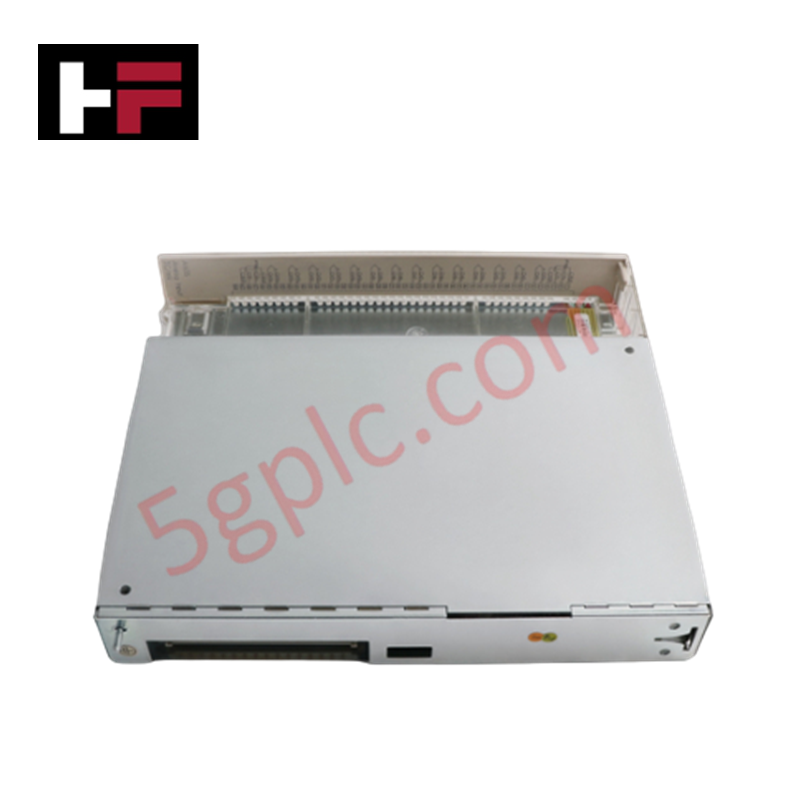
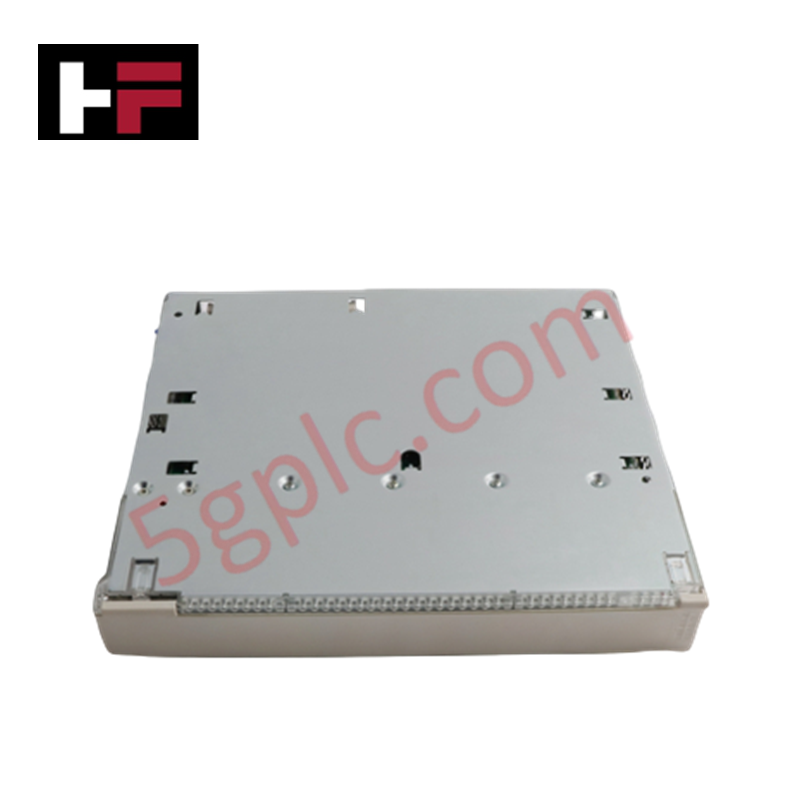
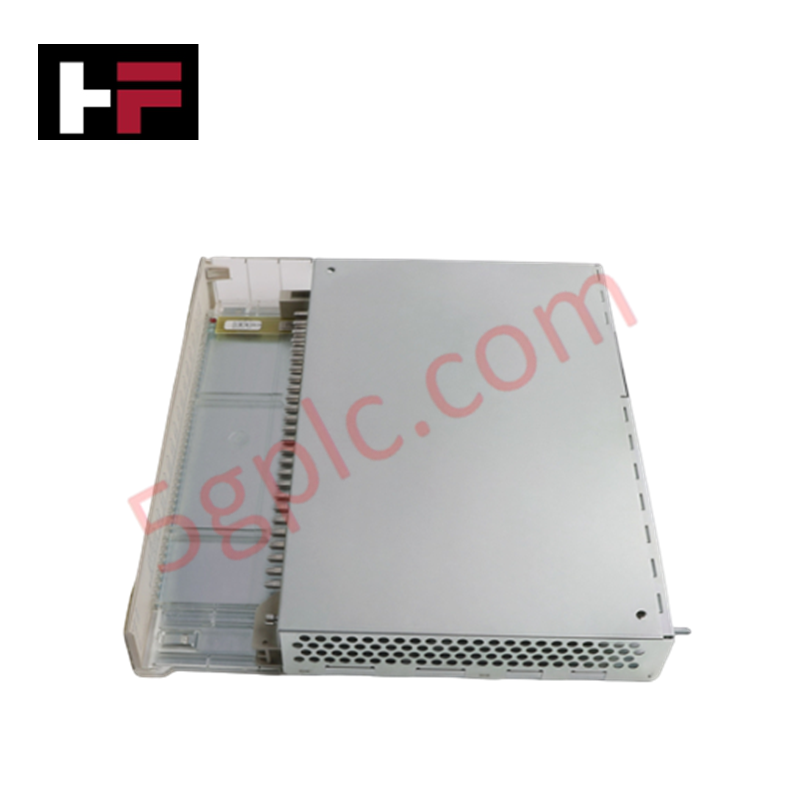
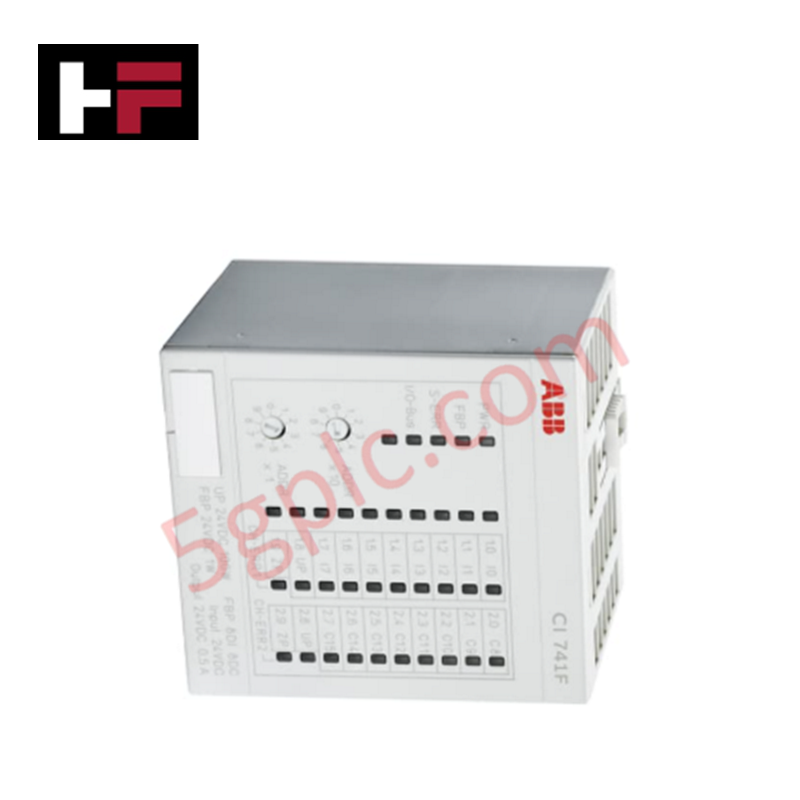
Configured for high-precision temperature measurements in industrial automation environments, the ABB 3BHT300032R1 (AI635 Analog Input Module) provides direct physical/electrical execution for raw sensor signal digitizing.
Hardware Specifications
| Parameter | Specification |
|---|---|
| Model | 3BHT300032R1 (AI635) |
| Brand | ABB |
| Origin | Sweden / Switzerland |
| Weight | 1.21 kg |
| Dimensions | 252 mm (Depth) x 273 mm (Height) x 40 mm (Width) |
| Operating Temp | 0 to +55 deg C (Industrial-grade range) |
| Power Consumption | Sourced via system backplane interface |
| Input Channels | 14 + 2 channels |
| Analog Resolution | 12-bit binary conversion |
| Supported Input Type | Thermocouples |
| Physical Slot Occupancy | Single slot configuration |
Profinet / EtherNet/IP Deterministic Networks and I/O Density Scaling
The device functions as a multi-channel digitizing component that maps thermodynamic voltage variations directly into internal registry blocks. Its 14 + 2 channel configuration optimizes physical enclosure space, facilitating high-density I/O density scaling options within the subsystem frame. Analog-to-digital conversions update across the rack interface without lowering backplane bus communication velocity, securing raw input arrays and validating firmware flash compatibility boundaries during continuous hardware processing operations.
Frequently Asked Questions
Q: What are the functional allocation parameters of the 14 + 2 channel configuration?
A: The module contains 14 independent channels dedicated to registering low-voltage analog inputs derived from process thermocouple elements. The remaining 2 auxiliary channels are physically dedicated to cold junction compensation (CJC) hardware modules to adjust for reference terminal temperature shifts.
Q: Can the module be inserted or removed under power without damaging system components?
A: No. Prior to module extraction or replacement, the corresponding baseplate sub-rack power must be fully turned off. Inserting or withdrawing the card while the backplane bus is energized can result in electrical transient arcs that disrupt parallel interface communications or corrupt active registers.
Field Installation Guidelines
- Physical Mounting: Slide the module vertically into the designated baseplate track guides. Ensure the rear circuit pins fully engage with the backplane block before fixing any external faceplate retention mechanisms.
- Thermocouple Compensation Wiring: Use specific compensation cables matched to the thermocouple type deployed in the field. Avoid multi-terminal junction breaks to prevent parasitic voltage errors on the 12-bit conversion matrix.
- Shield Ground Separation: Terminate instrument cable shields to a dedicated, low-impedance earth bar within the local control cabinet. Do not connect sensor shields to standard system neutral lines or create multiple ground paths.
Additional Information
- 100% Genuine Parts: All products are original and authentic, ensuring reliable industrial performance.
- 30-Day Refund Guarantee: Return any in-stock item within 30 days in original, unopened packaging for a full refund (excluding shipping and fees).
- 12-Month Warranty: Covers defects in materials or workmanship; excludes misuse, normal wear, or unauthorized modifications.
- Worldwide Shipping: We ship via USPS, UPS, FedEx, and DHL. Delivery times vary by country and may be subject to customs or import fees.
- Support & Contact: Technical and warranty assistance is available anytime. Contact us here: Contact.
- Purchase Guidance: Check product specifications and compatibility carefully before ordering to ensure proper application.






Tech & Buying Guide

Why Programmable Logic Controllers Drop into Stop Mode: An Expert Analysis
Industrial automation systems rely heavily on Programmable Logic Controllers (PLCs) to maintain uninterrupted production. When a PLC unexpectedly shifts from Run to Stop mode, whole manufacturing lines stall.
As control systems evolve across modern factory automation, understanding the root causes of these interruptions helps engineers minimize costly downtime. This technical guide breaks down why PLCs trip into Stop mode and provides practical strategies to mitigate system faults.

Understanding Root Causes of Unplanned PLC Stop Mode in Industrial Automation
Modern Programmable Logic Controllers manage execution through distinct operational states: Run, Stop, Start-Up, and Hold. During power-up, a controller initializes memory registers within Stop mode before briefly transitioning to Start-Up mode. During this phase, internal self-diagnostics evaluate system integrity across hardware and user programs. If the controller detects no critical faults, it enters Run mode to execute the control program continuously. However, any severe system anomaly forces the CPU back into Stop mode immediately to prevent erratic machine behavior across the plant floor.

Human-Machine Interface Design: Essential Guide to HMI Selection, Visualization, and Control System Integration
Human-Machine Interfaces (HMIs) serve as the primary operational window into complex industrial automation systems. Modern HMIs convert raw machine data into clear graphical displays, enabling operators to oversee entire manufacturing processes in real time. Instead of relying on physical control panels full of hardwired switches, engineers program interactive screens using intuitive graphics, dynamic color coding, and responsive touch interfaces. Over my 15 years in control systems engineering, I have observed HMIs transform from basic display screens into sophisticated command centers that drive operational efficiency across DCS and PLC environments.