












Product Details
Technical Summary
The 1794-ACNR15XT (1794-ACNR15XT) is a high-availability ControlNet adapter specifically engineered for the FLEX I/O XT™ platform. This module facilitates high-speed, deterministic data exchange between a central controller and distributed I/O modules. Unlike standard adapters, the "XT" designation signifies extended environmental protection, allowing the unit to operate in corrosive or extreme temperature conditions. It features dual BNC ports to support redundant media signaling, ensuring network resilience in mission-critical applications where downtime is not an option.
Detailed Technical Specifications
-
Communication Interface: ControlNet (Redundant Media Support)
-
Network Speed: Fixed at 5 Mbps
-
Connectivity: 2 BNC connectors for redundant coaxial cable trunk lines
-
Input Voltage Requirement: 24V DC nominal (19.2 to 31.2V DC range)
-
Current Consumption: 400 mA maximum at 24V DC
-
FlexBus Output Capacity: 640 mA maximum at 5V DC (powering up to 8 I/O modules)
-
Thermal Dissipation: Approximately 11.1 BTU per hour
-
Isolation Rating: 50V continuous (Basic Insulation Type)
-
Dielectric Withstand: Tested at 860V AC for 60 seconds
-
Operating Temperature Range: -25°C to +70°C (-13°F to +158°F)
-
Storage Environment: -40°C to +85°C (-40°F to +185°F)
-
Humidity Tolerance: 5% to 95% non-condensing
-
Vibration and Shock: 5 g acceleration at 10–500 Hz; 30 g operating shock
-
Enclosure Rating: IP20 (Open-style)
-
Mounting Options: Horizontal or vertical DIN rail; optional panel mount
Advanced Capability and Application
The 1794-ACNR15XT (1794-ACNR15XT) excels in heavy-duty sectors such as oil and gas, wastewater treatment, and chemical processing. Because it is conformal coated, it offers superior resistance to noxious gases and humidity compared to standard 1794-ACNR15 models. By supporting up to 8 FLEX I/O modules, a single adapter can manage a significant density of digital, analog, or specialty signals while maintaining a compact footprint.
Common Maintenance FAQ
-
What is the primary benefit of the XT version over the standard 1794-ACNR15?The 1794-ACNR15XT (1794-ACNR15XT) is designed for "Extended Temperature" and harsh environments, providing a wider operating range (-25°C to +70°C) and additional protection against atmospheric contaminants.
-
Does this module support ControlNet redundancy?Yes, the dual BNC ports allow for media redundancy. If one cable path is compromised, the module automatically utilizes the second path without interrupting the I/O process.
-
Can I mix XT and non-XT modules on the same FlexBus?While physically possible, the overall system environmental rating will be limited to the lowest-rated component. For full XT benefits, the entire terminal base and I/O assembly should be XT-rated.
Additional Information
- 100% Genuine Parts: All products are original and authentic, ensuring reliable industrial performance.
- 30-Day Refund Guarantee: Return any in-stock item within 30 days in original, unopened packaging for a full refund (excluding shipping and fees).
- 12-Month Warranty: Covers defects in materials or workmanship; excludes misuse, normal wear, or unauthorized modifications.
- Worldwide Shipping: We ship via USPS, UPS, FedEx, and DHL. Delivery times vary by country and may be subject to customs or import fees.
- Support & Contact: Technical and warranty assistance is available anytime. Contact us here: Contact.
- Purchase Guidance: Check product specifications and compatibility carefully before ordering to ensure proper application.
Tech & Buying Guide

Static UPS vs. Rotary UPS: Technical Evaluation for Industrial Automation

Comprehensive Guide to Noise Types in Industrial Automation and Electronics

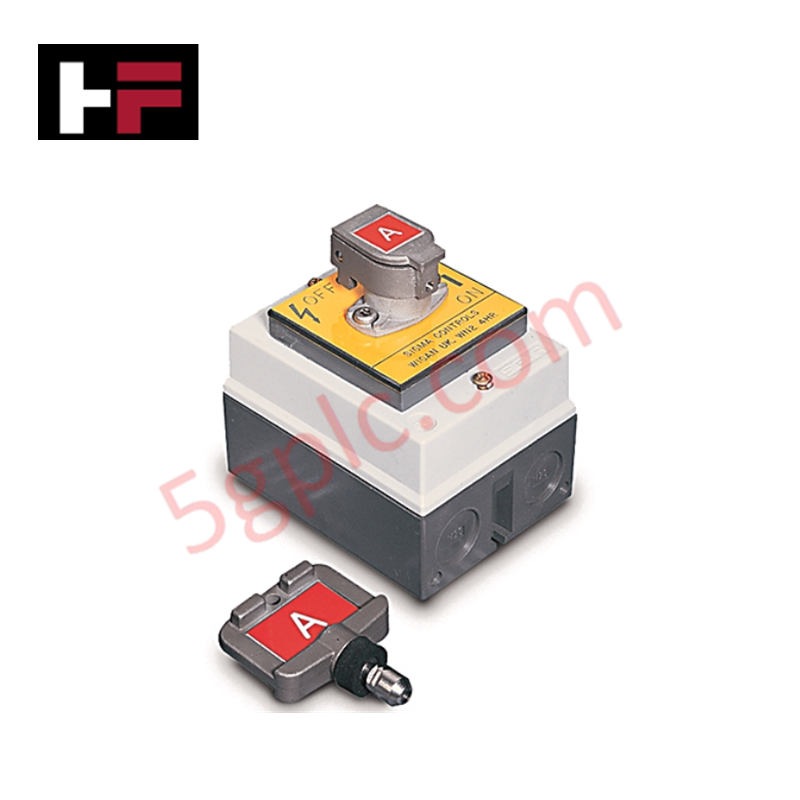
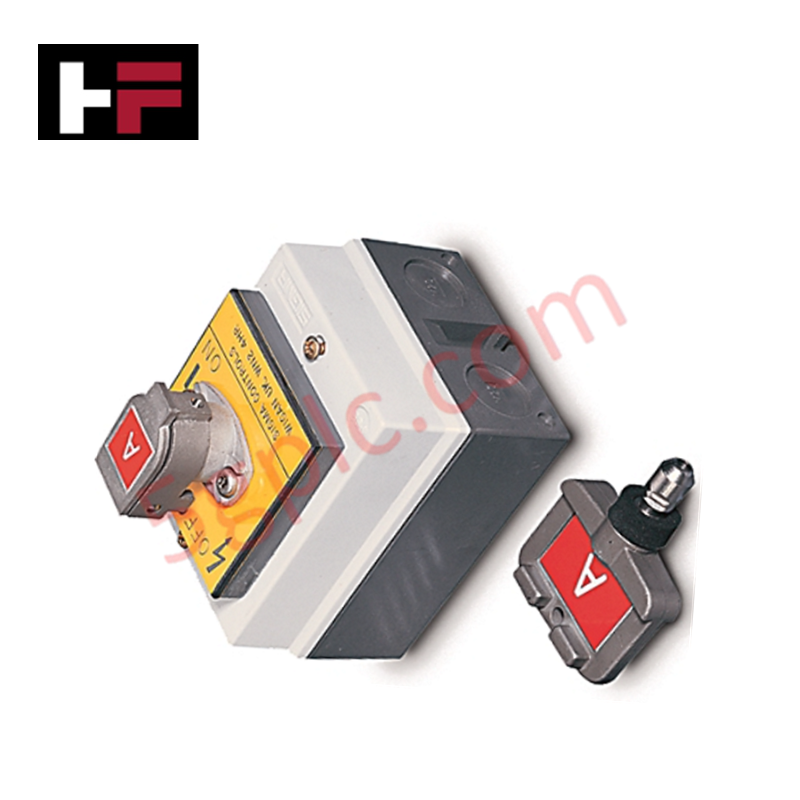
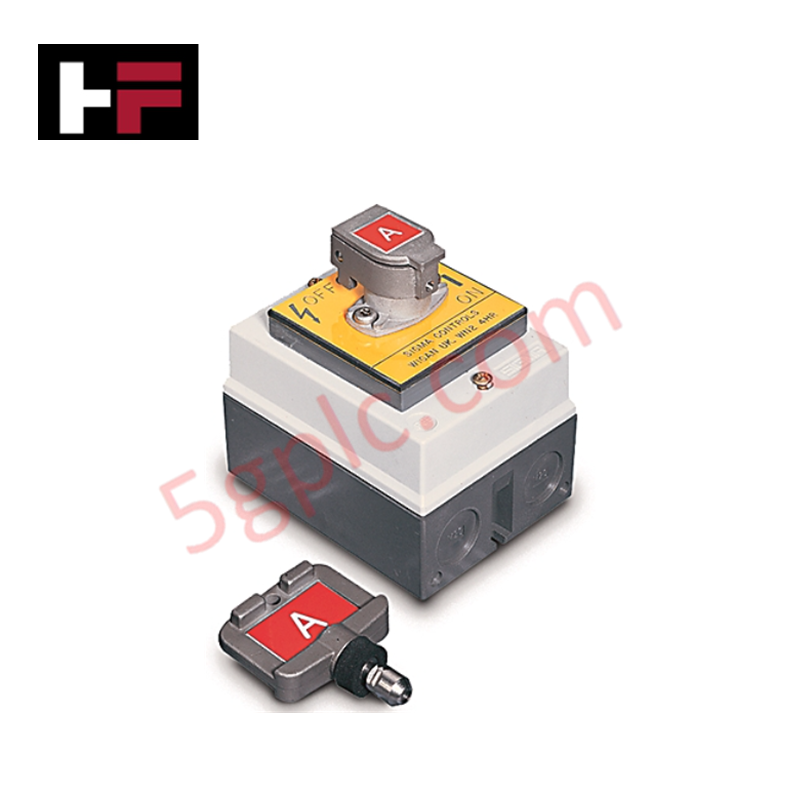
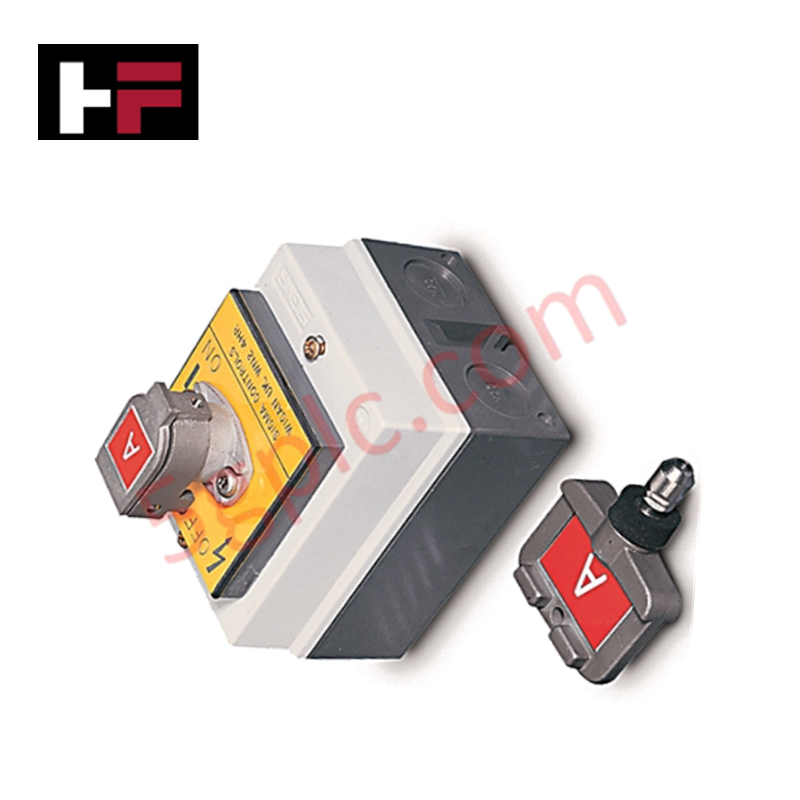
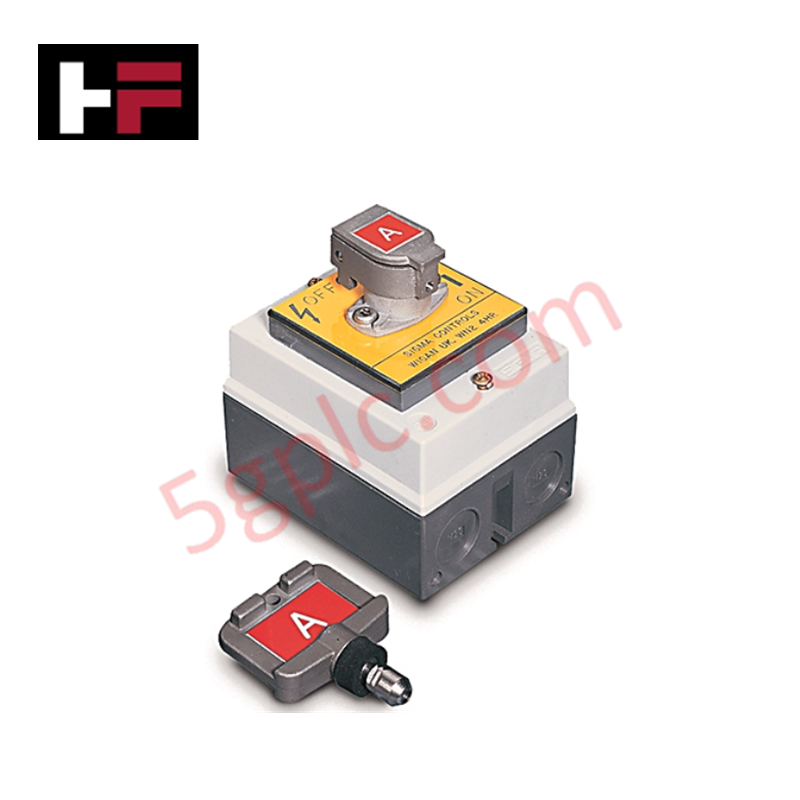
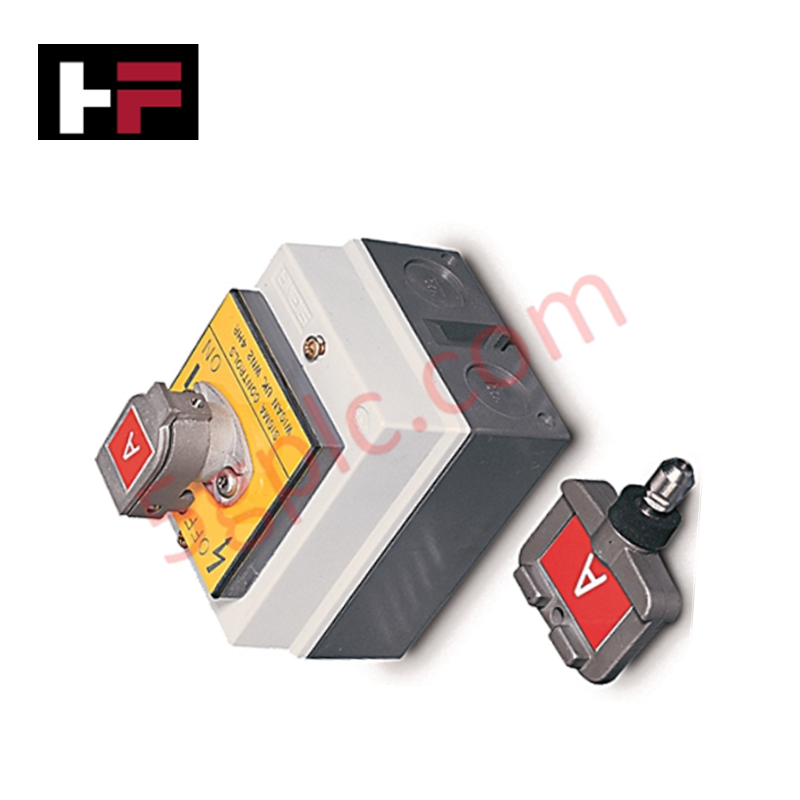
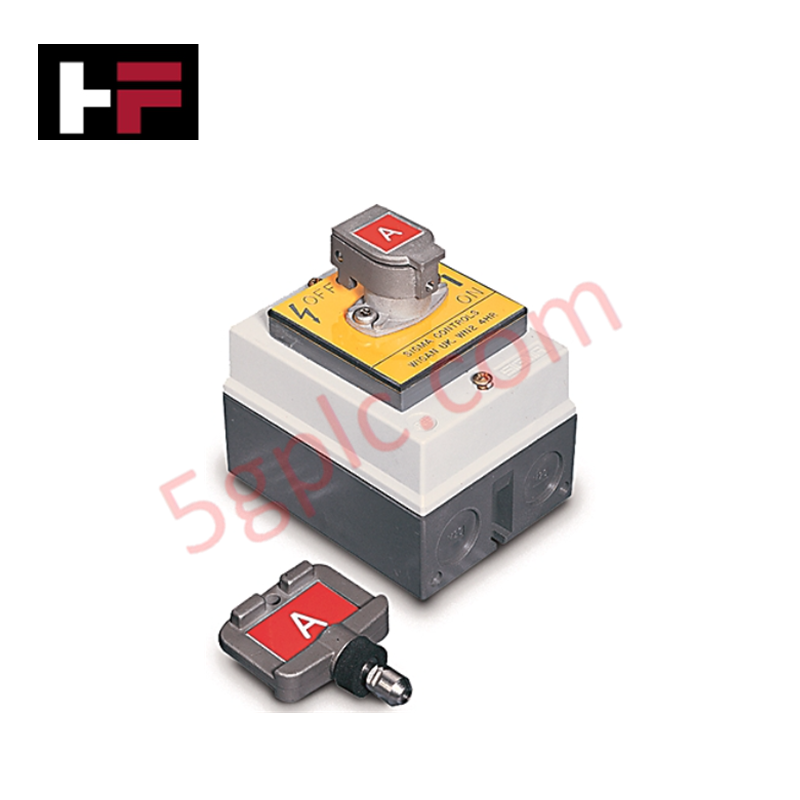
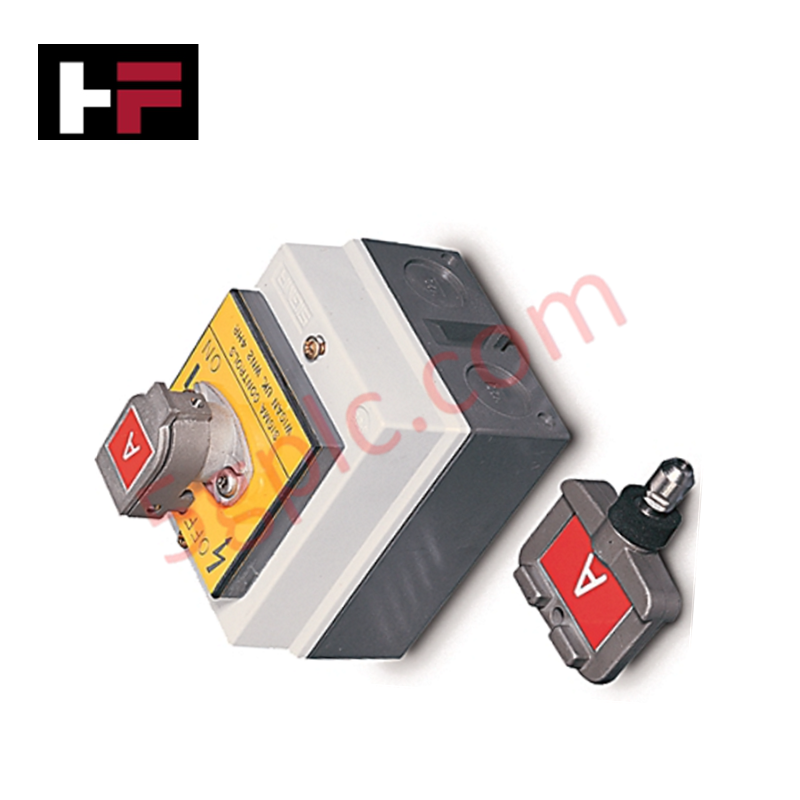
Mitigating Emergency Stop Spurious Trips in Industrial Control Systems
Emergency stop (E-Stop) pushbuttons serve as vital safety devices in factory automation and process control plants. Functional safety standards mandate normally-closed (NC) contact blocks to ensure fail-safe operation during wiring breaks or power outages. However, mechanical degradation over time can trigger unexpected spurious trips, halting production lines without an actual emergency. Understanding the underlying causes of mechanical contact failure allows automation engineers to implement robust, fault-tolerant safety circuits.