










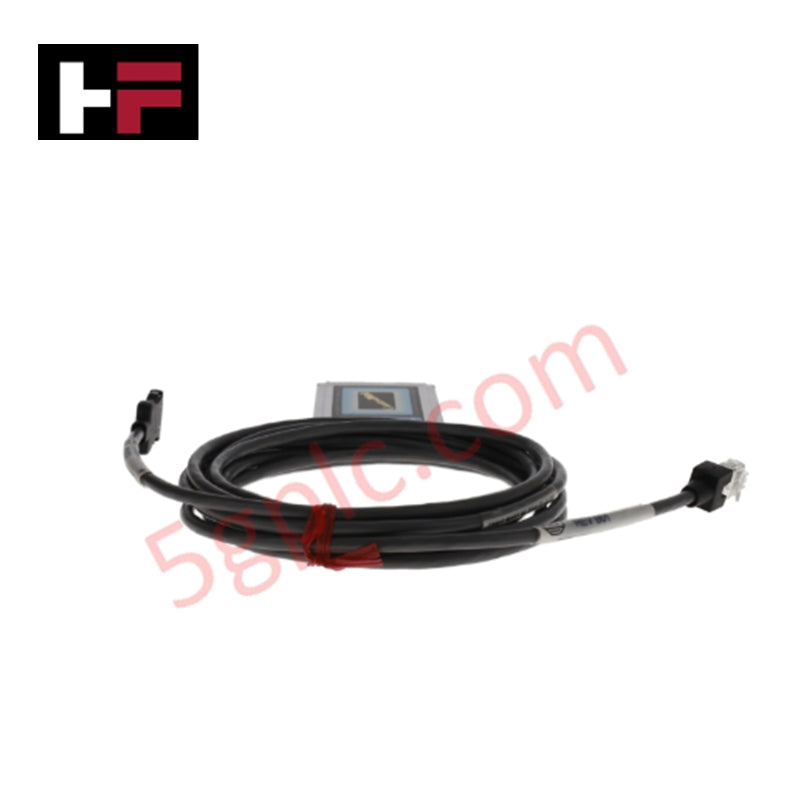
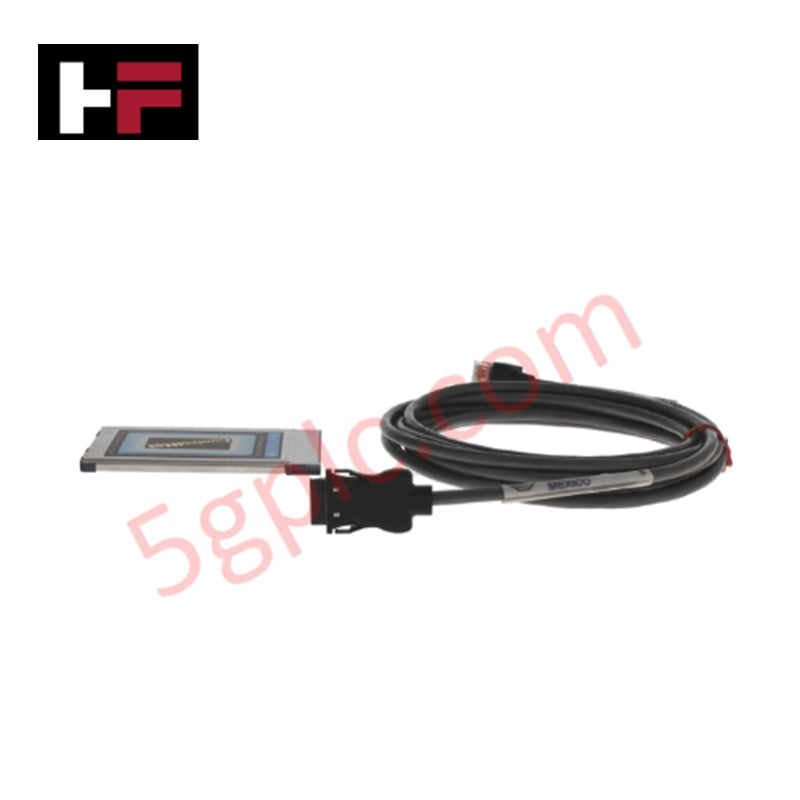
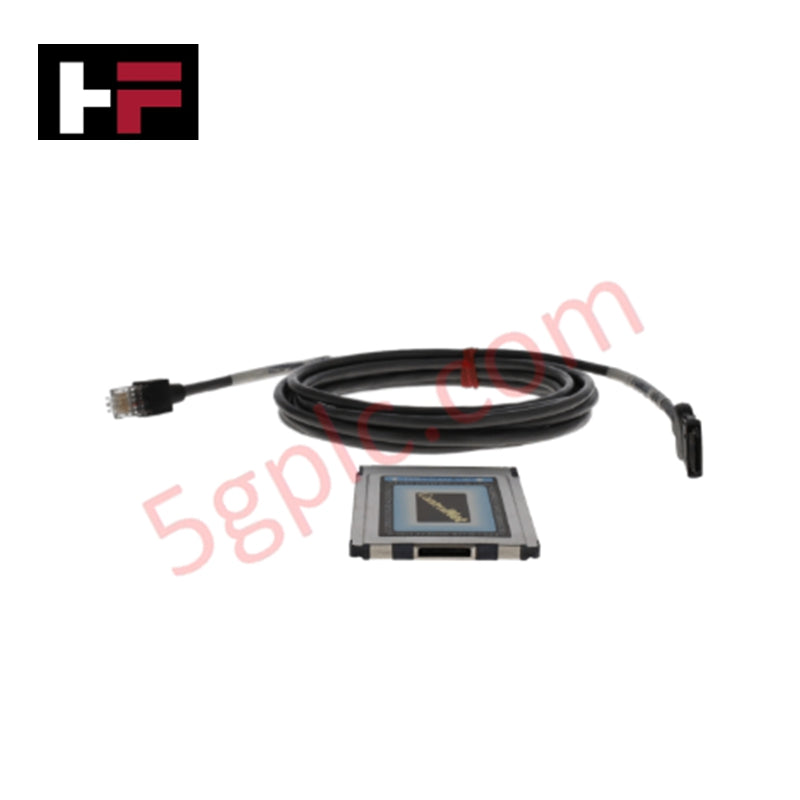
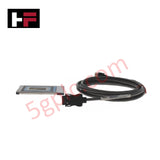
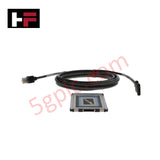
Product Details
Product Overview
The Allen-Bradley 1784-PCC serves as a specialized communication interface designed to bridge industrial laptops or portable computers with ControlLogix and other ControlNet-enabled systems. This PCMCIA Type II card enables engineers to perform high-speed uploads, downloads, and online monitoring of PLC programs directly via a 68-pin connector interface. We supply this unit as 100% Brand New and Original, ensuring optimal signal timing and hardware compatibility for mission-critical onsite troubleshooting and system commissioning.
Technical Specifications
| Parameter | Specification Details |
| Card Type | PCMCIA Type II |
| Protocol | ControlNet |
| Connector | 68-Pin Interface |
| Input Power | 5V DC |
| Current Consumption | 225 mA |
| Interface Port | ControlNet Network Access Port (NAP) via cable |
| Compatibility | Laptops with PC Card Slots |
| Weight | 0.22 lbs (0.10 kg) |
Engineering Advantages
-
High-Speed Network Access: The 1784-PCC facilitates a direct, deterministic connection to ControlNet networks. Unlike generic serial adapters, this card manages the complex timing requirements of the ControlNet protocol, preventing time-out errors during massive data transfers or firmware updates.
-
Low Power Logic Design: The card draws only 225 mA at 5V DC directly from the host laptop's PCMCIA bus. This efficient power management extends the battery life of field service laptops, allowing for longer diagnostic sessions in environments without immediate access to AC power.
-
Rugged 68-Pin Interface: The high-density 68-pin connector ensures a secure physical link between the card and the communication cable. This robust mechanical connection withstands the frequent insertion and removal cycles typical of field service work, maintaining electrical integrity over years of use.
-
Seamless Studio 5000 Integration: Standard RSLinx drivers recognize the 1784-PCC immediately upon insertion. This plug-and-play capability allows engineers to establish communications with the controller in seconds, drastically reducing the setup time required for emergency onsite repairs.
FAQs
Q: Can I use the 1784-PCC with modern laptops that lack a PCMCIA slot?
A: No. The 1784-PCC requires a native PCMCIA Type II (PC Card) slot. Most modern laptops utilize ExpressCard or USB-C ports. If your hardware lacks a legacy slot, you may require a specialized industrial computer or an active bridge, though native PCMCIA remains the most stable interface for this specific card.
Q: Since the manufacturer discontinued this model in 2009, is this a used part?
A: No. We guarantee this 1784-PCC is 100% Brand New and Original. It arrives in its original factory packaging. This is critical for communication cards, as used units often suffer from bent pins or degraded capacitors that cause intermittent network drops.
Q: Does the 1784-PCC require an external power supply?
A: No. The card draws all necessary operating power directly from the laptop's internal bus. You only need to connect the appropriate ControlNet media cable (such as the 1784-PCC1 or PCC2) to interface with the network tap or the processor's access port.
Q: How do I ensure the card is recognized by RSLinx?
A: You must select the "1784-PCC" driver type within the RSLinx "Configure Drivers" menu. Ensure you have installed the correct version of the driver compatible with your operating system, typically Windows XP or Windows 7 (32-bit), which were the primary environments for this hardware.
Additional Information
- 100% Genuine Parts: All products are original and authentic, ensuring reliable industrial performance.
- 30-Day Refund Guarantee: Return any in-stock item within 30 days in original, unopened packaging for a full refund (excluding shipping and fees).
- 12-Month Warranty: Covers defects in materials or workmanship; excludes misuse, normal wear, or unauthorized modifications.
- Worldwide Shipping: We ship via USPS, UPS, FedEx, and DHL. Delivery times vary by country and may be subject to customs or import fees.
- Support & Contact: Technical and warranty assistance is available anytime. Contact us here: Contact.
- Purchase Guidance: Check product specifications and compatibility carefully before ordering to ensure proper application.
Tech & Buying Guide

Static UPS vs. Rotary UPS: Technical Evaluation for Industrial Automation

Comprehensive Guide to Noise Types in Industrial Automation and Electronics

Mitigating Emergency Stop Spurious Trips in Industrial Control Systems
Emergency stop (E-Stop) pushbuttons serve as vital safety devices in factory automation and process control plants. Functional safety standards mandate normally-closed (NC) contact blocks to ensure fail-safe operation during wiring breaks or power outages. However, mechanical degradation over time can trigger unexpected spurious trips, halting production lines without an actual emergency. Understanding the underlying causes of mechanical contact failure allows automation engineers to implement robust, fault-tolerant safety circuits.