






Product Details
Product Overview
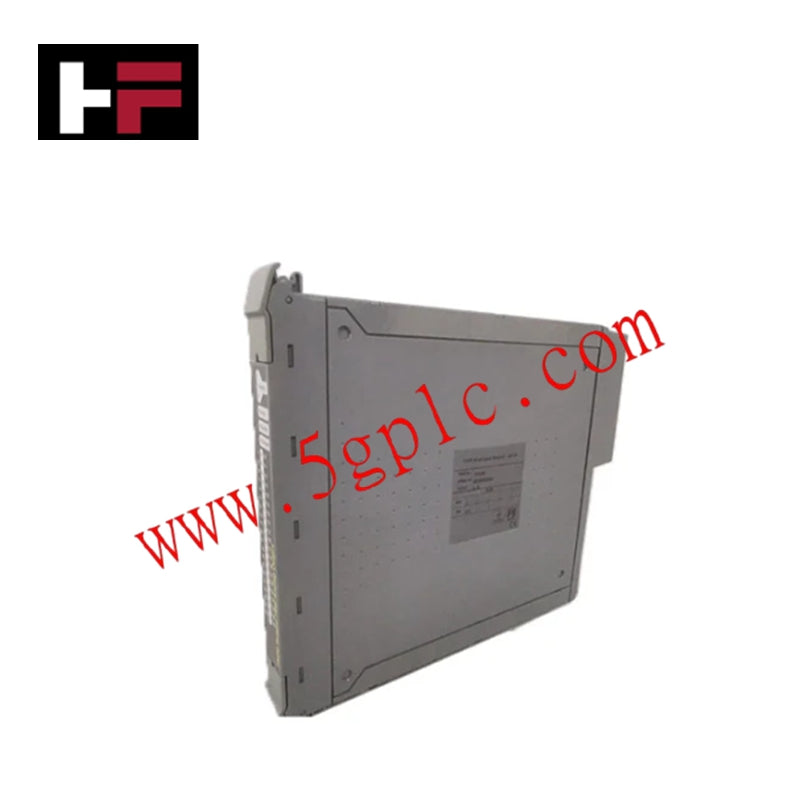
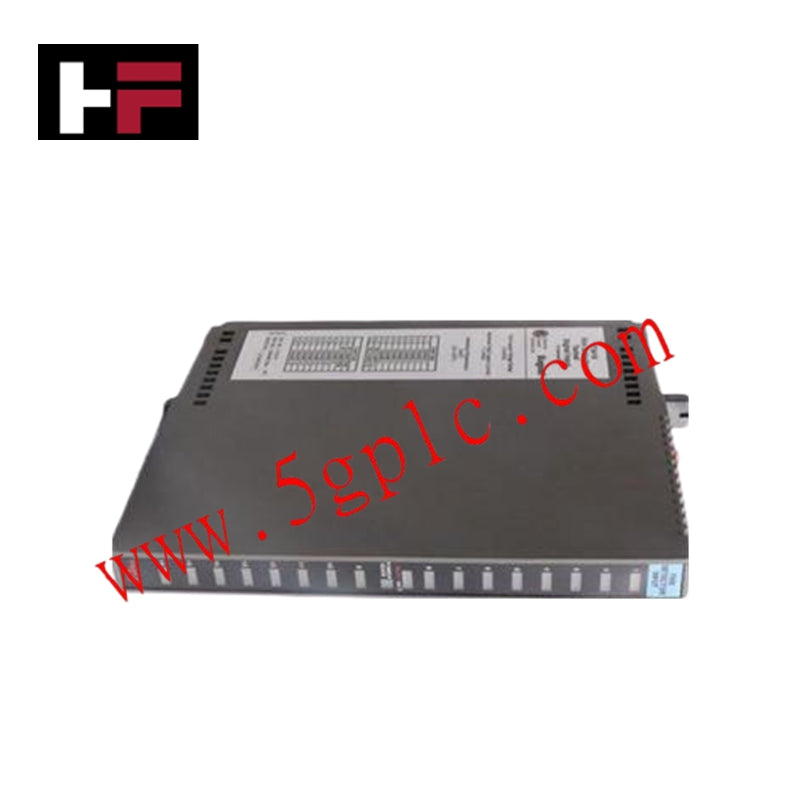
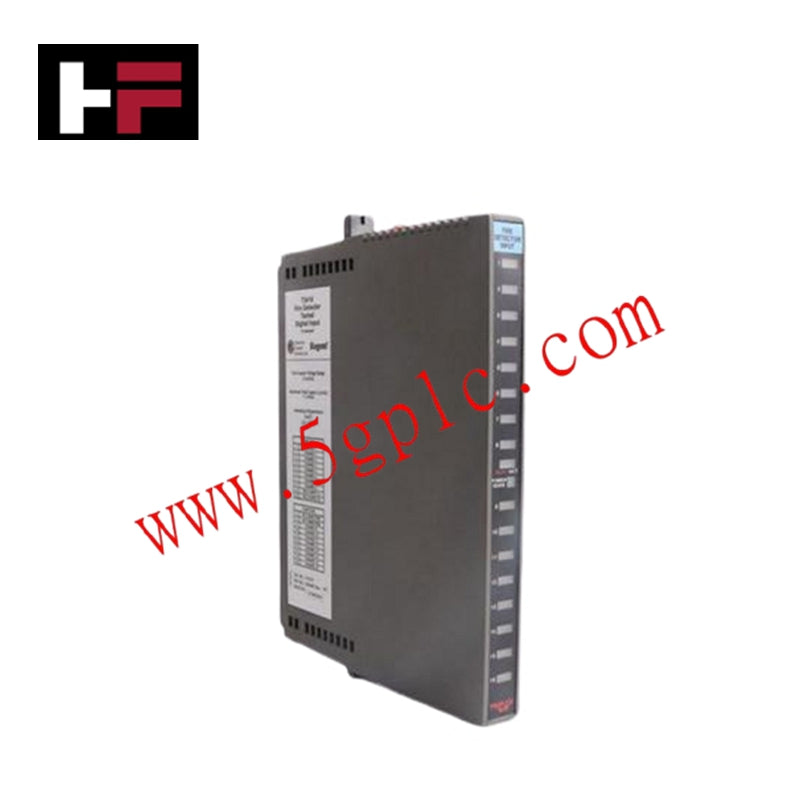
The Allen Bradley 1769-ASCII serves as a specialized communication bridge for the CompactLogix platform. This module enables PLC systems to interface directly with ASCII-based serial devices such as barcode scanners, weigh scales, printers, and vision sensors. It manages complex character strings and handshaking protocols independently, offloading the processing burden from the main controller CPU. We supply this unit as 100% Brand New and Original, ensuring seamless serial integration for your automated data acquisition tasks.
Technical Specifications
The 1769-ASCII provides flexible serial connectivity through the following hardware parameters:
| Feature | Specification |
| Manufacturer | Allen Bradley |
| Product Line | CompactLogix |
| Module Type | ASCII Communication Interface |
| Serial Channels | 2 Full Duplex (RS-232, RS-422); 2 Half Duplex (RS-485) |
| Power Rating | 425mA @ 5V DC |
| Isolation Voltage | 30V Continuous |
| Input/Config Words | 108 Input Words / 31 Configuration Words |
| Hardware Handshaking | RTS/CTS Supported |
| Operating Temperature | 0 to 62 °C (32 to 140 °F) |
| Power Dissipation | 2.13 Watts (Max) |
| Distance Rating | 4 (Power Supply Distance) |
Engineering Advantages
The 1769-ASCII addresses specific technical hurdles in industrial serial communication:
-
Protocol Independence: The module handles raw ASCII data streams, allowing engineers to write custom parsing logic for non-standard serial devices. This eliminates the need for external third-party protocol converters.
-
Robust Handshaking: Integrated RTS/CTS hardware handshaking manages data flow between the PLC and peripheral. This prevents buffer overflows and data loss during high-speed transmissions or when communicating with slow-response devices.
-
Multi-Standard Support: A single module supports RS-232, RS-422, and RS-485 electrical interfaces. This flexibility allows a single spare part to cover multiple field applications, from short-range point-to-point links to long-range multi-drop networks.
-
Diagnostic Transparency: The module reports real-time status flags including TX/RX FIFO overflows and parity errors. These diagnostics allow maintenance teams to pinpoint wiring issues or baud rate mismatches immediately without advanced serial analyzers.
FAQs
-
How many 1769-ASCII modules can I install in one CompactLogix rack?
The power supply distance rating for this module is 4. You must install the 1769-ASCII within four slots of the 1769 power supply to ensure sufficient current across the backplane. Always calculate the total backplane current draw to prevent system instability.
-
Which cable should I use for RS-485 configurations?
We recommend the Belden 8761 shielded twisted-pair cable. Proper shielding protects the 3…25V DC serial signals from electromagnetic interference (EMI) commonly found in industrial environments near high-power motor drives.
-
Does this module support Modbus RTU?
The 1769-ASCII is designed for generic ASCII string manipulation. While you can technically write ladder logic to handle Modbus RTU frames, the 1769-SM2 or a dedicated ProSoft module typically provides a more efficient solution for Modbus-specific protocols.
-
How does the module handle large data packets?
The module utilizes 108 input words to buffer incoming character strings. It assigns a unique Transaction ID (0–255) to each data transfer, allowing the controller to synchronize and verify every message received from the serial device.
Additional Information
- 100% Genuine Parts: All products are original and authentic, ensuring reliable industrial performance.
- 30-Day Refund Guarantee: Return any in-stock item within 30 days in original, unopened packaging for a full refund (excluding shipping and fees).
- 12-Month Warranty: Covers defects in materials or workmanship; excludes misuse, normal wear, or unauthorized modifications.
- Worldwide Shipping: We ship via USPS, UPS, FedEx, and DHL. Delivery times vary by country and may be subject to customs or import fees.
- Support & Contact: Technical and warranty assistance is available anytime. Contact us here: Contact.
- Purchase Guidance: Check product specifications and compatibility carefully before ordering to ensure proper application.
Tech & Buying Guide
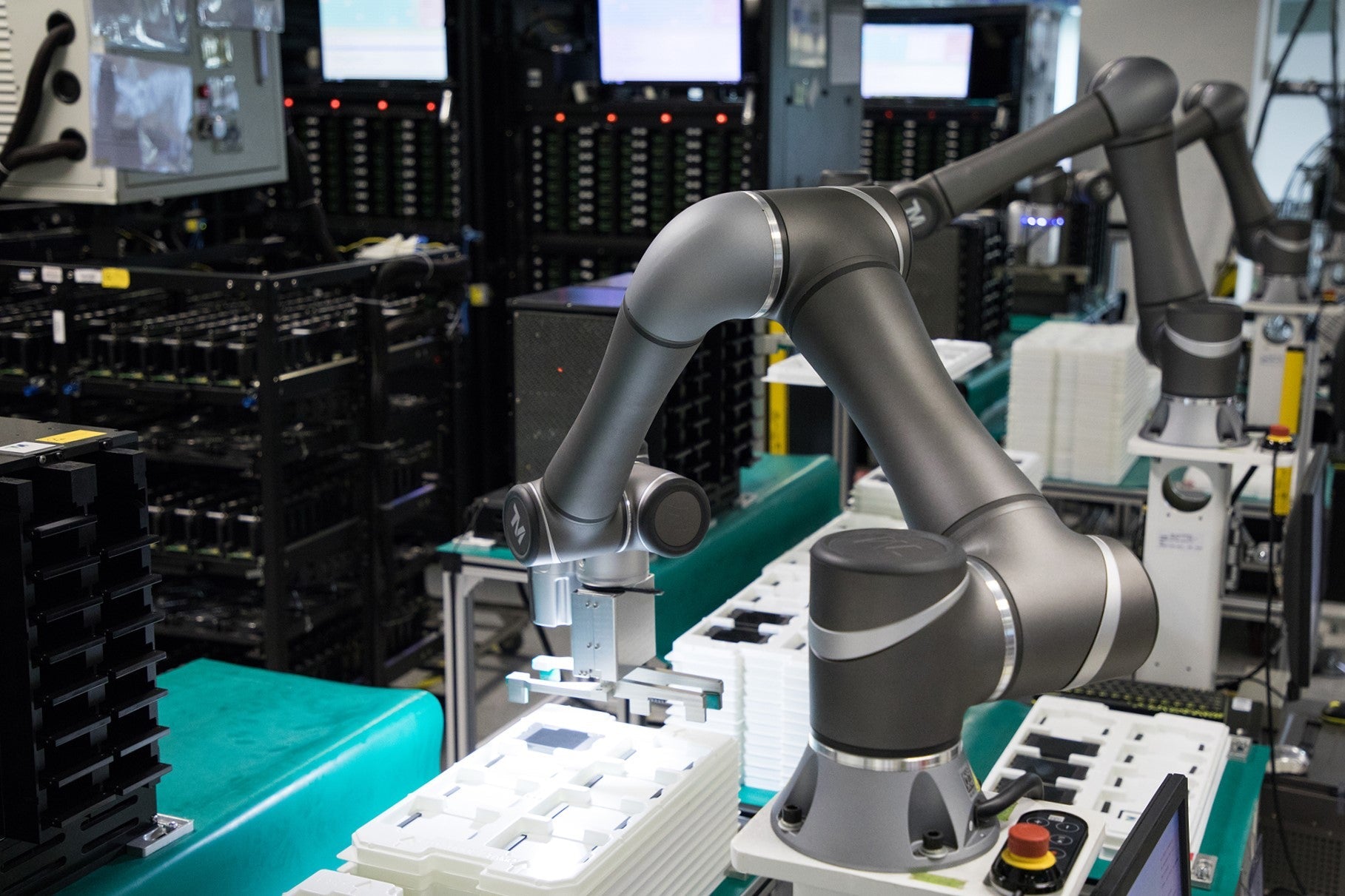
Redundant Automation Systems: Ensuring Continuous Uptime in Critical Control Infrastructure
System reliability directly determines operational profitability across high stakes process industries. Modern industrial automation platforms must eliminate single points of failure to prevent catastrophic shutdowns. Deploying fault tolerant architecture safeguards complex facilities against unexpected hardware glitches, network disruptions, and maintenance outages.

Understanding Types of Noise in Electronic Circuits and Control Systems
Signal integrity directly determines measurement accuracy and loop stability across industrial automation environments. Electronic noise introduces unwanted stochastic interference into analog loops, sensor feedback lines, and digital fieldbus networks. Understanding how intrinsic electronic noise and external electromagnetic interference manifest allows control engineers to optimize signal conditioning and shield sensitive instrumentation effectively.

Why 24V DC Power Supplies Standardize Modern Industrial Automation
Industrial control cabinets worldwide rely on 24V DC as the universal power standard for field instrumentation, sensors, and controllers. Walk into any manufacturing plant, and you will find PLCs, human-machine interfaces (HMIs), and smart actuators running on extra-low voltage DC. Standardizing on 24V DC enhances operational safety, lowers cabinet footprint, and maintains steady control performance across factory networks.