












Product Details
Description
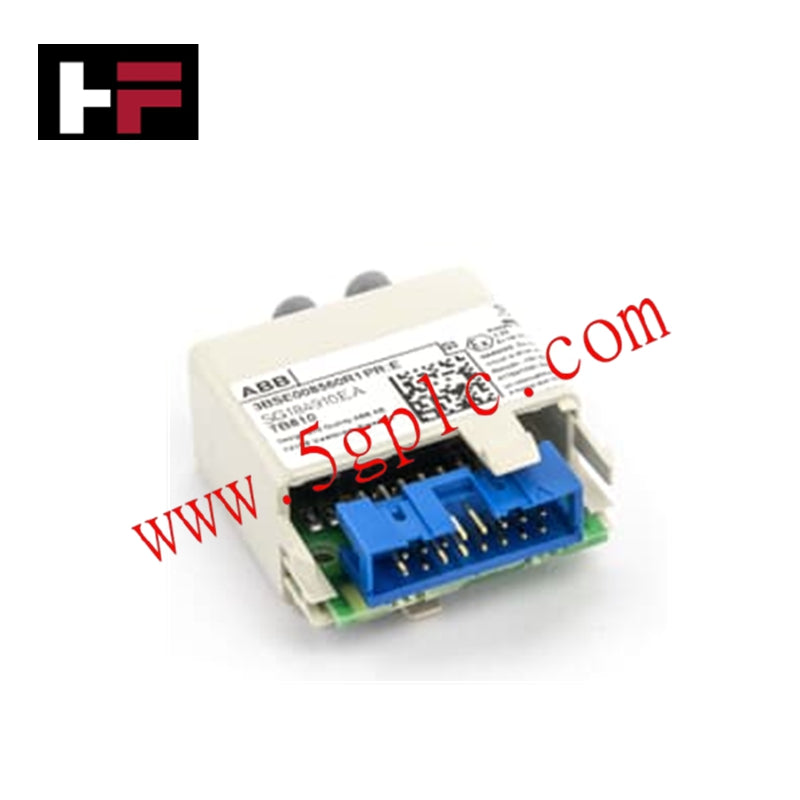
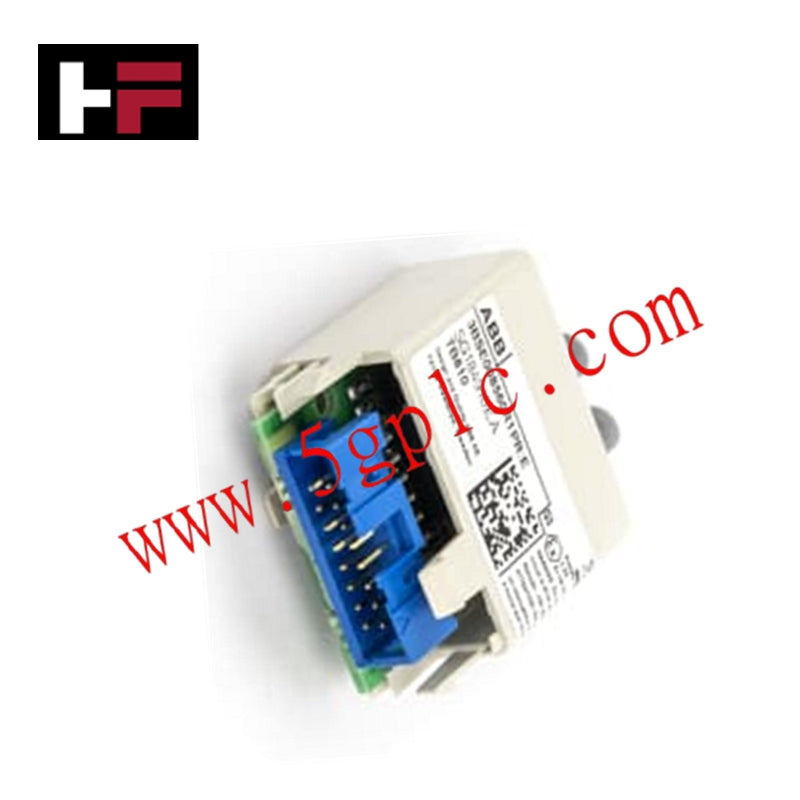
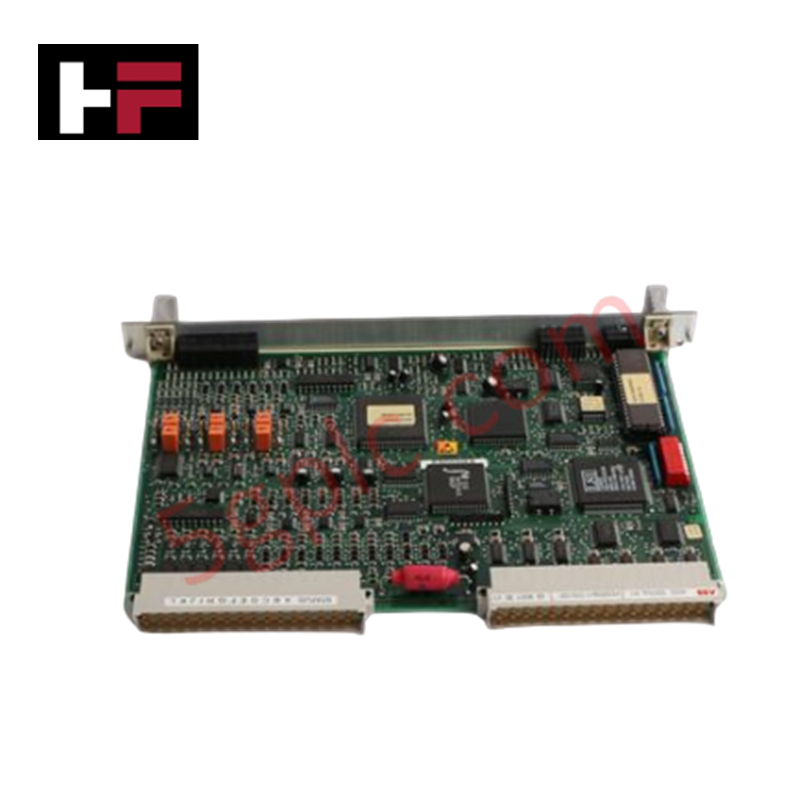
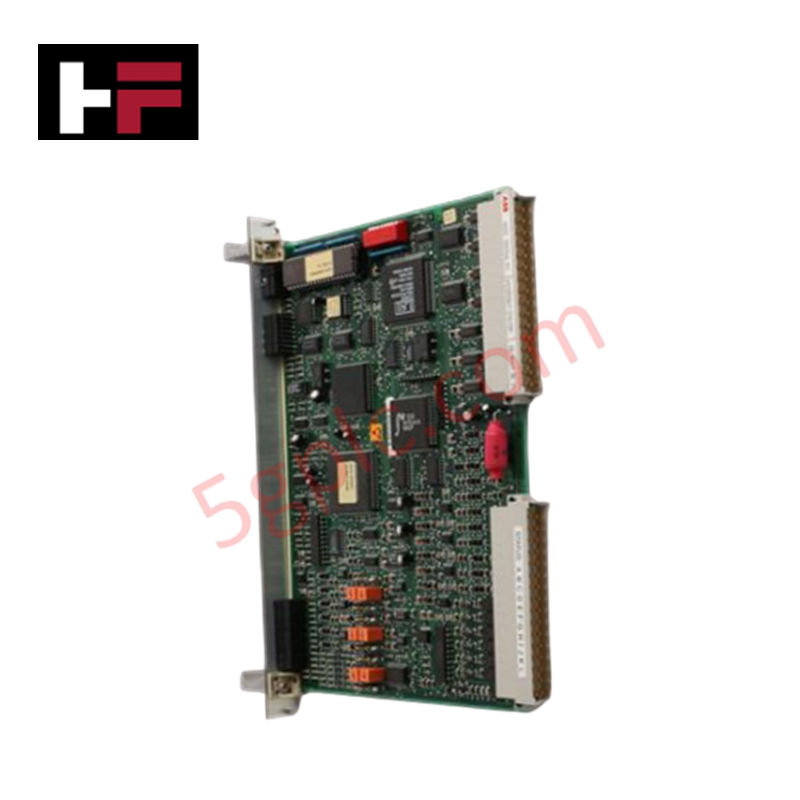
The TB810 3BSE008560R1 is a key component for distributed I/O in the System 800xA environment. Using Plastic Optical Fiber (POF) or Hard Clad Silica (HCS) fiber, it connects remote S800 I/O clusters to the main processor, ideal for environments with high electromagnetic interference or differing ground potentials. The module mounts easily on a DIN rail and connects directly to the ModuleBus, supporting both point-to-point and star-topology configurations with optical hubs, enabling a flexible and scalable I/O network.
Specifications
-
Manufacturer: ABB
-
Model Number: TB810 (3BSE008560R1)
-
Product Type: ModuleBus Optical Port
-
Compatibility: S800 I/O System / AC 800M Controllers
-
Transmission Medium: Plastic Optical Fiber (POF) or HCS
-
Data Rate: Up to 12 Mbit/s
-
Power Supply: Internal via ModuleBus (5V DC)
-
Current Consumption: Typ. 100 mA
-
Optical Connector: Versatile Link (simplex or duplex)
-
Weight: 0.15 kg
Features
-
Advanced Signal Isolation: Protects the central control logic from field-side electrical surges and ground loops by utilizing light-based data transmission.
-
EMI/RFI Resilience: Eliminates the risk of data corruption caused by proximity to high-voltage equipment, motors, or variable frequency drives.
-
Flexible Topology Support: Facilitates the expansion of I/O clusters in diverse layouts, including extending the bus to separate control cabinets.
-
Seamless Integration: Fully transparent to the system software, requiring no special programming to convert electrical bus signals to optical format.
-
Diagnostic Indicators: Features integrated LED status lights for power and communication activity, aiding in rapid field troubleshooting.
-
Industrial Durability: Built to withstand the harsh thermal and mechanical conditions typical of process industries and power generation facilities.
Additional Information
- 100% Genuine Parts: All products are original and authentic, ensuring reliable industrial performance.
- 30-Day Refund Guarantee: Return any in-stock item within 30 days in original, unopened packaging for a full refund (excluding shipping and fees).
- 12-Month Warranty: Covers defects in materials or workmanship; excludes misuse, normal wear, or unauthorized modifications.
- Worldwide Shipping: We ship via USPS, UPS, FedEx, and DHL. Delivery times vary by country and may be subject to customs or import fees.
- Support & Contact: Technical and warranty assistance is available anytime. Contact us here: Contact.
- Purchase Guidance: Check product specifications and compatibility carefully before ordering to ensure proper application.
Tech & Buying Guide
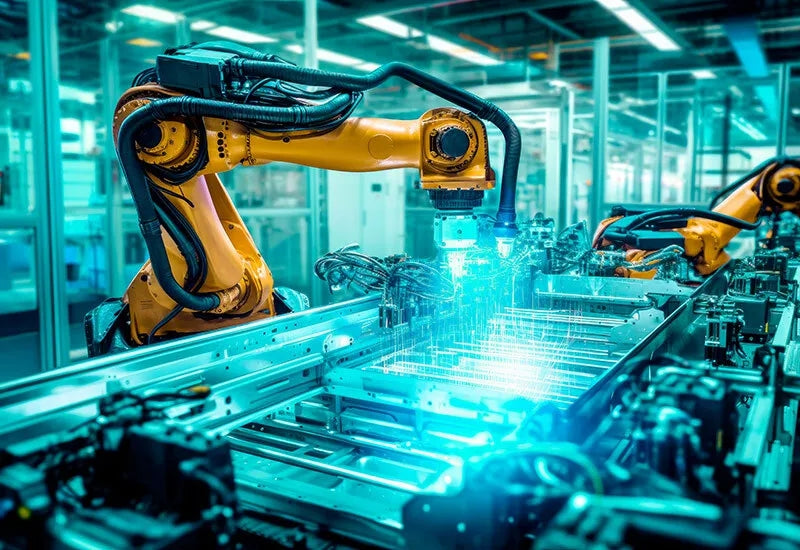
Why 24V DC Power Supplies Standardize Modern Industrial Automation
Industrial control cabinets worldwide rely on 24V DC as the universal power standard for field instrumentation, sensors, and controllers. Walk into any manufacturing plant, and you will find PLCs, human-machine interfaces (HMIs), and smart actuators running on extra-low voltage DC. Standardizing on 24V DC enhances operational safety, lowers cabinet footprint, and maintains steady control performance across factory networks.

Essential Motion Control Commands: A Practical Guide for Engineers
Automation engineers often rely on precise position and speed control to drive modern factory machinery. Modern industrial systems, such as Programmable Logic Controllers (PLCs) and Distributed Control Systems (DCS), depend heavily on standardized motion instructions. Mastering these commands ensures operational safety, protects mechanical components, and optimizes cycle times across production lines.
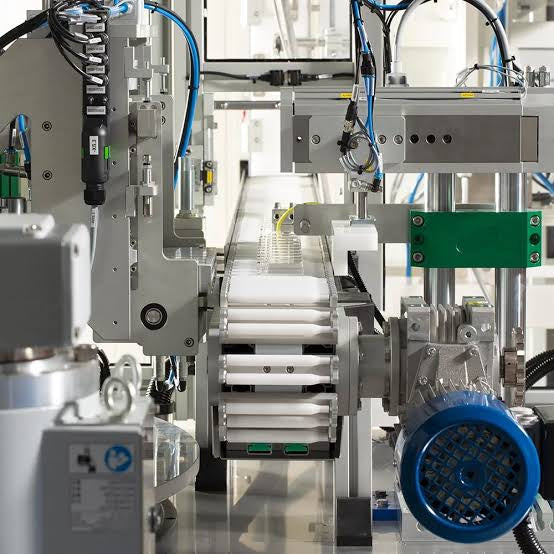
Mastering Modern Industrial Joystick Controls in Heavy Automation
Industrial joysticks play a pivotal role in human-machine interaction across heavy material handling and mobile hydraulics. These tactile controllers translate complex operator movements into precise electrical signals for PLCs, motion controllers, and DCS networks. Consequently, selecting and installing the right joystick architecture ensures operator safety, reduces fatigue, and optimizes equipment performance.