












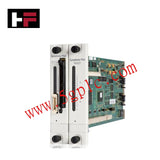
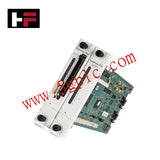

Product Details
Description
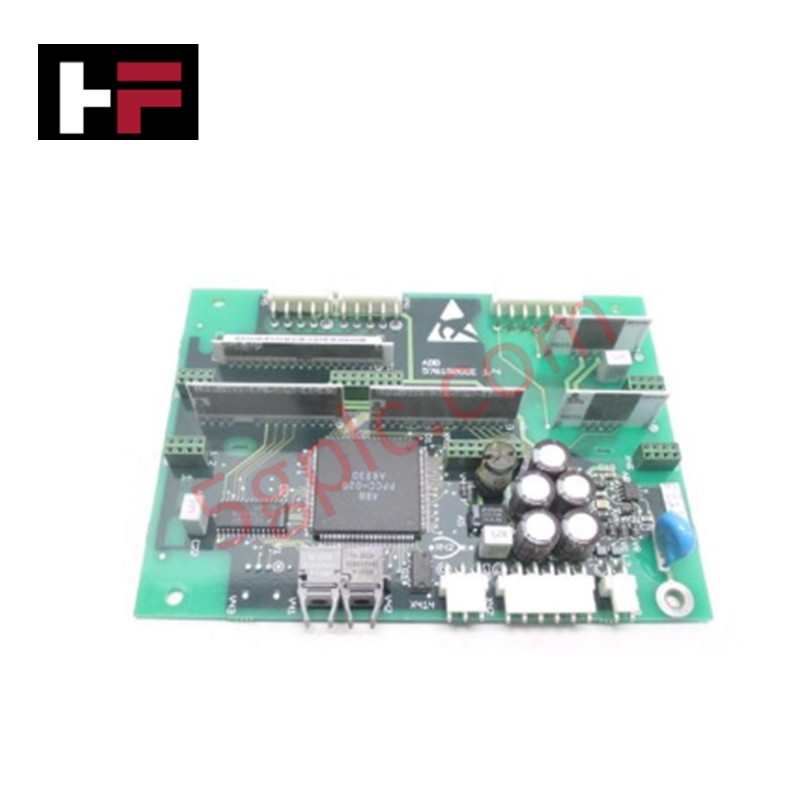
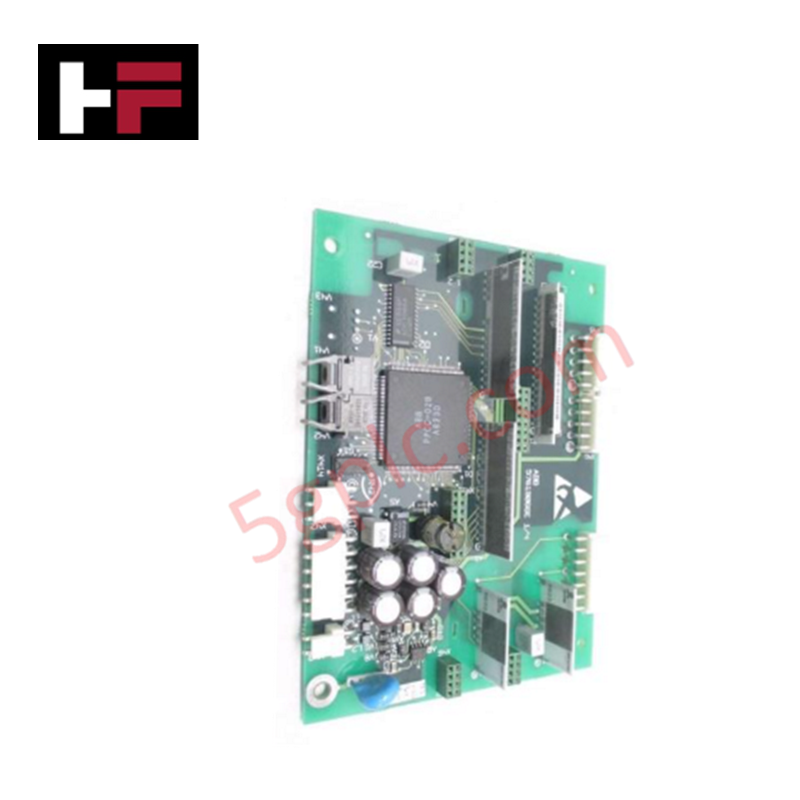
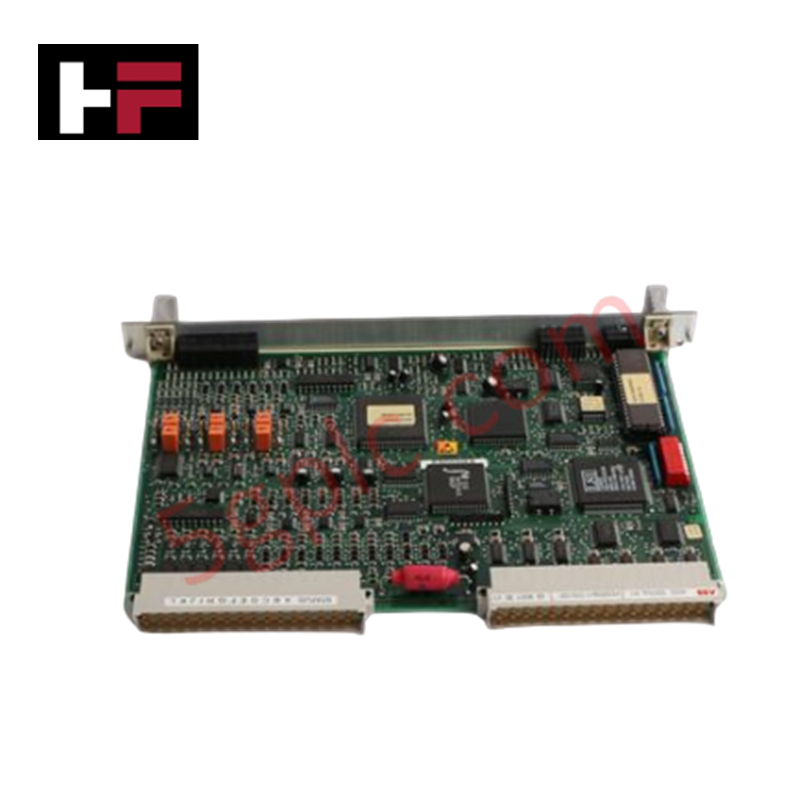
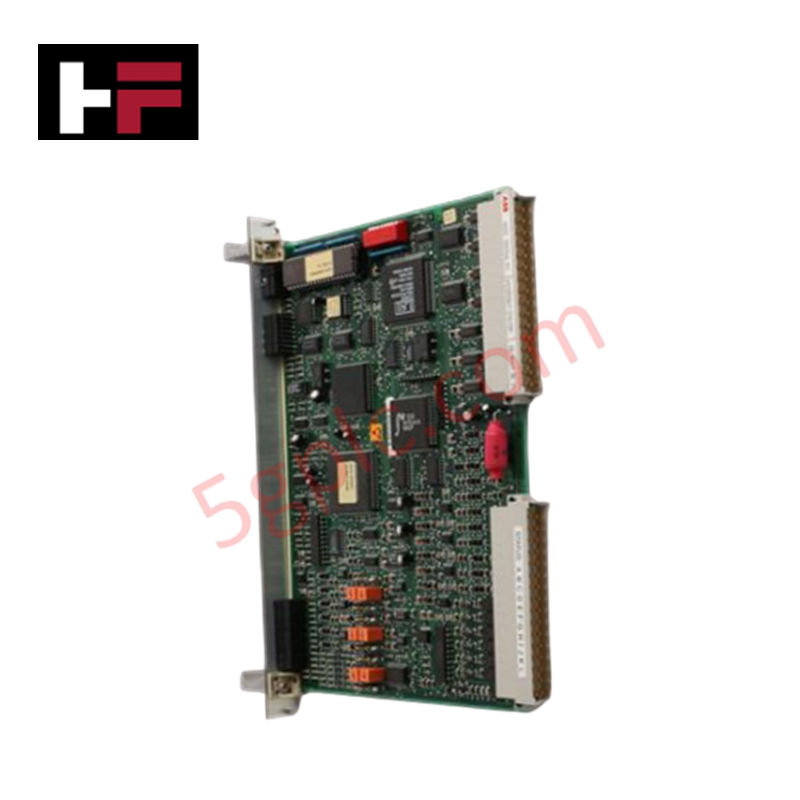
The SPNIS21 serves as the intelligent link between the Cnet (Control Network) and the local module bus. It is engineered to manage complex protocol conversions and data buffering, allowing various controller and I/O modules to communicate reliably across the DCS architecture. This module is essential for large-scale industrial networks where maintaining high throughput and low-latency communication is critical for real-time process control. By offloading communication tasks from the main processors, the SPNIS21 optimizes overall system performance and network stability.
Specifications
-
Manufacturer: ABB
-
Country of Origin: USA / Sweden
-
Model Number: SPNIS21
-
Product Series: Symphony Plus / Harmony / INFI 90
-
Module Type: Network Interface / Communication Module
-
Net Weight: 0.54 kg
-
Current Consumption: 1.2A @ 5V DC (typical)
-
Operating Temperature: 0 to 70 degrees Celsius
Features
-
Network Integration: Provides a seamless interface between the Infinet/Cnet communication loop and the Harmony control units.
-
Data Buffer Management: Features onboard memory to manage peak network traffic without loss of process data.
-
Redundant Link Support: Compatible with redundant network configurations to ensure communication path availability during cable or port failure.
-
High-Speed Processing: Equipped with a dedicated microprocessor to handle protocol execution independently of the control logic.
-
Diagnostic Reporting: Integrated status LEDs and software-accessible registers provide comprehensive details on network health and error rates.
Additional Information
- 100% Genuine Parts: All products are original and authentic, ensuring reliable industrial performance.
- 30-Day Refund Guarantee: Return any in-stock item within 30 days in original, unopened packaging for a full refund (excluding shipping and fees).
- 12-Month Warranty: Covers defects in materials or workmanship; excludes misuse, normal wear, or unauthorized modifications.
- Worldwide Shipping: We ship via USPS, UPS, FedEx, and DHL. Delivery times vary by country and may be subject to customs or import fees.
- Support & Contact: Technical and warranty assistance is available anytime. Contact us here: Contact.
- Purchase Guidance: Check product specifications and compatibility carefully before ordering to ensure proper application.
Tech & Buying Guide

Why 24V DC Power Supplies Standardize Modern Industrial Automation
Industrial control cabinets worldwide rely on 24V DC as the universal power standard for field instrumentation, sensors, and controllers. Walk into any manufacturing plant, and you will find PLCs, human-machine interfaces (HMIs), and smart actuators running on extra-low voltage DC. Standardizing on 24V DC enhances operational safety, lowers cabinet footprint, and maintains steady control performance across factory networks.

Essential Motion Control Commands: A Practical Guide for Engineers
Automation engineers often rely on precise position and speed control to drive modern factory machinery. Modern industrial systems, such as Programmable Logic Controllers (PLCs) and Distributed Control Systems (DCS), depend heavily on standardized motion instructions. Mastering these commands ensures operational safety, protects mechanical components, and optimizes cycle times across production lines.
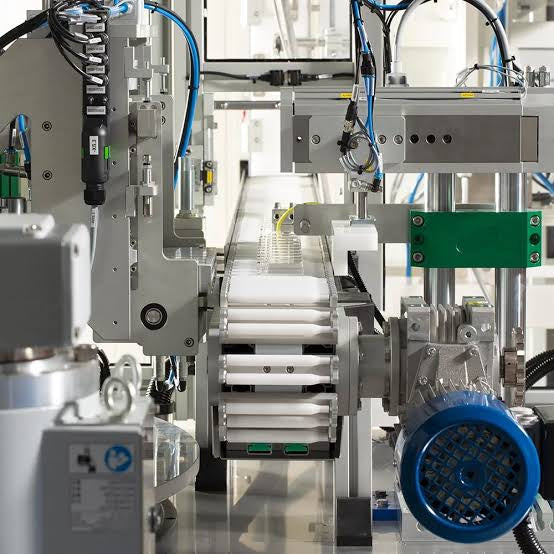
Mastering Modern Industrial Joystick Controls in Heavy Automation
Industrial joysticks play a pivotal role in human-machine interaction across heavy material handling and mobile hydraulics. These tactile controllers translate complex operator movements into precise electrical signals for PLCs, motion controllers, and DCS networks. Consequently, selecting and installing the right joystick architecture ensures operator safety, reduces fatigue, and optimizes equipment performance.