










Product Details
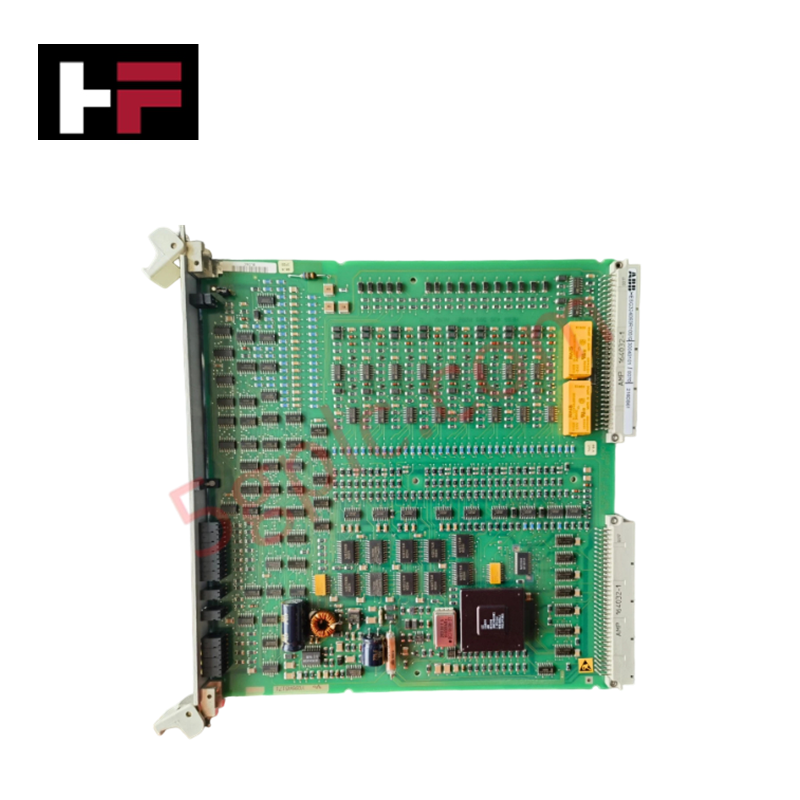
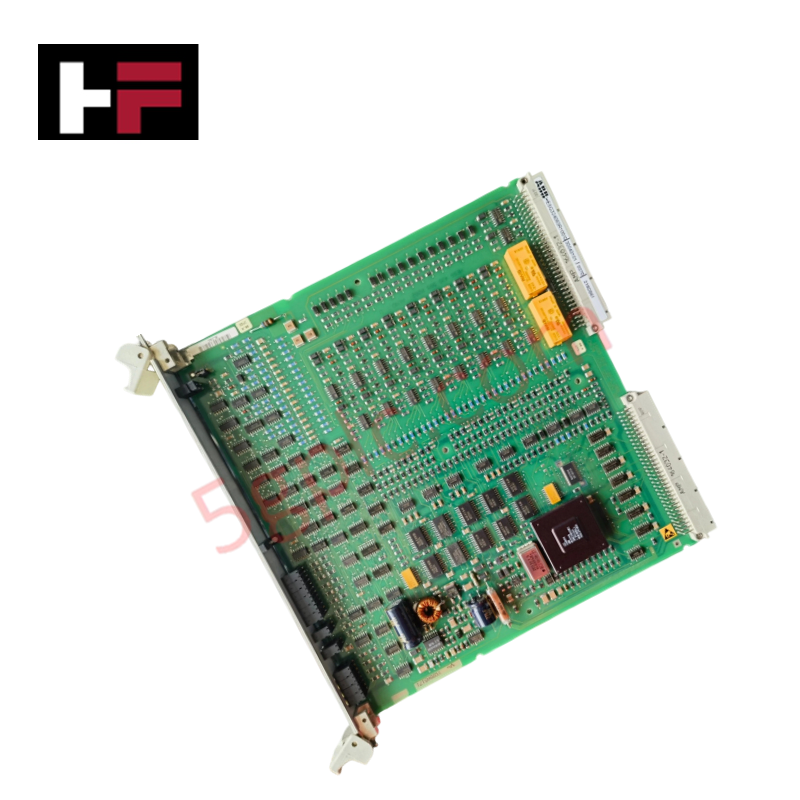
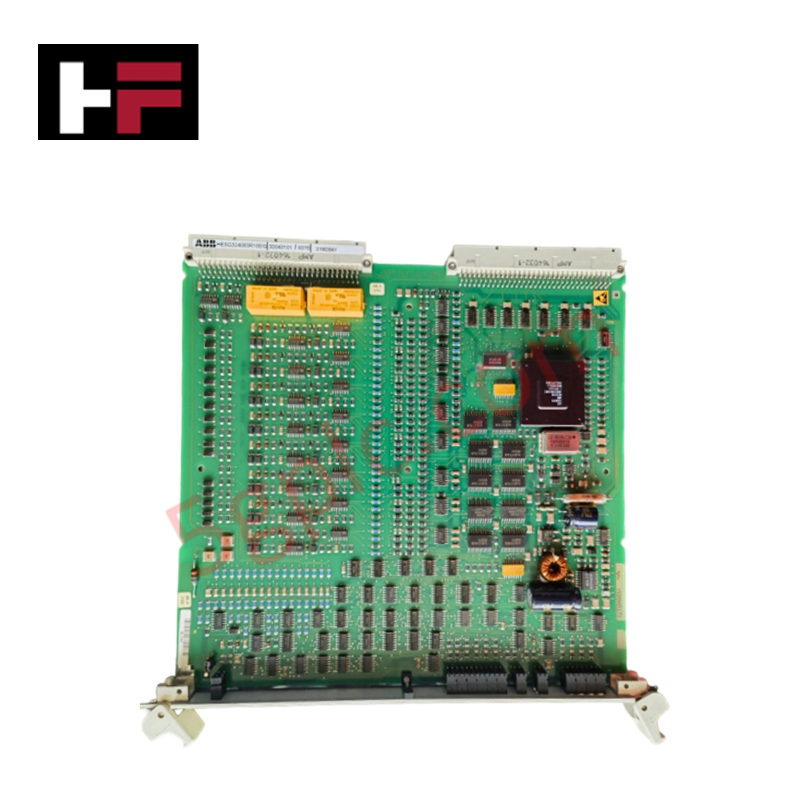
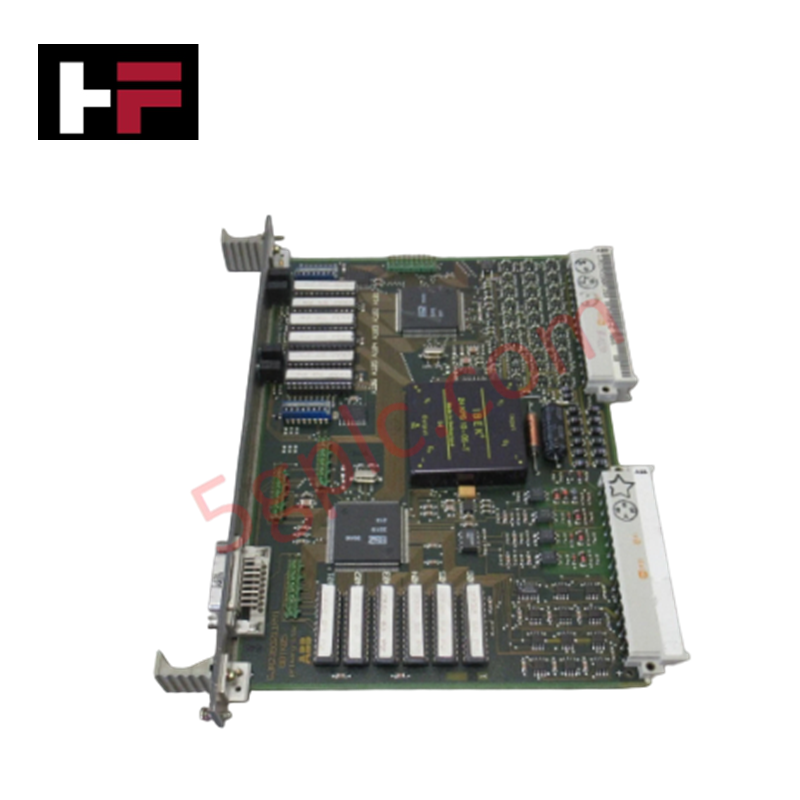
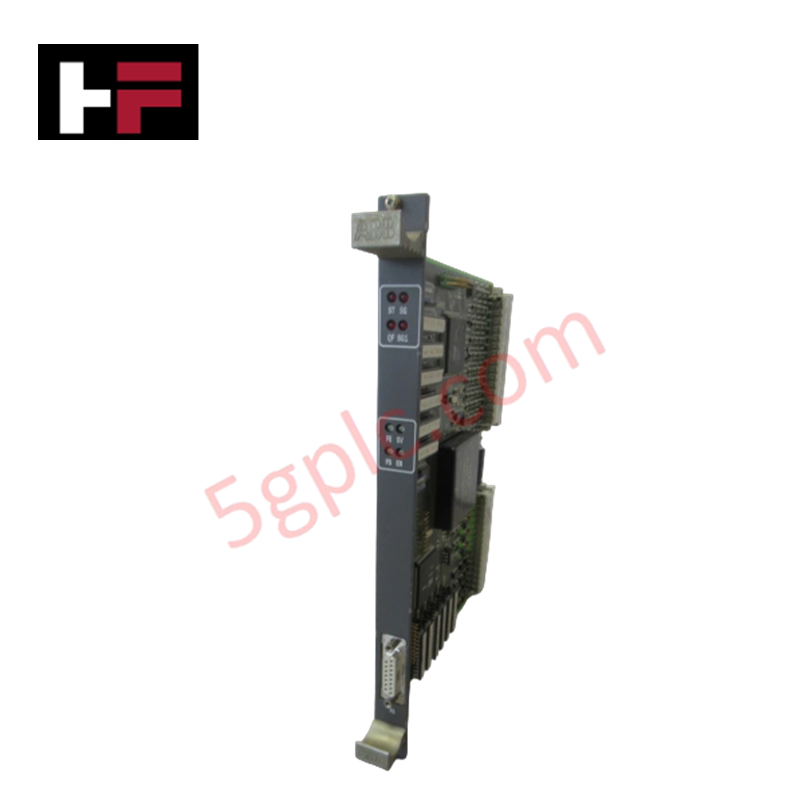
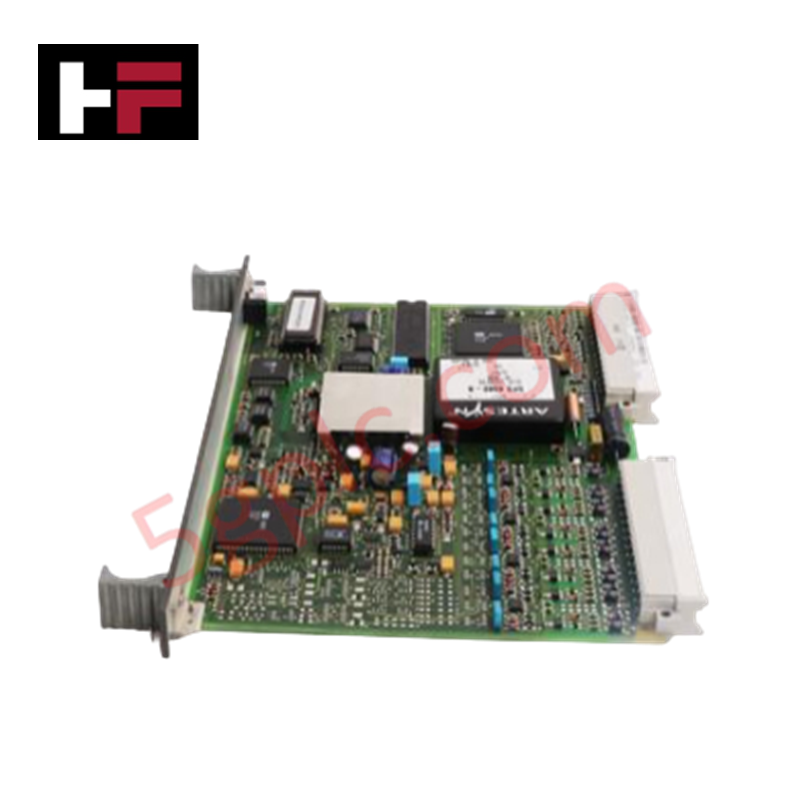
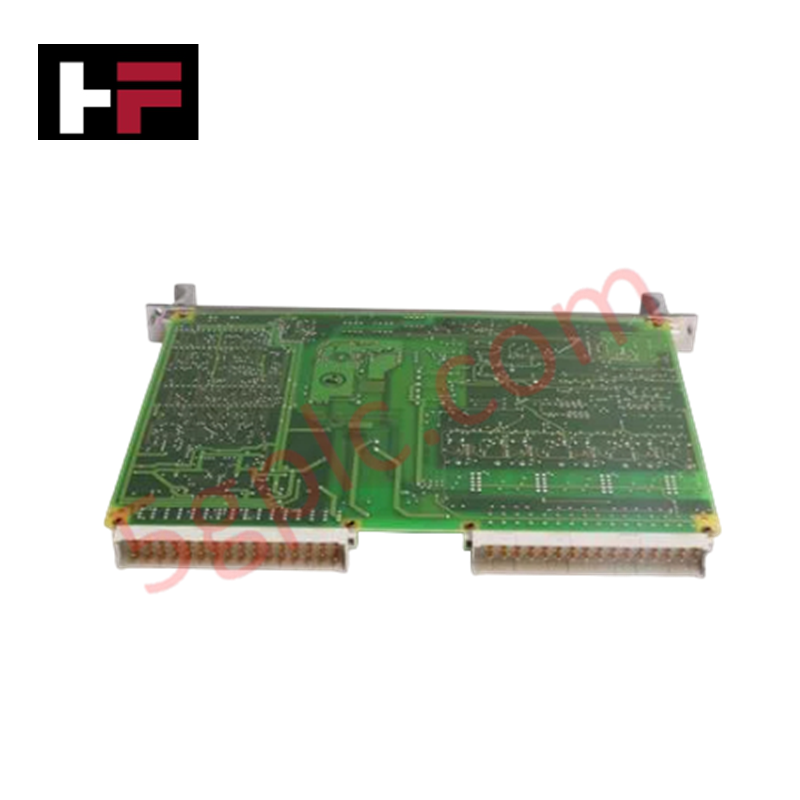
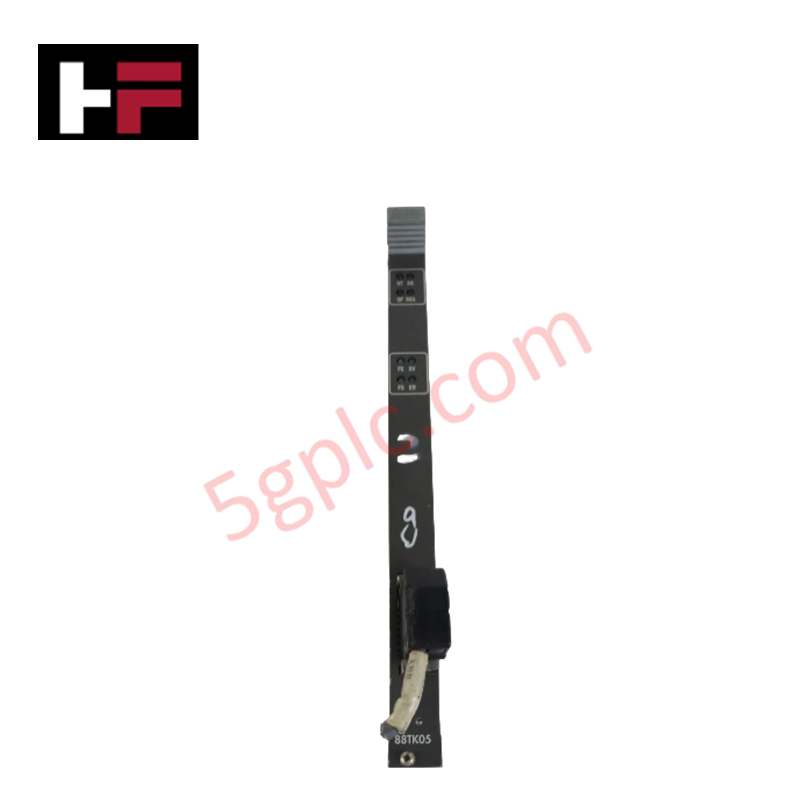
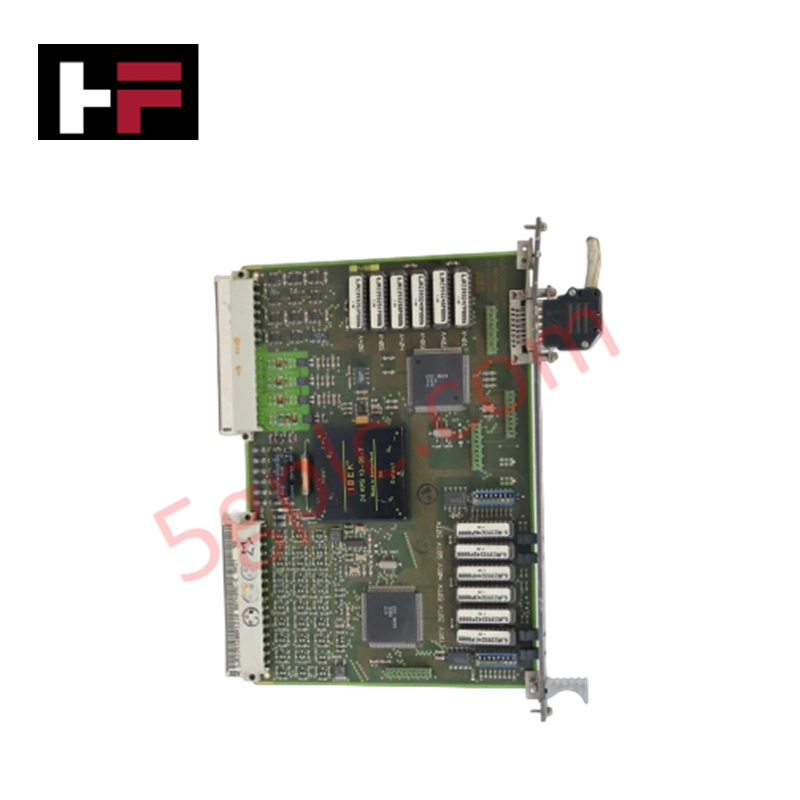
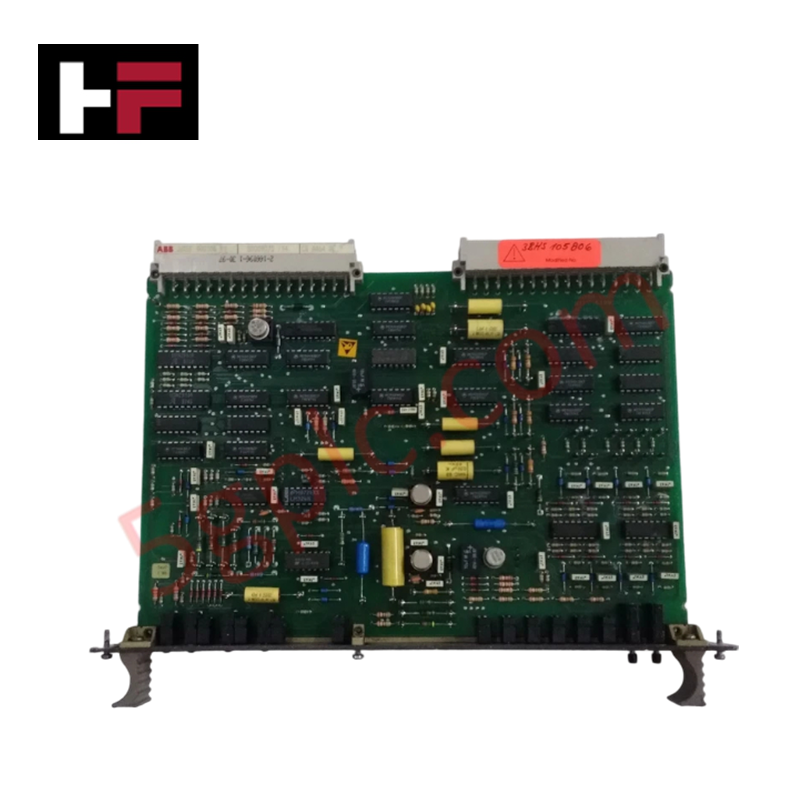
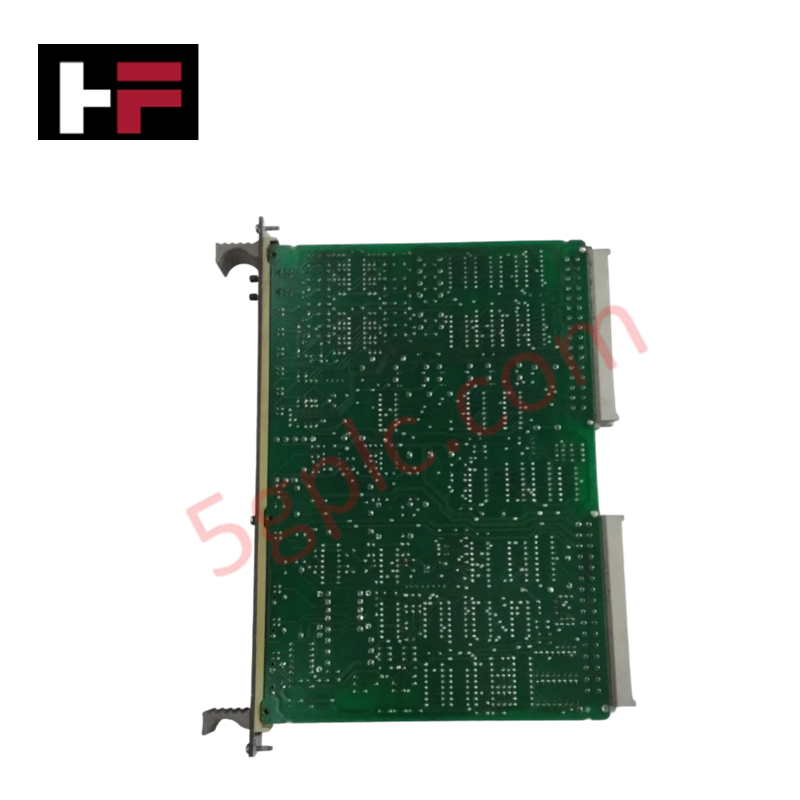
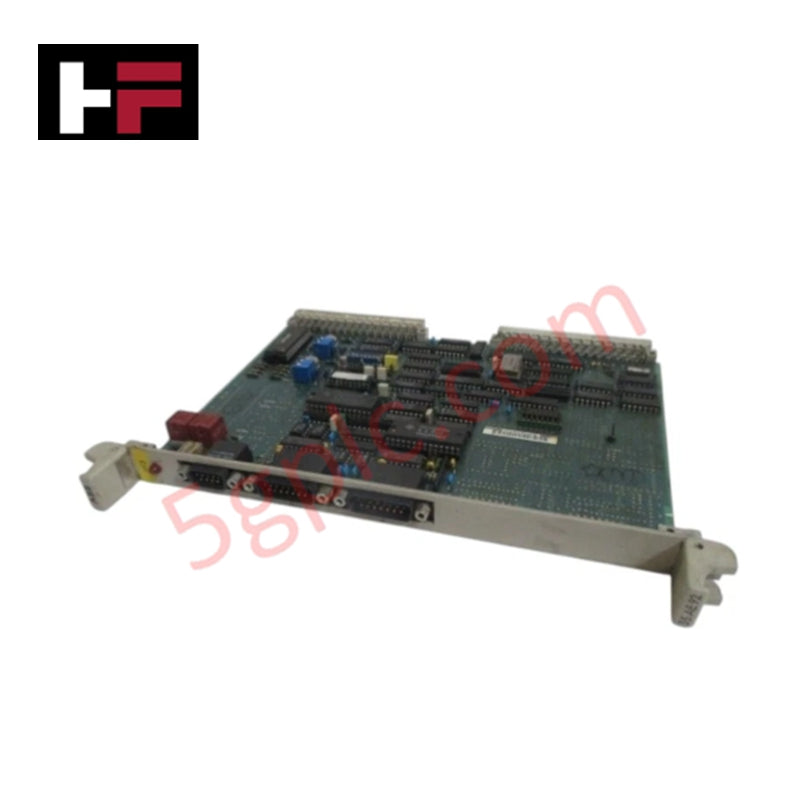
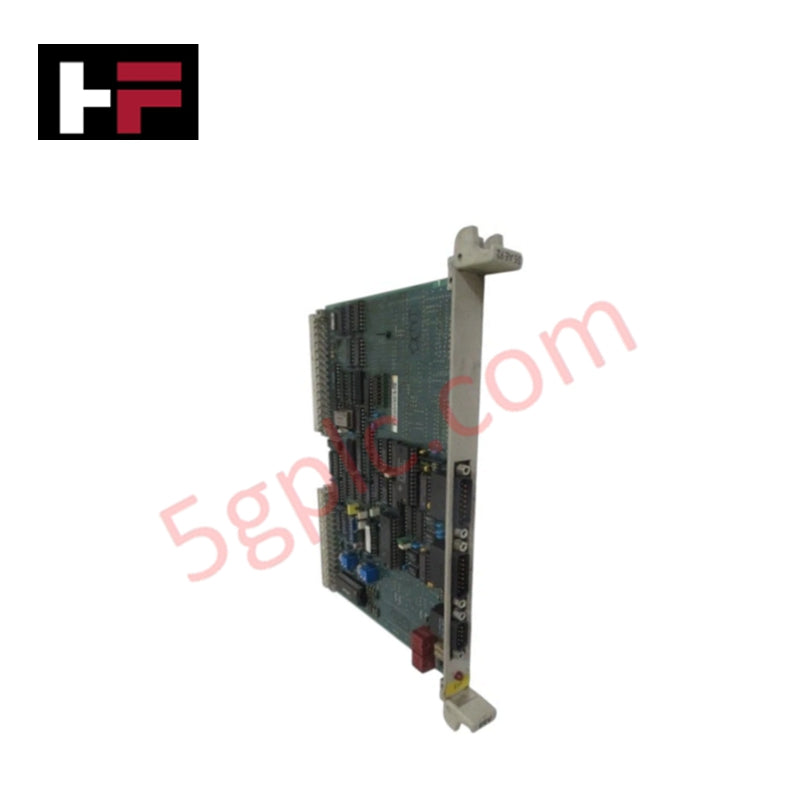
Configured for high-speed fault detection and protective action in Procontrol P13 excitation platforms, the ABB 216DB61 HESG324063R100 (216DB61 Binary Input and Tripping Unit) provides direct physical/electrical execution. The module captures field binary signals and drives six high-speed tripping relays with dual contact configurations to perform rapid, redundant fault isolation.
Hardware Specifications
| Parameter | Specification |
|---|---|
| Model | 216DB61 (HESG324063R100) |
| Brand | ABB |
| Product Type | Binary Input and Tripping Units |
| Dimensions | 22.5 mm x 75 mm x 110 mm |
| Weight | 0.5 kg |
| Operating Temp | -10 to +55 deg C |
| Power Consumption | Internal auxiliary burden dependent on active relay state |
| Output Contact Config | Six tripping relays with dual contact output channels |
| Protection Features | Integrated short-circuit protection and redundant power inputs |
Deterministic Networks and Backplane Bus Communication Velocity
The module interfaces directly with subrack backplane communication buses, maintaining low latency execution for high-speed tripping logic. Data frames pass via PROFINET and Modbus TCP/IP industrial networks to central control processors without compromising local relay tripping response times. Integrated firmware flash compatibility guarantees continuous signal processing and rapid fault clearing across synchronized control racks.
Frequently Asked Questions
Q: How does the dual contact configuration on the tripping relays support fault isolation?
A: The dual contact output arrangement allows parallel or series contact wiring to implement redundant tripping paths or dual-channel feedback validation, minimizing the risk of a single contact failure during critical trip events.
Q: Can the 216DB61 be replaced while the host system remains powered?
A: Hot-swapping limits depend on rack backplane architecture; field power to input circuits and high-voltage trip outputs must be isolated prior to removing or inserting the unit to prevent unintended tripping or arc flash transients.
Q: What power redundancy features are supported on this module?
A: The module includes dual power input circuitry to accept redundant DC supply feeds, preventing unit shutdown in the event of an auxiliary power supply drop.
Field Installation Guidelines
- Mounting and Physical Placement: Insert the module into the designated 22.5 mm rack seat or DIN rail socket, ensuring the locking mechanisms fully engage to maintain mechanical connection stability.
- Signal Cable Shielding: Terminate binary input and trip loop cable shields to the local earth ground bar using low-impedance ground clamps at the panel entry point to suppress electrical noise.
- Auxiliary Power Wiring: Connect primary and secondary DC power feeds to the dedicated redundant power terminals according to polarity markings.
- Output Contact Isolation: Route high-speed tripping output lines separately from low-voltage digital communication cabling to eliminate inductive crosstalk during relay coil actuation.
Additional Information
- 100% Genuine Parts: All products are original and authentic, ensuring reliable industrial performance.
- 30-Day Refund Guarantee: Return any in-stock item within 30 days in original, unopened packaging for a full refund (excluding shipping and fees).
- 12-Month Warranty: Covers defects in materials or workmanship; excludes misuse, normal wear, or unauthorized modifications.
- Worldwide Shipping: We ship via USPS, UPS, FedEx, and DHL. Delivery times vary by country and may be subject to customs or import fees.
- Support & Contact: Technical and warranty assistance is available anytime. Contact us here: Contact.
- Purchase Guidance: Check product specifications and compatibility carefully before ordering to ensure proper application.
Tech & Buying Guide

Master Acceptance Testing: Understanding FAT and SAT in Industrial Control Systems
Factory Acceptance Testing (FAT) and Site Acceptance Testing (SAT) serve as critical quality assurance gateways in complex industrial control systems. Both procedures verify that programmable logic controllers (PLCs), distributed control systems (DCS), and associated field devices meet strict functional specifications. However, executing these tests effectively requires clear delineation between off-site staging and final field commissioning.

Industrial Networking Essentials: Demystifying Hubs, Switches, and Routers in Control Systems
Industrial automation relies heavily on robust networking infrastructure to connect programmable logic controllers (PLCs), distributed control systems (DCS), and human-machine interfaces (HMIs). Modern factory automation environments generate vast amounts of real-time operational data across deterministic networks. Understanding the structural differences between hubs, switches, and routers ensures optimal traffic segmentation, minimizes latency, and maintains high network availability.

Safety Relays in Industrial Automation: Fundamentals, Design Standards, and Fail-Safe Architecture
Safety relays form the bedrock of functional safety in modern factory automation, preventing catastrophic equipment failure and protecting plant personnel. While standard electromechanical relays handle basic load switching, they lack the redundant diagnostics required for high-risk industrial environments. Modern industrial automation platforms—including programmable logic controllers (PLCs) and distributed control systems (DCS)—rely on specialized safety relays to monitor field devices and isolate hazards instantly.