










ABB Procontrol P13 / P14
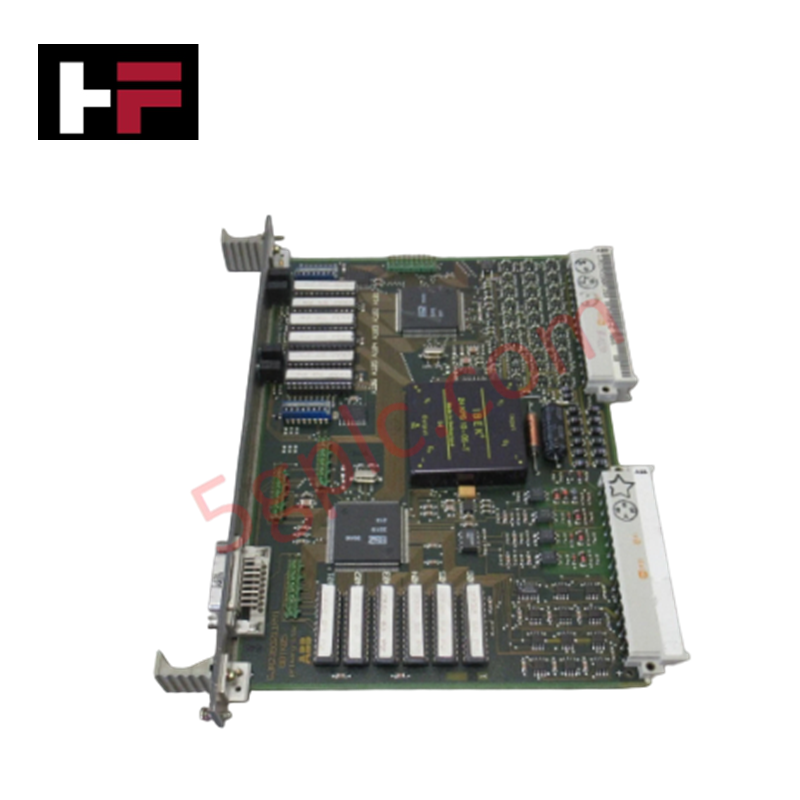
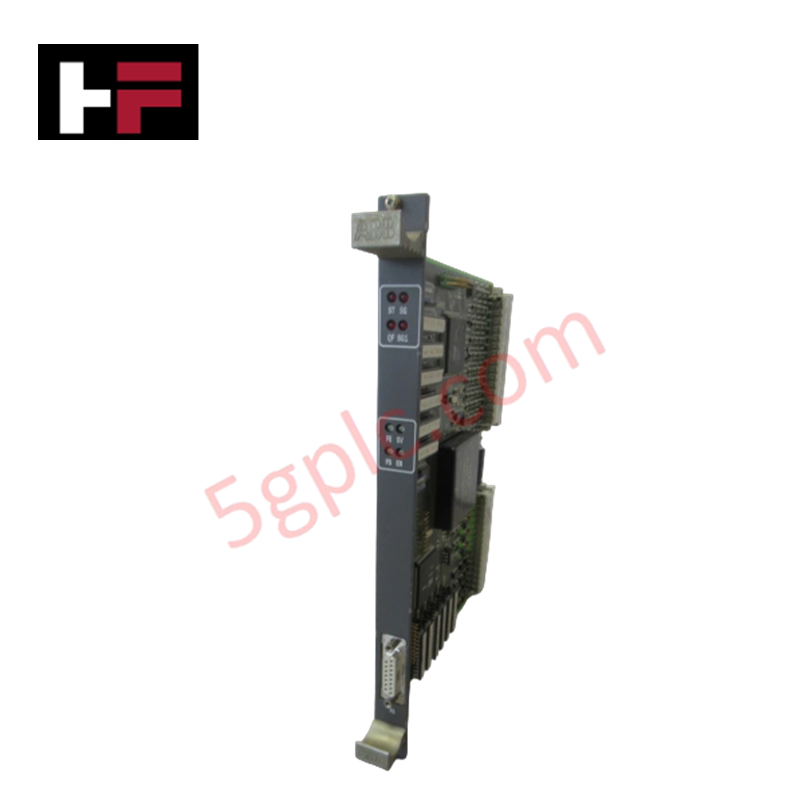
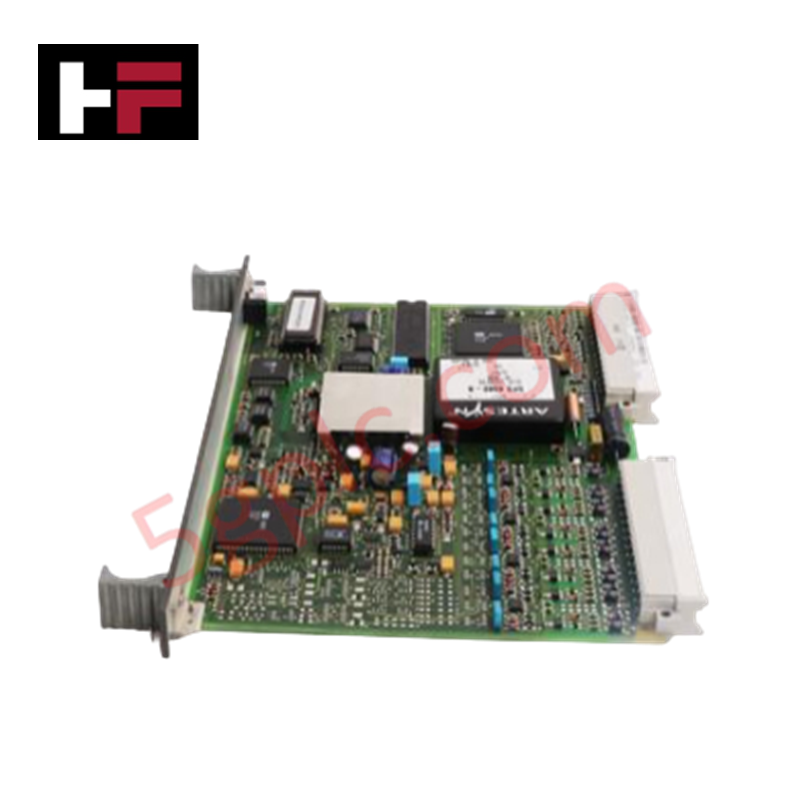
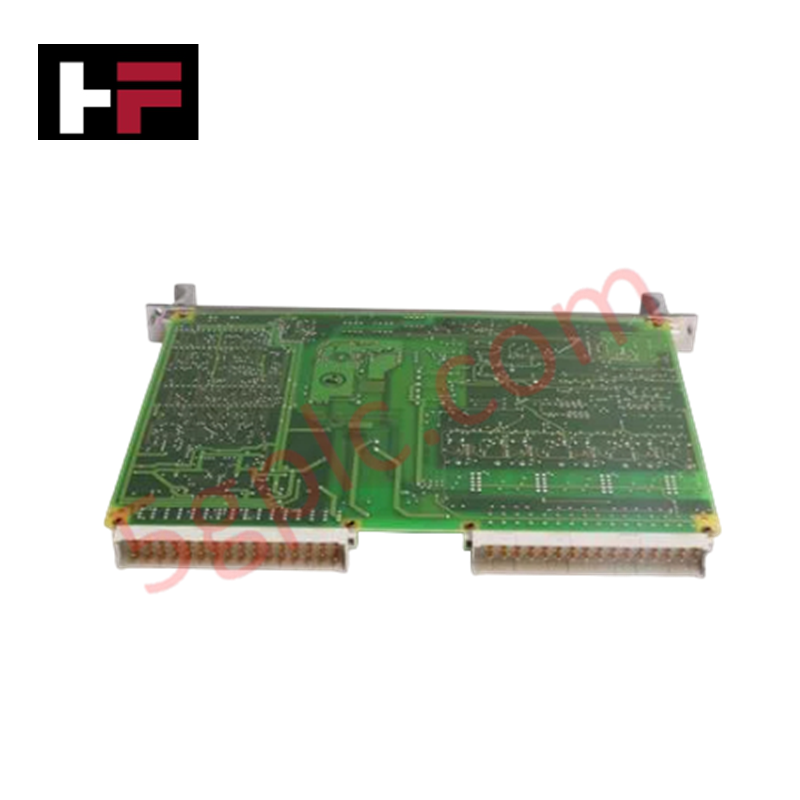
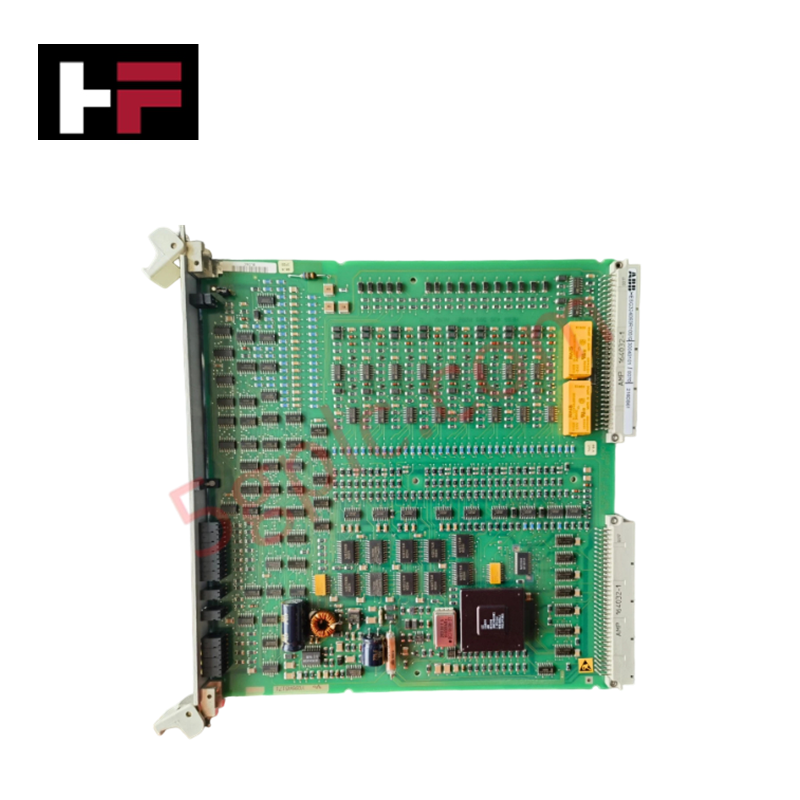
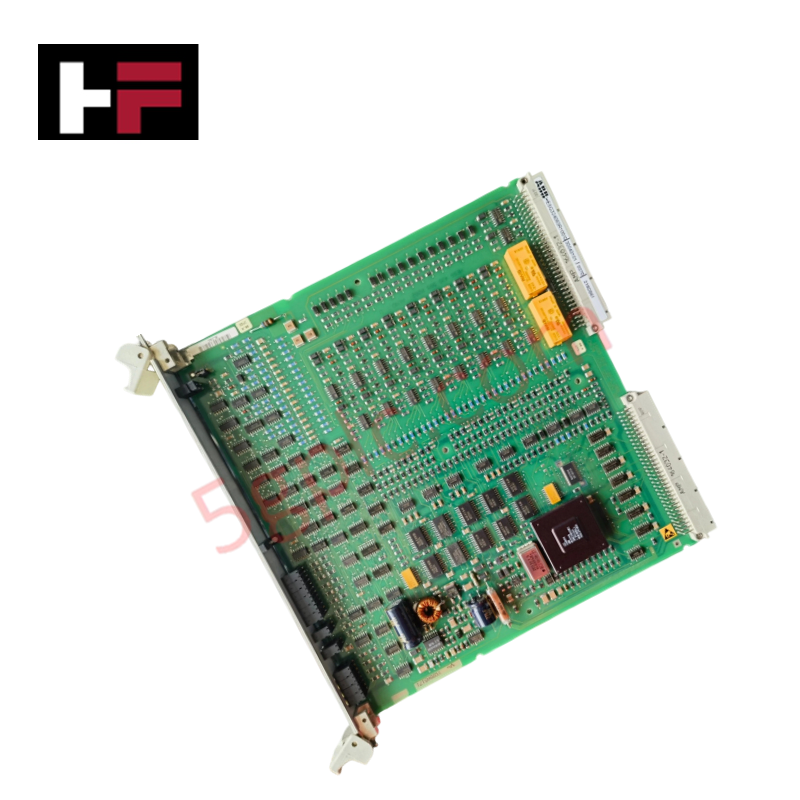
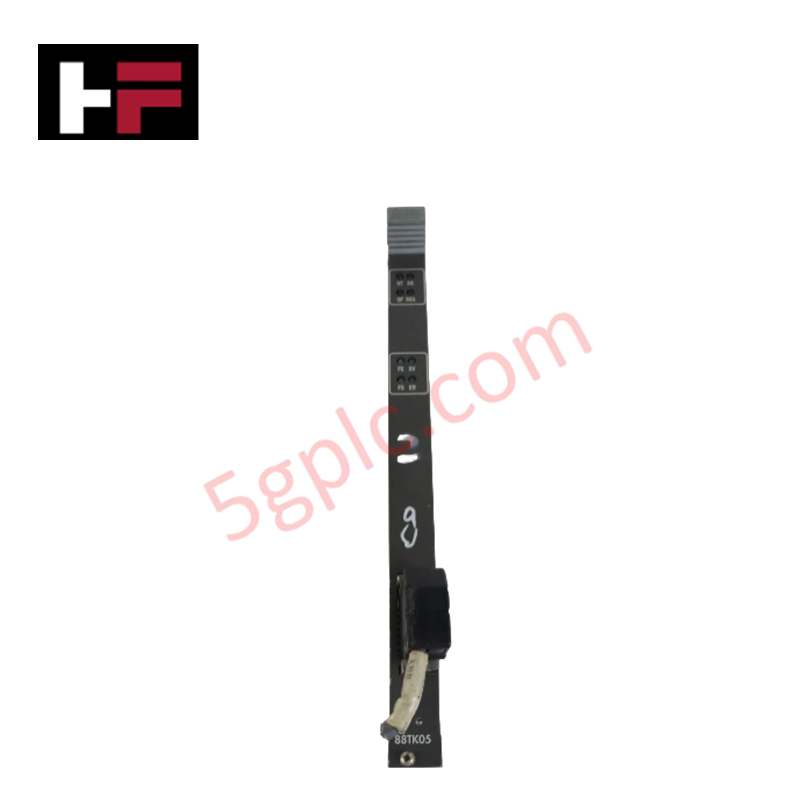
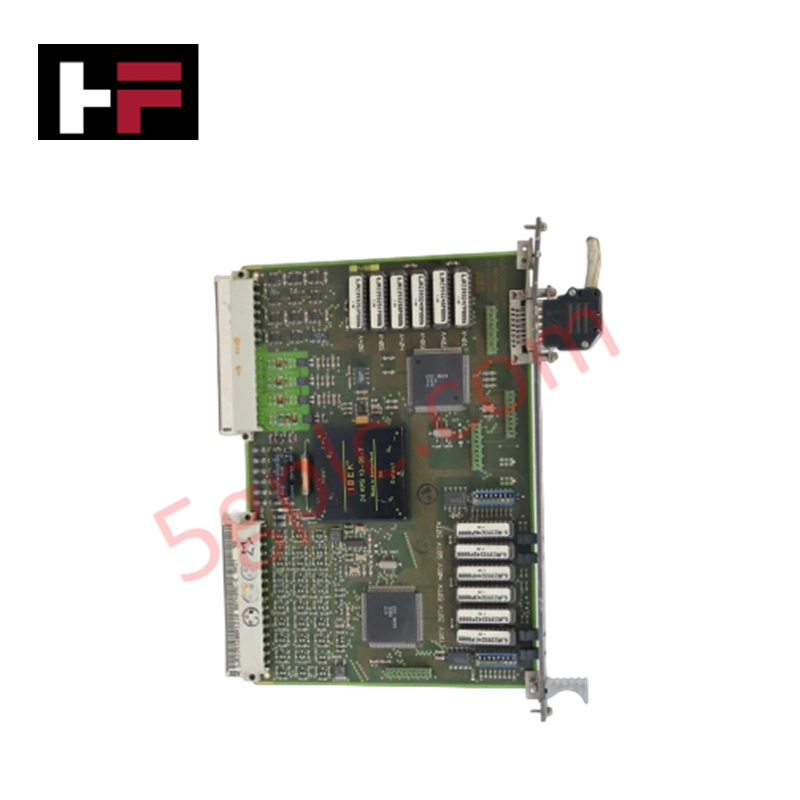
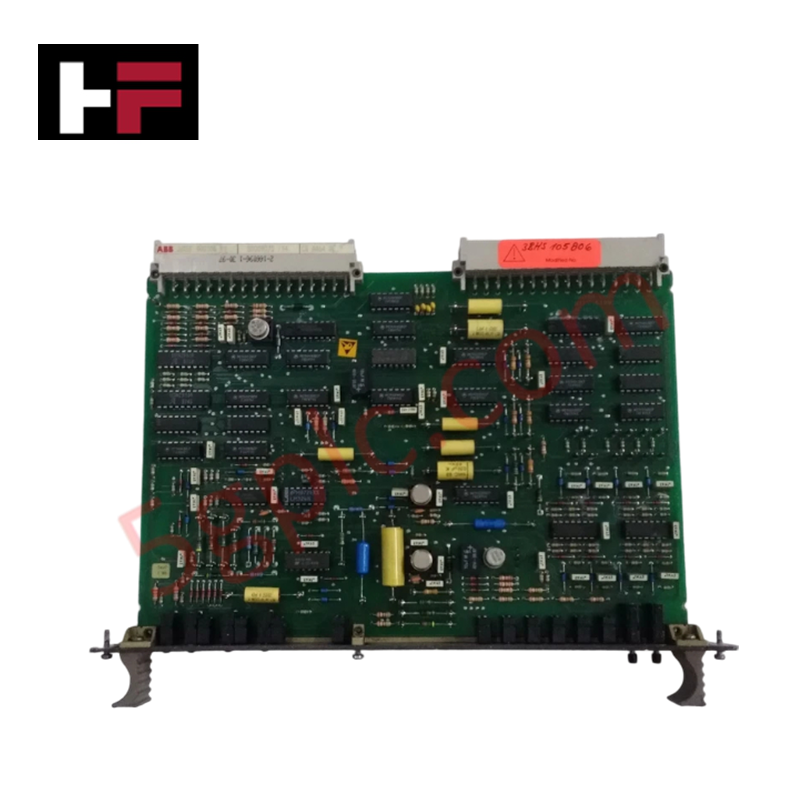
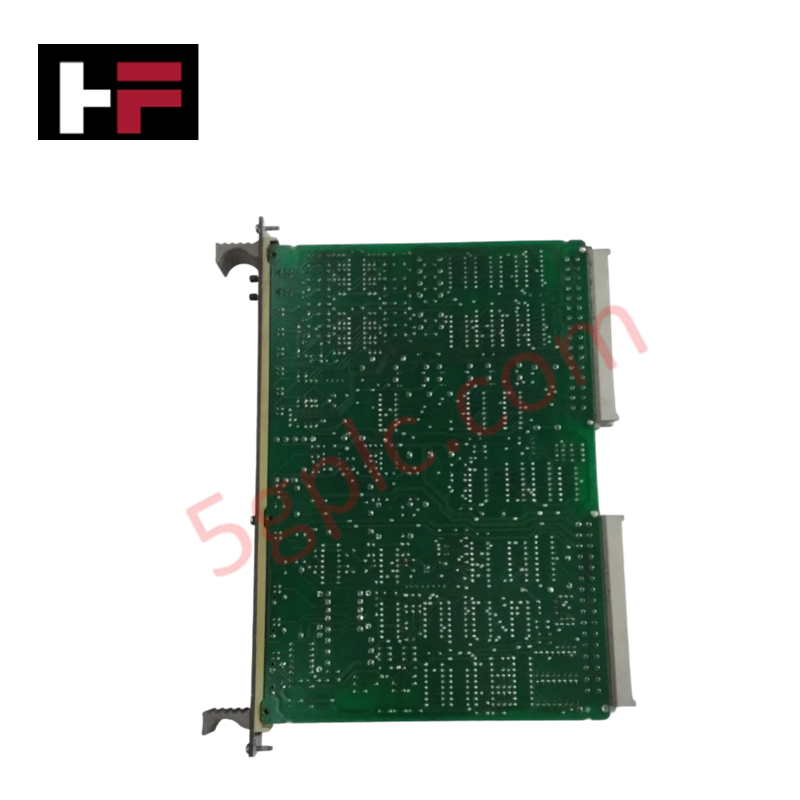
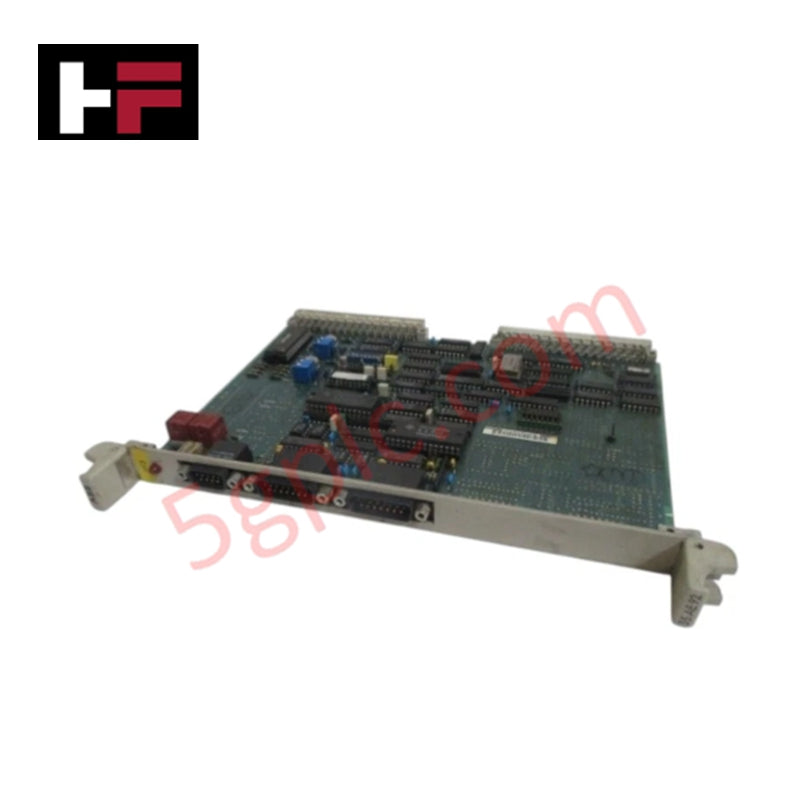
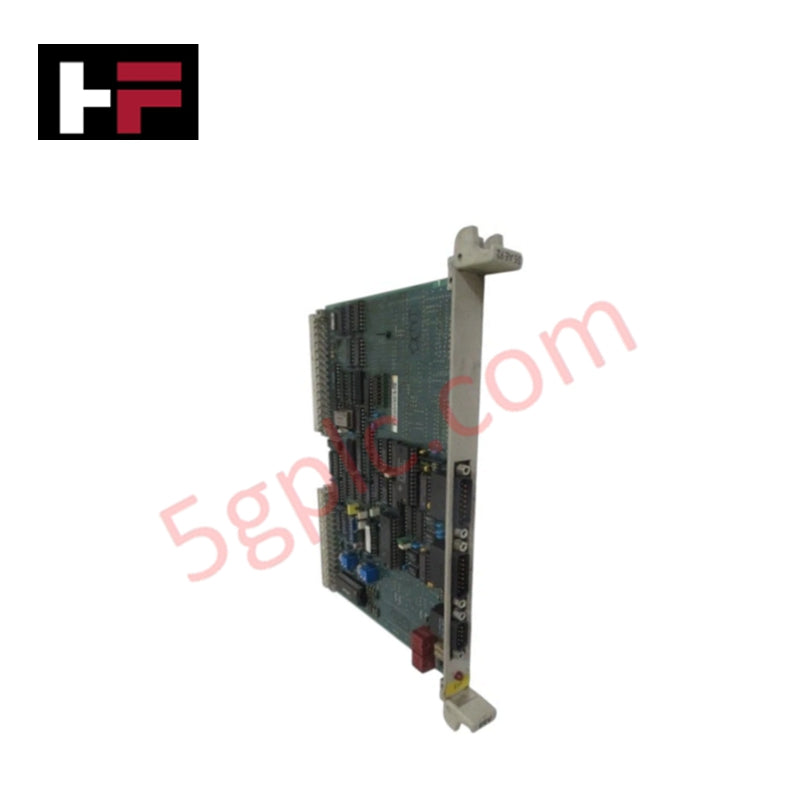
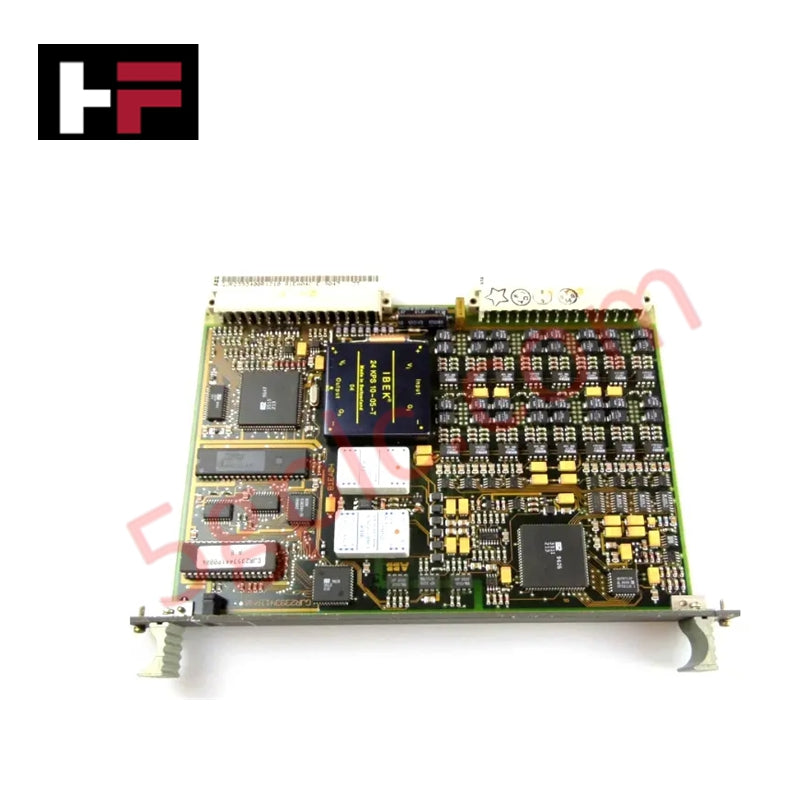
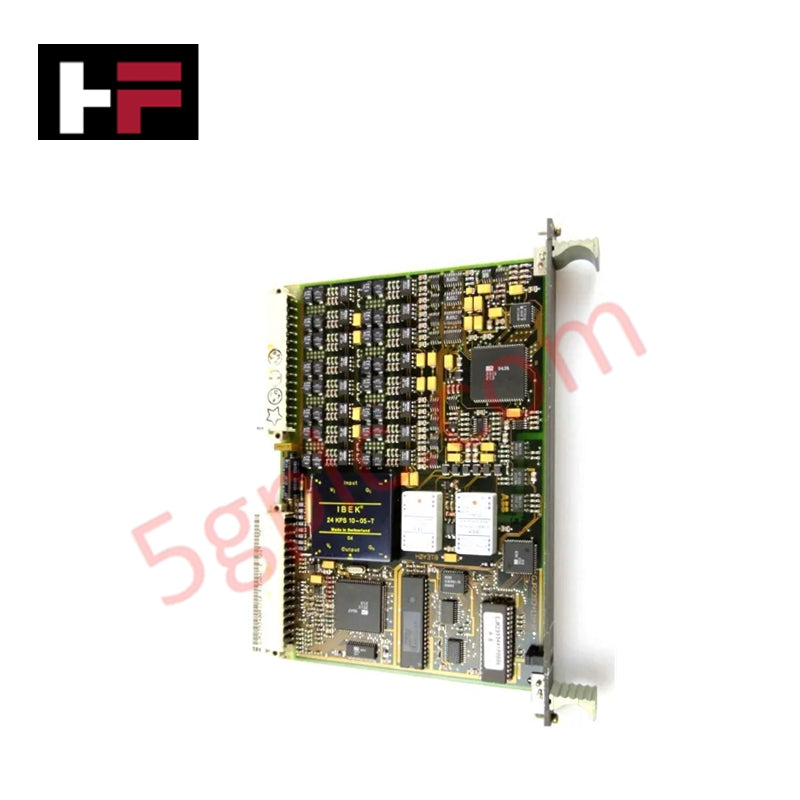
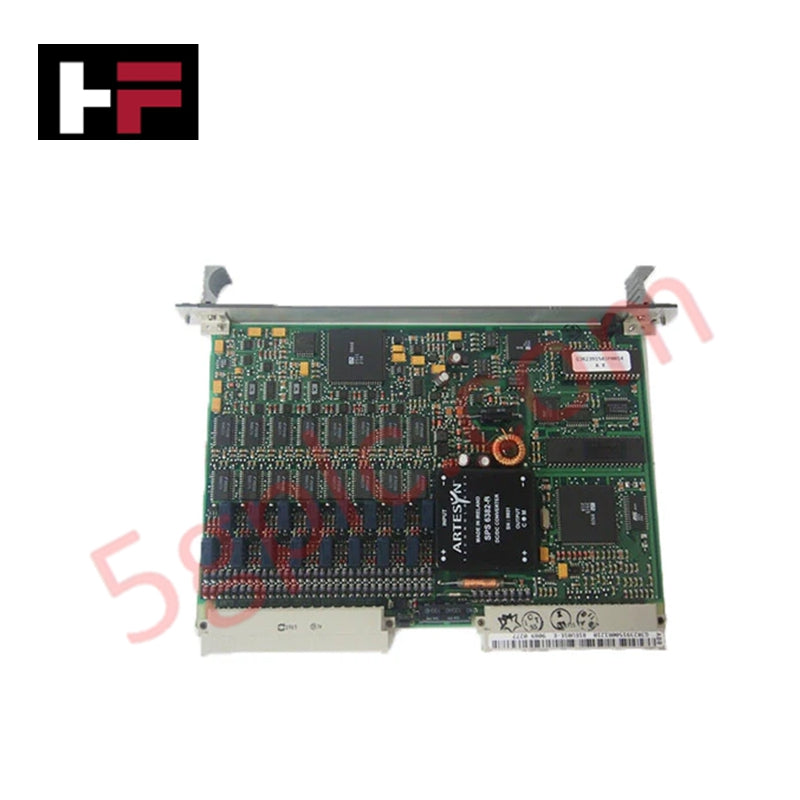
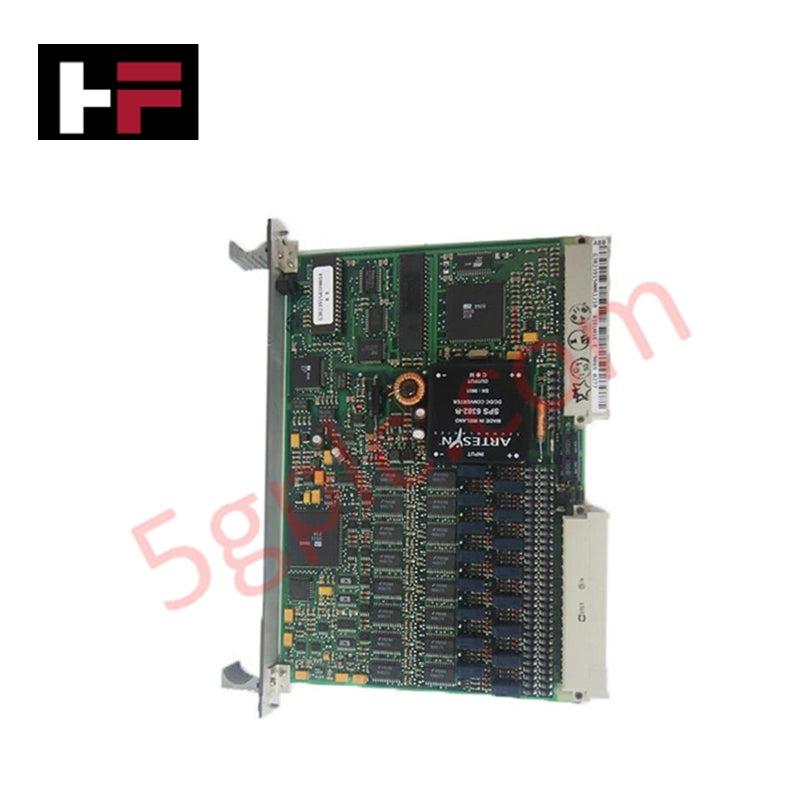
ABB Procontrol P13 & P14 are established power plant automation systems used for reliable distributed control, turbine operation, and integrated process monitoring. Procontrol P13, first introduced in the early 1980s, has extensive installations in fossil fuel, gas turbine, hydro, nuclear and waste‑to‑energy plants, offering modular control, HMI integration, and flexible signal handling. Procontrol P14, launched in the late 1970s, provides a complete plant control solution with instrumentation, operations management, engineering, and turbine control capabilities backed by ABB’s “Evolution without obsolescence” policy. Both systems support field device communications and are designed for long‑term operational reliability in industrial power generation environments.
Blog posts

Master Acceptance Testing: Understanding FAT and SAT in Industrial Control Systems
Factory Acceptance Testing (FAT) and Site Acceptance Testing (SAT) serve as critical quality assurance gateways in complex industrial control systems. Both procedures verify that programmable logic controllers (PLCs), distributed control systems (DCS), and associated field devices meet strict functional specifications. However, executing these tests effectively requires clear delineation between off-site staging and final field commissioning.

Industrial Networking Essentials: Demystifying Hubs, Switches, and Routers in Control Systems
Industrial automation relies heavily on robust networking infrastructure to connect programmable logic controllers (PLCs), distributed control systems (DCS), and human-machine interfaces (HMIs). Modern factory automation environments generate vast amounts of real-time operational data across deterministic networks. Understanding the structural differences between hubs, switches, and routers ensures optimal traffic segmentation, minimizes latency, and maintains high network availability.
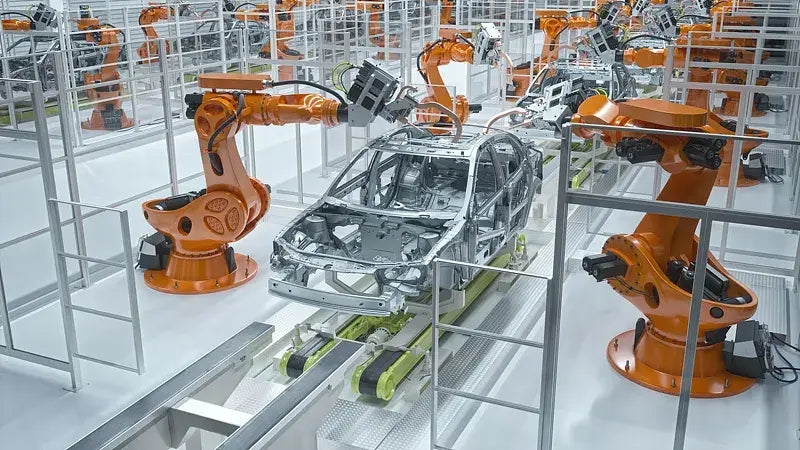
Safety Relays in Industrial Automation: Fundamentals, Design Standards, and Fail-Safe Architecture
Safety relays form the bedrock of functional safety in modern factory automation, preventing catastrophic equipment failure and protecting plant personnel. While standard electromechanical relays handle basic load switching, they lack the redundant diagnostics required for high-risk industrial environments. Modern industrial automation platforms—including programmable logic controllers (PLCs) and distributed control systems (DCS)—rely on specialized safety relays to monitor field devices and isolate hazards instantly.