










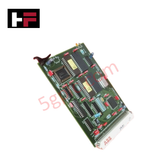
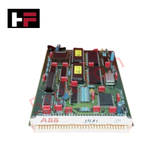
Product Details
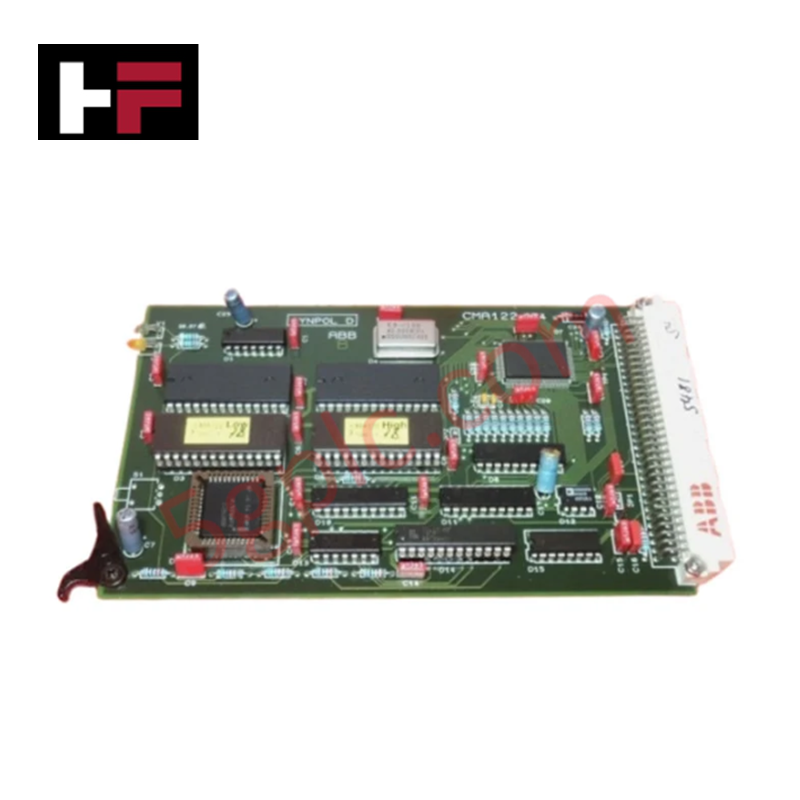
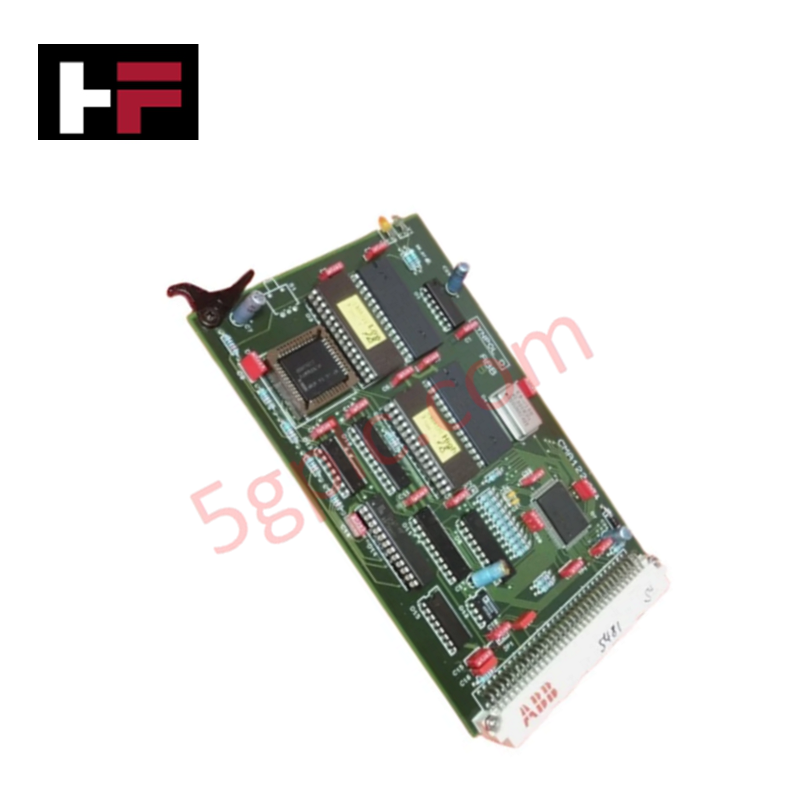
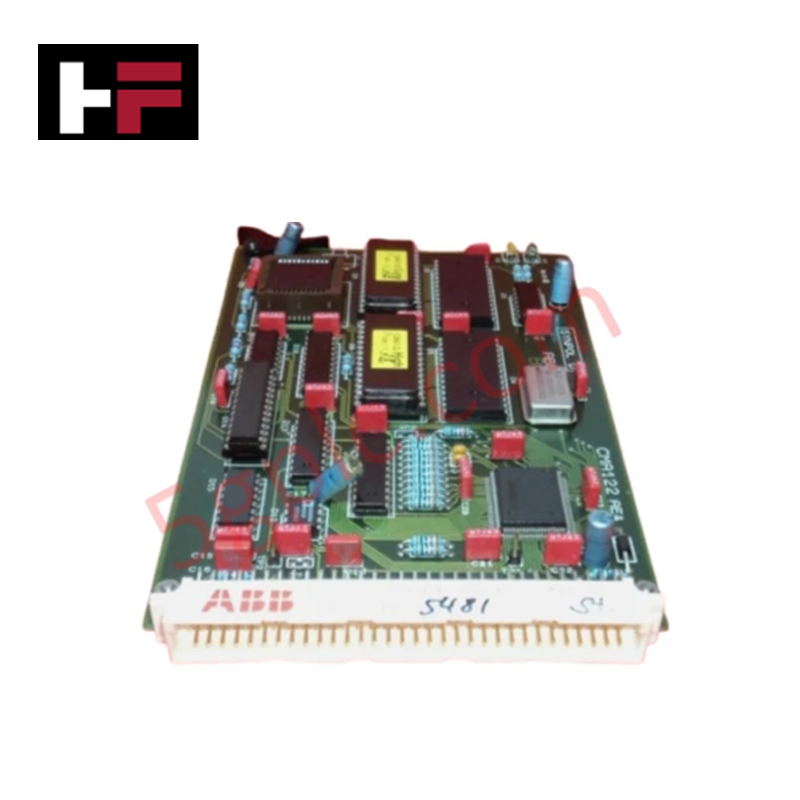
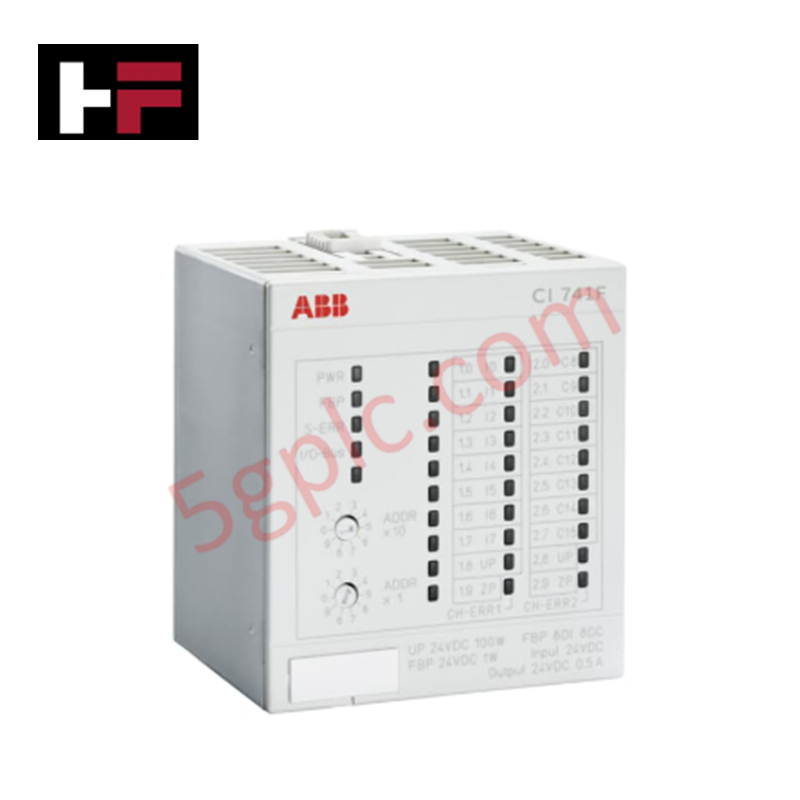
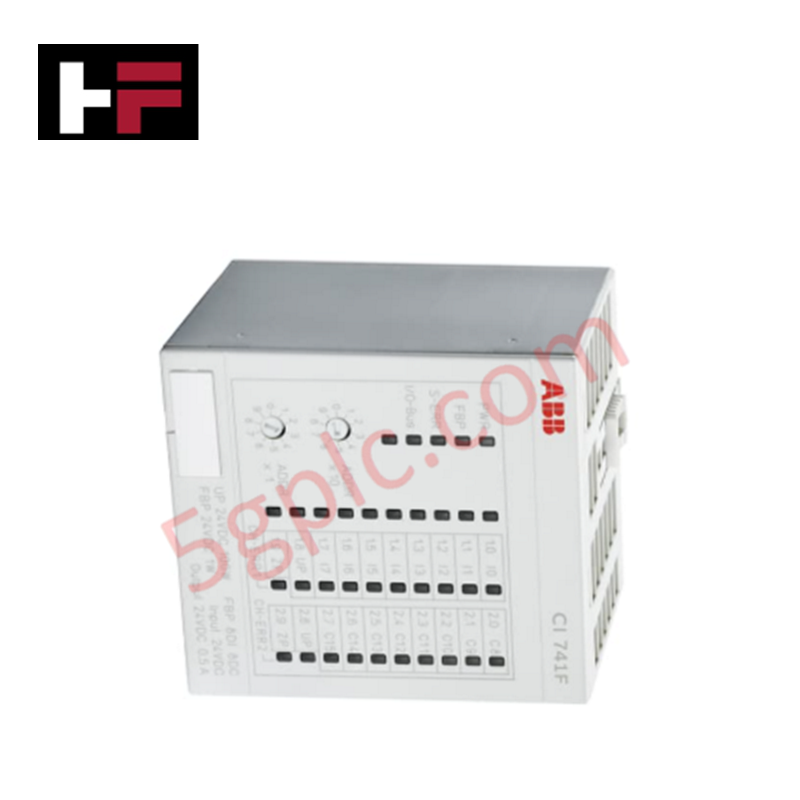
The ABB SYN5011a-P 3BHB004198R0002, also cataloged as the SYN5011a-P Synchronization Transformer, operates as a dedicated hardware component for multi-parameter grid angle measurement and breaker closing execution within ABB excitation and power sync platforms.
Hardware Specifications
| Parameter | Specification |
|---|---|
| Model | SYN5011a-P 3BHB004198R0002 |
| Brand | ABB |
| Operating Temp | -25 to +70 deg C |
| Power Consumption | 25 W / 35 VA |
| Auxiliary Voltage | 24/48 VDC |
| Nominal Frequency | 50 Hz, 60 Hz, 16 2/3 Hz |
| Enclosure Rating | IP54 (front), IP50 (rear) |
| Communication Protocols | RS232, Modbus, Profibus |
| Product Type | Synchronization Transformer |
Profibus & Modbus Communication Protocol Latencies
The unit processes phase angle, frequency, and differential voltage vectors to issue precision close commands to power circuit breakers. Network integration via Profibus, Modbus, and serial RS232 protocols relies on optimized bus communication velocity to deliver telemetry to upstream controllers without clock skew. Internal firmware maintains firmware flash compatibility across network topologies, guaranteeing real-time signal processing under varying mains frequencies (50 Hz, 60 Hz, and 16 2/3 Hz).
Frequently Asked Questions
Q: What auxiliary supply voltages are compatible with the SYN5011a-P hardware interface?
A: The internal power stage accepts 24 VDC or 48 VDC supply rails, operating at a maximum dissipation of 25 W / 35 VA.
Q: What operational frequency ranges does the unit evaluate during phase matching?
A: The module accommodates nominal power system frequencies of 50 Hz, 60 Hz, and 16 2/3 Hz.
Field Installation Guidelines
- Verify that secondary voltage transformers (VT) and current transformers (CT) are isolated and shorted where applicable prior to making rear terminal connections.
- Ensure the front panel mounting cutout achieves a uniform seal to preserve the IP54 ingress protection rating.
- Connect RS232, Modbus, or Profibus communication shields directly to a central ground bus to mitigate high-voltage transient coupling.
- Observe strict polarities when wiring 24 VDC or 48 VDC auxiliary power inputs to prevent internal fuse trip conditions.
Additional Information
- 100% Genuine Parts: All products are original and authentic, ensuring reliable industrial performance.
- 30-Day Refund Guarantee: Return any in-stock item within 30 days in original, unopened packaging for a full refund (excluding shipping and fees).
- 12-Month Warranty: Covers defects in materials or workmanship; excludes misuse, normal wear, or unauthorized modifications.
- Worldwide Shipping: We ship via USPS, UPS, FedEx, and DHL. Delivery times vary by country and may be subject to customs or import fees.
- Support & Contact: Technical and warranty assistance is available anytime. Contact us here: Contact.
- Purchase Guidance: Check product specifications and compatibility carefully before ordering to ensure proper application.




Tech & Buying Guide

Hub vs Switch vs Router in Industrial Automation Architecture
Modern factory automation relies on reliable industrial networking infrastructure to exchange real-time field data across operational technology systems. Engineers often encounter networking hardware like hubs, switches, and routers when integrating Programmable Logic Controllers, Distributed Control Systems, and SCADA monitoring nodes. Although these devices share physical ports, they operate at different layers of the Open Systems Interconnection reference model and deliver distinct traffic management capabilities.

Marshalling Cabinet Preventive Maintenance: Essential Healthiness Checks for PLC, DCS, and ESD Systems
Marshalling cabinets serve as the vital interface between field instrumentation and control room electronics in modern process facilities. Regular preventive maintenance of these cabinets ensures signal integrity across programmable logic controllers (PLCs), distributed control systems (DCS), and emergency shutdown (ESD) networks. System technicians must execute structured inspection protocols to mitigate environmental risks, identify loose wiring, and maintain continuous operational readiness.

Spatial Computing in Industrial Automation: Elevating PLC and DCS Operations with AR and VR
Industry 4.0 integrates digital intelligence into field operations, transforming factory automation landscapes worldwide. Spatial technologies—specifically Augmented Reality (AR) and Virtual Reality (VR)—redefine how engineers interact with industrial control systems. By bridging computer-generated CAD models with real-time operational technology (OT) data, immersive displays enable intuitive monitoring, rapid diagnostics, and safer maintenance across complex processing facilities.