










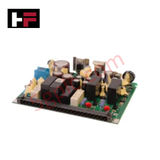
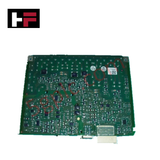
Product Details
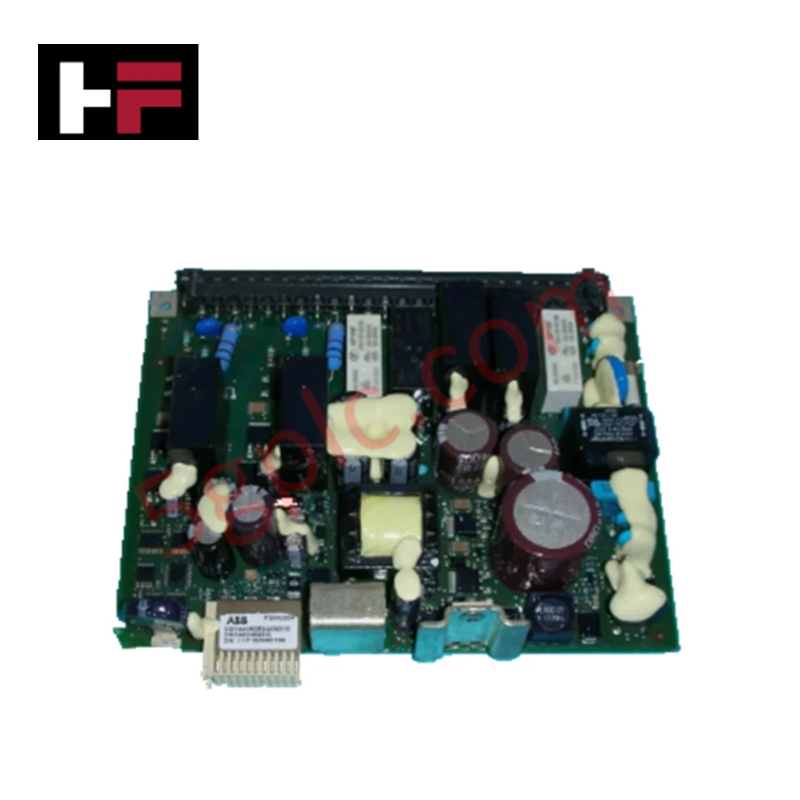
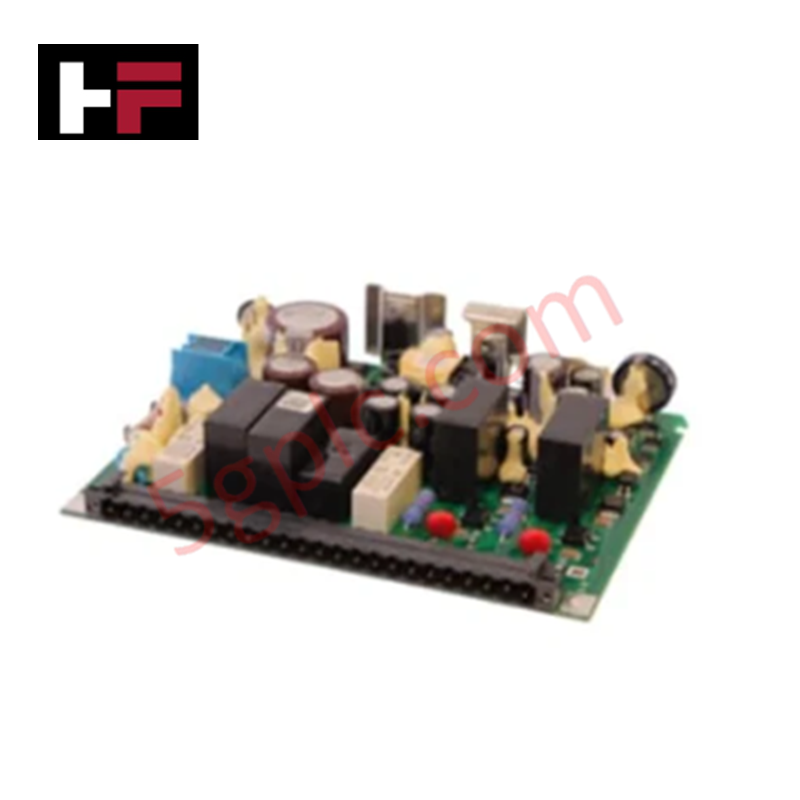
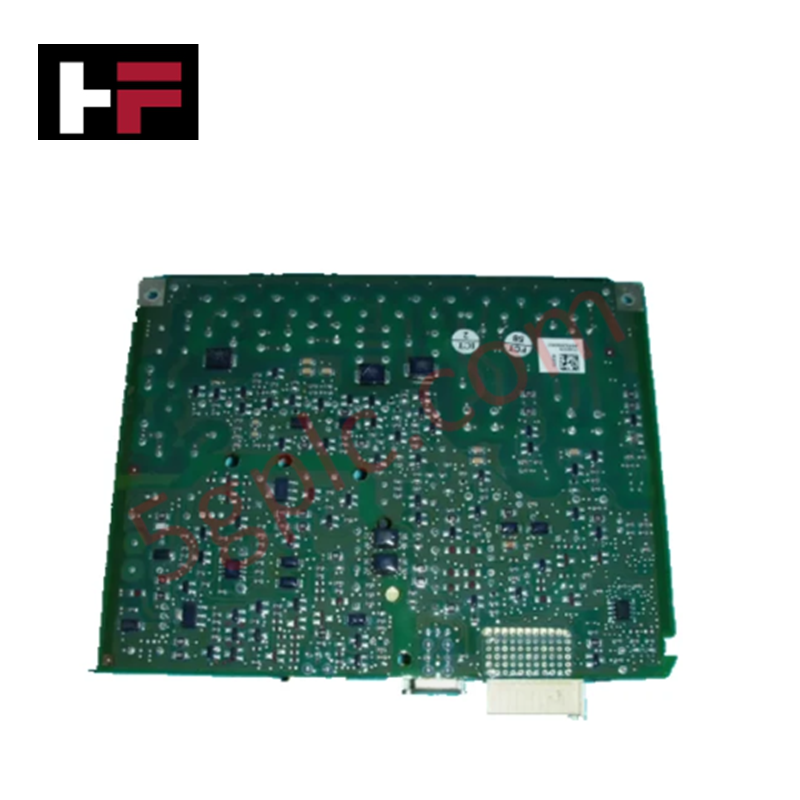
Configured for precise tension control signal processing and discrete switching execution in process automation systems, the ABB PSM0904 2RCA025059A0901 (PSM0904 Tension Controller Unit) provides direct physical/electrical execution. The module operates across wide power supply ranges of 100-240 VAC or 48-250 VDC and integrates 6 binary outputs (6BO) alongside conformal coating (CC) for industrial environmental protection.
Hardware Specifications
| Parameter | Specification |
|---|---|
| Model | PSM0904 (2RCA025059A0901) |
| Brand | ABB |
| Origin | Poland / India |
| Product Type | Tension Controller Units |
| Power Supply Input | 100-240 VAC / 48-250 VDC |
| Binary Outputs | 6 Binary Outputs (6BO) |
| Environmental Protection | Conformal Coating (CC) |
| Net Weight | 0.25 kg |
| Dimensions | Standard subrack panel footprint |
| Operating Temp | -10 to +55 deg C (standard rack ambient) |
| Power Consumption | Low power control logic dissipation |
Backplane Bus Communication Velocity and Deterministic Execution
The tension controller module interfaces with host processing units via high-velocity backplane communication paths, delivering rapid data cycle exchange during active web processing loops. Internal logic circuits ensure predictable frame synchronization across Profinet and EtherNet/IP deterministic networks without message latency. Extended firmware flash compatibility supports reliable firmware maintenance while maintaining continuous output relay execution.
Frequently Asked Questions
Q: What protection does the conformal coating (CC) feature provide in harsh field environments?
A: The conformal coating layer protects internal PCB components, solder joints, and conductive traces against atmospheric moisture, dust accumulation, and corrosive industrial gases.
Q: Can the wide-range power supply input accept AC and DC inputs interchangeably?
A: The onboard power converter is rated to accept either 100-240 VAC (47-63 Hz) or 48-250 VDC without requiring manual jumper adjustments or hardware selection switches.
Field Installation Guidelines
- Power Disconnection: Ensure all incoming primary AC or DC power lines are fully isolated and tagged out before installing or servicing the controller unit.
- Grounding Verification: Connect a dedicated chassis grounding conductor from the module frame to the cabinet ground bar to ensure proper surge immunity and shield draining.
- Output Cable Routing: Wire the 6 binary outputs using properly rated insulated conductors, routing signal wiring away from heavy AC power cables and variable frequency drives to prevent inductive interference.
- Secure Panel Mounting: Insert the unit into its designated enclosure slot, tightening the front retaining screws securely to prevent mechanical vibration from unseating the internal backplane connector.
Additional Information
- 100% Genuine Parts: All products are original and authentic, ensuring reliable industrial performance.
- 30-Day Refund Guarantee: Return any in-stock item within 30 days in original, unopened packaging for a full refund (excluding shipping and fees).
- 12-Month Warranty: Covers defects in materials or workmanship; excludes misuse, normal wear, or unauthorized modifications.
- Worldwide Shipping: We ship via USPS, UPS, FedEx, and DHL. Delivery times vary by country and may be subject to customs or import fees.
- Support & Contact: Technical and warranty assistance is available anytime. Contact us here: Contact.
- Purchase Guidance: Check product specifications and compatibility carefully before ordering to ensure proper application.




Tech & Buying Guide

Why Programmable Logic Controllers Drop into Stop Mode: An Expert Analysis
Industrial automation systems rely heavily on Programmable Logic Controllers (PLCs) to maintain uninterrupted production. When a PLC unexpectedly shifts from Run to Stop mode, whole manufacturing lines stall.
As control systems evolve across modern factory automation, understanding the root causes of these interruptions helps engineers minimize costly downtime. This technical guide breaks down why PLCs trip into Stop mode and provides practical strategies to mitigate system faults.

Understanding Root Causes of Unplanned PLC Stop Mode in Industrial Automation
Modern Programmable Logic Controllers manage execution through distinct operational states: Run, Stop, Start-Up, and Hold. During power-up, a controller initializes memory registers within Stop mode before briefly transitioning to Start-Up mode. During this phase, internal self-diagnostics evaluate system integrity across hardware and user programs. If the controller detects no critical faults, it enters Run mode to execute the control program continuously. However, any severe system anomaly forces the CPU back into Stop mode immediately to prevent erratic machine behavior across the plant floor.

Human-Machine Interface Design: Essential Guide to HMI Selection, Visualization, and Control System Integration
Human-Machine Interfaces (HMIs) serve as the primary operational window into complex industrial automation systems. Modern HMIs convert raw machine data into clear graphical displays, enabling operators to oversee entire manufacturing processes in real time. Instead of relying on physical control panels full of hardwired switches, engineers program interactive screens using intuitive graphics, dynamic color coding, and responsive touch interfaces. Over my 15 years in control systems engineering, I have observed HMIs transform from basic display screens into sophisticated command centers that drive operational efficiency across DCS and PLC environments.