










Product Details
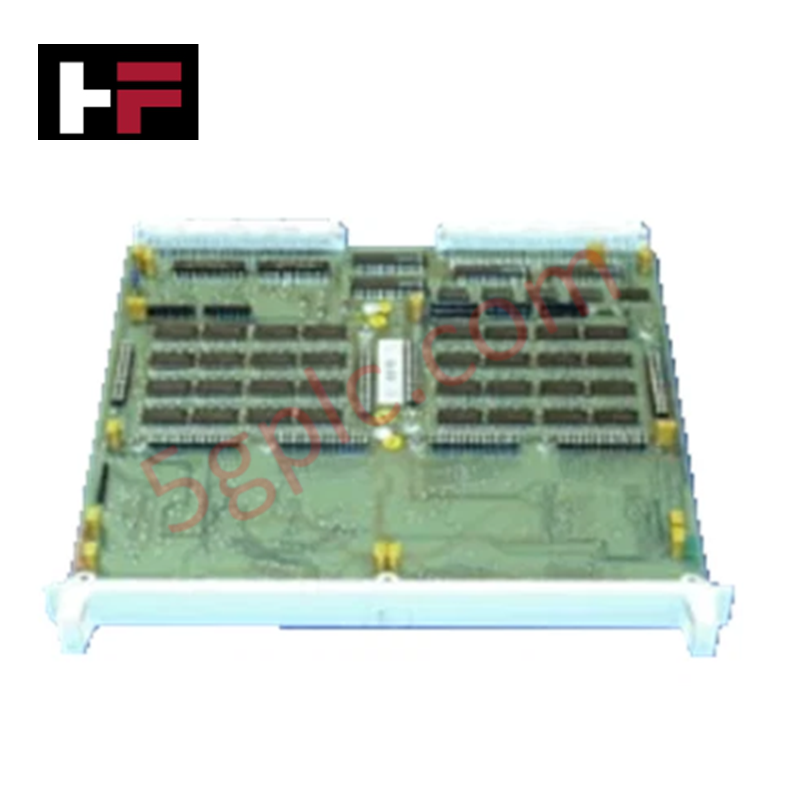
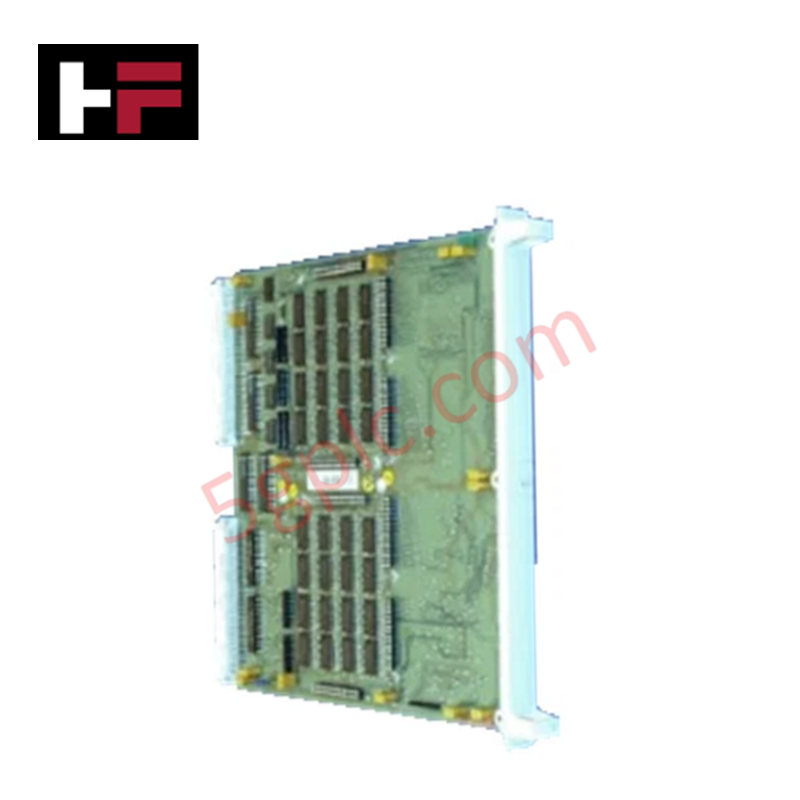
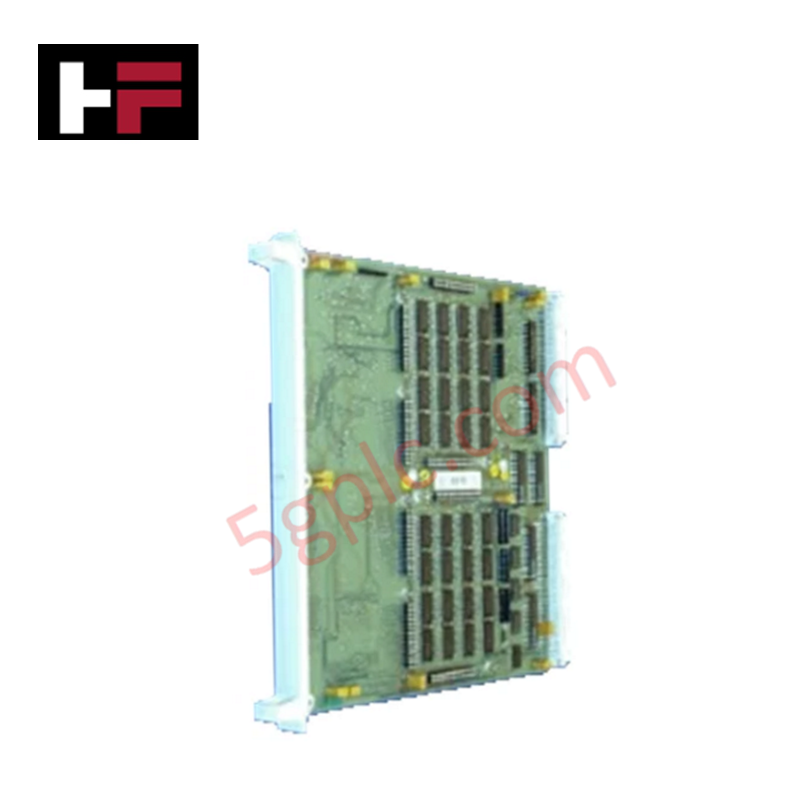
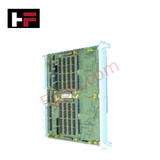
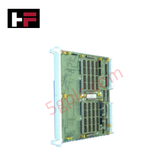
Configured for high-density program execution and parameter data storage in ABB control platforms, the ABB DSMB 171 EXC57360001-GT (DSMB 171 Memory Board) provides direct physical/electrical execution.
Suffix Breakdown & Model Matrix
The DSMB 171 hardware line utilizes standardized part numbering and exchange designation matrix options for module deployment within ABB process control system racks:
- DSMB 171 (EXC57360001-GT): Service exchange variant designated for standard control system memory expansion and unit replacement.
- DSMB 171 (57360001-GT): Standard factory part number specifying the physical memory board module without exchange program routing logic.
Hardware Specifications
| Parameter | Specification |
|---|---|
| Model | DSMB 171 |
| Part Number | EXC57360001-GT |
| Brand | ABB |
| Product Type | Memory Boards |
| Origin | Sweden / Germany |
| Weight | 0.38 kg |
| Dimensions | Standard ABB controller subrack slot compatible |
| Operating Temp | 0 to +55 deg C |
| Power Consumption | 24 VDC (Backplane bus supplied) |
| Mounting Method | Subrack chassis slot insertion |
| WEEE Compliance | Product Not in WEEE Scope |
Deterministic Backplane Bus Integrity and Firmware Flash Compatibility
The module integrates directly into the central control rack backplane to support backplane bus communication velocity requirements across connected subracks. Designed to maintain firmware flash compatibility across varied software revisions, the memory board buffers data read/write cycles to prevent address processing delays during peak CPU utilization. Channel-to-channel backplane isolation circuits protect internal memory cells against transient noise, preserving real-time memory synchronization and data bus stability.
Frequently Asked Questions
Q: What precautions must be taken regarding backplane power during physical swap of the DSMB 171 board?
A: System backplane power must be de-energized prior to removing or inserting the DSMB 171 module to prevent voltage transients on memory bus address pins.
Q: How does the DSMB 171 board maintain structural grounding within the card rack?
A: Metal faceplate mounting brackets align directly with the rack frame, establishing continuous low-impedance grounding paths to the subrack chassis.
Q: Is special handling required for the board assembly to prevent hardware damage?
A: Personnel must wear a grounded wrist strap attached to chassis earth ground to prevent electrostatic discharge when handling exposed PCB components during installation.
Field Installation Guidelines
- De-energize all incoming power feeds to the subrack enclosure before mounting or extracting the DSMB 171 card.
- Inspect the rack guide slot for dust or physical obstructions before seating the module.
- Slide the board along the internal alignment rails until the rear multi-pin bus connector fully seats into the backplane frame.
- Fasten top and bottom faceplate retaining screws to ensure proper mechanical seating and positive chassis grounding.
- Route adjacent field signal lines and communications cables a minimum of 200 mm away from backplane buses to prevent electrical interference.
Additional Information
- 100% Genuine Parts: All products are original and authentic, ensuring reliable industrial performance.
- 30-Day Refund Guarantee: Return any in-stock item within 30 days in original, unopened packaging for a full refund (excluding shipping and fees).
- 12-Month Warranty: Covers defects in materials or workmanship; excludes misuse, normal wear, or unauthorized modifications.
- Worldwide Shipping: We ship via USPS, UPS, FedEx, and DHL. Delivery times vary by country and may be subject to customs or import fees.
- Support & Contact: Technical and warranty assistance is available anytime. Contact us here: Contact.
- Purchase Guidance: Check product specifications and compatibility carefully before ordering to ensure proper application.




Tech & Buying Guide

Marshalling Cabinet Preventive Maintenance: Essential Healthiness Checks for PLC, DCS, and ESD Systems
Marshalling cabinets serve as the vital interface between field instrumentation and control room electronics in modern process facilities. Regular preventive maintenance of these cabinets ensures signal integrity across programmable logic controllers (PLCs), distributed control systems (DCS), and emergency shutdown (ESD) networks. System technicians must execute structured inspection protocols to mitigate environmental risks, identify loose wiring, and maintain continuous operational readiness.

Spatial Computing in Industrial Automation: Elevating PLC and DCS Operations with AR and VR
Industry 4.0 integrates digital intelligence into field operations, transforming factory automation landscapes worldwide. Spatial technologies—specifically Augmented Reality (AR) and Virtual Reality (VR)—redefine how engineers interact with industrial control systems. By bridging computer-generated CAD models with real-time operational technology (OT) data, immersive displays enable intuitive monitoring, rapid diagnostics, and safer maintenance across complex processing facilities.

Master Acceptance Testing: Understanding FAT and SAT in Industrial Control Systems
Factory Acceptance Testing (FAT) and Site Acceptance Testing (SAT) serve as critical quality assurance gateways in complex industrial control systems. Both procedures verify that programmable logic controllers (PLCs), distributed control systems (DCS), and associated field devices meet strict functional specifications. However, executing these tests effectively requires clear delineation between off-site staging and final field commissioning.