










Product Details
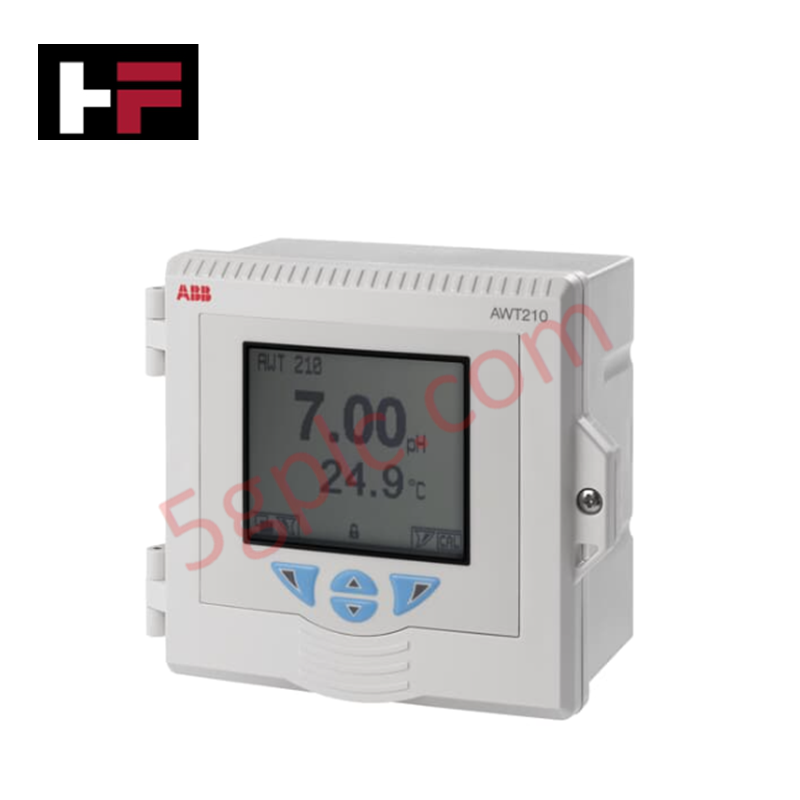
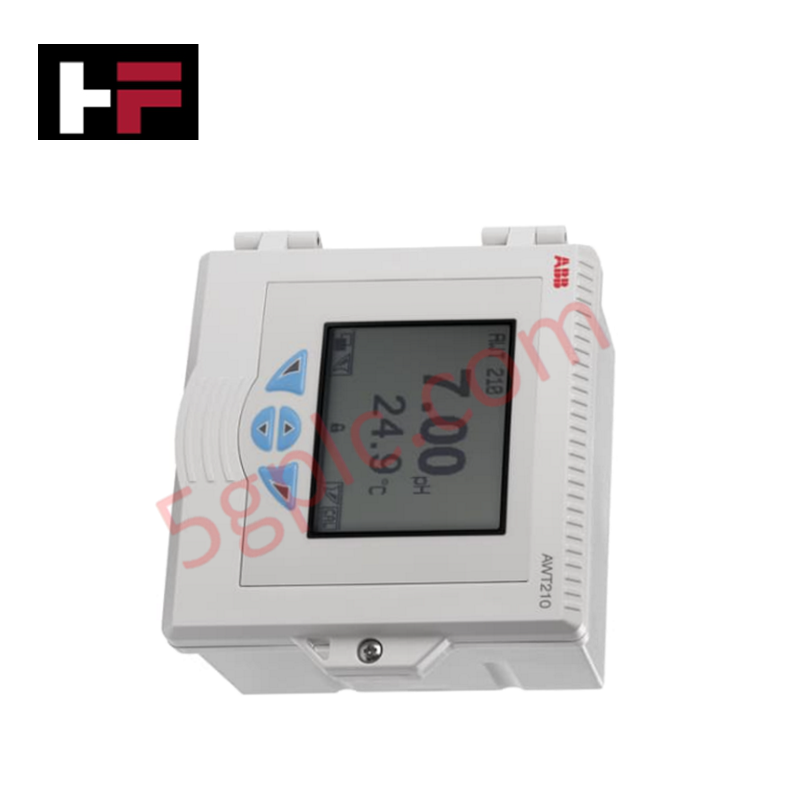
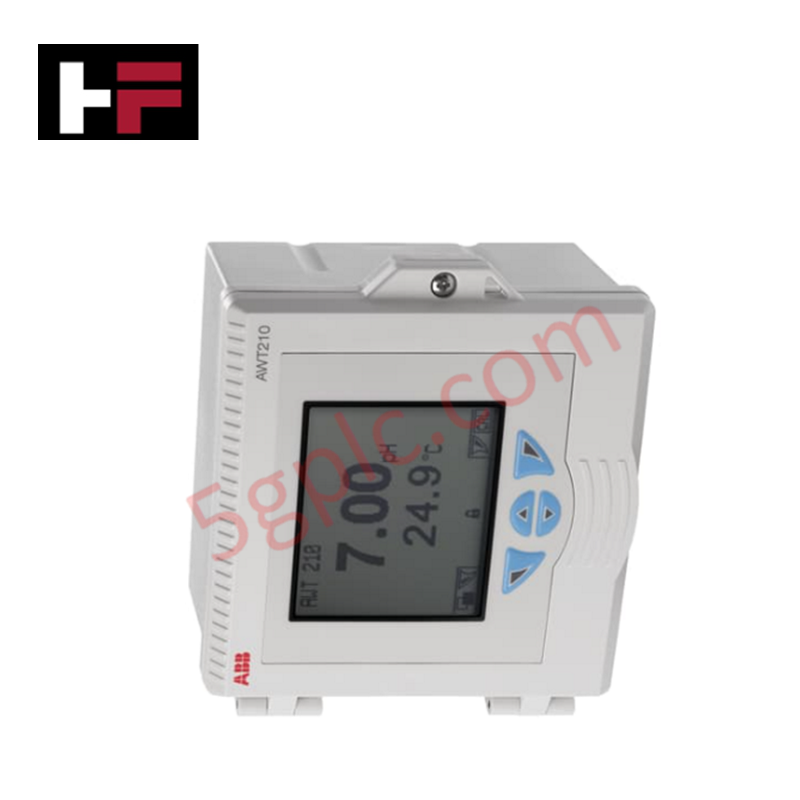
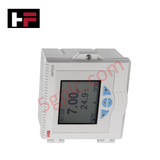
Configured for continuous electrochemical signal conditioning and process variable measurement in hazardous area monitoring loops, the ABB AWT210, also cataloged as the AWT210 2-Wire Transmitter, provides direct physical/electrical execution. The instrument converts low-level sensor inputs from pH, ORP, pION, or conductivity probes into a 4-20 mA loop-powered output, interfacing directly with host automation backplanes and distributed control nodes.
Hardware Specifications
| Parameter | Specification |
|---|---|
| Model | AWT210 |
| Brand | ABB |
| Dimensions | Standard Industrial Field Enclosure Form Factor |
| Operating Temp | -20 to 60 deg C |
| Power Consumption | 14 to 42 VDC Loop Power (2-Wire Circuit) |
| Architecture | Single-Channel Universal Transmitter |
| Measurement Types | pH, ORP, pION, Conductivity |
| Hazardous Area Certification | Intrinsically Safe (Ex i) Compatible |
Backplane Communication Velocity and Deterministic Control Integration
The AWT210 architecture utilizes modular sensor plug-in units to transmit digitized analytical data across the control bus network. By providing high-density signal conversion, the module interfaces with DCS I/O density scaling schemes and supports firmware flash compatibility for seamless integration into Profinet and EtherNet/IP deterministic networks via control gateway interfaces. On-board diagnostics continuously monitor sensor element integrity to prevent logic execution faults across remote PLC backplanes.
Frequently Asked Questions
Q: How is the transmitter powered across field loop installations?
A: The device operates as a 2-wire loop-powered unit drawing operational power directly from the 14 to 42 VDC supply on the 4-20 mA signal loop.
Q: What precautions apply when swapping measurement sensor modules?
A: Sensor cartridges utilize a plug-and-play digital interface; power must remain within certified Intrinsically Safe (Ex i) voltage boundaries when replacing modules in classified areas.
Q: How does the unit process different analytical measurement types?
A: Measurement behavior is defined by the installed sensor module, which automatically updates the transmitter firmware parameters for pH, ORP, pION, or conductivity scaling.
Field Installation Guidelines
- Verify that loop power supplies comply with the intrinsic safety barrier parameters specified for hazardous zone field wiring.
- Mount the housing securely to a wall or pipe stand, ensuring gland entries point downward to prevent moisture ingress.
- Route sensor cables through dedicated grounded conduit, keeping low-level probe signals isolated from AC motor power wiring.
- Seal unused cable entry ports with certified IP66/IP67 rated blanking plugs prior to energizing the loop.
Additional Information
- 100% Genuine Parts: All products are original and authentic, ensuring reliable industrial performance.
- 30-Day Refund Guarantee: Return any in-stock item within 30 days in original, unopened packaging for a full refund (excluding shipping and fees).
- 12-Month Warranty: Covers defects in materials or workmanship; excludes misuse, normal wear, or unauthorized modifications.
- Worldwide Shipping: We ship via USPS, UPS, FedEx, and DHL. Delivery times vary by country and may be subject to customs or import fees.
- Support & Contact: Technical and warranty assistance is available anytime. Contact us here: Contact.
- Purchase Guidance: Check product specifications and compatibility carefully before ordering to ensure proper application.




Tech & Buying Guide

Hub vs Switch vs Router in Industrial Automation Architecture
Modern factory automation relies on reliable industrial networking infrastructure to exchange real-time field data across operational technology systems. Engineers often encounter networking hardware like hubs, switches, and routers when integrating Programmable Logic Controllers, Distributed Control Systems, and SCADA monitoring nodes. Although these devices share physical ports, they operate at different layers of the Open Systems Interconnection reference model and deliver distinct traffic management capabilities.

Marshalling Cabinet Preventive Maintenance: Essential Healthiness Checks for PLC, DCS, and ESD Systems
Marshalling cabinets serve as the vital interface between field instrumentation and control room electronics in modern process facilities. Regular preventive maintenance of these cabinets ensures signal integrity across programmable logic controllers (PLCs), distributed control systems (DCS), and emergency shutdown (ESD) networks. System technicians must execute structured inspection protocols to mitigate environmental risks, identify loose wiring, and maintain continuous operational readiness.

Spatial Computing in Industrial Automation: Elevating PLC and DCS Operations with AR and VR
Industry 4.0 integrates digital intelligence into field operations, transforming factory automation landscapes worldwide. Spatial technologies—specifically Augmented Reality (AR) and Virtual Reality (VR)—redefine how engineers interact with industrial control systems. By bridging computer-generated CAD models with real-time operational technology (OT) data, immersive displays enable intuitive monitoring, rapid diagnostics, and safer maintenance across complex processing facilities.