












Product Details
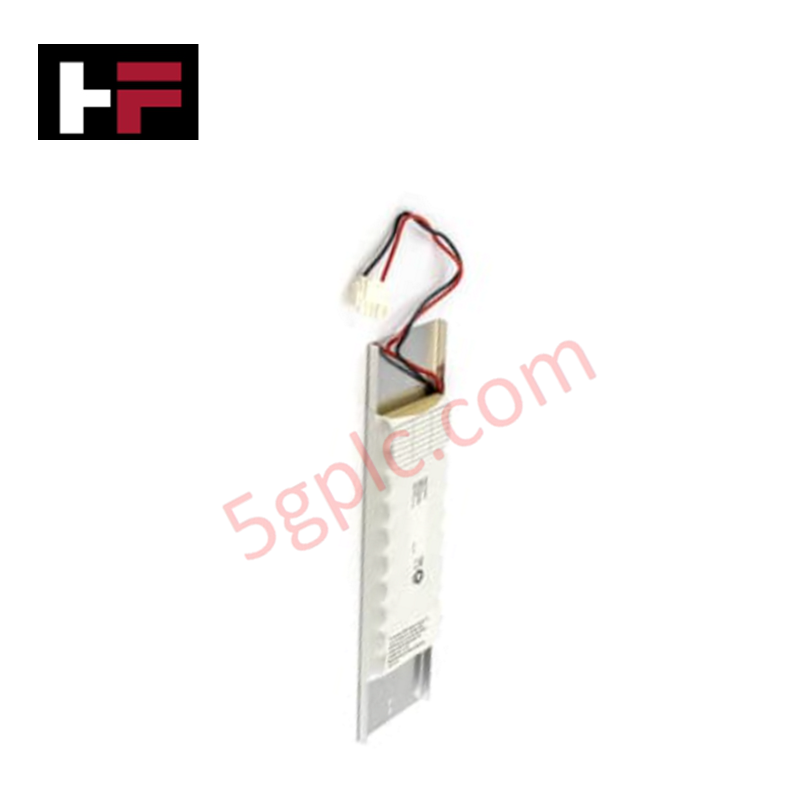
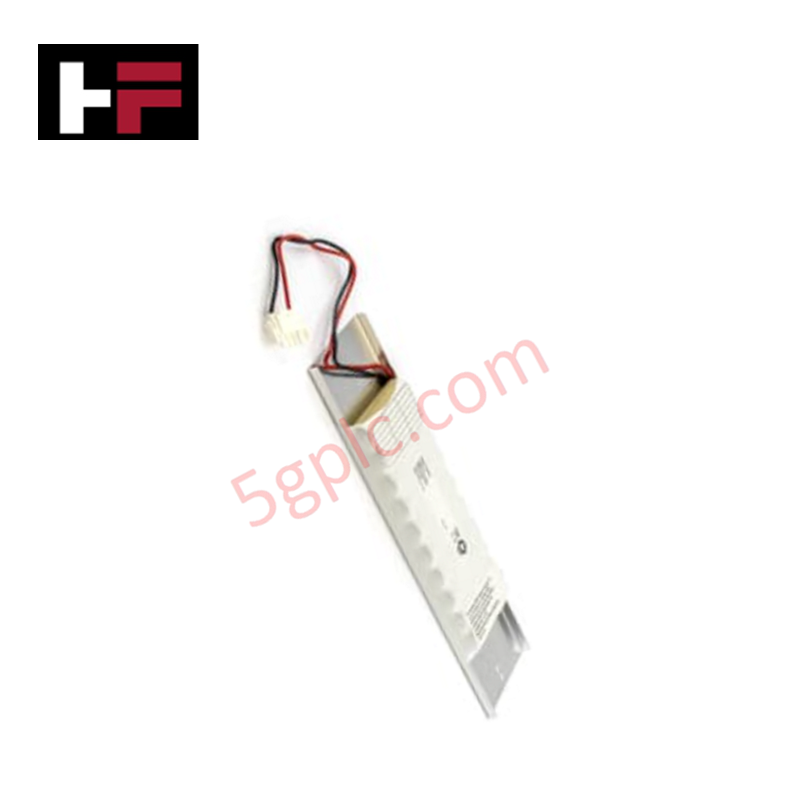
Configured for RAM data retention and backup current supply in Advant Controller 400 systems, the ABB SB522V1 3BSC760015R1 (SB522V1) Battery Unit provides direct physical/electrical execution to maintain continuous memory power.
Hardware Specifications
| Parameter | Specification |
|---|---|
| Model | SB522V1 |
| Part Number | 3BSC760015R1 |
| Brand | ABB |
| Origin | Sweden |
| Weight | 1.205 kg |
| Dimensions | Standard battery unit footprint (no dimension greater than 50 cm) |
| Operating Temp | 0 to 55 deg C |
| Power Consumption | 12 VDC, 4 Ah nominal output |
| Battery Chemistry | Rechargeable Nickel-Metal Hydride (NiMH) |
| Internal Protection | Internal Fuse 3.4 A |
| Compatible Chargers | SB510, SB511, SB518 (3BSC610071R1) |
| Primary Application | Backup current supply for volatile RAM memory retention |
Backplane Bus Communication Velocity & Firmware Flash Compatibility
The SB522V1 3BSC760015R1 interface manages DC bus voltage regulation during primary AC supply interruptions. By providing steady 12 VDC auxiliary current through the memory backplane contacts, it prevents volatile RAM state loss and system restart faults. Internal firmware flash compatibility in the host controller enables diagnostic monitoring of battery charge state across the backplane bus, maintaining deterministic system recovery without interrupting controller execution loops.
Frequently Asked Questions
Q: What is the rating and purpose of the internal fuse in the SB522V1 battery unit?
A: The module contains an integrated 3.4 A internal fuse designed to provide overcurrent protection during direct backup discharge to the RAM power bus.
Q: How often should spare SB522V1 units held in stock be recharged?
A: Spare SB522V1 batteries in stock must be recharged every six months using an approved battery charger, such as the SB518 (3BSC610071R1), to maintain cell capacity.
Field Installation Guidelines
- Power Off Verification: Isolate main power feeds to the battery module bay or charger interface before inserting or disconnecting battery connections.
- Connector Alignment: Ensure positive engagement and proper polarity when connecting the battery terminal harness to the SB510/SB511/SB518 charger assembly.
- Overcurrent Fuse Inspection: Verify the 3.4 A internal fuse integrity prior to field commissioning to ensure continuous RAM power takeover upon AC utility failure.
- Maintenance Schedule: Log the installation date directly on the battery housing and adhere to the scheduled preventive maintenance intervals (e.g., PM3YAC450-1 kit procedures).
Additional Information
- 100% Genuine Parts: All products are original and authentic, ensuring reliable industrial performance.
- 30-Day Refund Guarantee: Return any in-stock item within 30 days in original, unopened packaging for a full refund (excluding shipping and fees).
- 12-Month Warranty: Covers defects in materials or workmanship; excludes misuse, normal wear, or unauthorized modifications.
- Worldwide Shipping: We ship via USPS, UPS, FedEx, and DHL. Delivery times vary by country and may be subject to customs or import fees.
- Support & Contact: Technical and warranty assistance is available anytime. Contact us here: Contact.
- Purchase Guidance: Check product specifications and compatibility carefully before ordering to ensure proper application.




Tech & Buying Guide

Hub vs Switch vs Router in Industrial Automation Architecture
Modern factory automation relies on reliable industrial networking infrastructure to exchange real-time field data across operational technology systems. Engineers often encounter networking hardware like hubs, switches, and routers when integrating Programmable Logic Controllers, Distributed Control Systems, and SCADA monitoring nodes. Although these devices share physical ports, they operate at different layers of the Open Systems Interconnection reference model and deliver distinct traffic management capabilities.

Marshalling Cabinet Preventive Maintenance: Essential Healthiness Checks for PLC, DCS, and ESD Systems
Marshalling cabinets serve as the vital interface between field instrumentation and control room electronics in modern process facilities. Regular preventive maintenance of these cabinets ensures signal integrity across programmable logic controllers (PLCs), distributed control systems (DCS), and emergency shutdown (ESD) networks. System technicians must execute structured inspection protocols to mitigate environmental risks, identify loose wiring, and maintain continuous operational readiness.

Spatial Computing in Industrial Automation: Elevating PLC and DCS Operations with AR and VR
Industry 4.0 integrates digital intelligence into field operations, transforming factory automation landscapes worldwide. Spatial technologies—specifically Augmented Reality (AR) and Virtual Reality (VR)—redefine how engineers interact with industrial control systems. By bridging computer-generated CAD models with real-time operational technology (OT) data, immersive displays enable intuitive monitoring, rapid diagnostics, and safer maintenance across complex processing facilities.