










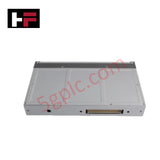
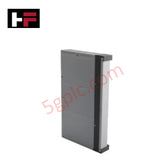
Product Details
Overview
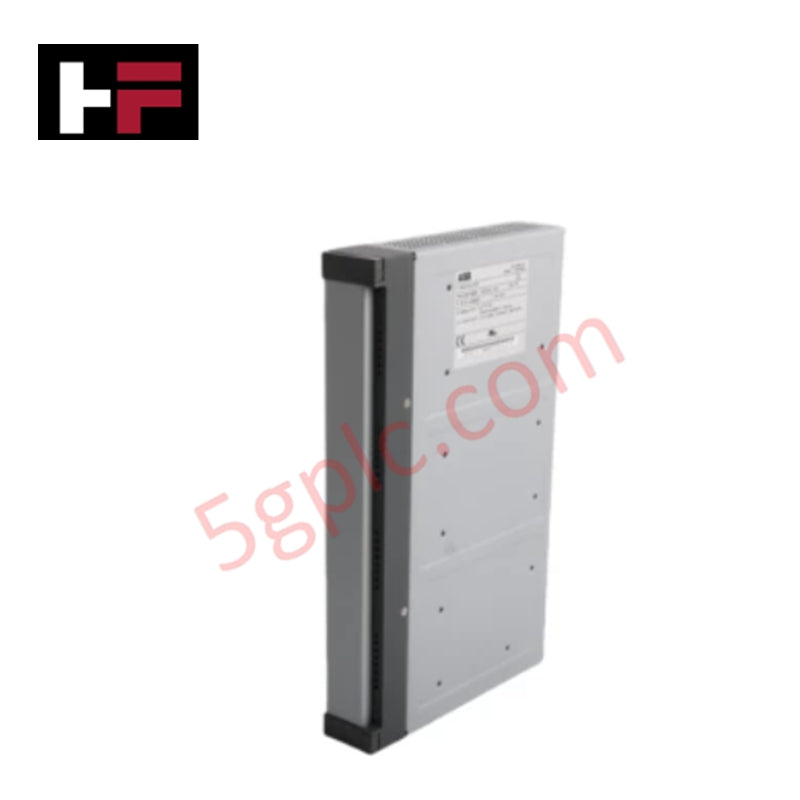
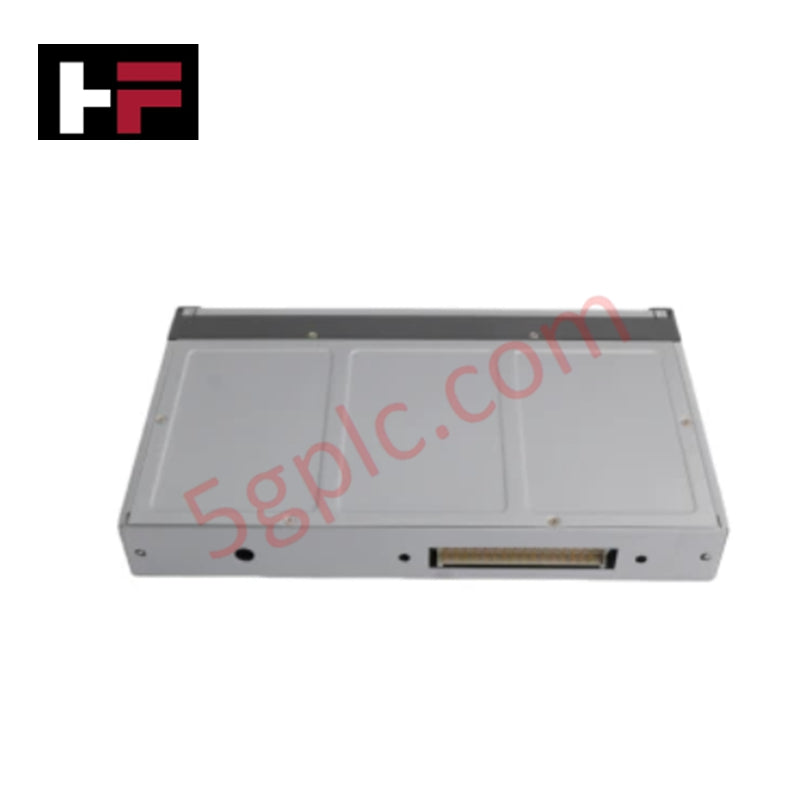
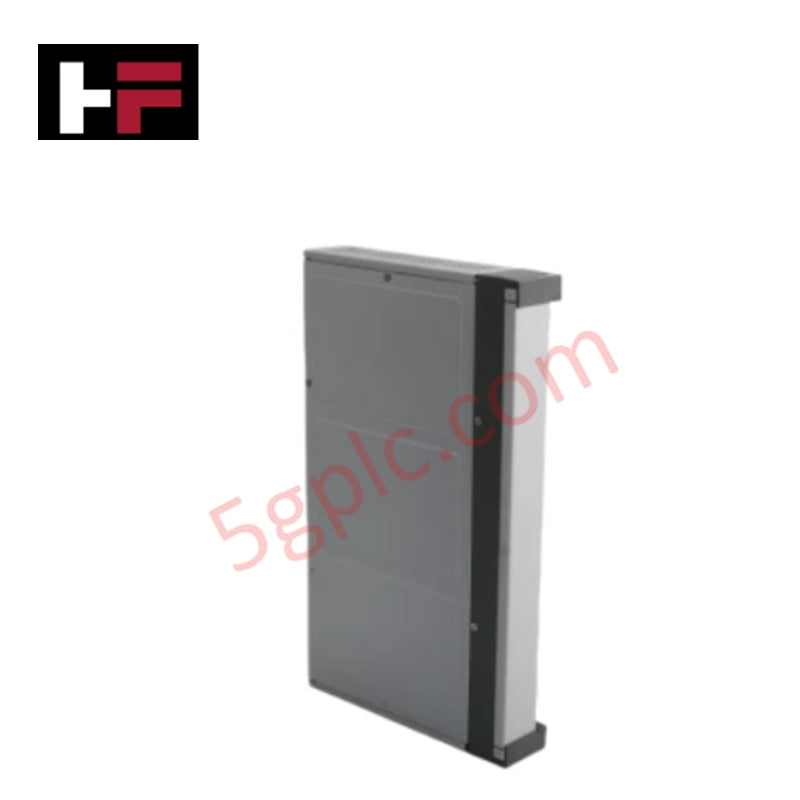
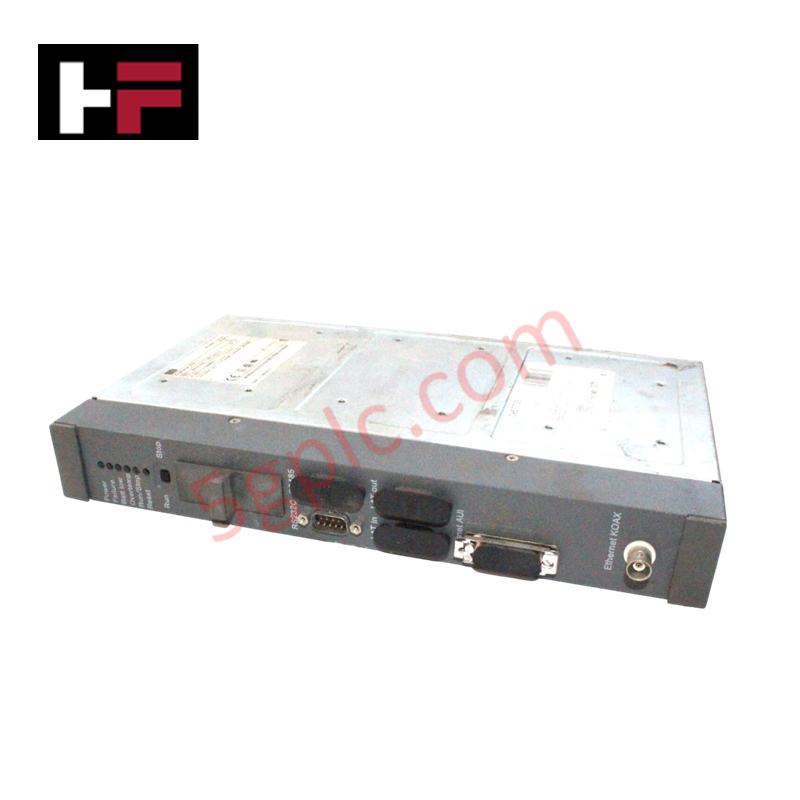
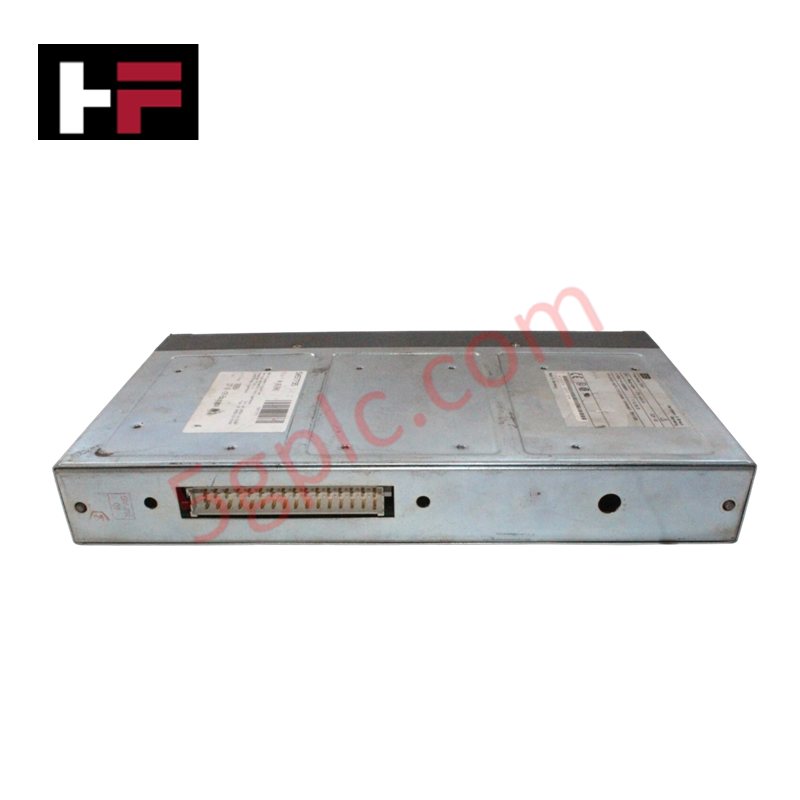
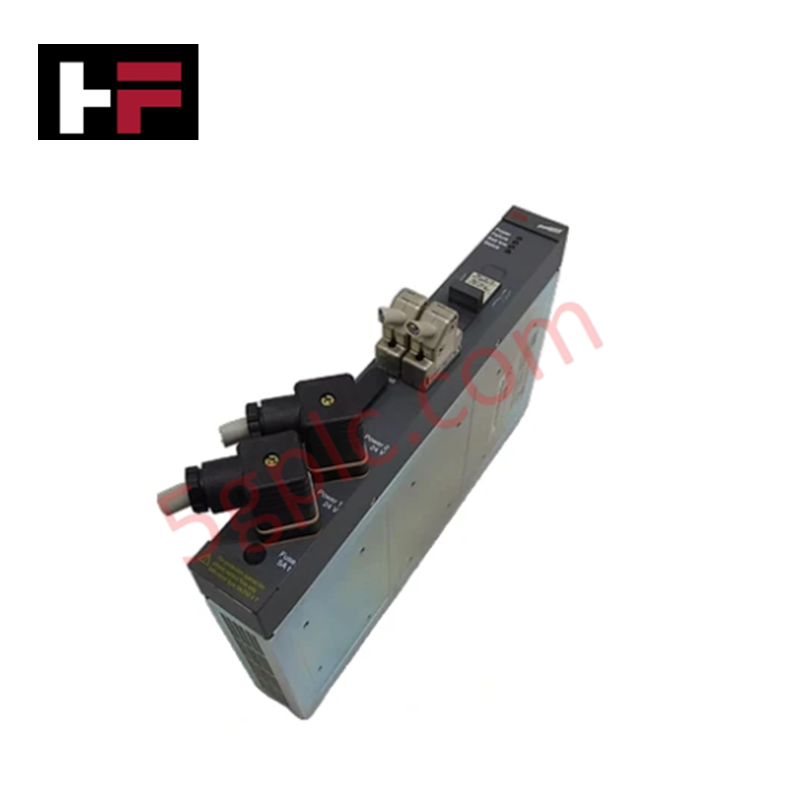
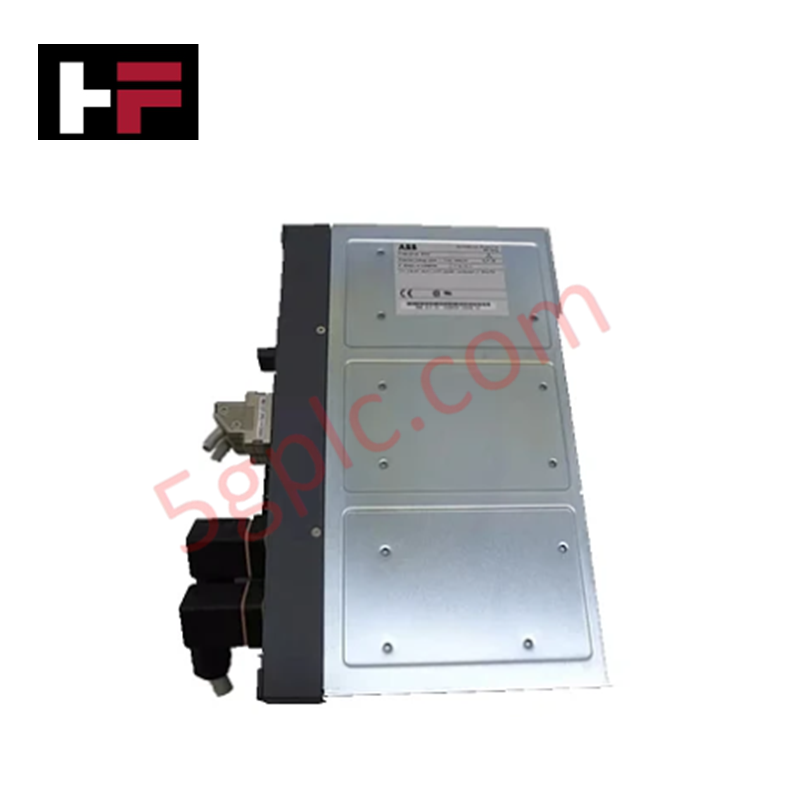
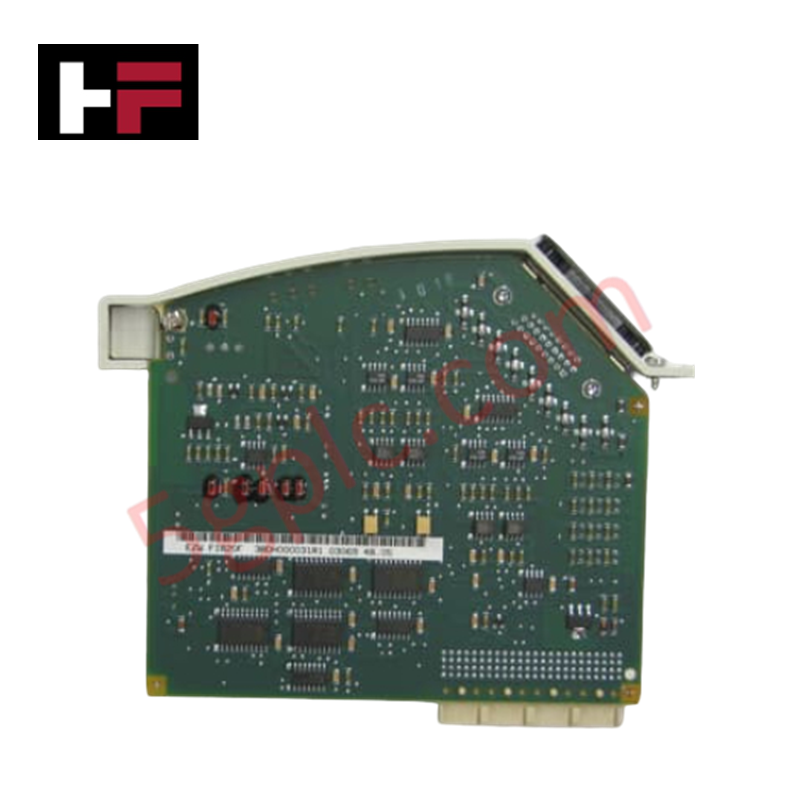
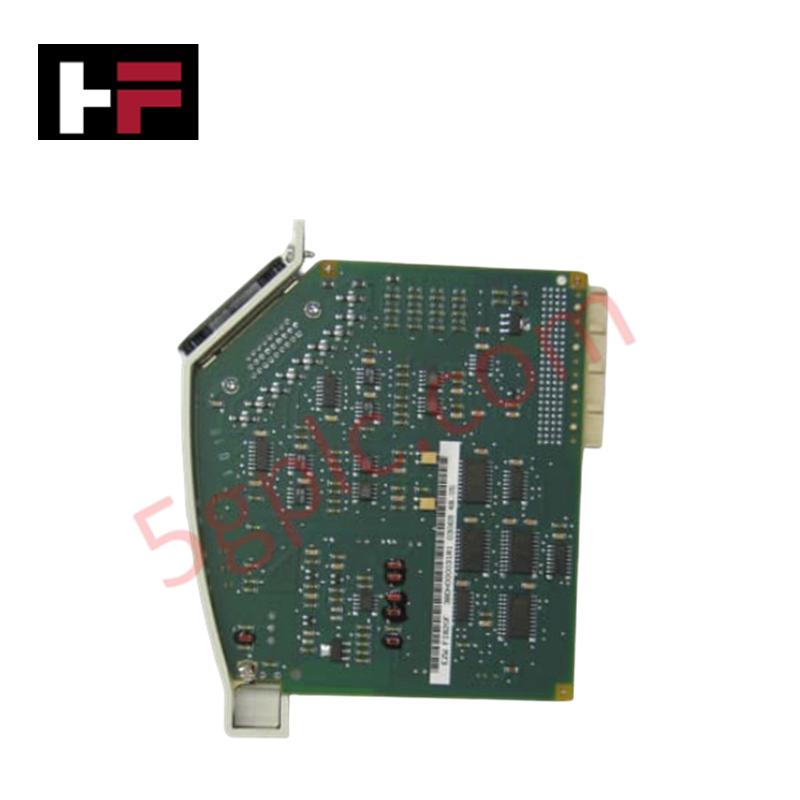
The ABB DAI 04 is a high-precision analog input module developed for the Freelance 200 PLC system. It is designed to process multiple types of analog signals with exceptional accuracy, making it ideal for industrial automation environments that demand reliable data acquisition and process control. With 16 input channels, wide signal range support, and strong electrical isolation, the DAI04 ensures stable performance across a broad temperature range and harsh operating conditions.
Technical Specifications
-
Manufacturer: ABB
-
Model Number: DAI 04
-
Product Type: Analog Input Module
-
System Compatibility: Freelance 200 PLC
-
Input Signal Types: 0–10 V, ±10 V, 4–20 mA
-
Number of Input Channels: 16
-
Input Impedance: High impedance for accurate signal capture
-
Resolution: 16-bit conversion
-
Accuracy: ±0.1% of full scale
-
Isolation Voltage: 1500 V for 1 minute
-
Operating Temperature Range: −40°C to +70°C
-
Humidity Range: 20%–95% RH (non-condensing)
-
Mounting Type: DIN-rail or panel-mounted
-
Dimensions (L × W × H): 20.3 × 5.1 × 2.5 cm (8.0 × 2.0 × 1.0 in)
-
Weight: 1.9 kg (4 lbs 2.1 oz)
-
Cooling Method: Passive convection
-
Material: Industrial-grade metal enclosure
-
Country of Origin: Switzerland
Key Features
-
16 analog input channels supporting voltage and current signals
-
16-bit high-resolution signal processing for precise measurement
-
±10 V differential input capability for flexible system design
-
1500 V galvanic isolation enhances system safety and noise immunity
-
Wide −40°C to +70°C temperature rating ensures stable performance in extreme environments
-
Compact, modular housing for efficient cabinet integration
-
Compatible with ABB Freelance 200 PLC systems for seamless communication and configuration
Application Scenarios
The DAI04 is suitable for:
-
Industrial process automation and distributed control systems
-
Energy and power monitoring applications
-
Chemical and petrochemical process instrumentation
-
Factory automation systems requiring high-accuracy analog acquisition
-
Integration with ABB Freelance 200 PLC-based control networks
FAQ
Q: What signals can the DAI04 process?
A: The module accepts 0–10 V, ±10 V, and 4–20 mA analog input signals, offering compatibility with a wide range of industrial sensors.
Q: How many channels does the DAI04 provide?
A: It offers 16 independent analog input channels, allowing multiple signal sources to be monitored simultaneously.
Q: What is the resolution and accuracy of the module?
A: The module provides 16-bit resolution with a measurement accuracy of ±0.1% of full scale.
Q: What level of electrical isolation does it provide?
A: The DAI04 features 1500 V isolation for up to 1 minute, ensuring safe operation and minimizing interference.
Q: What are the installation options?
A: The module can be mounted on DIN rails or control panels, depending on system requirements.
Additional Information
- 100% Genuine Parts: All products are original and authentic, ensuring reliable industrial performance.
- 30-Day Refund Guarantee: Return any in-stock item within 30 days in original, unopened packaging for a full refund (excluding shipping and fees).
- 12-Month Warranty: Covers defects in materials or workmanship; excludes misuse, normal wear, or unauthorized modifications.
- Worldwide Shipping: We ship via USPS, UPS, FedEx, and DHL. Delivery times vary by country and may be subject to customs or import fees.
- Support & Contact: Technical and warranty assistance is available anytime. Contact us here: Contact.
- Purchase Guidance: Check product specifications and compatibility carefully before ordering to ensure proper application.
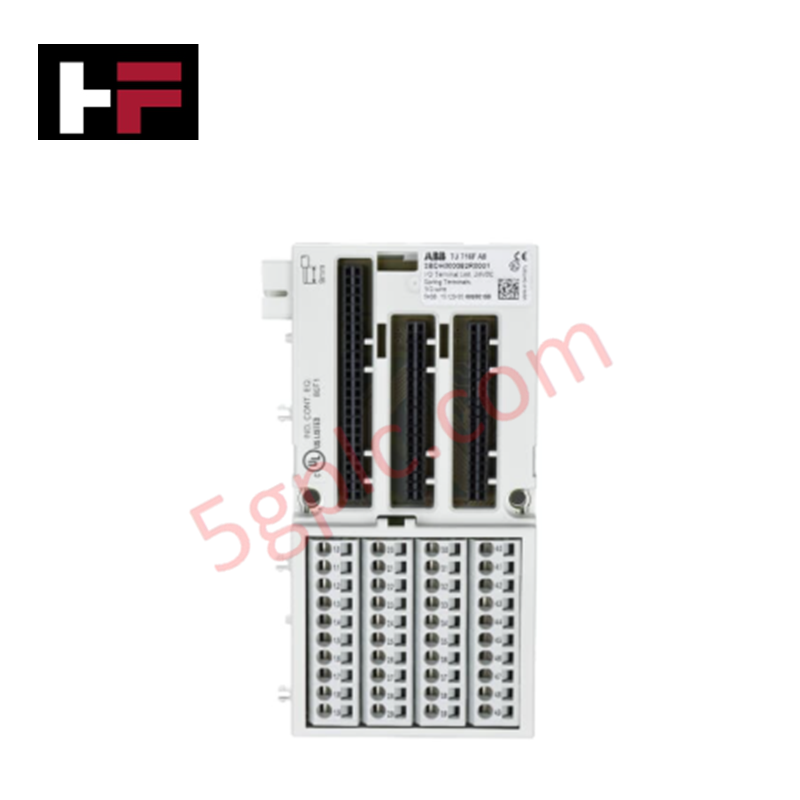
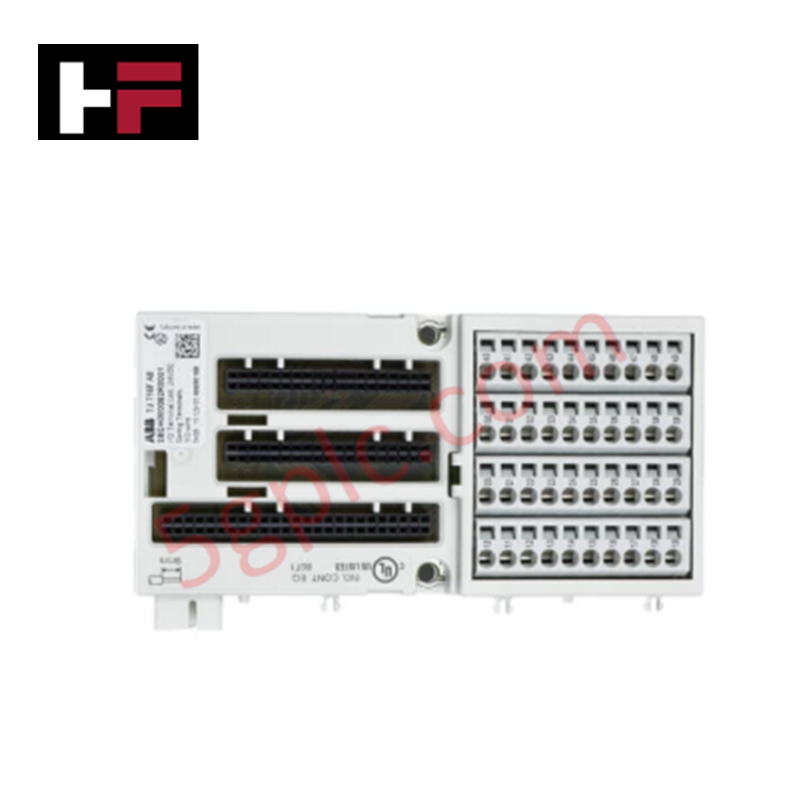
Tech & Buying Guide

Why Programmable Logic Controllers Drop into Stop Mode: An Expert Analysis
Industrial automation systems rely heavily on Programmable Logic Controllers (PLCs) to maintain uninterrupted production. When a PLC unexpectedly shifts from Run to Stop mode, whole manufacturing lines stall.
As control systems evolve across modern factory automation, understanding the root causes of these interruptions helps engineers minimize costly downtime. This technical guide breaks down why PLCs trip into Stop mode and provides practical strategies to mitigate system faults.

Understanding Root Causes of Unplanned PLC Stop Mode in Industrial Automation
Modern Programmable Logic Controllers manage execution through distinct operational states: Run, Stop, Start-Up, and Hold. During power-up, a controller initializes memory registers within Stop mode before briefly transitioning to Start-Up mode. During this phase, internal self-diagnostics evaluate system integrity across hardware and user programs. If the controller detects no critical faults, it enters Run mode to execute the control program continuously. However, any severe system anomaly forces the CPU back into Stop mode immediately to prevent erratic machine behavior across the plant floor.

Human-Machine Interface Design: Essential Guide to HMI Selection, Visualization, and Control System Integration
Human-Machine Interfaces (HMIs) serve as the primary operational window into complex industrial automation systems. Modern HMIs convert raw machine data into clear graphical displays, enabling operators to oversee entire manufacturing processes in real time. Instead of relying on physical control panels full of hardwired switches, engineers program interactive screens using intuitive graphics, dynamic color coding, and responsive touch interfaces. Over my 15 years in control systems engineering, I have observed HMIs transform from basic display screens into sophisticated command centers that drive operational efficiency across DCS and PLC environments.