

Product Details
Description
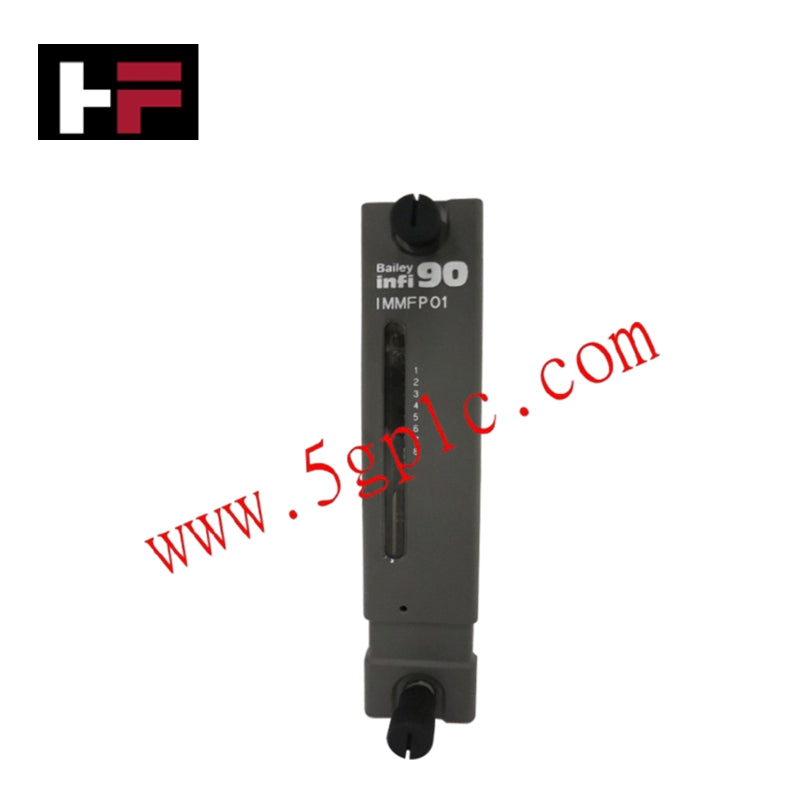
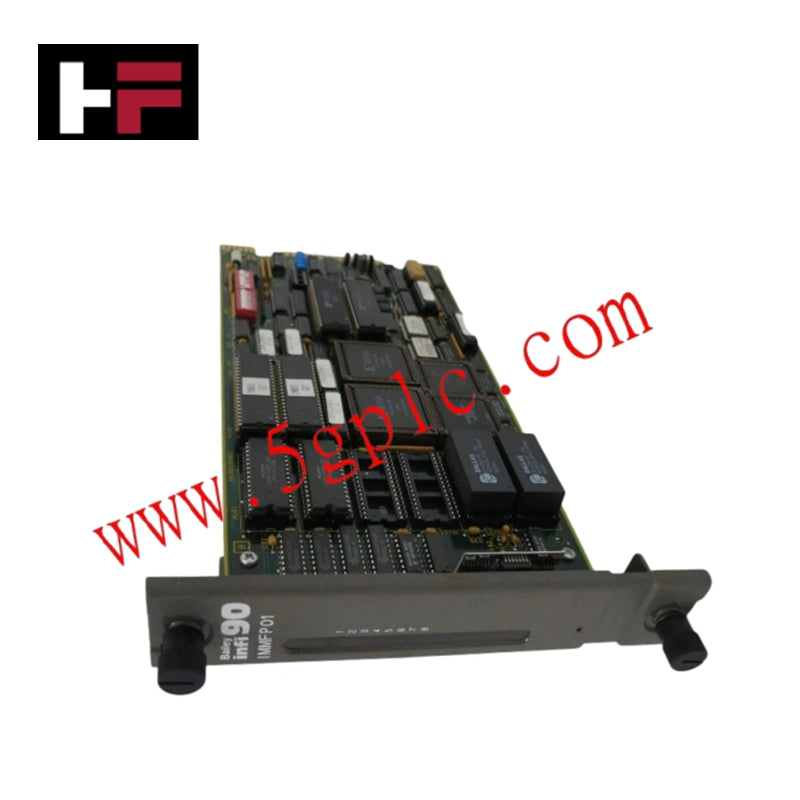
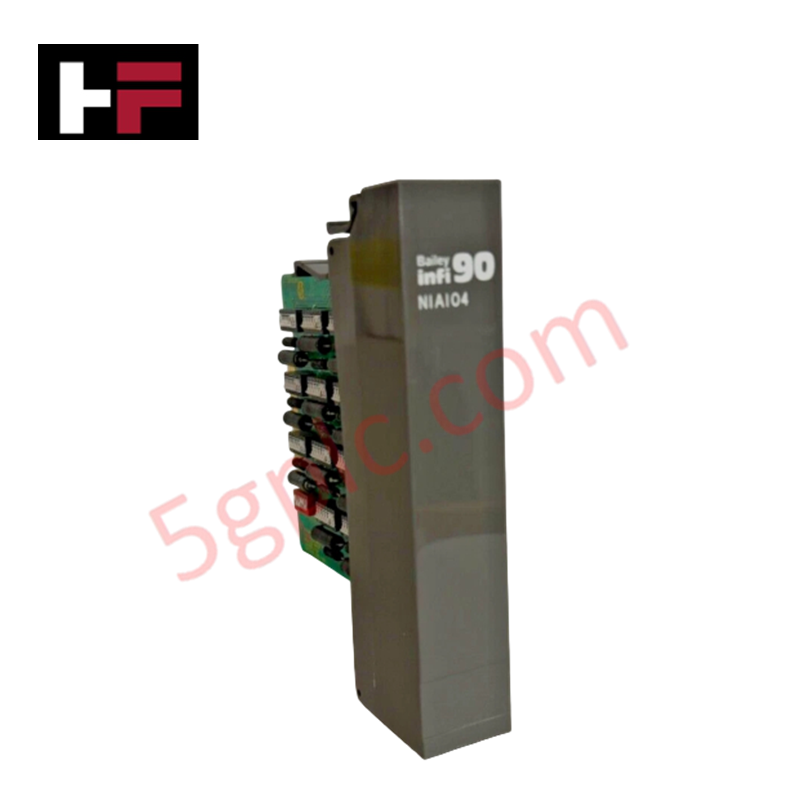
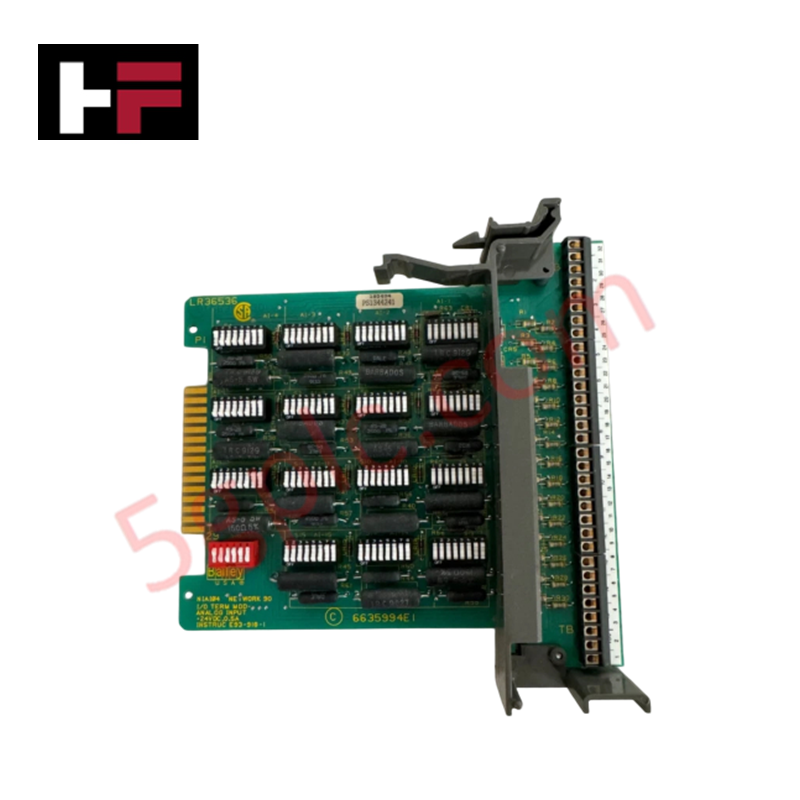
The ABB IMMFP01 is a high-performance Multi-Function Processor (MFP) module that serves as the primary computational engine for the Bailey Infi 90 and Network 90 Distributed Control Systems (DCS). This module is designed to execute complex control strategies, ranging from simple PID loops to advanced mathematical algorithms and sequence logic. By acting as the central intelligence within a module mounting unit, the IMMFP01 manages data from various I/O slave modules, processes logic in real-time, and communicates with the broader plant network. It is widely utilized in utility power plants, refineries, and water treatment facilities where high-reliability automation is essential.
Specifications
-
Brand: ABB Bailey
-
Model Number: IMMFP01
-
Product Type: Multi-Function Processor Module
-
Series: Infi 90 / Network 90
-
Processor Architecture: Advanced microprocessor for deterministic logic execution
-
Memory Configuration: Onboard NVRAM and RAM for logic storage and runtime data
-
Product Net Weight: 0.64 kg (1.41 lbs)
-
Dimensions: 177.8 mm x 35.6 mm x 298.5 mm
-
Communication: Peer-to-peer and master/slave bus support
Features
-
Advanced Logic Processing: Capable of executing thousands of function blocks per second, ensuring precise control over fast-acting industrial processes.
-
Flexible Configuration: Supports various programming languages and function block libraries tailored for industrial automation and regulatory control.
-
Deterministic Performance: Engineered to provide consistent, repeatable cycle times, which is critical for maintaining stability in complex closed-loop systems.
-
Fault-Tolerant Architecture: Built-in hardware watchdog timers and self-diagnostic routines monitor processor health and memory integrity continuously.
-
Seamless System Integration: Bridges field-level I/O data with the plant loop communication network for comprehensive site-wide monitoring and control.
Additional Information
- 100% Genuine Parts: All products are original and authentic, ensuring reliable industrial performance.
- 30-Day Refund Guarantee: Return any in-stock item within 30 days in original, unopened packaging for a full refund (excluding shipping and fees).
- 12-Month Warranty: Covers defects in materials or workmanship; excludes misuse, normal wear, or unauthorized modifications.
- Worldwide Shipping: We ship via USPS, UPS, FedEx, and DHL. Delivery times vary by country and may be subject to customs or import fees.
- Support & Contact: Technical and warranty assistance is available anytime. Contact us here: Contact.
- Purchase Guidance: Check product specifications and compatibility carefully before ordering to ensure proper application.


Tech & Buying Guide

Voice-Activated Industrial Automation: Integrating Speech Control into PLC and DCS Architectures
Industrial automation integrates speech recognition, IIoT protocols, and NLP with PLCs and DCS to streamline operations. By leveraging advanced edge computing, engineers enable real-time, hands-free control—allowing personnel to manage smart factory processes safely away from hazardous equipment.
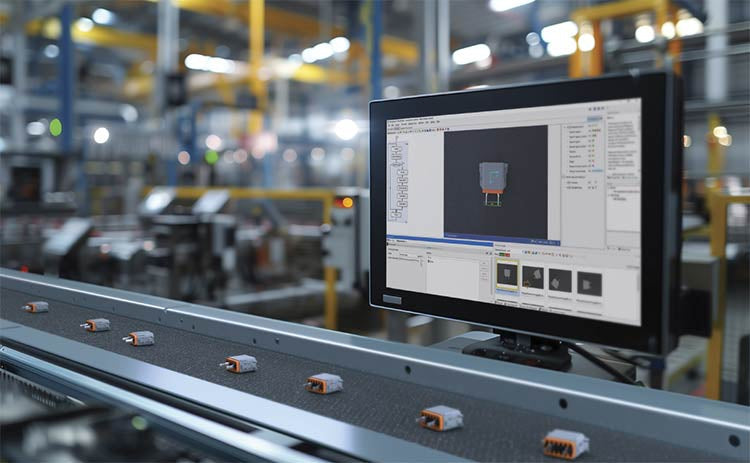
Modern Industrial Automation: Transforming Safety and Efficiency in Mining Operations
Industrial automation has evolved from a simple manufacturing tool into the operational backbone of high-risk sectors. Modern mining operations increasingly rely on advanced control systems, programmable logic controllers (PLCs), distributed control systems (DCS), and artificial intelligence to address deep-underground hazards. By replacing manual labor in high-risk zones, factory automation technologies protect personnel while significantly boosting operational throughput.