










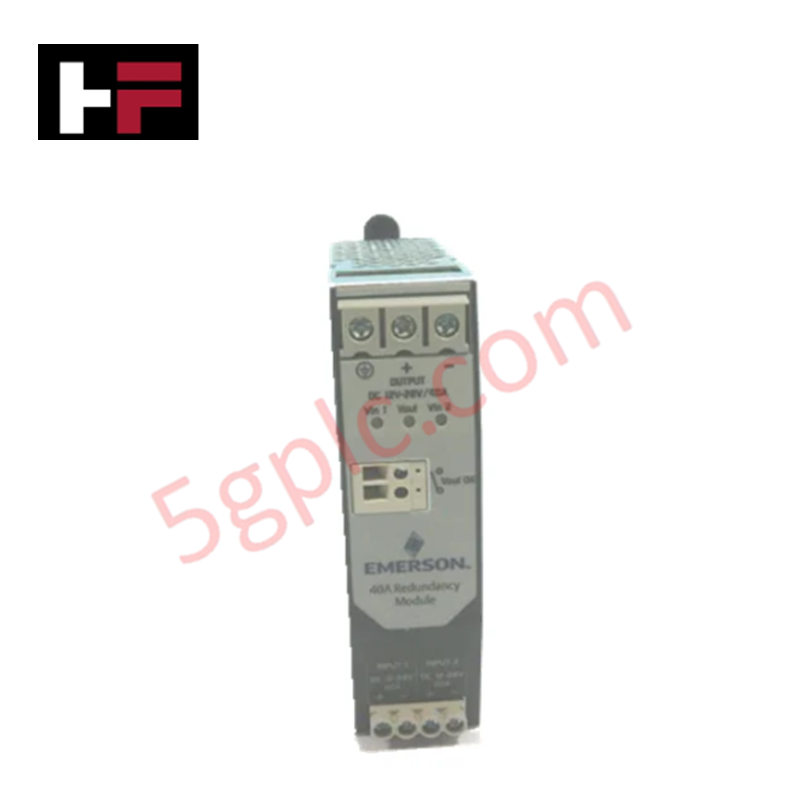
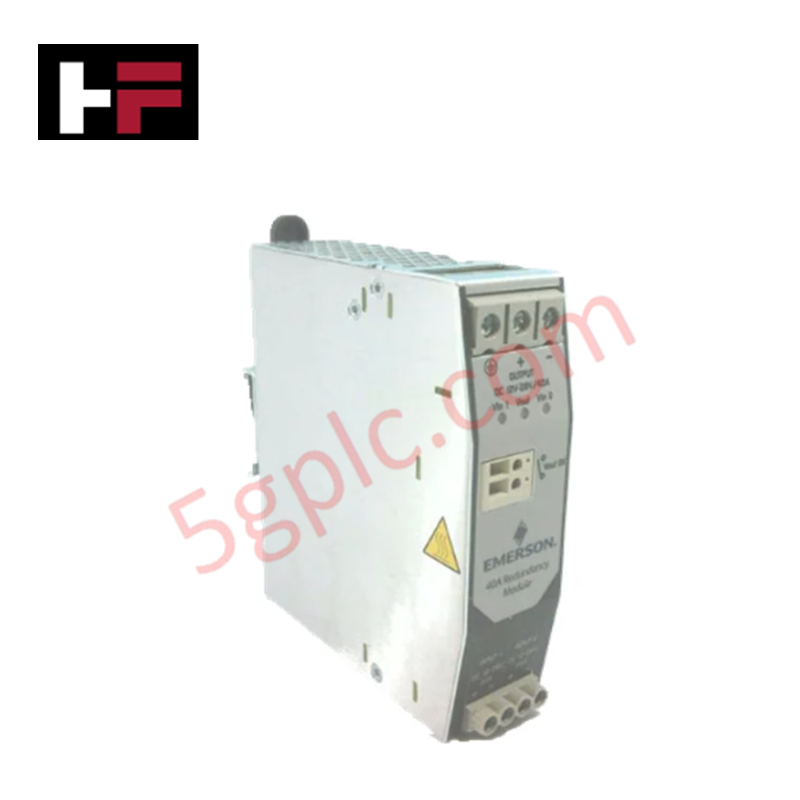
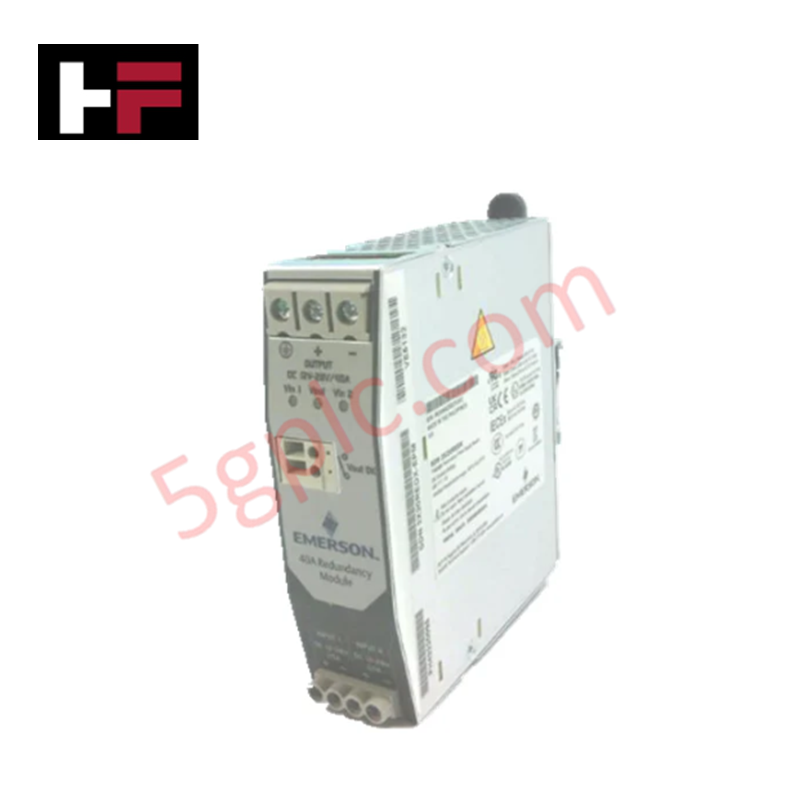
Détails du produit
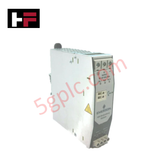
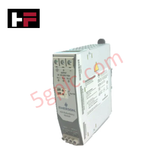
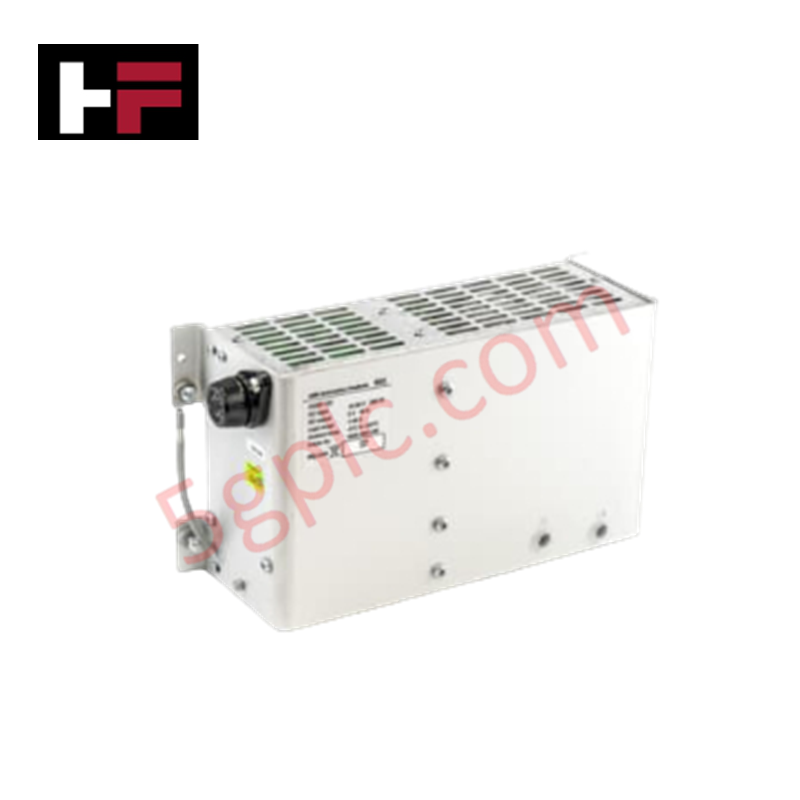
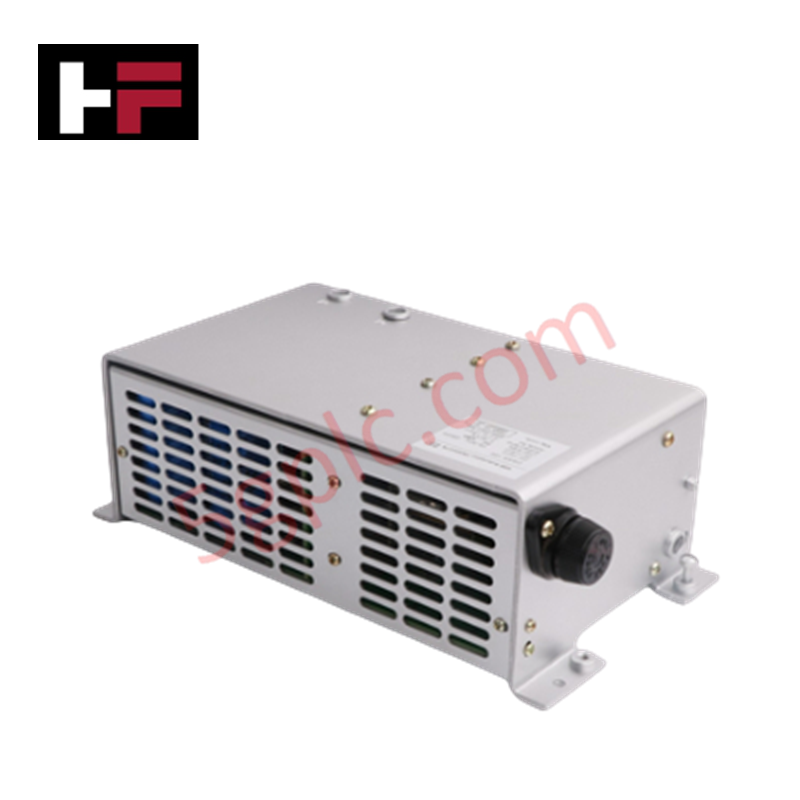
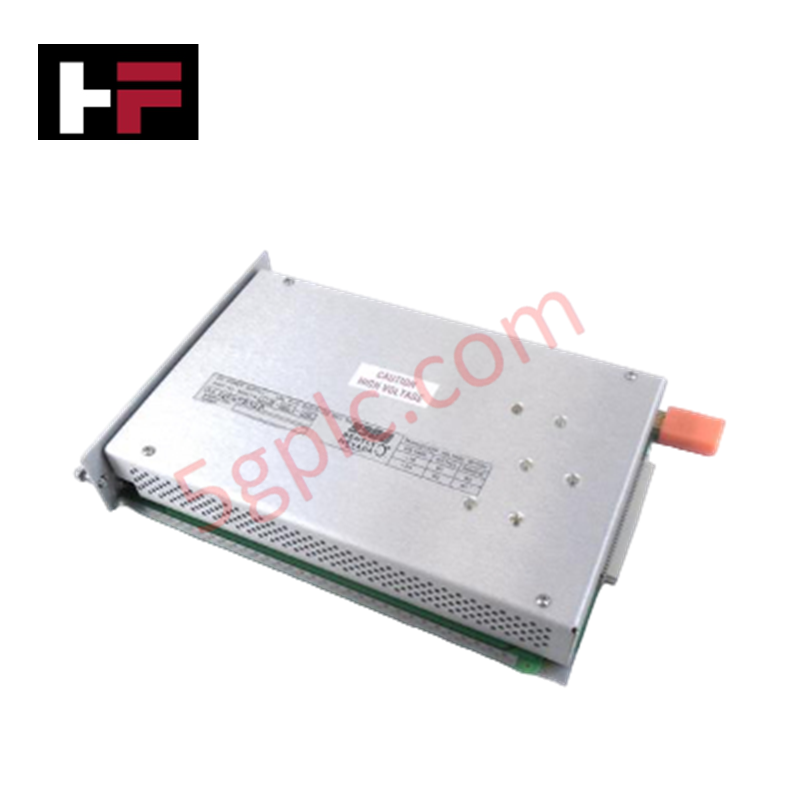
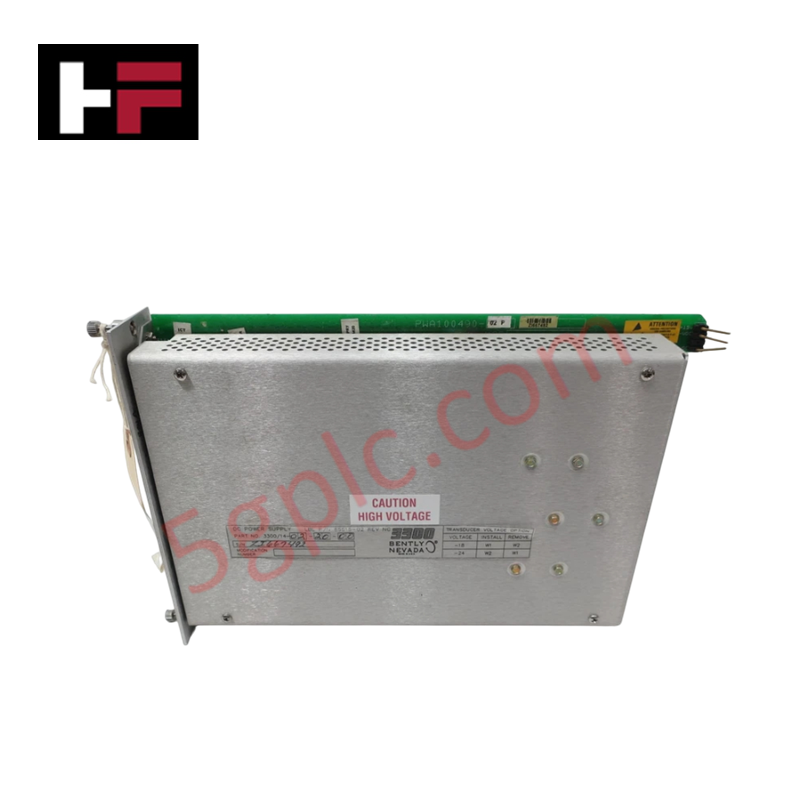
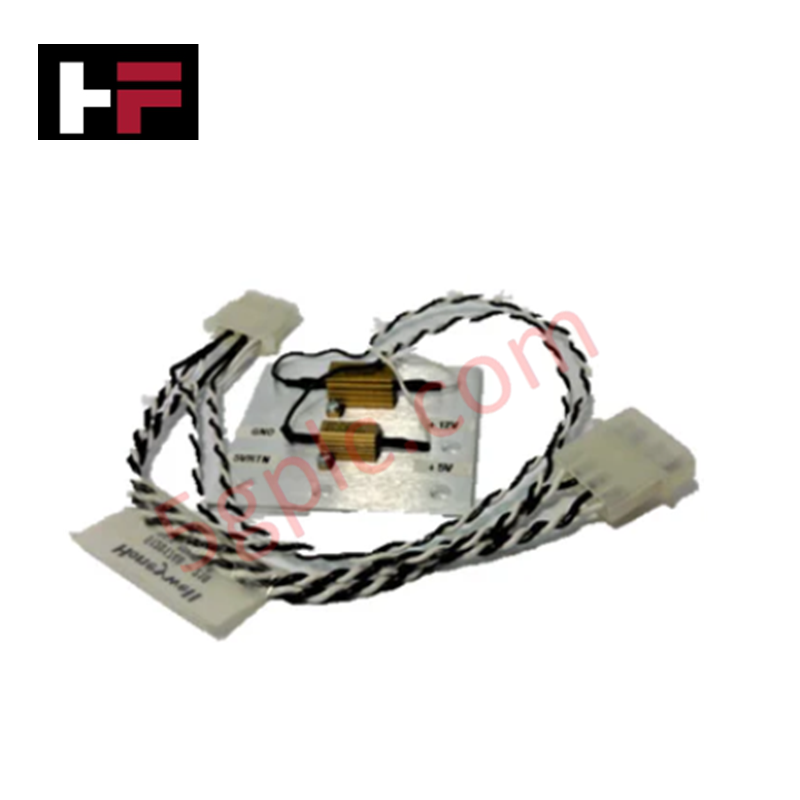
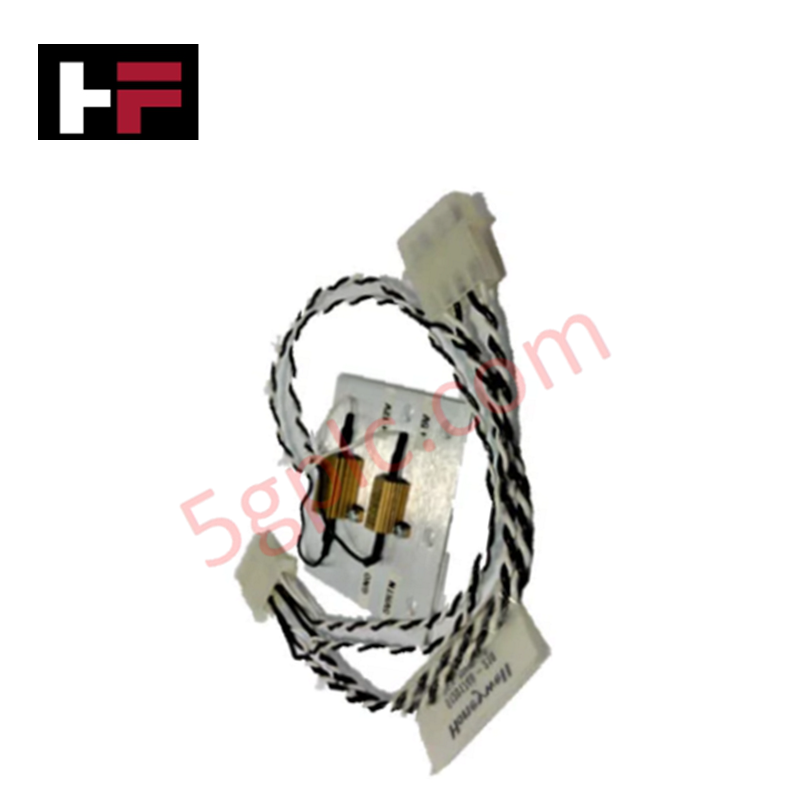
Configuré pour la distribution d'énergie et la gestion de charge dans les systèmes d'alimentation en masse DeltaV, le Emerson VE5132 (module de redondance d'alimentation VE5132) assure l'exécution physique et électrique directe du couplage parallèle de l'alimentation DC en masse. Ce composant matériel permet la consolidation et la protection des sources d'alimentation DC redondantes au sein de l'architecture du coffret.
Spécifications matérielles
| Paramètre | Spécification |
|---|---|
| Modèle | VE5132 |
| Marque | Emerson |
| Origine | N/A |
| Poids | 0,91 kg (2,00 lbs) |
| Dimensions | Format standard DeltaV Bulk Power |
| Température de fonctionnement | Ambiance industrielle standard |
| Consommation électrique | Non spécifiée |
| Capacité | 40 A |
| Plage de tension d'entrée | 12 VDC à 28 VDC |
Contrôle des processus et intégrité du signal
L'architecture du module prend en charge l'intégration de chemins d'alimentation redondants pour garantir une alimentation continue du bus système. En utilisant un couplage parallèle par diode OR ou un circuit de direction similaire, le module empêche le retour de courant d'une alimentation défaillante vers la ligne saine, maintenant ainsi la stabilité du réseau de distribution. L'inclusion d'un revêtement conforme offre une protection environnementale contre les contaminants aéroportés, assurant un contact électrique constant et la longévité des composants dans divers environnements industriels.
Questions fréquemment posées
Q : Le VE5132 offre-t-il une fonction de limitation de courant pour les entrées d'alimentation individuelles ?
R : Le module fonctionne comme un composant de redondance/de direction. La protection contre les surintensités reste à la charge des unités d'alimentation individuelles ou des disjoncteurs de circuit en amont du VE5132.
Q : Ce module peut-il être remplacé à chaud pendant que le système est sous tension ?
R : Le VE5132 est conçu pour être inséré dans l'ensemble de distribution d'alimentation. Assurez-vous que toutes les sources d'alimentation redondantes ont une tension correcte avant l'installation afin d'éviter les courants d'appel ou les arcs localisés.
Directives d'installation sur site
- Montage : Installez le module dans le rail de distribution d'alimentation en masse désigné. Veillez à ce que tous les fixations soient serrées selon les spécifications du fabricant pour maintenir des connexions à faible impédance et supporter un courant élevé.
- Mise à la terre : Assurez-vous que le châssis de l'ensemble de distribution d'alimentation est connecté à une barre de terre instrumentale vérifiée. Cela est nécessaire pour protéger les diodes de direction internes et les circuits contre les surtensions transitoires.
- Câblage : Utilisez des câbles de section appropriée capables de supporter la capacité nominale de 40 A. Assurez-vous que les terminaisons des câbles sont propres et exemptes d'oxydation pour éviter la surchauffe résistive sous forte charge.
- Vérification : Mesurez la tension de sortie aux bornes de distribution après installation pour confirmer que les chemins d'alimentation redondants sont correctement équilibrés et fonctionnent dans la plage d'entrée spécifiée de 12 VDC à 28 VDC.
Informations supplémentaires
- Pièces 100 % d'origine : Tous les produits sont originaux et authentiques, garantissant des performances industrielles fiables.
- Garantie de remboursement de 30 jours : Retournez tout article en stock dans les 30 jours dans son emballage d'origine non ouvert pour un remboursement complet (hors frais de port et frais).
- Garantie de 12 mois : Couvre les défauts de matériaux ou de fabrication ; exclut les mauvais usages, l'usure normale ou les modifications non autorisées.
- Expédition mondiale : Nous expédions via USPS, UPS, FedEx et DHL. Les délais de livraison varient selon le pays et peuvent être soumis à des frais de douane ou d'importation.
- Assistance & Contact : Une assistance technique et garantie est disponible à tout moment. Contactez-nous ici : Contact.
- Conseils d'achat : Vérifiez attentivement les spécifications et la compatibilité du produit avant de commander pour assurer une application correcte.


Guide technique et d'achat

Pourquoi les alimentations 24V DC standardisent l'automatisation industrielle moderne
Les armoires de contrôle industrielles dans le monde entier utilisent le 24V DC comme norme universelle d'alimentation pour les instruments de terrain, les capteurs et les contrôleurs. En entrant dans n'importe quelle usine, vous trouverez des automates programmables (PLC), des interfaces homme-machine (IHM) et des actionneurs intelligents fonctionnant en courant continu à très basse tension. La standardisation sur le 24V DC améliore la sécurité opérationnelle, réduit l'encombrement des armoires et maintient une performance de contrôle stable à travers les réseaux d'usine.

Commandes essentielles de contrôle de mouvement : un guide pratique pour les ingénieurs
Les ingénieurs en automatisation s'appuient souvent sur un contrôle précis de la position et de la vitesse pour piloter les machines modernes des usines. Les systèmes industriels modernes, tels que les automates programmables (API) et les systèmes de contrôle distribués (DCS), dépendent fortement des instructions de mouvement standardisées. Maîtriser ces commandes garantit la sécurité opérationnelle, protège les composants mécaniques et optimise les temps de cycle sur les lignes de production.
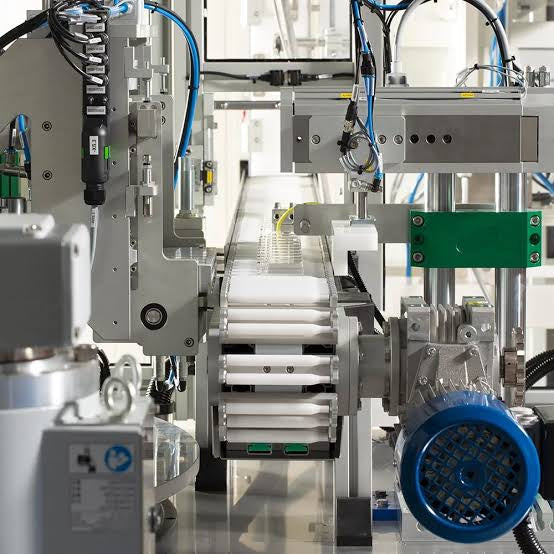
Maîtriser les commandes modernes de joystick industriel dans l'automatisation lourde
Les joysticks industriels jouent un rôle essentiel dans l'interaction homme-machine, notamment dans la manutention de matériaux lourds et les systèmes hydrauliques mobiles. Ces contrôleurs tactiles traduisent les mouvements complexes de l'opérateur en signaux électriques précis pour les automates programmables (PLC), les contrôleurs de mouvement et les réseaux DCS. Par conséquent, choisir et installer la bonne architecture de joystick garantit la sécurité de l'opérateur, réduit la fatigue et optimise les performances de l’équipement.