










Détails du produit
Présentation du produit
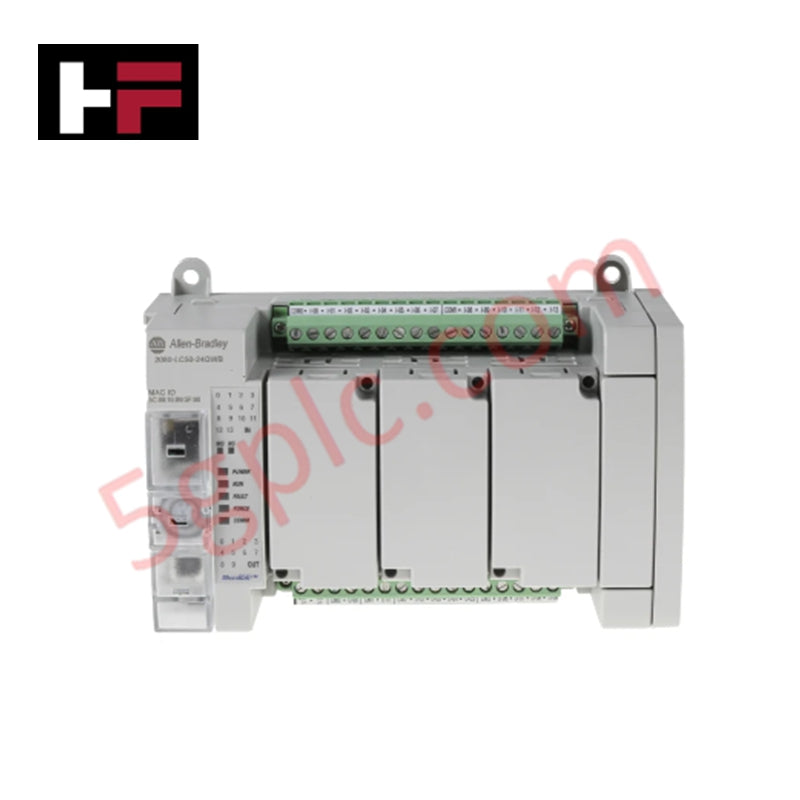
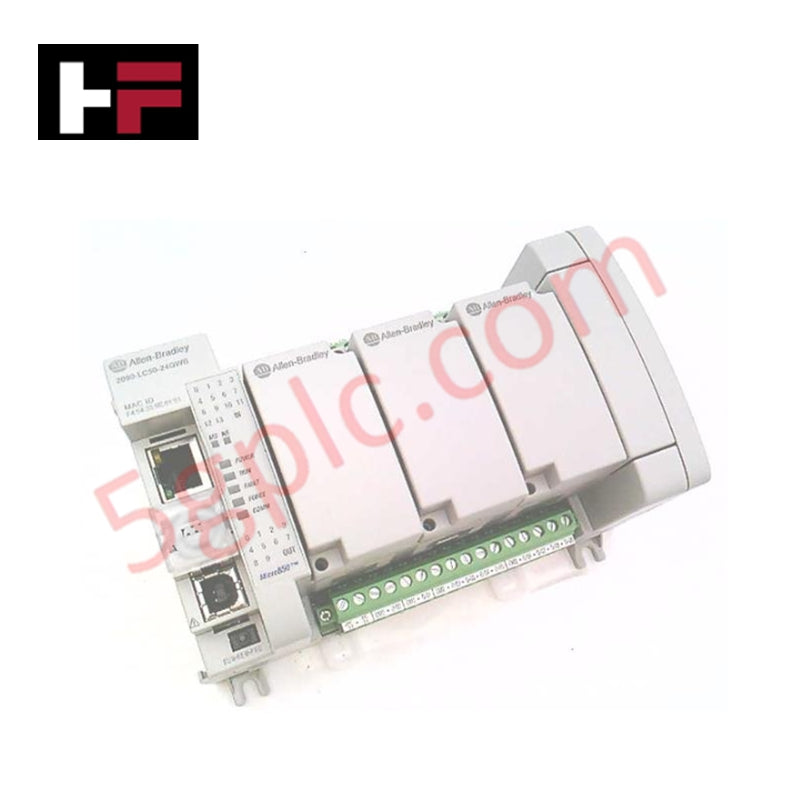
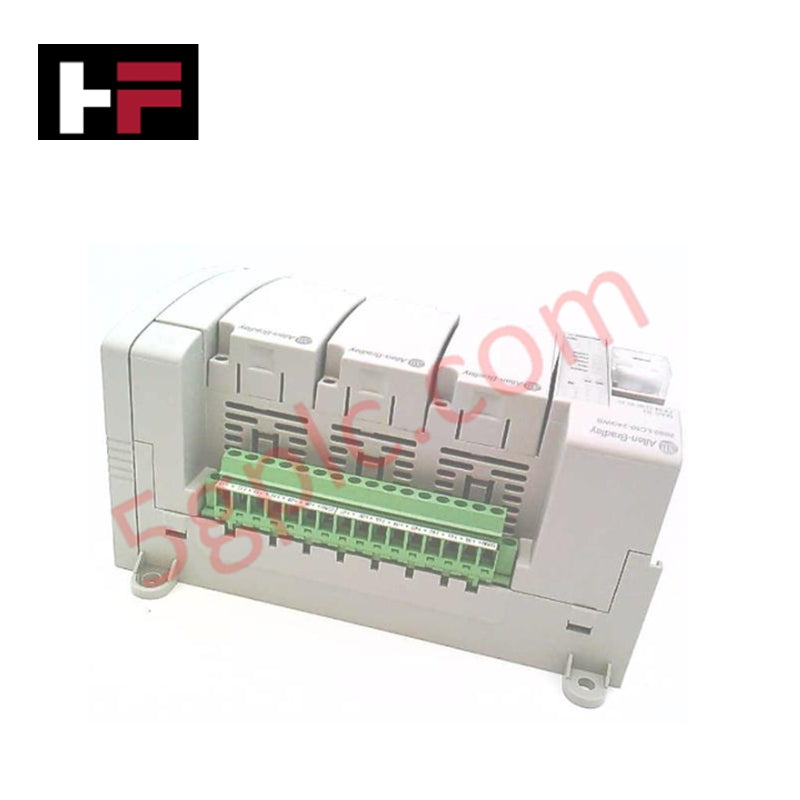
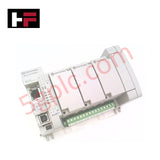
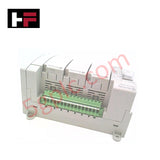
Le Allen-Bradley 2080-LC70-24QWB est un contrôleur Ethernet/IP puissant et flexible de la gamme Micro870. Conçu pour des machines autonomes de petite à moyenne taille, ce contrôleur logique programmable (PLC) dispose de 24 points d’E/S intégrés (14 entrées et 10 sorties relais) et de 128 Ko de mémoire. Il offre une connectivité polyvalente avec Ethernet/IP natif, Modbus RTU et des ports de communication série, permettant une intégration fluide dans divers réseaux industriels. Nous fournissons cet article en unité 100 % neuve, scellée en usine.
Spécifications techniques
| Paramètre | Spécification |
|---|---|
| Fabricant | Allen-Bradley (Rockwell Automation) |
| Gamme de produits | Micro870 |
| Type de produit | Contrôleur Ethernet/IP (PLC) |
| Nombre total de points d’E/S | 24 (14 entrées / 10 sorties) |
| Type de sortie | Relais |
| Tension d’entrée | 12 / 24 Volts CC |
| Capacité mémoire | 128 Ko |
| Ports de communication | Ethernet/IP, RS485/RS232 |
| Fonctionnalités de communication | Modbus RTU maître/esclave |
| Température de fonctionnement | -20°C à 65°C |
| Poids | 3,00 lbs (1,36 kg) |
Avantages techniques
Communication et connectivité avancées
Le 2080-LC70-24QWB excelle en connectivité machine grâce à son port Ethernet/IP natif et son interface série RS485/RS232 intégrée. Les ingénieurs peuvent facilement configurer le contrôleur en maître ou esclave Modbus RTU, permettant une communication directe avec des variateurs de fréquence, des IHM et des appareils tiers sans nécessiter de modules de communication supplémentaires coûteux.
Sortie relais robuste pour le contrôle direct des charges
Doté de 10 sorties relais intégrées, ce contrôleur peut commuter directement des charges AC ou DC à haute tension, telles que des démarreurs de moteur, des solénoïdes et des voyants. Cela élimine souvent le besoin de relais d’interface externes, réduisant significativement l’espace dans l’armoire, la complexité du câblage et le coût total des composants.
Large plage de température de fonctionnement
Conçu pour résister aux environnements industriels difficiles, le contrôleur Micro870 fonctionne de manière fiable dans des températures ambiantes allant de -20°C à 65°C. Cette large tolérance thermique garantit une performance stable dans des armoires non climatisées, des coffrets extérieurs et des processus de fabrication exigeants où l’électronique commerciale standard échouerait.
Questions fréquentes
Q : Combien de points d’E/S sont intégrés dans le 2080-LC70-24QWB ?
R : Ce contrôleur dispose de 24 points d’E/S intégrés, configurés en 14 entrées numériques et 10 sorties relais, offrant une base solide pour le contrôle machine sans besoin immédiat d’extension.
Q : Quels protocoles de communication ce contrôleur Micro870 supporte-t-il ?
R : Il dispose d’un port Ethernet/IP natif pour une intégration fluide dans les écosystèmes Rockwell Automation. De plus, le port RS485/RS232 prend en charge les protocoles Modbus RTU maître/esclave pour connecter une grande variété d’appareils industriels tiers.
Q : Quel type de sorties utilise le 2080-LC70-24QWB ?
R : Le contrôleur utilise des sorties relais. Les relais sont très polyvalents car ils peuvent commuter des charges AC et DC, ce qui les rend idéaux pour contrôler directement des contacteurs, lampes et petits moteurs.
Q : Quelle est la plage de température de fonctionnement de ce PLC ?
R : Le 2080-LC70-24QWB est conçu pour fonctionner entre -20°C et 65°C, garantissant une performance fiable dans des conditions environnementales difficiles courantes en milieu industriel.
Informations supplémentaires
- Pièces 100 % d'origine : Tous les produits sont originaux et authentiques, garantissant des performances industrielles fiables.
- Garantie de remboursement de 30 jours : Retournez tout article en stock dans les 30 jours dans son emballage d'origine non ouvert pour un remboursement complet (hors frais de port et frais).
- Garantie de 12 mois : Couvre les défauts de matériaux ou de fabrication ; exclut les mauvais usages, l'usure normale ou les modifications non autorisées.
- Expédition mondiale : Nous expédions via USPS, UPS, FedEx et DHL. Les délais de livraison varient selon le pays et peuvent être soumis à des frais de douane ou d'importation.
- Assistance & Contact : Une assistance technique et garantie est disponible à tout moment. Contactez-nous ici : Contact.
- Conseils d'achat : Vérifiez attentivement les spécifications et la compatibilité du produit avant de commander pour assurer une application correcte.


Guide technique et d'achat

Architecture du panneau de commande de tête de puits (WHCP) dans l’automatisation du secteur pétrolier et gazier
Les opérations en amont dans le secteur pétrolier et gazier s’appuient sur des plateformes spécialisées de contrôle sur le terrain pour gérer la sécurité de l’extraction au niveau de la tête de puits et l’actionnement hydraulique. Un panneau de contrôle de tête de puits (WHCP) est une unité d’alimentation hydraulique et pneumatique dédiée, conçue pour actionner les vannes d’isolement critiques de l’arbre de Noël. En reliant directement les composants de sécurité sur le terrain à une architecture de contrôleur logique programmable (PLC), un WHCP protège les équipements d’extraction en amont contre les surpressions, les fuites catastrophiques et les situations d’urgence thermique.

Comprendre les armoires de brassage dans l’architecture des systèmes de contrôle industriels
Les déploiements de systèmes de contrôle industriel reposent sur une distribution structurée des signaux pour relier l’instrumentation de terrain au matériel de traitement central. Une armoire de brassage constitue le point de connexion intermédiaire essentiel entre les câbles multipaires lourds de liaison directe provenant du terrain et les modules d’entrée/sortie (E/S) sensibles installés dans les coffrets d’automates programmables (PLC) ou de systèmes de contrôle distribué (DCS). En séparant les terminaisons des câbles de terrain du matériel de contrôle, les ingénieurs préservent la flexibilité du système, protègent les composants de l’automate et simplifient les opérations de mise en service.

FAT vs SAT dans les systèmes de contrôle industriels : principales différences et guide d’exécution
Le déploiement d’un système de contrôle industriel repose sur des protocoles de vérification rigoureux afin de garantir la sécurité opérationnelle, la stabilité du système et la conformité réglementaire. La mise en service de racks complexes de contrôleurs logiques programmables (PLC), de systèmes de contrôle-commande distribués (DCS) et de systèmes instrumentés de sécurité (SIS) nécessite deux étapes clés : les tests d’acceptation en usine (FAT) et les tests d’acceptation sur site (SAT). Ces deux procédures vérifient que l’automatisation du système respecte les spécifications de conception, mais elles interviennent à des étapes différentes de l’exécution du projet et visent des risques opérationnels distincts.