












Détails du produit
Présentation du produit
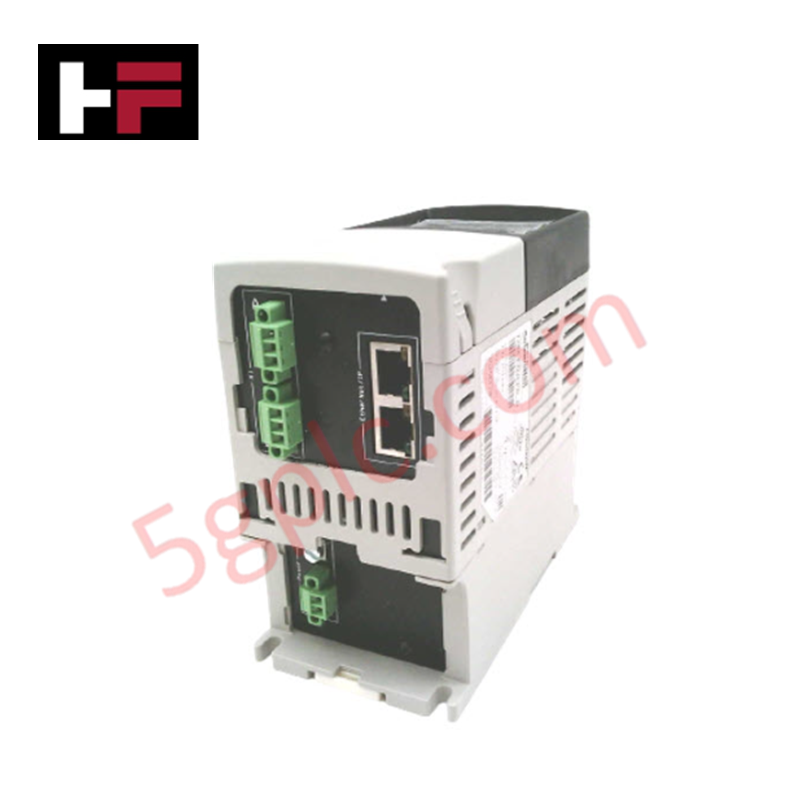
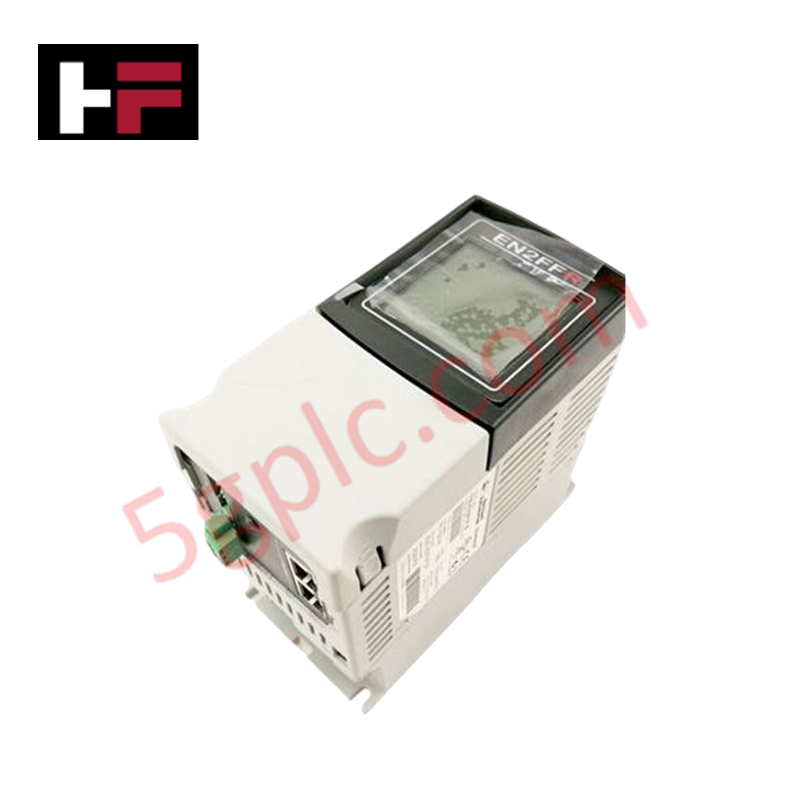
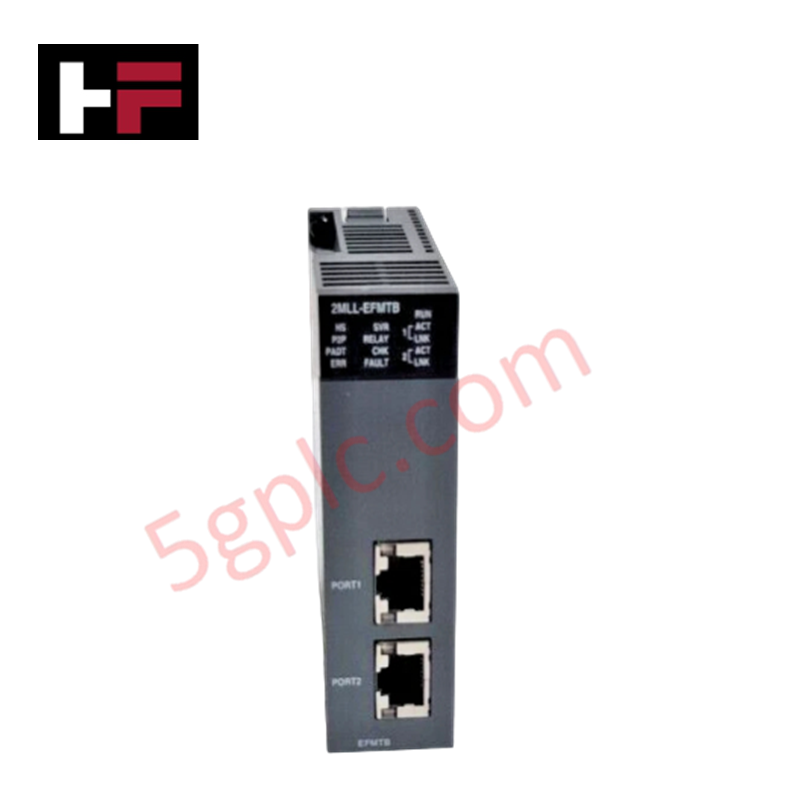
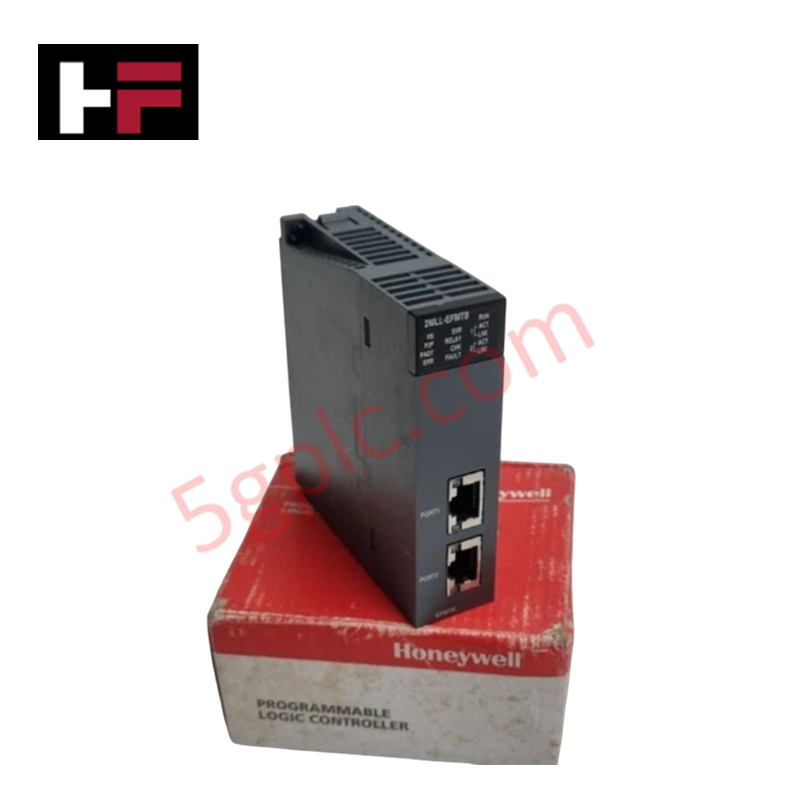
Le Allen-Bradley 1788-EN2FFR agit comme une passerelle à haute disponibilité reliant des réseaux EtherNet/IP redondants avec des segments Foundation Fieldbus H1. Ce dispositif de liaison réseau dispose de deux connecteurs RJ45 EtherNet/IP et de deux ensembles de bornes média H1, garantissant un échange de données fluide et tolérant aux pannes entre les systèmes de contrôle modernes et les instruments de terrain. Il fonctionne avec une alimentation 24-32V DC et possède un châssis de style ouvert conçu pour un montage sur rail DIN standard. Nous fournissons cet article en unité 100 % neuve, scellée en usine.
Spécifications techniques
| Paramètre | Spécification |
|---|---|
| Fabricant | Allen-Bradley (Rockwell Automation) |
| Série de produits | 1788 Dispositifs de liaison |
| Type de produit | Module de liaison réseau / Adaptateur télécom |
| Interfaces réseau | EtherNet/IP redondant vers Foundation Fieldbus |
| Ports EtherNet/IP | 2 connecteurs RJ45 |
| Bornes Fieldbus | 2 ensembles de bornes média H1 |
| Alimentation | 24 - 32V DC |
| Type de boîtier | Style ouvert |
| Méthode de montage | Montage sur rail DIN |
| Poids | 1,20 lbs (0,54 kg) |
Avantages techniques
Architecture réseau redondante
Le 1788-EN2FFR est conçu pour les environnements d'automatisation de processus critiques. En supportant des connexions EtherNet/IP redondantes ainsi que deux bornes média H1, il élimine les points de défaillance uniques. Si un câble réseau principal ou un commutateur tombe en panne, le module maintient la communication sans interruption, garantissant que votre système de contrôle conserve une visibilité et un contrôle continus sur les appareils de terrain sans temps d'arrêt coûteux.
Passerelle de protocole transparente
Ce dispositif de liaison traduit efficacement le trafic EtherNet/IP à haute vitesse en signaux Foundation Fieldbus H1. Il permet aux contrôleurs modernes basés sur Logix d'intégrer facilement des instruments de terrain anciens ou spécialisés (comme les transmetteurs intelligents et les positionneurs de vannes) fonctionnant sur le protocole Foundation Fieldbus, simplifiant ainsi l'architecture globale de votre système et réduisant le besoin de multiples passerelles disparates.
Installation industrielle standardisée
Conçu pour un déploiement rapide dans les armoires de contrôle, le module de style ouvert se monte directement sur un rail DIN standard. Les blocs de bornes clairs pour l'alimentation 24-32V DC et les médias H1 simplifient le câblage et le dépannage. Son encombrement compact de 1,20 lbs économise un espace précieux dans le panneau tout en offrant une adaptabilité robuste en télécommunications.
FAQ
Q : Quels protocoles réseau le 1788-EN2FFR connecte-t-il ?
R : Ce module agit comme un pont entre un réseau EtherNet/IP redondant (utilisant deux ports RJ45) et des segments Foundation Fieldbus H1 (utilisant deux ensembles de bornes média H1), permettant un échange de données fluide entre les deux protocoles.
Q : Quelle est l'alimentation requise pour ce module de liaison ?
R : Le 1788-EN2FFR nécessite une alimentation DC comprise entre 24 et 32 volts. Assurez-vous que votre panneau de contrôle fournit une tension stable dans cette plage pour un fonctionnement optimal.
Q : Comment ce module améliore-t-il la fiabilité du réseau ?
R : Il intègre une redondance pour les connexions EtherNet/IP et Foundation Fieldbus. Cette capacité à double chemin garantit que la communication reste active même si un lien réseau subit une panne ou une interruption physique.
Q : Comment le 1788-EN2FFR est-il monté dans un panneau de contrôle ?
R : Le module présente un design industriel de style ouvert qui se clipse directement sur un rail DIN standard, permettant une installation rapide, un montage sécurisé et un retrait facile pour maintenance ou remplacement.
Informations supplémentaires
- Pièces 100 % d'origine : Tous les produits sont originaux et authentiques, garantissant des performances industrielles fiables.
- Garantie de remboursement de 30 jours : Retournez tout article en stock dans les 30 jours dans son emballage d'origine non ouvert pour un remboursement complet (hors frais de port et frais).
- Garantie de 12 mois : Couvre les défauts de matériaux ou de fabrication ; exclut les mauvais usages, l'usure normale ou les modifications non autorisées.
- Expédition mondiale : Nous expédions via USPS, UPS, FedEx et DHL. Les délais de livraison varient selon le pays et peuvent être soumis à des frais de douane ou d'importation.
- Assistance & Contact : Une assistance technique et garantie est disponible à tout moment. Contactez-nous ici : Contact.
- Conseils d'achat : Vérifiez attentivement les spécifications et la compatibilité du produit avant de commander pour assurer une application correcte.






Guide technique et d'achat

Comprendre les armoires de brassage dans l’architecture des systèmes de contrôle industriels
Les déploiements de systèmes de contrôle industriel reposent sur une distribution structurée des signaux pour relier l’instrumentation de terrain au matériel de traitement central. Une armoire de brassage constitue le point de connexion intermédiaire essentiel entre les câbles multipaires lourds de liaison directe provenant du terrain et les modules d’entrée/sortie (E/S) sensibles installés dans les coffrets d’automates programmables (PLC) ou de systèmes de contrôle distribué (DCS). En séparant les terminaisons des câbles de terrain du matériel de contrôle, les ingénieurs préservent la flexibilité du système, protègent les composants de l’automate et simplifient les opérations de mise en service.

FAT vs SAT dans les systèmes de contrôle industriels : principales différences et guide d’exécution
Le déploiement d’un système de contrôle industriel repose sur des protocoles de vérification rigoureux afin de garantir la sécurité opérationnelle, la stabilité du système et la conformité réglementaire. La mise en service de racks complexes de contrôleurs logiques programmables (PLC), de systèmes de contrôle-commande distribués (DCS) et de systèmes instrumentés de sécurité (SIS) nécessite deux étapes clés : les tests d’acceptation en usine (FAT) et les tests d’acceptation sur site (SAT). Ces deux procédures vérifient que l’automatisation du système respecte les spécifications de conception, mais elles interviennent à des étapes différentes de l’exécution du projet et visent des risques opérationnels distincts.

Concentrateur vs commutateur vs routeur dans l’architecture de l’automatisation industrielle
L’automatisation industrielle moderne repose sur une infrastructure réseau industrielle fiable pour échanger des données de terrain en temps réel entre les systèmes de technologie opérationnelle. Les ingénieurs sont souvent amenés à utiliser des équipements réseau tels que des concentrateurs, des commutateurs et des routeurs lors de l’intégration d’automates programmables, de systèmes de contrôle-commande distribués et de nœuds de supervision SCADA. Bien que ces appareils partagent des ports physiques, ils fonctionnent à différents niveaux du modèle de référence d’interconnexion des systèmes ouverts et offrent des capacités distinctes de gestion du trafic.