













Détails du produit
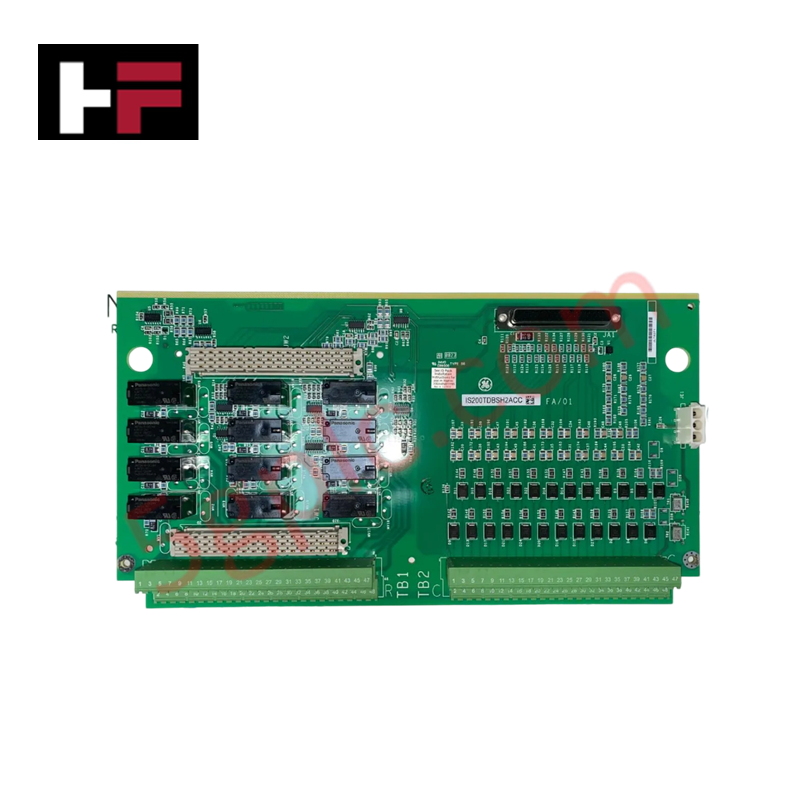
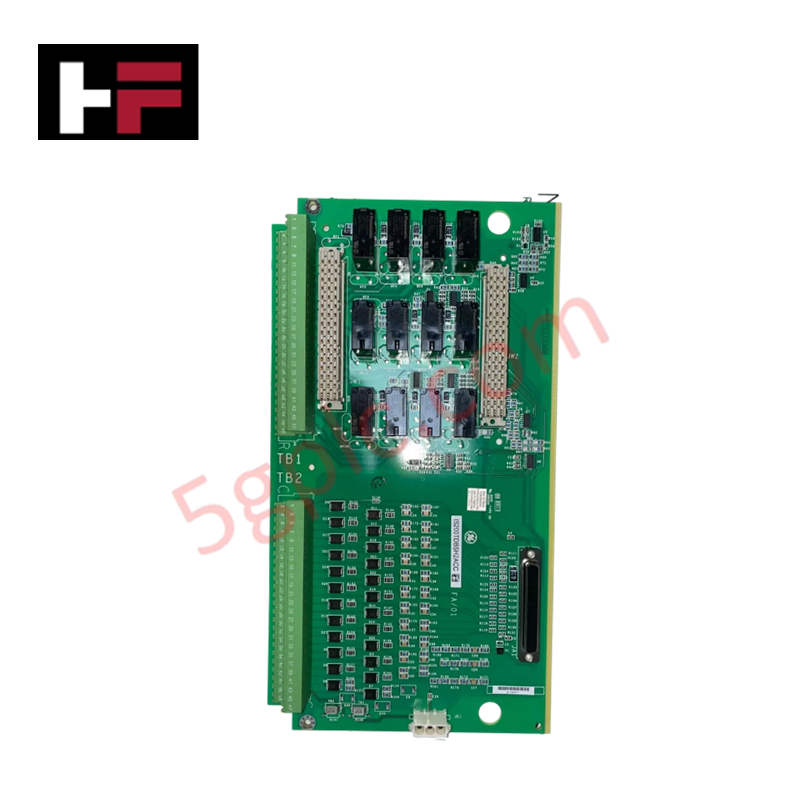
Configurée pour la terminaison de signaux discrets dans les architectures de contrôle Mark VI, la GE IS200TDBTH2A (carte TMR discrète IS200TDBTH2A) assure l'exécution physique et électrique directe du routage des signaux I/O multi-canaux pour les applications de contrôle de turbine.
Spécifications matérielles
| Paramètre | Spécification |
|---|---|
| Modèle | IS200TDBTH2A |
| Marque | General Electric |
| Origine | États-Unis |
| Poids | Assemblage standard de PCB |
| Dimensions | Format standard Mark VI |
| Température de fonctionnement | Plage industrielle certifiée |
| Consommation électrique | Dépendante du bus système |
| Capacité I/O | Terminaison discrète multi-canaux |
| Connecteurs | 3 ports femelles haute densité |
Réseaux déterministes Profinet / EtherNet/IP
L’IS200TDBTH2A sert de nœud d’interface au sein de l’écosystème Mark VI, facilitant le conditionnement standardisé des signaux entre les instruments montés sur le terrain et les packs I/O du système. L’architecture de la carte prend en charge la vitesse de communication déterministe du bus backplane, garantissant que l’acquisition des états discrets reste synchronisée avec les cycles de balayage du contrôleur. La compatibilité de la mémoire flash du firmware est gérée via la configuration du pack I/O hôte, qui définit la cartographie logique des capteurs et actionneurs connectés. Le module supporte la montée en densité I/O grâce à sa disposition intégrée de blocs de connexion, permettant une transmission de signal à haute intégrité tout en minimisant la dégradation du signal sur le câblage terrain. La construction du PCB utilise un condensateur sphérique et des ports connecteurs haute densité pour maintenir une impédance électrique stable lors des opérations de commutation à haute vitesse.
Questions fréquemment posées
Q : L’IS200TDBTH2A supporte-t-il le remplacement à chaud sous charge ?
R : Non. Le remplacement de la carte terminale nécessite la mise hors tension de la boucle I/O associée afin d’éviter que des courants transitoires n’endommagent les circuits d’entrée/sortie ou les dispositifs terrain connectés.
Q : Les trois ports connecteurs sont-ils interchangeables ?
R : Non. Chacun des trois ports connecteurs haute densité est codé pour une interface spécifique avec le pack I/O. Veillez à ce que les câbles soient correctement étiquetés et appariés à leurs ports désignés pour éviter les erreurs de câblage et les défauts logiques potentiels.
Consignes d’installation sur site
- Montage : Fixez la carte dans l’armoire de contrôle en utilisant les trous de montage fournis. Maintenez un dégagement suffisant par rapport aux lignes AC haute tension pour éviter les interférences induites sur les chemins de signaux discrets.
- Câblage : Terminez le câblage terrain en utilisant les blocs de connexion de type cube désignés. Maintenez une polarité cohérente pour toutes les boucles discrètes et assurez-vous que les blindages des câbles sont mis à la terre en un point unique à faible impédance pour minimiser le bruit en mode commun.
- Connexions : Assurez-vous que les trois connecteurs femelles haute densité sont bien insérés et sécurisés aux câbles du pack I/O correspondant. Vérifiez qu’aucune broche n’est pliée ou endommagée lors de l’accouplement.
- Environnement : Vérifiez que la température interne de l’armoire reste dans la plage de fonctionnement industrielle spécifiée. Assurez un flux d’air suffisant pour éviter l’accumulation de chaleur autour des composants passifs et actifs de la carte.
- Vérification : Avant la mise sous tension, effectuez un contrôle électrique point à point pour vérifier l’intégrité du câblage et la polarité. Utilisez l’outil de diagnostic Mark VI pour confirmer que toutes les entrées et sorties discrètes sont correctement enregistrées par la logique du contrôleur.
Informations supplémentaires
- Pièces 100 % d'origine : Tous les produits sont originaux et authentiques, garantissant des performances industrielles fiables.
- Garantie de remboursement de 30 jours : Retournez tout article en stock dans les 30 jours dans son emballage d'origine non ouvert pour un remboursement complet (hors frais de port et frais).
- Garantie de 12 mois : Couvre les défauts de matériaux ou de fabrication ; exclut les mauvais usages, l'usure normale ou les modifications non autorisées.
- Expédition mondiale : Nous expédions via USPS, UPS, FedEx et DHL. Les délais de livraison varient selon le pays et peuvent être soumis à des frais de douane ou d'importation.
- Assistance & Contact : Une assistance technique et garantie est disponible à tout moment. Contactez-nous ici : Contact.
- Conseils d'achat : Vérifiez attentivement les spécifications et la compatibilité du produit avant de commander pour assurer une application correcte.
Guide technique et d'achat
Pourquoi les alimentations 24V DC standardisent l'automatisation industrielle moderne
Les armoires de contrôle industrielles dans le monde entier utilisent le 24V DC comme norme universelle d'alimentation pour les instruments de terrain, les capteurs et les contrôleurs. En entrant dans n'importe quelle usine, vous trouverez des automates programmables (PLC), des interfaces homme-machine (IHM) et des actionneurs intelligents fonctionnant en courant continu à très basse tension. La standardisation sur le 24V DC améliore la sécurité opérationnelle, réduit l'encombrement des armoires et maintient une performance de contrôle stable à travers les réseaux d'usine.

Commandes essentielles de contrôle de mouvement : un guide pratique pour les ingénieurs
Les ingénieurs en automatisation s'appuient souvent sur un contrôle précis de la position et de la vitesse pour piloter les machines modernes des usines. Les systèmes industriels modernes, tels que les automates programmables (API) et les systèmes de contrôle distribués (DCS), dépendent fortement des instructions de mouvement standardisées. Maîtriser ces commandes garantit la sécurité opérationnelle, protège les composants mécaniques et optimise les temps de cycle sur les lignes de production.
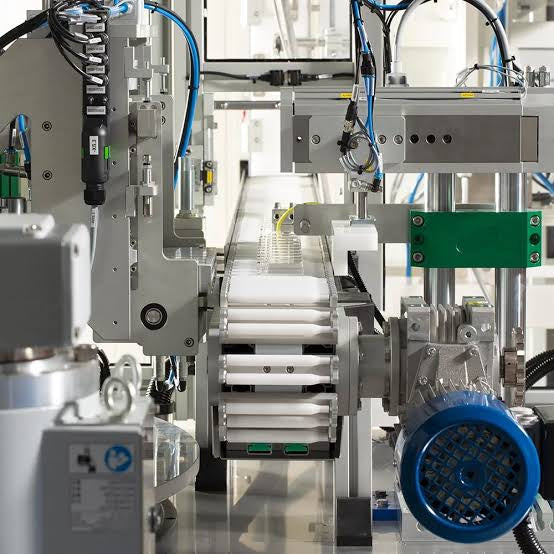
Maîtriser les commandes modernes de joystick industriel dans l'automatisation lourde
Les joysticks industriels jouent un rôle essentiel dans l'interaction homme-machine, notamment dans la manutention de matériaux lourds et les systèmes hydrauliques mobiles. Ces contrôleurs tactiles traduisent les mouvements complexes de l'opérateur en signaux électriques précis pour les automates programmables (PLC), les contrôleurs de mouvement et les réseaux DCS. Par conséquent, choisir et installer la bonne architecture de joystick garantit la sécurité de l'opérateur, réduit la fatigue et optimise les performances de l’équipement.