






Produktdetails
Produktübersicht
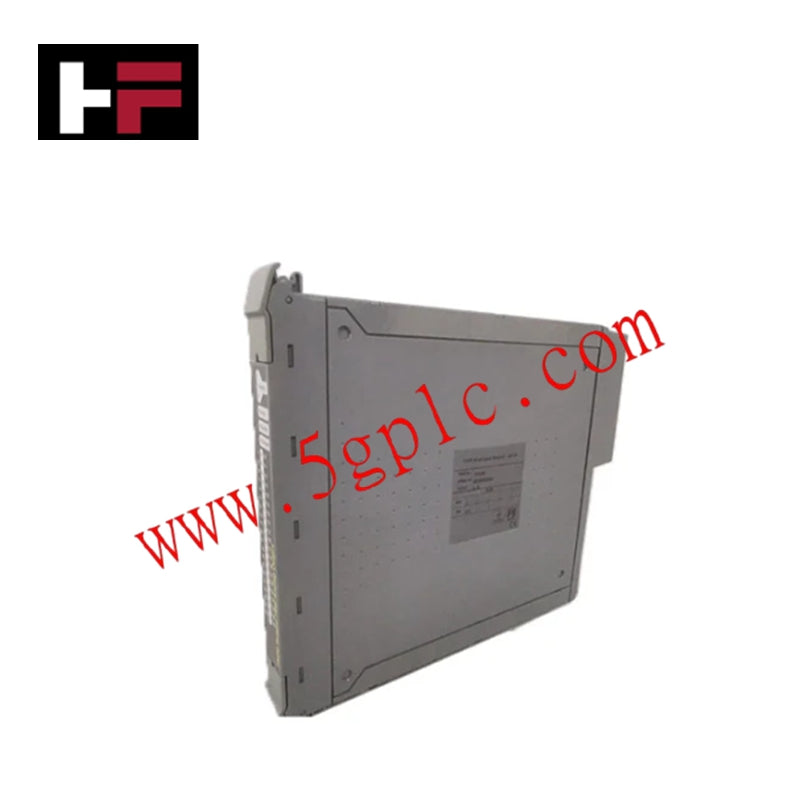
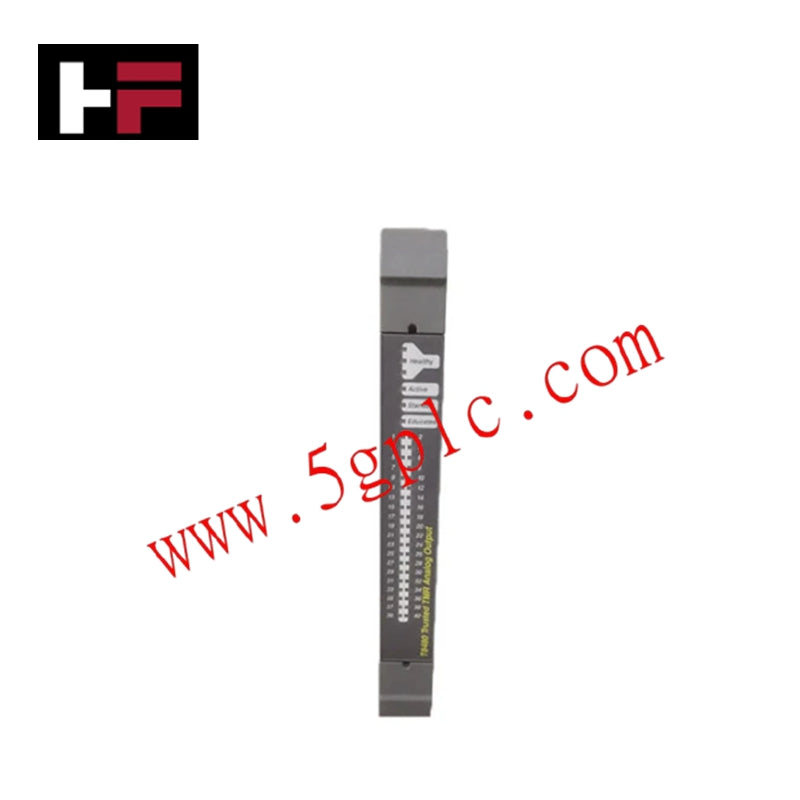
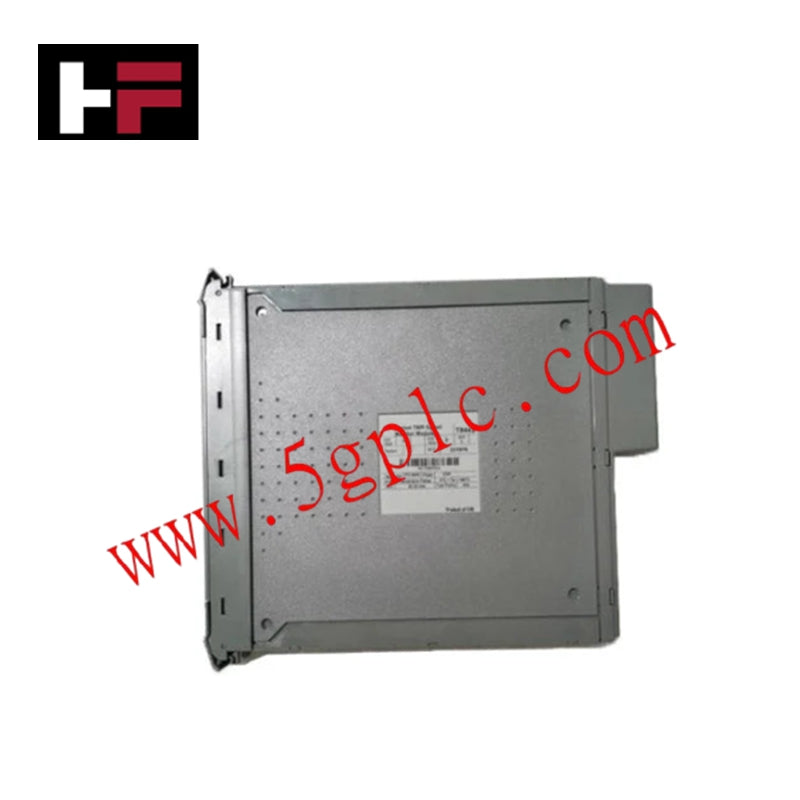
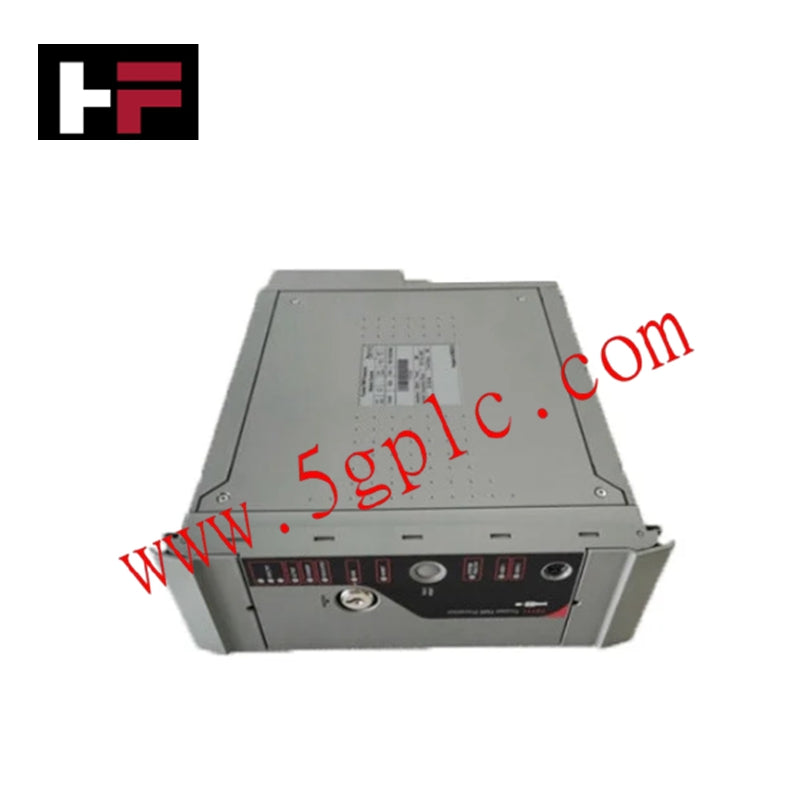
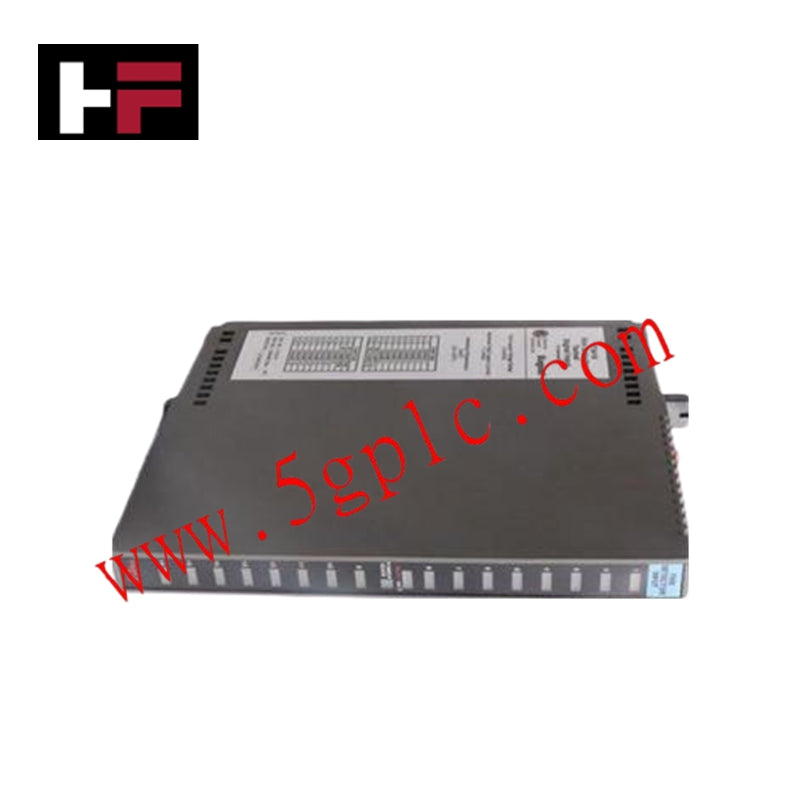
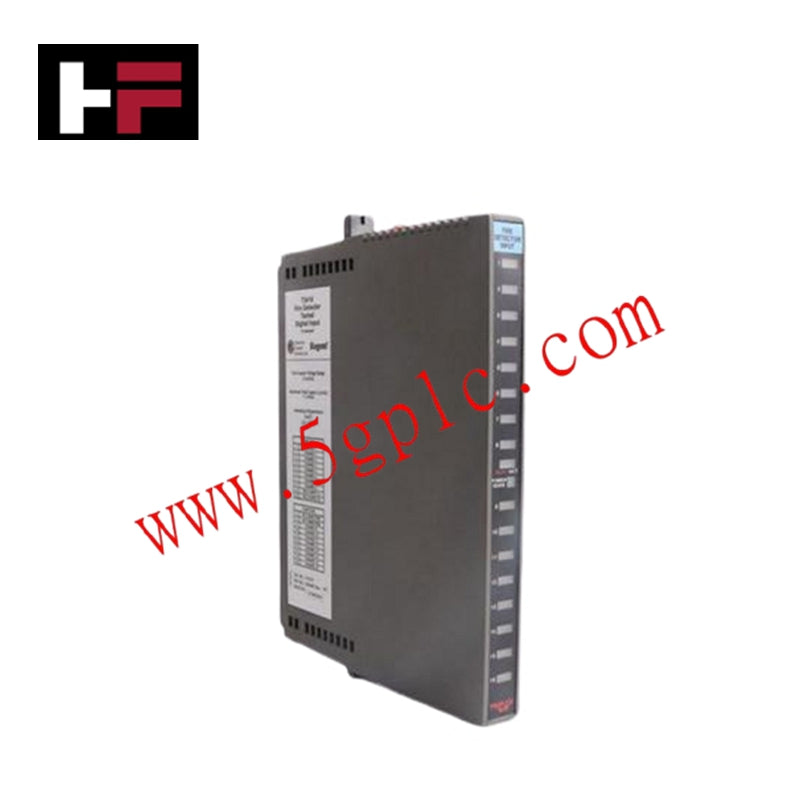
Das Allen Bradley 1734-IR2E fungiert als hochpräzise Analog-Eingangserweiterung für die POINT I/O Plattform. Es ist spezialisiert auf die Umwandlung von Widerstandssignalen von RTD (Widerstandstemperaturfühler)-Sensoren in digitale Daten für die Steuerung. Dieses Modul bietet zwei unabhängige Kanäle für die kritische Temperaturüberwachung in verteilten I/O-Architekturen. Wir liefern diese Einheit als 100% brandneu und original, um eine hochgenaue thermische Rückmeldung für Ihre Prozessregelkreise zu gewährleisten.
Technische Spezifikationen
Der 1734-IR2E verwendet hochauflösende Konversionstechnologie, um die Signalqualität zu erhalten:
| Merkmal | Spezifikation |
| Hersteller | Allen Bradley |
| Produktlinie | POINT I/O (1734) |
| Modultyp | Analoger RTD-Eingang |
| Anzahl der Eingänge | 2 hochauflösende Kanäle |
| Auflösung | 16 Bit |
| Datenformat | Vorzeichenbehafteter Ganzzahlwert |
| Isolationsspannung | 50 V Dauerbetrieb |
| Leistungsaufnahme | 1,0 Watt |
| Wärmeabgabe | 3,3 BTU/h |
| Schlüsselschalter-Position | 6 |
| Betriebstemperatur | -20°C bis 55°C (-4°F bis 131°F) |
Technische Vorteile
Der 1734-IR2E löst spezifische Herausforderungen bei der thermischen Messung in dicht bestückten Steuerungsschränken:
-
Überlegene Signalpräzision: Die 16-Bit-Auflösung erkennt kleinste Widerstandsänderungen, sodass die SPS Temperaturschwankungen mit Laborqualität überwachen kann. Diese Präzision verhindert Überschwinger in empfindlichen Heiz- oder Kühlanwendungen.
-
Effektive Störunterdrückung: Digitale Filterung und 50 V Dauerisolierung schützen die Niederspannungs-RTD-Signale vor elektromagnetischen Störungen (EMI), die von nahegelegenen Frequenzumrichtern (VFDs) und Motorstartern erzeugt werden.
-
Vereinfachte mechanische Konfiguration: Die Hardware verwendet einen physischen Schlüsselschalter an Position 6. Diese mechanische Verriegelung verhindert das Einsetzen falscher Modultypen in die Anschlussbasis und schützt das System vor versehentlichen Spannungsschäden während der Wartung.
-
Thermische Effizienz: Das Modul gibt nur 1,0 Watt Leistung ab. Diese geringe Wärmeentwicklung verhindert Hitzeansammlungen in kompakten verteilten I/O-Gehäusen und verlängert die Lebensdauer benachbarter elektronischer Bauteile.
FAQs
-
Welche RTD-Sensortypen unterstützt der 1734-IR2E?
Dieses Modul unterstützt Standard-100-Ohm-Platin-(Pt)-RTDs und verschiedene andere widerstandsbasierte Sensoren. Sie müssen den spezifischen Sensortyp (z. B. Pt 385 oder Pt 3916) in der Studio 5000- oder RSLogix 5000-Softwareumgebung konfigurieren, um eine korrekte Skalierung sicherzustellen.
-
Benötigt dieses Modul eine spezielle Anschlussbasis?
Der 1734-IR2E wird in 1734-TB, 1734-TBS oder 1734-TOP Anschlussbasen installiert. Stellen Sie sicher, dass die Basis ordnungsgemäß auf der DIN-Schiene geerdet ist, um die Störunterdrückung des 16-Bit-Wandlers zu maximieren.
-
Wie funktioniert das Datenformat „Vorzeichenbehafteter Ganzzahlwert“ für die Temperatur?
Das Modul wandelt den analogen Widerstand in einen vorzeichenbehafteten Ganzzahlwert um. Die SPS skaliert diesen Wert dann basierend auf den Konfigurationsprofilen in technische Einheiten (Celsius oder Fahrenheit) um und liefert so direkte Temperaturanzeigen an die HMI.
-
Was passiert, wenn während des Betriebs ein RTD-Draht reißt?
Der 1734-IR2E verfügt über eine integrierte Erkennung von Unterbrechungen. Wenn ein Draht reißt oder ein Sensor ausfällt, meldet das Modul einen Diagnosefehler an die SPS, sodass das System sofort einen sicheren Abschaltzustand oder Alarm auslösen kann.
Zusätzliche Informationen
- 100% Originalteile: Alle Produkte sind original und authentisch, was eine zuverlässige industrielle Leistung gewährleistet.
- 30-Tage Rückgabegarantie: Rückgabe aller vorrätigen Artikel innerhalb von 30 Tagen in der originalen, ungeöffneten Verpackung für eine volle Rückerstattung (ohne Versandkosten und Gebühren).
- 12 Monate Garantie: Deckt Material- oder Verarbeitungsfehler ab; schließt Missbrauch, normalen Verschleiß oder unautorisierte Änderungen aus.
- Weltweiter Versand: Wir versenden über USPS, UPS, FedEx und DHL. Die Lieferzeiten variieren je nach Land und können Zoll- oder Einfuhrgebühren unterliegen.
- Support & Kontakt: Technische und Garantieunterstützung ist jederzeit verfügbar. Kontaktieren Sie uns hier: Kontakt.
- Kaufberatung: Überprüfen Sie vor der Bestellung sorgfältig die Produktspezifikationen und Kompatibilität, um eine korrekte Anwendung sicherzustellen.
Technik- & Kaufberatung
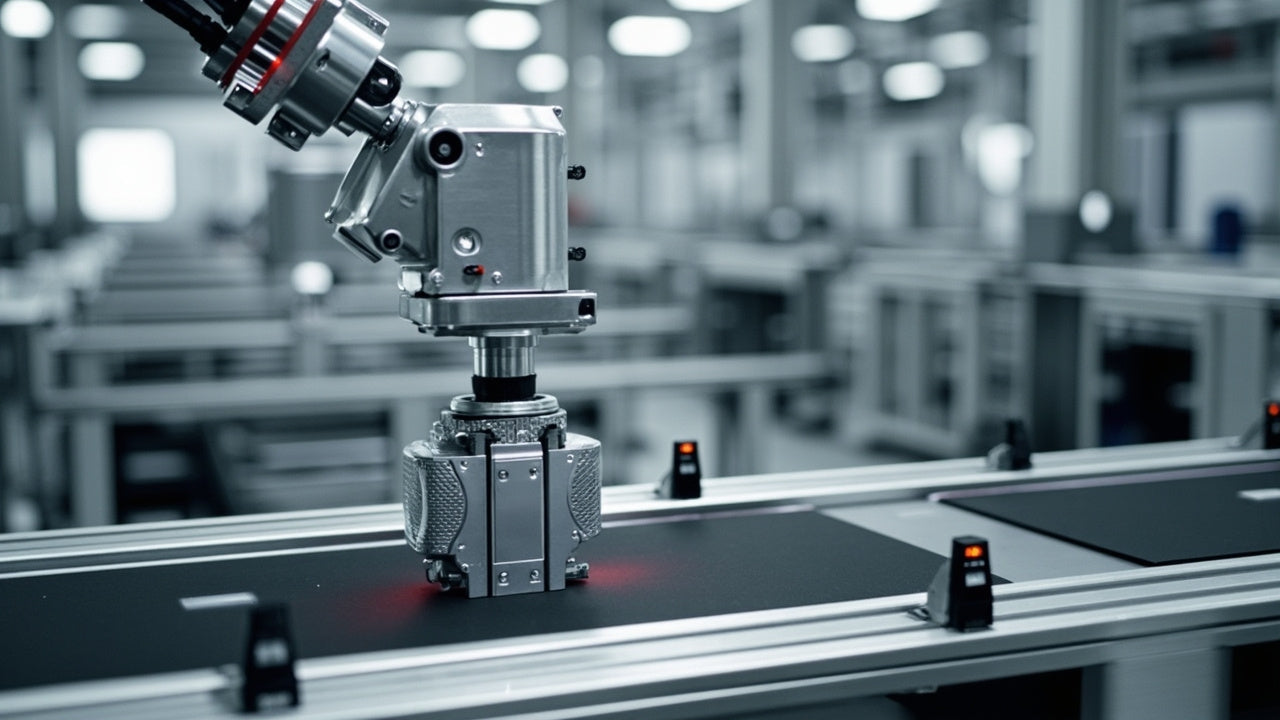
Wesentliche Bewegungssteuerungsbefehle: Ein praktischer Leitfaden für Ingenieure
Automatisierungsingenieure verlassen sich häufig auf präzise Positions- und Geschwindigkeitssteuerung, um moderne Fabrikmaschinen anzutreiben. Moderne Industriesysteme wie speicherprogrammierbare Steuerungen (SPS) und verteilte Steuerungssysteme (DCS) sind stark auf standardisierte Bewegungsbefehle angewiesen. Die Beherrschung dieser Befehle gewährleistet Betriebssicherheit, schützt mechanische Komponenten und optimiert die Zykluszeiten in den Produktionslinien.

Die Rolle von eigensicheren Barrieren in PLC- und DCS-Architekturen
Die Umsetzung eines robusten Schutzes in gefährlichen Industrieumgebungen stellt eine grundlegende Sicherheitsanforderung in der Fabrikautomation dar. Prozessanlagen verarbeiten häufig flüchtige Gase, Stäube und chemische Stoffe, die erhebliche Brand- und Explosionsgefahren bergen. Daher müssen Steuerungssystemingenieure energiebegrenzende Schnittstellen einsetzen, um Steuerungsschränke im sicheren Bereich von Feldgeräten in Gefahrenbereichen zu isolieren. Dieser Artikel untersucht die Funktion, Auswahl und elektrischen Prinzipien von eigensicheren Barrieren in modernen PLC- und DCS-Netzwerken.

Architektonische Auswahl und Skalierungsklassifikation von SPS-Systemen in der Industrieautomation
Die Auswahl der richtigen Steuerungsplattform stellt eine grundlegende ingenieurtechnische Entscheidung in der Fabrikautomation dar. Systemdesigner müssen technische Parameter sorgfältig gegen langfristige Betriebsanforderungen abwägen, wenn sie eine speicherprogrammierbare Steuerung (SPS) implementieren. Dieser Artikel untersucht die entscheidenden Bewertungskennzahlen, physikalischen Skalierungsklassen und Betriebsarchitekturen moderner Steuerungssysteme.