












Product Details
Product Overview
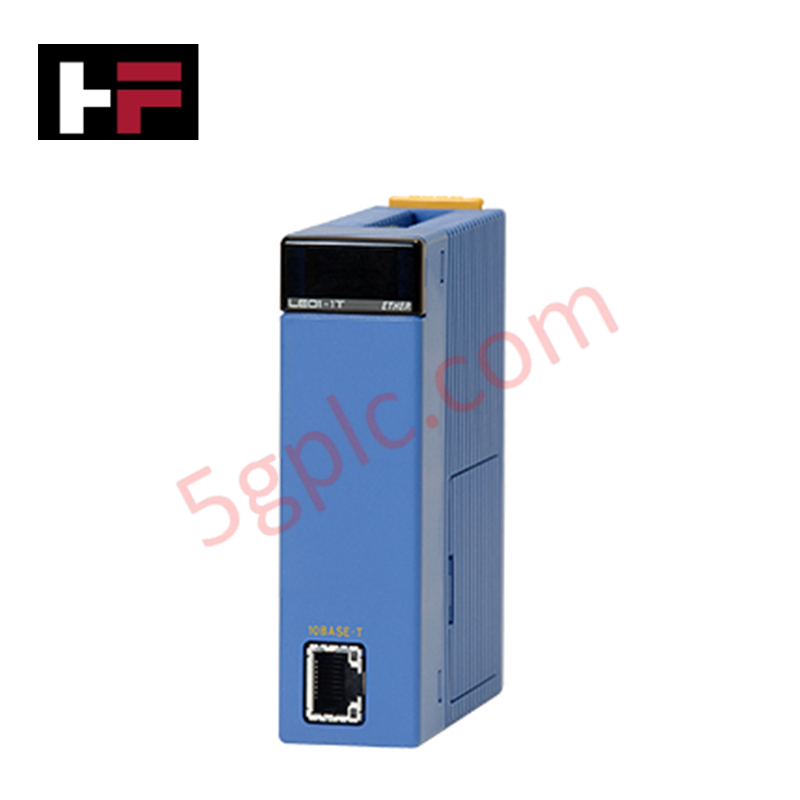
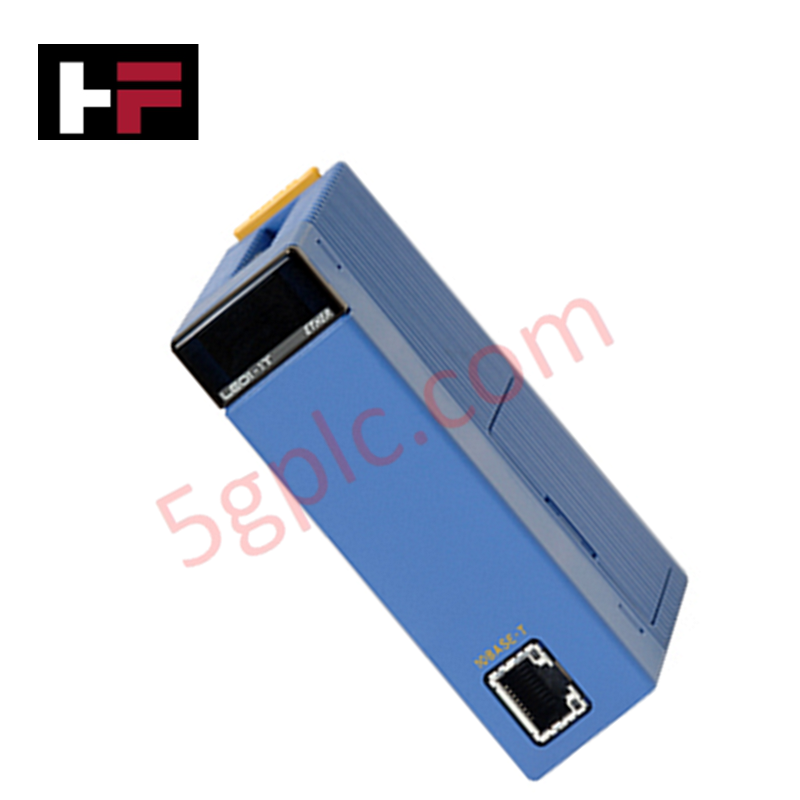
The Yokogawa F3LC11-1F functions as a high-speed communication gateway between FA-M3 series PLCs and external personal computers or workstations. This Personal Computer Link Module enables seamless data exchange, system monitoring, and parameter adjustment via the EIA RS-232-C standard. We supply this unit as 100% Brand New and Original, ensuring your control system maintains a stable, high-fidelity serial link without the timing inconsistencies of used or refurbished hardware.
Technical Specifications
| Feature | Details |
| Interface Standard | EIA RS-232-C |
| Transmission Speed | 300 bps to 115.2 kbps |
| Transmission Mode | Half-duplex |
| Synchronization | Start-stop synchronization |
| Distance | 15 meters maximum |
| Connector Type | D-sub 9-pin (female), M2.6 screw |
| Error Detection | Parity check, checksum |
| Current Consumption | 320 mA |
| Weight | 0.11 kg |
Engineering Advantages
-
High-Speed Data Throughput: The F3LC11-1F supports transmission speeds up to 115.2 kbps. This capability allows for rapid data logging and real-time visualization on the host PC, minimizing the latency between field signal changes and operator screen updates.
-
Simplified Command Logic: The module manages the RS-232-C control lines (RS/ER) in an "always on" state. This simplifies the handshake configuration, allowing engineers to establish a stable connection with external devices using minimal cabling complexity.
-
Compact Integration: At only 2.89 cm wide, this module maximizes rack density within the FA-M3 chassis. The lightweight 0.11 kg design reduces mechanical stress on the backplane, making it ideal for mobile control skids or high-density enclosures.
-
Reliable Data Integrity: Integrated parity checks and checksum calculations verify every data packet. This internal error detection ensures that electromagnetic noise does not corrupt critical control parameters during transmission between the PLC and the PC.
FAQs
-
Can the F3LC11-1F operate in full-duplex mode? No. This module utilizes a half-duplex transmission mode. Ensure your host PC communication software supports half-duplex timing to prevent data collisions on the RS-232-C line.
-
What is the maximum cable length for a stable connection? The EIA RS-232-C standard limits the transmission distance to 15 meters. For applications exceeding this range, you must use a signal repeater or convert the link to a different protocol such as RS-422 or Ethernet.
-
Does this module provide electrical isolation? The F3LC11-1F is a non-isolated module. To protect the PLC from ground potential differences or surges in harsh environments, we recommend using an external opto-isolator on the RS-232-C line.
-
Is the D-sub 9-pin connector compatible with standard PC serial cables? The module features a female D-sub 9-pin connector with M2.6 screw threads. Verify that your cable uses the corresponding M2.6 screws rather than the standard UNC 4-40 screws typically found on office PC hardware to ensure a secure mechanical lock.
Additional Information
- 100% Genuine Parts: All products are original and authentic, ensuring reliable industrial performance.
- 30-Day Refund Guarantee: Return any in-stock item within 30 days in original, unopened packaging for a full refund (excluding shipping and fees).
- 12-Month Warranty: Covers defects in materials or workmanship; excludes misuse, normal wear, or unauthorized modifications.
- Worldwide Shipping: We ship via USPS, UPS, FedEx, and DHL. Delivery times vary by country and may be subject to customs or import fees.
- Support & Contact: Technical and warranty assistance is available anytime. Contact us here: Contact.
- Purchase Guidance: Check product specifications and compatibility carefully before ordering to ensure proper application.
Tech & Buying Guide

Why 24V DC Power Supplies Standardize Modern Industrial Automation
Industrial control cabinets worldwide rely on 24V DC as the universal power standard for field instrumentation, sensors, and controllers. Walk into any manufacturing plant, and you will find PLCs, human-machine interfaces (HMIs), and smart actuators running on extra-low voltage DC. Standardizing on 24V DC enhances operational safety, lowers cabinet footprint, and maintains steady control performance across factory networks.

Essential Motion Control Commands: A Practical Guide for Engineers
Automation engineers often rely on precise position and speed control to drive modern factory machinery. Modern industrial systems, such as Programmable Logic Controllers (PLCs) and Distributed Control Systems (DCS), depend heavily on standardized motion instructions. Mastering these commands ensures operational safety, protects mechanical components, and optimizes cycle times across production lines.
Mastering Modern Industrial Joystick Controls in Heavy Automation
Industrial joysticks play a pivotal role in human-machine interaction across heavy material handling and mobile hydraulics. These tactile controllers translate complex operator movements into precise electrical signals for PLCs, motion controllers, and DCS networks. Consequently, selecting and installing the right joystick architecture ensures operator safety, reduces fatigue, and optimizes equipment performance.