













Product Details
Product Overview
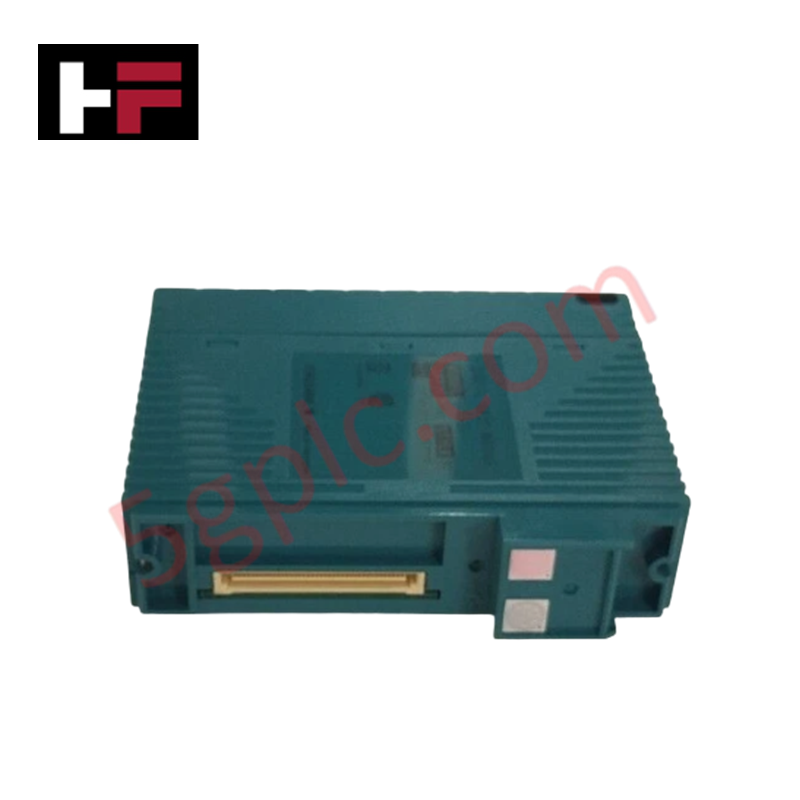
The Yokogawa NFDV551-P10 functions as a high-density digital output interface for the STARDOM autonomous control system, including FCN-500 and FCN-RTU controllers. This module manages 32 isolated sink-type channels, driving field devices such as solenoids, relays, and indicators with precision. Designed for harsh industrial environments, the P10 variant features ISA G3 compliance for corrosion resistance and an integrated status display for real-time monitoring. We supply this unit as 100% Brand New and original, ensuring factory-certified reliability for your critical process control sequences.
Part Number Breakdown
The NFDV551 series utilizes specific suffix codes to define hardware robustness and interface features:
| Code Segment | Technical Significance |
| NFDV551 | Base Model: 32-Channel Digital Output Module (Sink Type) |
| -P | Standard Interface for MIL-connector or pressure clamp terminals |
| 1 | Denotes integrated status display functionality |
| 0 | ISA G3 Compliant for corrosive gas environments |
Technical Specifications
The NFDV551-P10 provides rapid switching capabilities and robust electrical separation.
-
Output Channels: 32 (Sink type)
-
Rated Output Voltage: 24 V DC
-
Operating Voltage Range: 20.4 to 26.4 V DC
-
Maximum Load Current: 100 mA per channel
-
Response Time: < 3 ms
-
Isolation Voltage: 2 kV AC (Signal to System); 500 V AC (Between 16-channel groups)
-
Fallback Modes: HOLD, OFF, or NO (User-configurable)
-
Current Consumption: 700 mA @ 5 V DC (System); 60 mA @ 24 V DC (Field)
-
Operating Temperature: 0°C to +55°C
-
Environmental Standard: ISA G3 compliant (Corrosion resistance)
-
Weight: 0.3 kg
Engineering Advantages
The NFDV551-P10 addresses specific industrial challenges through advanced hardware engineering:
-
Corrosion Protection in Harsh Atmospheres: The ISA G3 compliance ensures the module survives in environments with elevated levels of hydrogen sulfide, chlorine, or other corrosive gases. This protects the internal circuitry from premature failure in refineries and chemical plants.
-
High-Speed Switching Performance: A response time of less than 3 ms enables high-speed logic execution. This allows the controller to manage fast-acting solenoids and pulse-type equipment without introducing significant process lag.
-
Configurable Safety Fallback: The module features programmable fallback states (HOLD/OFF/NO). In the event of a communication loss between the CPU and the I/O rack, the module automatically forces outputs to a pre-defined safe state, preventing hazardous process conditions.
-
Segmented Electrical Isolation: By providing 500 V AC isolation between each 16-channel group, the module prevents a localized ground fault from affecting the entire 32-channel block. This architecture simplifies troubleshooting and improves overall system uptime.
FAQs
What is the difference between a "Sink Type" and "Source Type" output?
The NFDV551-P10 is a sink-type module, meaning the module provides the ground path (negative) for the load. You must connect the positive side of your field device to the external 24 V DC power supply.
Can I mix different voltages across the 32 channels?
The module operates on a 24 V DC rated system. While you have isolation between 16-channel groups, we recommend maintaining a consistent voltage across the entire module to ensure compliance with the rated operating range of 20.4 to 26.4 V DC.
Does the -P10 suffix affect the installation method?
No. The -P10 refers to the standard type with a status display and G3 coating. It supports both MIL-connector cables for rapid cabinet wiring and pressure clamp terminals for traditional field-side termination.
How does the HOLD fallback mode function?
If the controller loses communication with the NFDV551-P10, the "HOLD" setting maintains the last commanded state of each output. This is useful for processes where a sudden "OFF" state would cause mechanical stress or safety risks.
Additional Information
- 100% Genuine Parts: All products are original and authentic, ensuring reliable industrial performance.
- 30-Day Refund Guarantee: Return any in-stock item within 30 days in original, unopened packaging for a full refund (excluding shipping and fees).
- 12-Month Warranty: Covers defects in materials or workmanship; excludes misuse, normal wear, or unauthorized modifications.
- Worldwide Shipping: We ship via USPS, UPS, FedEx, and DHL. Delivery times vary by country and may be subject to customs or import fees.
- Support & Contact: Technical and warranty assistance is available anytime. Contact us here: Contact.
- Purchase Guidance: Check product specifications and compatibility carefully before ordering to ensure proper application.
Tech & Buying Guide

Why 24V DC Power Supplies Standardize Modern Industrial Automation
Industrial control cabinets worldwide rely on 24V DC as the universal power standard for field instrumentation, sensors, and controllers. Walk into any manufacturing plant, and you will find PLCs, human-machine interfaces (HMIs), and smart actuators running on extra-low voltage DC. Standardizing on 24V DC enhances operational safety, lowers cabinet footprint, and maintains steady control performance across factory networks.

Essential Motion Control Commands: A Practical Guide for Engineers
Automation engineers often rely on precise position and speed control to drive modern factory machinery. Modern industrial systems, such as Programmable Logic Controllers (PLCs) and Distributed Control Systems (DCS), depend heavily on standardized motion instructions. Mastering these commands ensures operational safety, protects mechanical components, and optimizes cycle times across production lines.
Mastering Modern Industrial Joystick Controls in Heavy Automation
Industrial joysticks play a pivotal role in human-machine interaction across heavy material handling and mobile hydraulics. These tactile controllers translate complex operator movements into precise electrical signals for PLCs, motion controllers, and DCS networks. Consequently, selecting and installing the right joystick architecture ensures operator safety, reduces fatigue, and optimizes equipment performance.