










Product Details
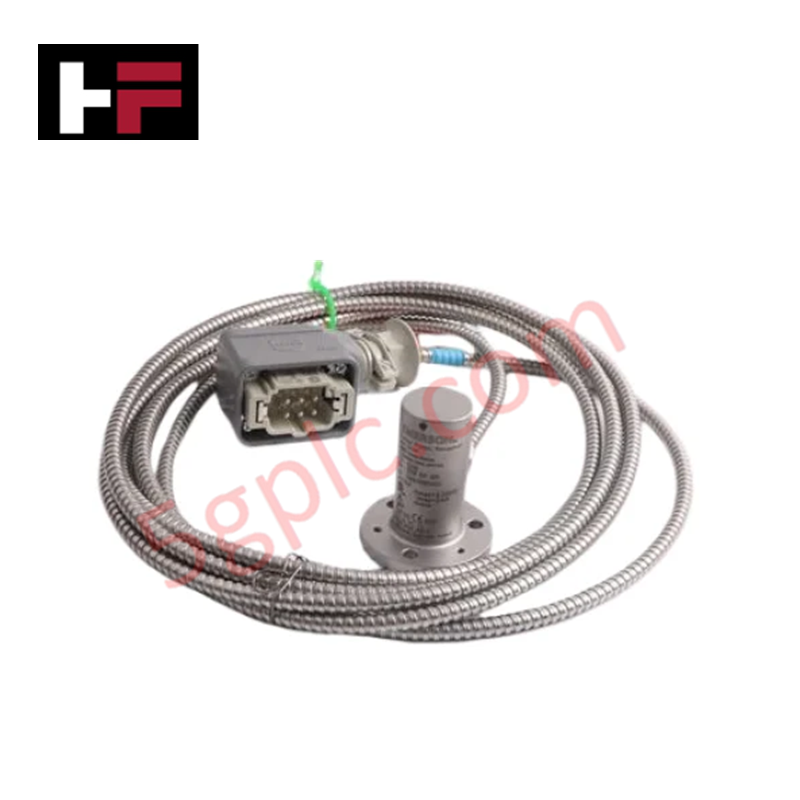
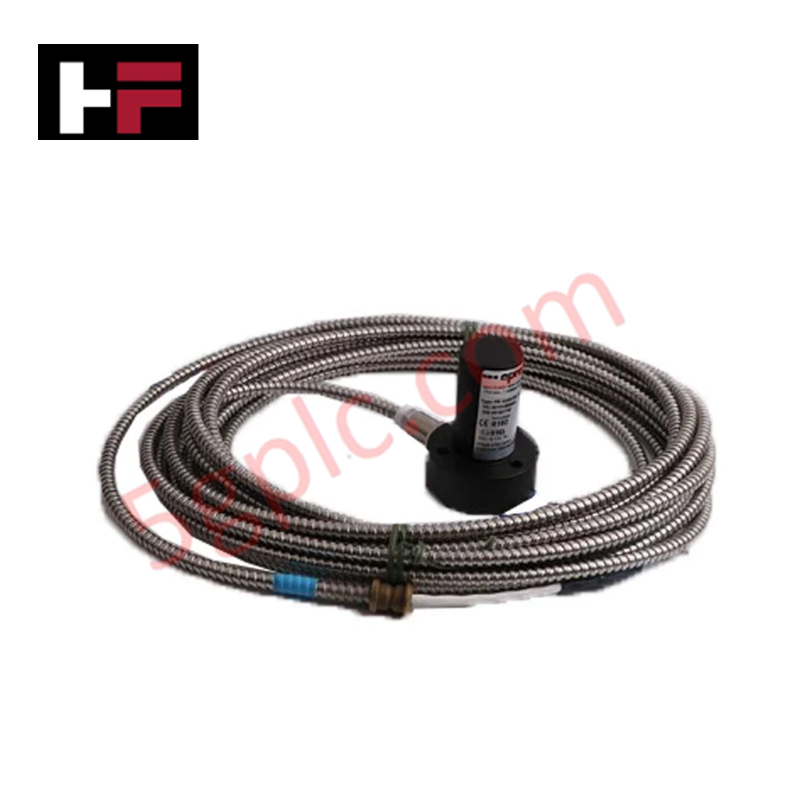
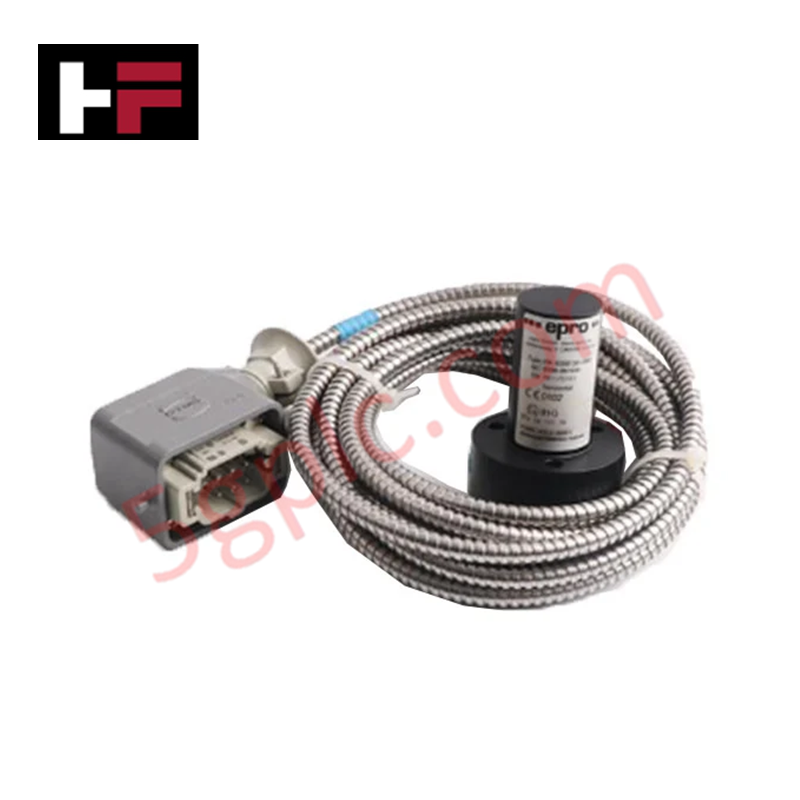
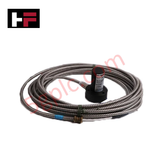
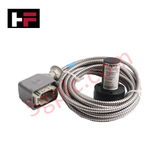
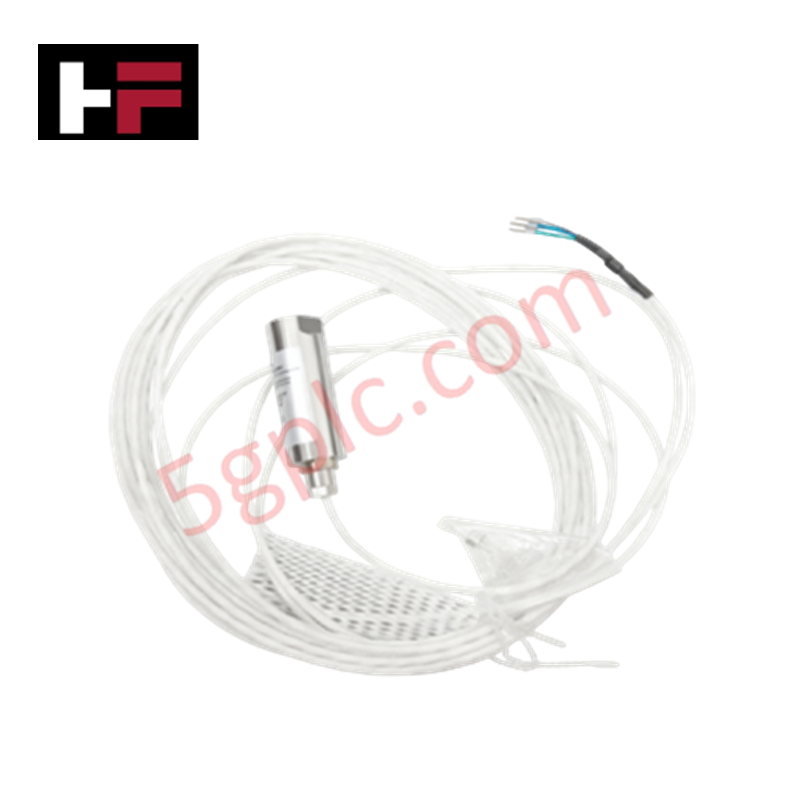
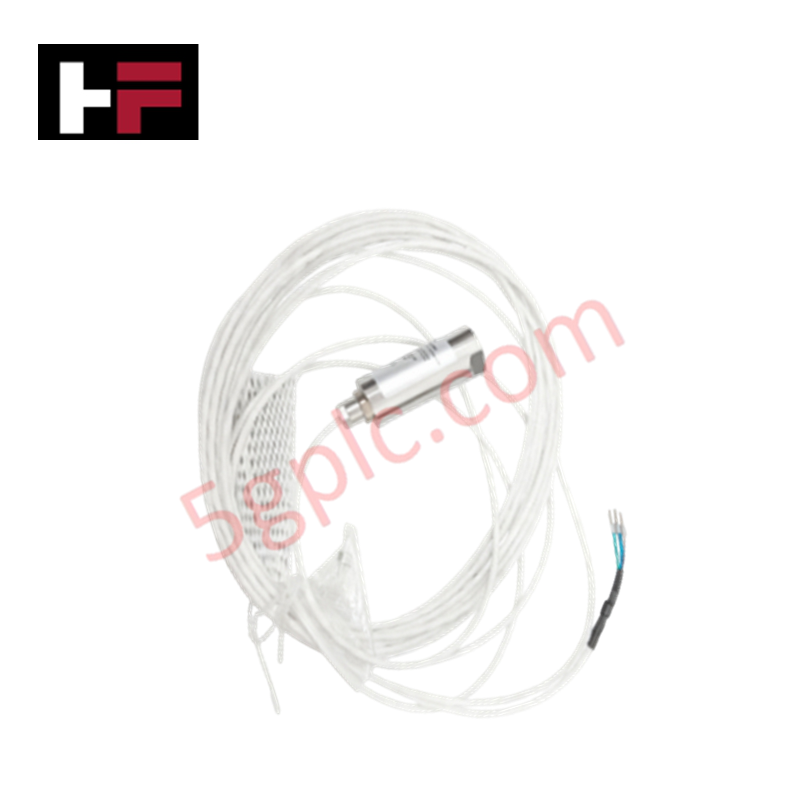
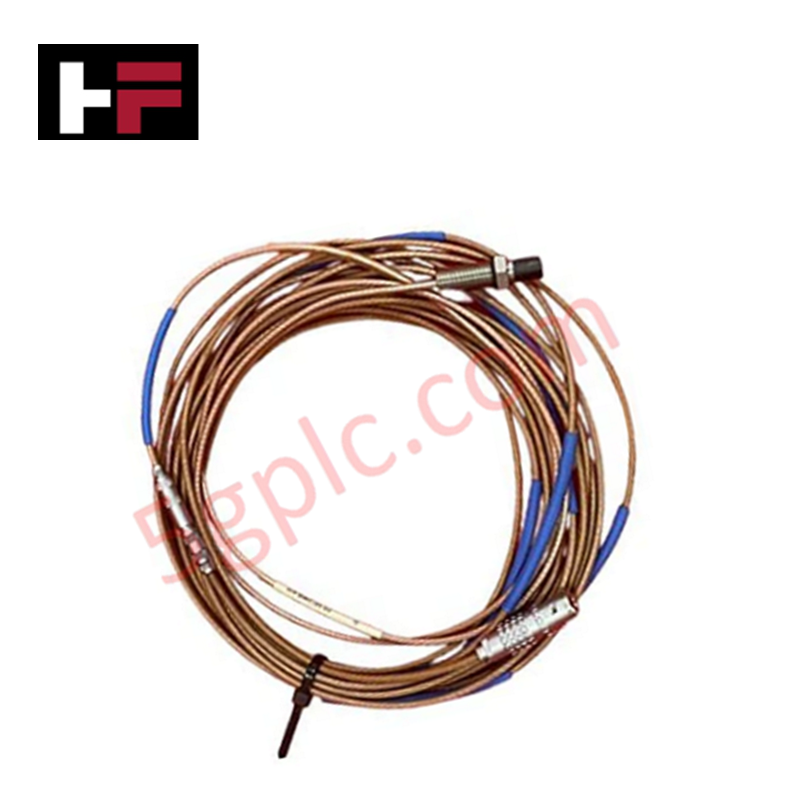
Configured for seismic vibration acquisition in rotating machinery, the Emerson EPRO PR9268/201-100 (PR9268/201-100) Electrodynamic Velocity Sensor provides direct electrical execution of velocity-based vibration monitoring.
Suffix Breakdown & Model Matrix
| Model Suffix | Characteristic/Application |
|---|---|
| PR9268/201-100 | Standard electrodynamic velocity sensor variant |
| PR9268/01x-x00 | Series variant for general industrial monitoring |
| PR9268/20x-x00 | Series variant for vertical orientation monitoring |
| PR9268/30x-x00 | Series variant for horizontal orientation monitoring |
Hardware Specifications
| Parameter | Specification |
|---|---|
| Model | PR9268/201-100 |
| Brand | Emerson EPRO |
| Origin | Not specified |
| Weight | 0.3 kg |
| Dimensions | Not specified |
| Operating Temp | -20 deg C to +100 deg C |
| Power Consumption | Passive (no external power) |
| Sensitivity | 28.5 mV/mm/s |
| Frequency Range | 4 to 1000 Hz |
| Protection Class | IP55 to IP65 |
Process Control and DCS Connectivity
The PR9268/201-100 series sensors facilitate integration with control platforms utilizing 4-20 mA HART loop protocol conditioning modules. To ensure measurement integrity, channel-to-channel isolation must be maintained within the input interface of the monitoring system to prevent ground loops that could introduce signal drift. While these components are passive, they require a compatible signal conditioner to manage the high-impedance voltage output. Cold junction compensation (CJC) is not applicable; however, maintaining impedance matching between the sensor coil and the signal interface is necessary to ensure the frequency response remains within the rated 4-1000 Hz window.
Frequently Asked Questions
Q: Does the explosion-proof rating (EEx ib) allow for installation in any hazardous area?
A: The EEx ib rating restricts use to specific zones as defined by the regional hazardous area classification. Ensure that the associated apparatus (safety barrier) is properly matched to the sensor's electrical parameters before commissioning.
Q: Is the sensor susceptible to vibration along the lateral axis?
A: Yes. The sensor is limited to a maximum lateral acceleration of 2 g. Mounting the sensor in an orientation that exceeds this limit, or allowing significant cross-axis vibration, will cause nonlinear output and mechanical degradation of the internal suspension.
Field Installation Guidelines
- Secure the sensor to a machined, flat surface on the bearing housing or casing to ensure rigid high-frequency coupling and prevent resonance-induced noise.
- Verify the mounting orientation matches the sensor's internal suspension design; deviation from the horizontal or vertical axis will shift the natural frequency from the nominal 4.5 Hz.
- Terminate signal leads using shielded twisted-pair cabling; connect the shield to a single-point instrument ground at the control cabinet to mitigate electromagnetic interference.
- Route signal lines through grounded metallic conduit, keeping them physically separated from high-current motor leads or power feeds to prevent inductive noise injection.
- Perform a physical bump test during initial setup to confirm the polarity of the output signal and ensure the signal path is clear before bringing the rotating machinery to full speed.
Additional Information
- 100% Genuine Parts: All products are original and authentic, ensuring reliable industrial performance.
- 30-Day Refund Guarantee: Return any in-stock item within 30 days in original, unopened packaging for a full refund (excluding shipping and fees).
- 12-Month Warranty: Covers defects in materials or workmanship; excludes misuse, normal wear, or unauthorized modifications.
- Worldwide Shipping: We ship via USPS, UPS, FedEx, and DHL. Delivery times vary by country and may be subject to customs or import fees.
- Support & Contact: Technical and warranty assistance is available anytime. Contact us here: Contact.
- Purchase Guidance: Check product specifications and compatibility carefully before ordering to ensure proper application.

Tech & Buying Guide

Transforming Shop Floor Data into Actionable Insights: A Deep Dive into MES
Manufacturing Execution Systems serve as the digital backbone of modern factory floors. Positioned at Level 3 of the ISA-95 automation pyramid, MES links enterprise resource planning with real-time shop floor control systems. Today, industrial operators rely on MES software to bridge operational strategy with physical production execution.

Managed Switch vs. Unmanaged Switch: Industrial Ethernet Architecture

Hot Standby vs. Cold Standby Redundancy in Industrial Automation
System availability determines process safety and productivity in industrial automation. Control engineers deploy redundancy to eliminate single points of failure. This technical guide evaluates Hot Standby vs. Cold Standby architectures, comparing failover speeds, memory sync, cost trade-offs, and field selection criteria.