










Product Details
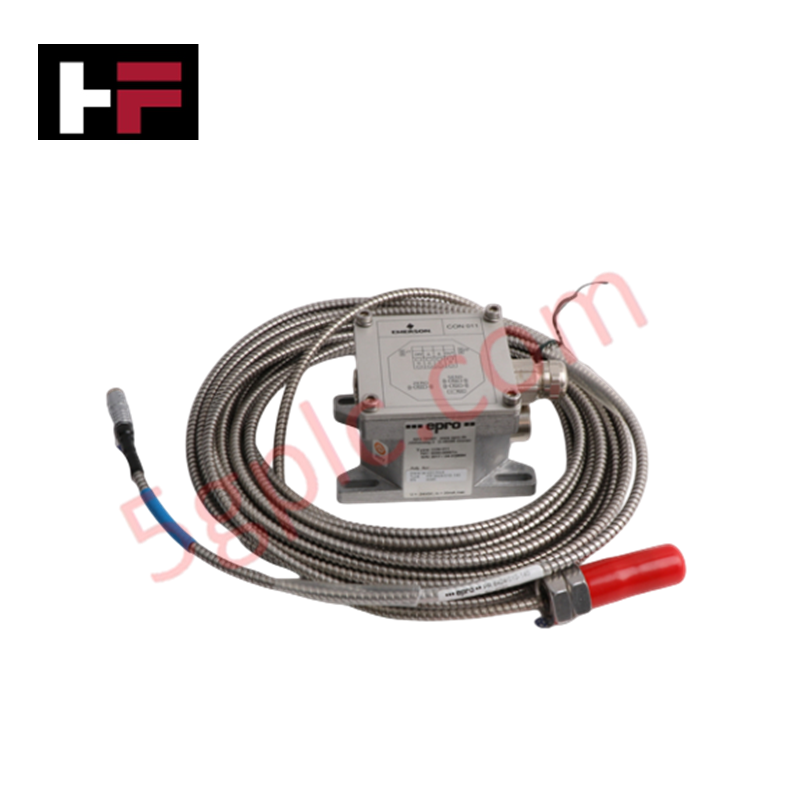
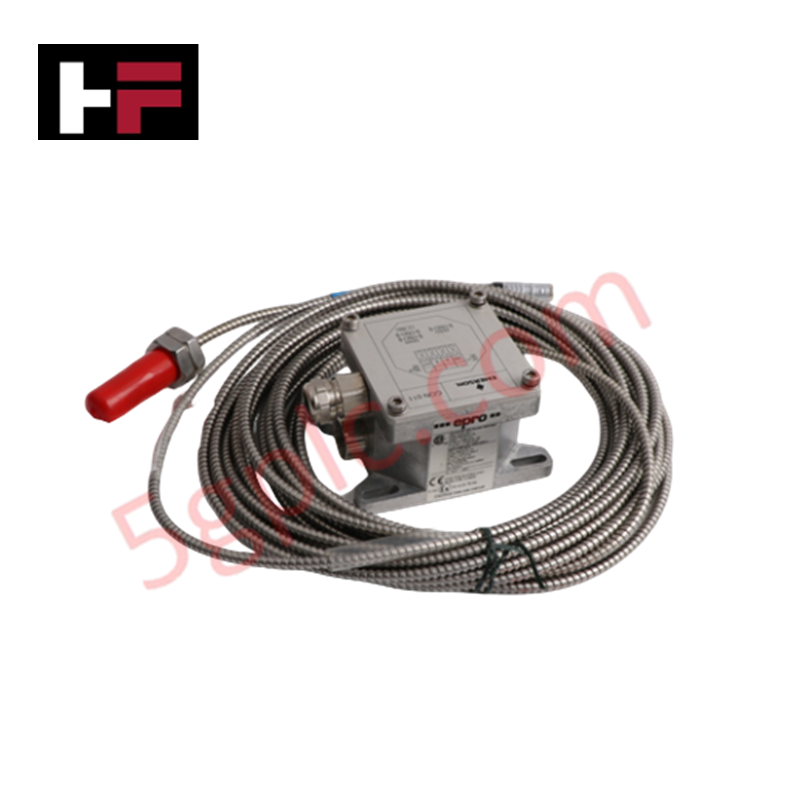
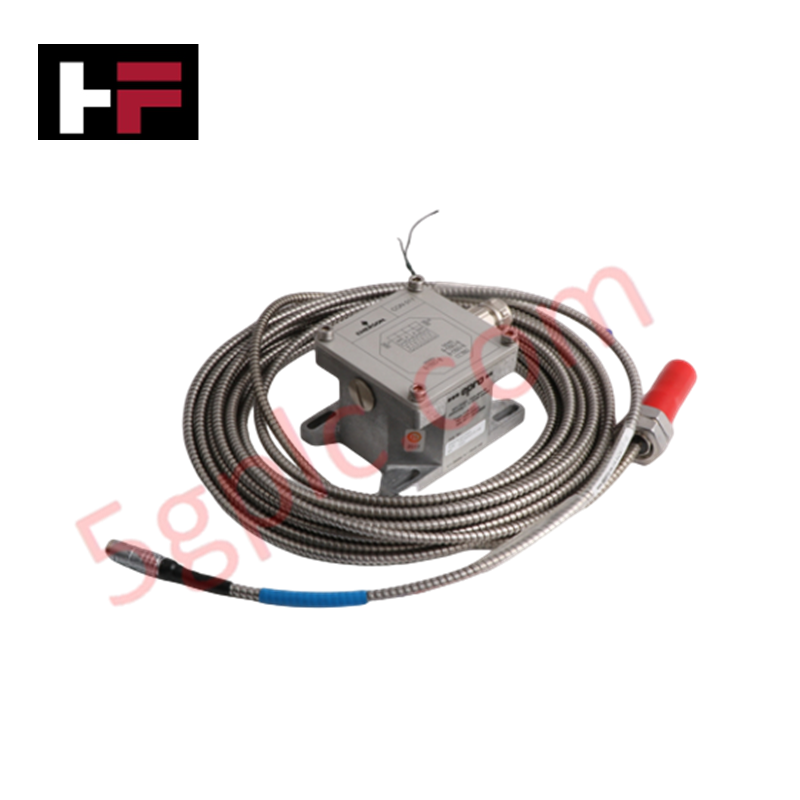
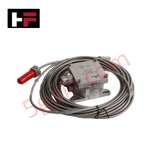
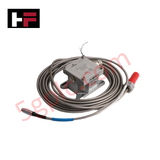
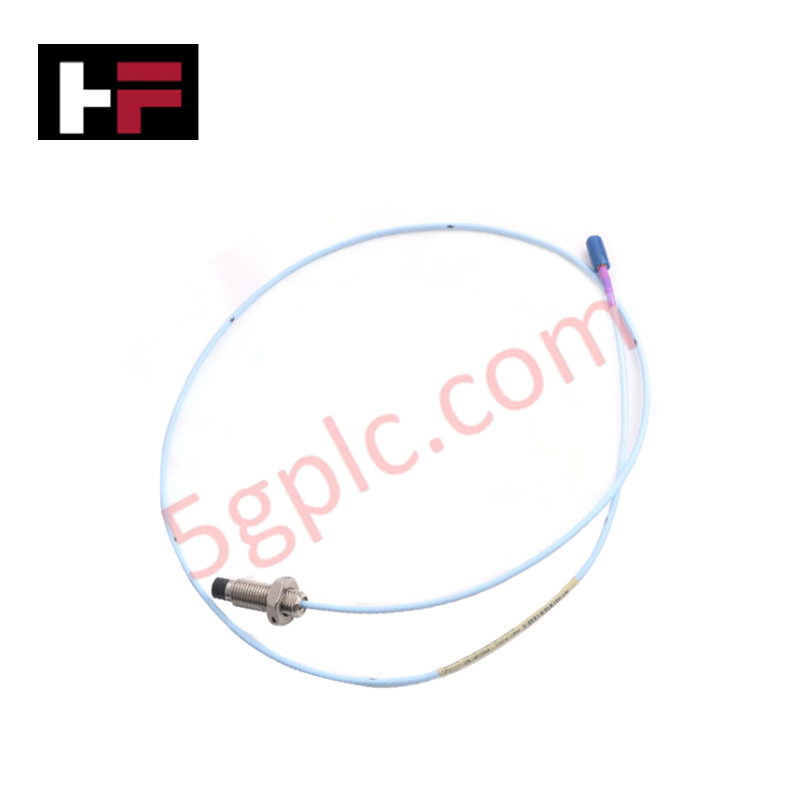
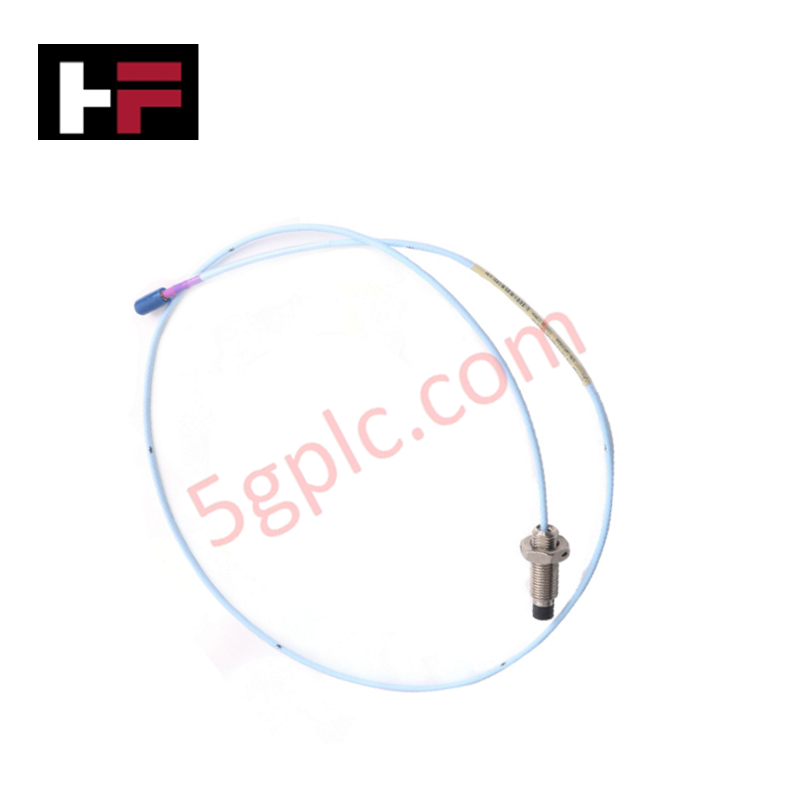
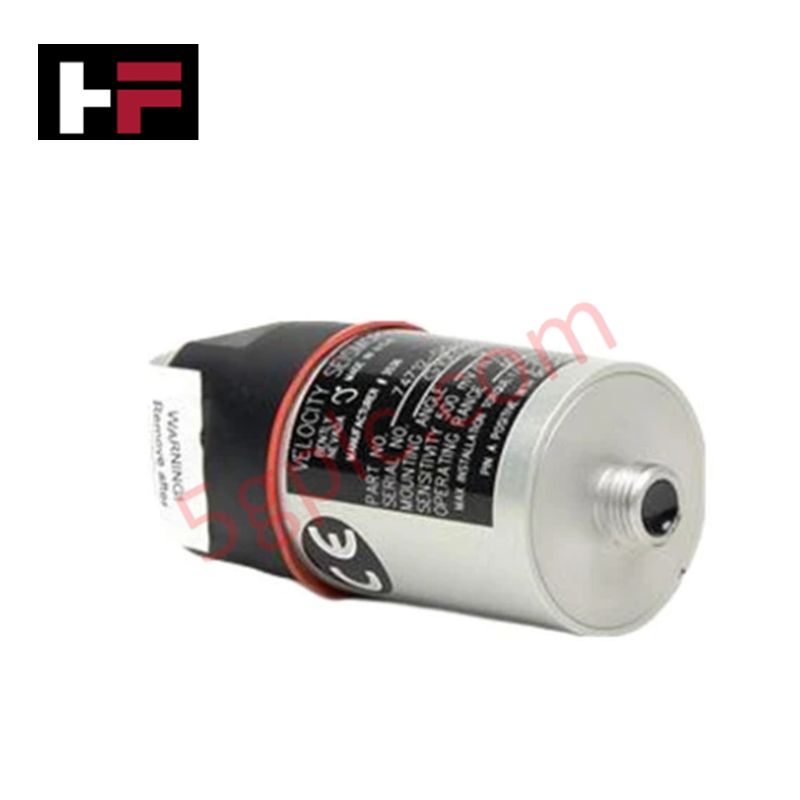
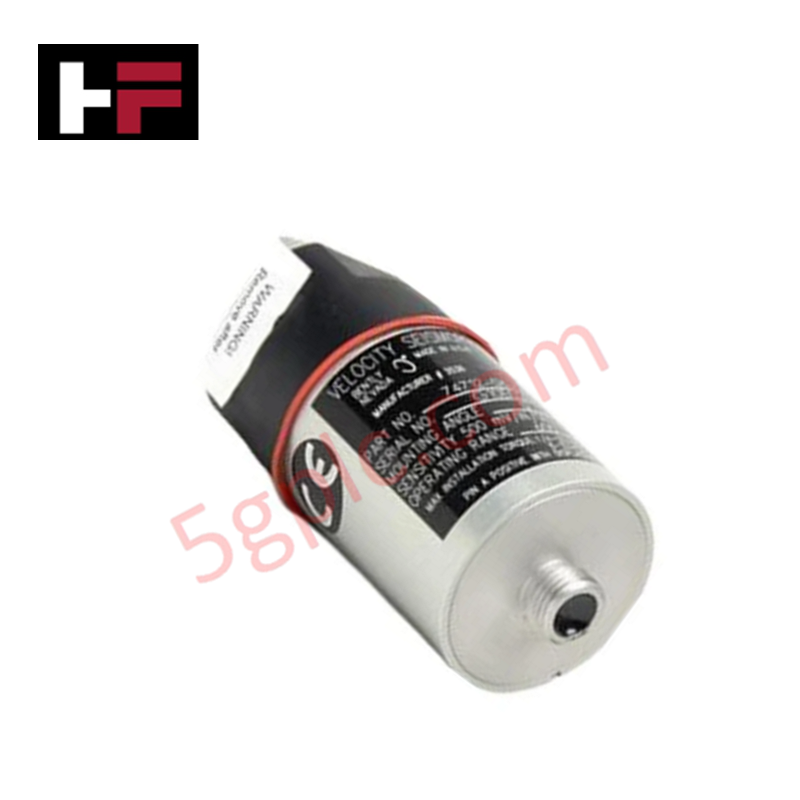
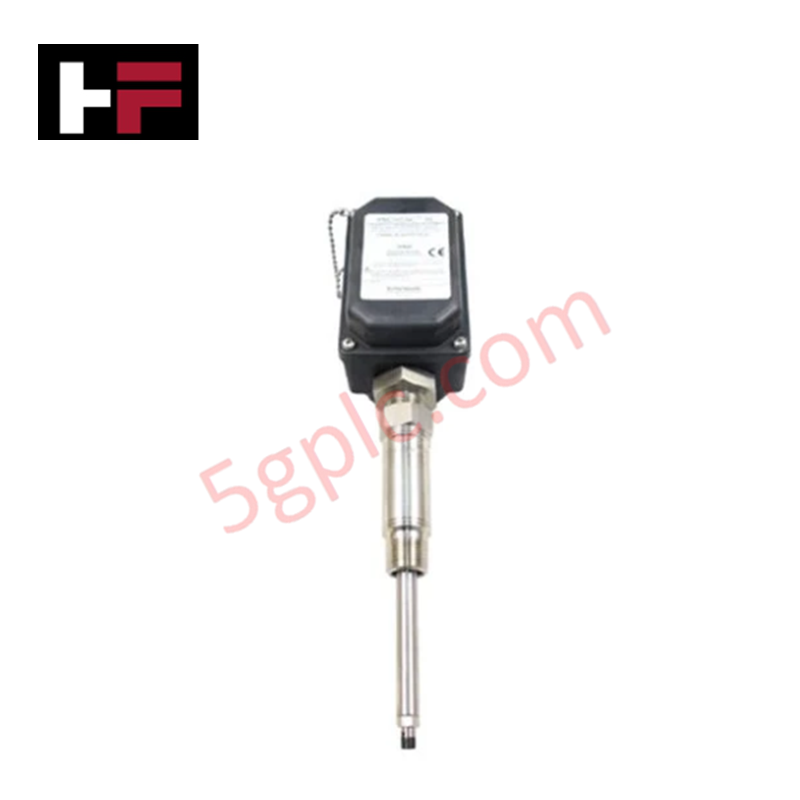
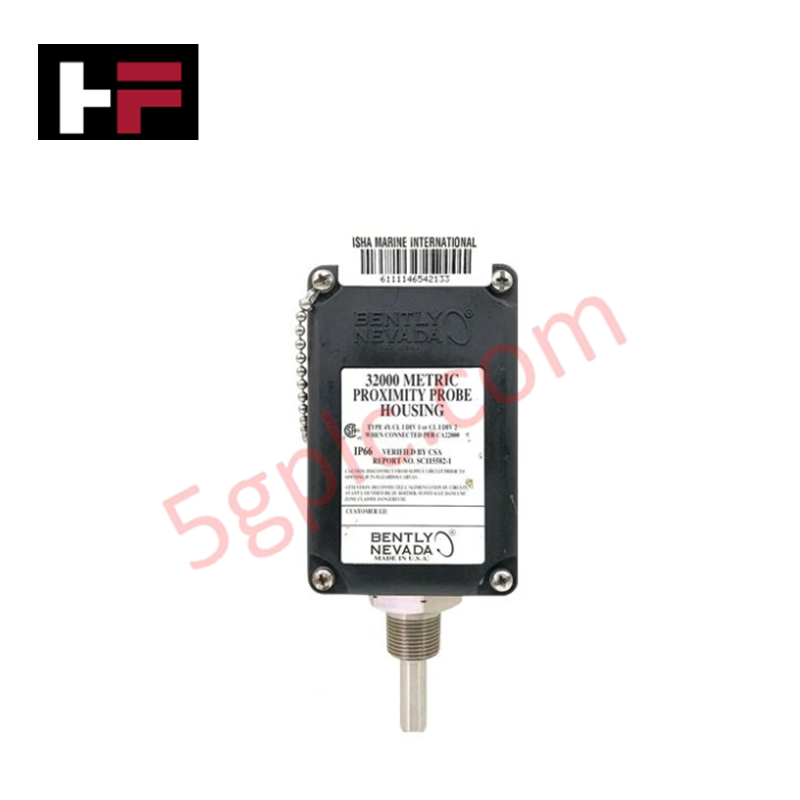
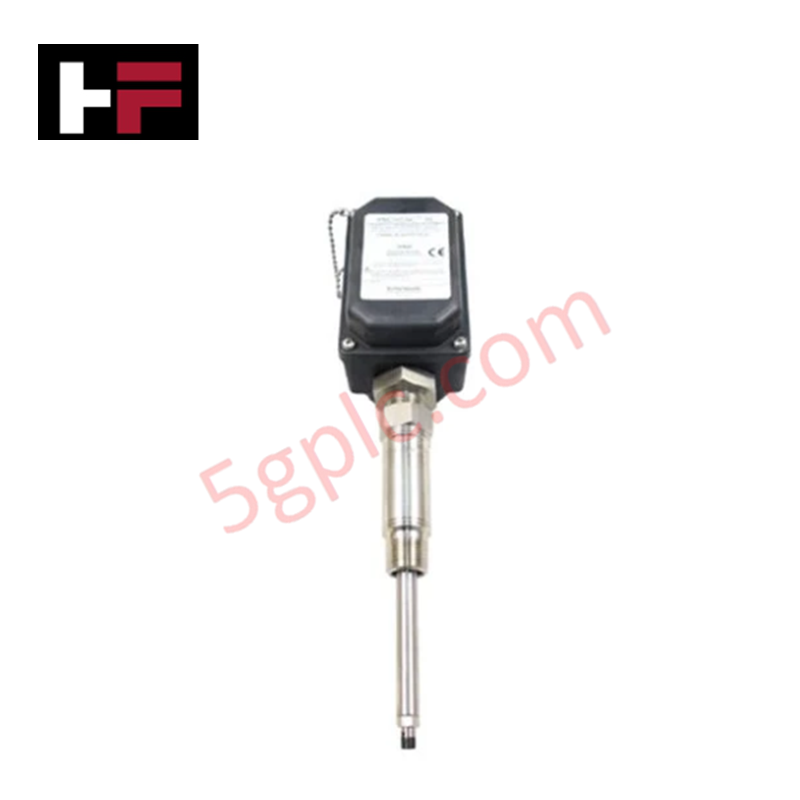
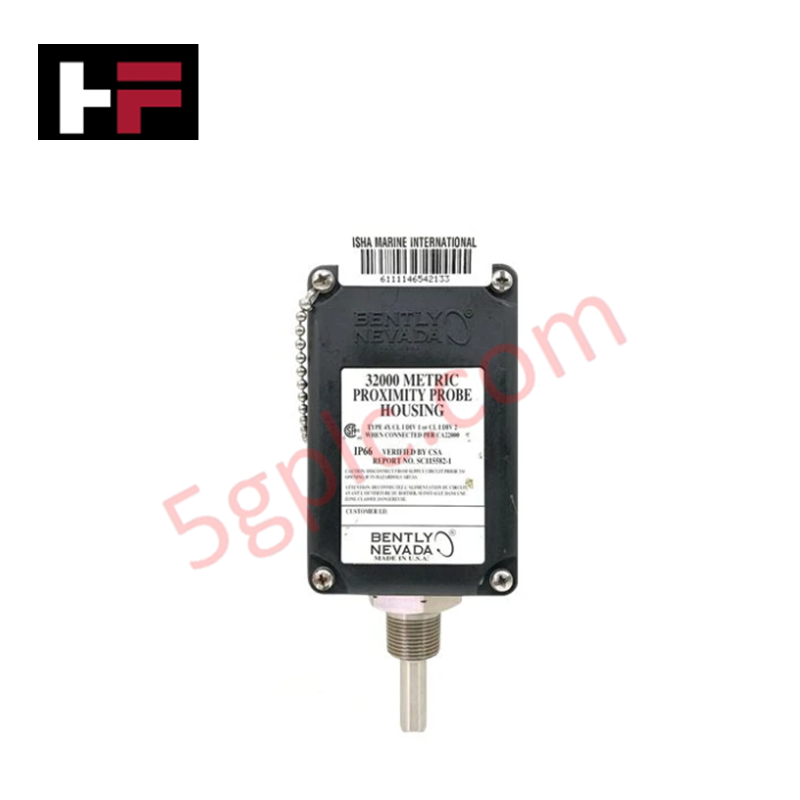
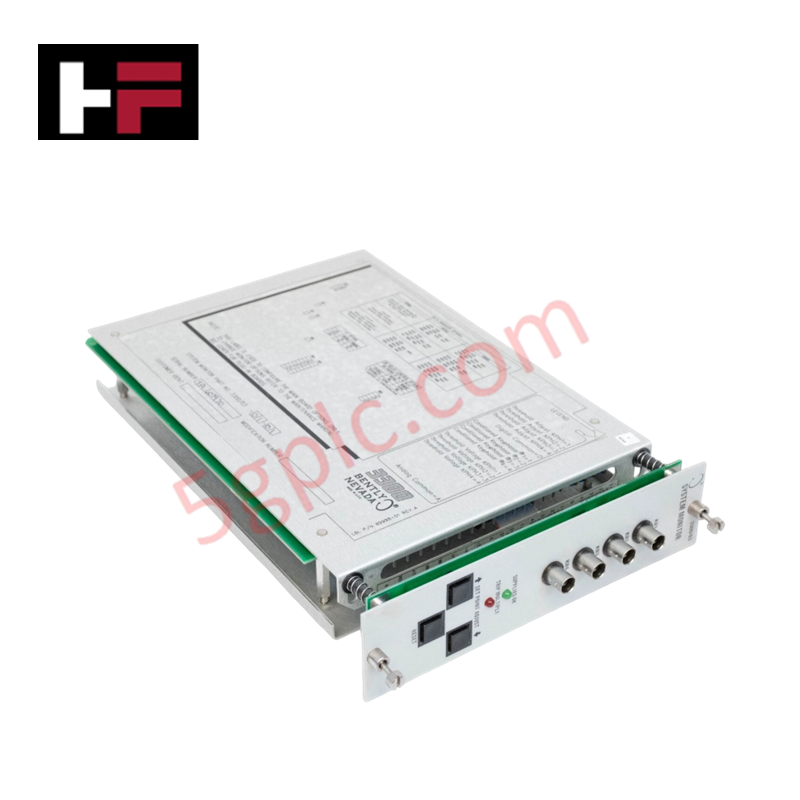
Configured for precision shaft displacement monitoring in rotating machinery, the Epro PR6424/010-140 (CON011 Eddy Current Displacement Transducer) provides direct physical electrical execution for measuring relative radial and axial shaft vibration. The system utilizes electromagnetic induction to generate a linear voltage output proportional to the gap between the probe tip and the observed conductive target, facilitating continuous rotor dynamics assessment.
Hardware Specifications
| Parameter | Specification |
|---|---|
| Model | PR6424/010-140 (CON011) |
| Brand | Epro |
| Origin | USA |
| Weight | 0.2 kg |
| Dimensions | 5.1 cm x 14.0 cm x 19.1 cm |
| Operating Temp | Not Specified |
| Power Consumption | Not Specified |
| Transducer Type | Eddy Current Displacement |
Eddy-Current Probe Scaling and Rotor Dynamics
The PR6424/010-140 system is designed to provide linear signal output across the specified transducer measuring range. Proper eddy-current probe scaling is required to maintain the accuracy of vibration data when interfaced with monitoring instrumentation. During commissioning, operators must perform a gap voltage validation against the -10 VDC target, ensuring the probe tip is positioned within the linear segment of the transducer's sensitivity curve. This calibration is necessary to capture accurate rotor dynamics, including shaft orbits and eccentricities, while minimizing the influence of cross-talk suppression limitations in multi-probe array configurations.
Frequently Asked Questions (FAQ)
Q: What is the primary requirement for achieving accurate displacement readings?
A: The probe tip must be mounted perpendicular to the conductive shaft surface. Any deviation from a 90-degree angle or positioning over a non-conductive area will result in signal nonlinearity and measurement errors.
Q: How does the CON011 module handle high-frequency electromagnetic interference?
A: The CON011 system incorporates signal conditioning circuitry designed to reject common-mode noise. Shielding of the coaxial interconnect cable must be continuous and bonded to earth ground at the monitoring rack to ensure effective EMI suppression.
Field Installation Guidelines
- Inspect the PR6424 probe tip for surface damage or debris prior to mounting, as irregularities can alter the magnetic field and skew displacement data.
- Secure the probe using the provided mounting hardware, ensuring the assembly is vibration-resistant to prevent false readings caused by bracket resonance.
- Route the coaxial signal cabling through dedicated, grounded metallic conduit separate from motor power or AC mains wiring.
- Verify that the gap voltage is precisely set to the nominal target value using a high-impedance digital multimeter before engaging the machine in full-speed operation.
- Inspect all connector interfaces for oxidation or looseness during periodic maintenance cycles to ensure sustained signal integrity.
Additional Information
- 100% Genuine Parts: All products are original and authentic, ensuring reliable industrial performance.
- 30-Day Refund Guarantee: Return any in-stock item within 30 days in original, unopened packaging for a full refund (excluding shipping and fees).
- 12-Month Warranty: Covers defects in materials or workmanship; excludes misuse, normal wear, or unauthorized modifications.
- Worldwide Shipping: We ship via USPS, UPS, FedEx, and DHL. Delivery times vary by country and may be subject to customs or import fees.
- Support & Contact: Technical and warranty assistance is available anytime. Contact us here: Contact.
- Purchase Guidance: Check product specifications and compatibility carefully before ordering to ensure proper application.
Tech & Buying Guide

Redundant Automation Systems: Ensuring Continuous Uptime in Critical Control Infrastructure
System reliability directly determines operational profitability across high stakes process industries. Modern industrial automation platforms must eliminate single points of failure to prevent catastrophic shutdowns. Deploying fault tolerant architecture safeguards complex facilities against unexpected hardware glitches, network disruptions, and maintenance outages.

Understanding Types of Noise in Electronic Circuits and Control Systems
Signal integrity directly determines measurement accuracy and loop stability across industrial automation environments. Electronic noise introduces unwanted stochastic interference into analog loops, sensor feedback lines, and digital fieldbus networks. Understanding how intrinsic electronic noise and external electromagnetic interference manifest allows control engineers to optimize signal conditioning and shield sensitive instrumentation effectively.

Why 24V DC Power Supplies Standardize Modern Industrial Automation
Industrial control cabinets worldwide rely on 24V DC as the universal power standard for field instrumentation, sensors, and controllers. Walk into any manufacturing plant, and you will find PLCs, human-machine interfaces (HMIs), and smart actuators running on extra-low voltage DC. Standardizing on 24V DC enhances operational safety, lowers cabinet footprint, and maintains steady control performance across factory networks.