










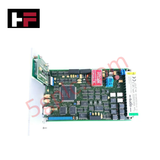
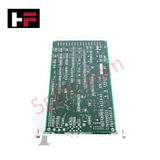
Product Details
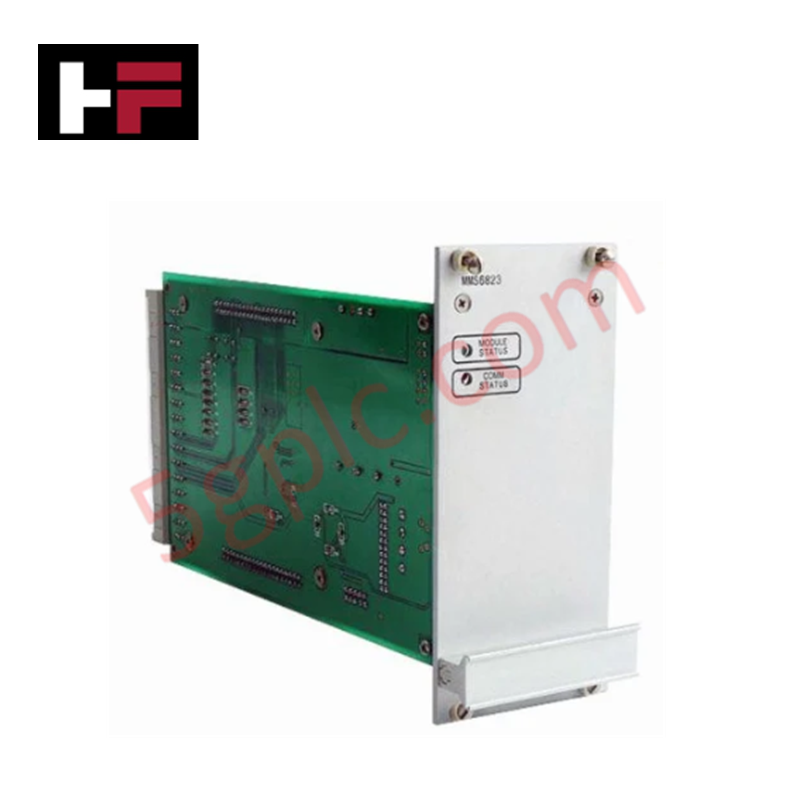
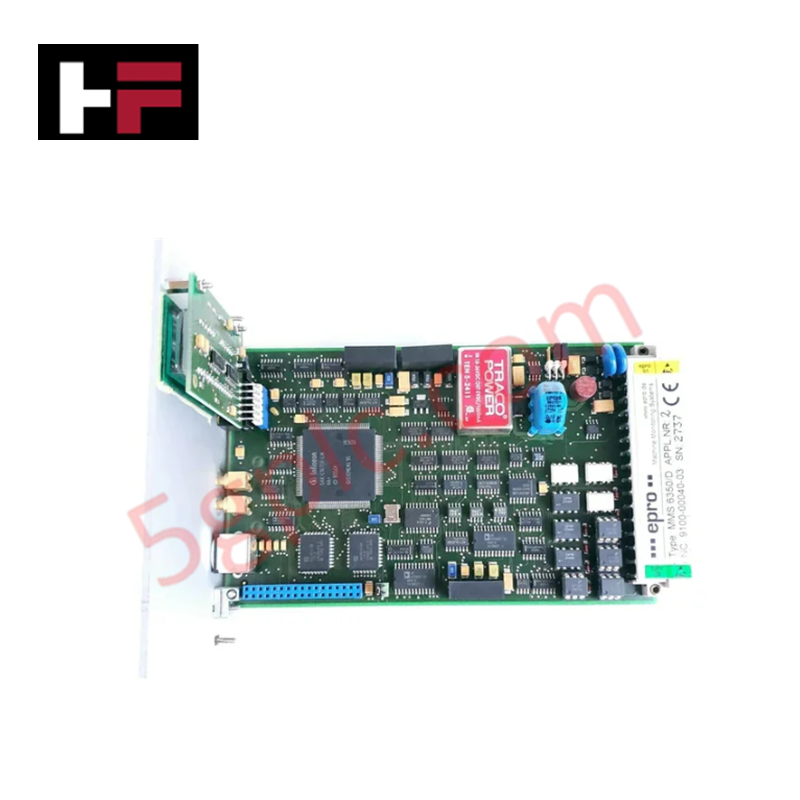
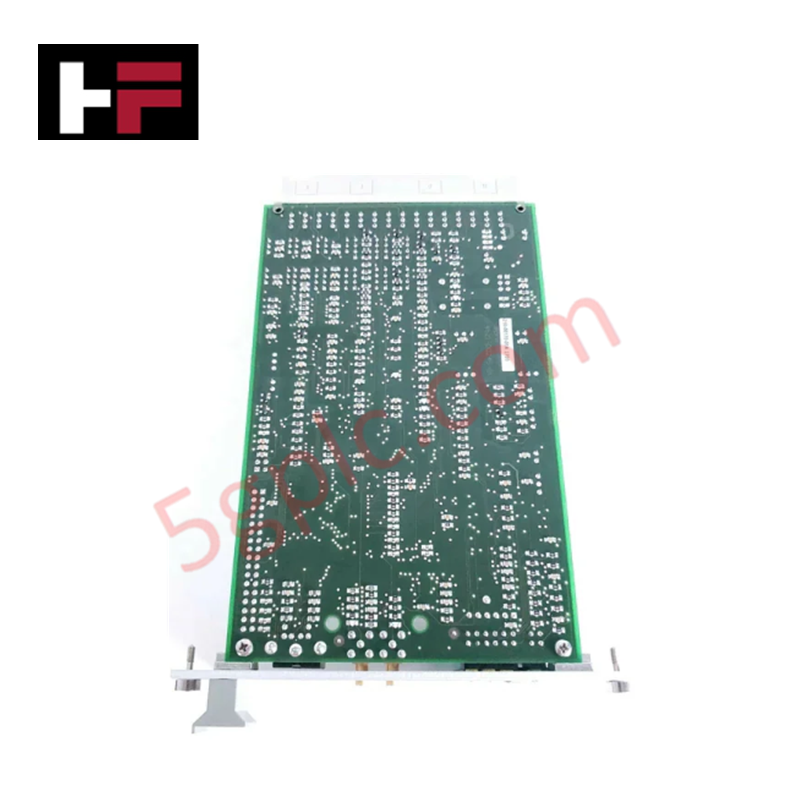
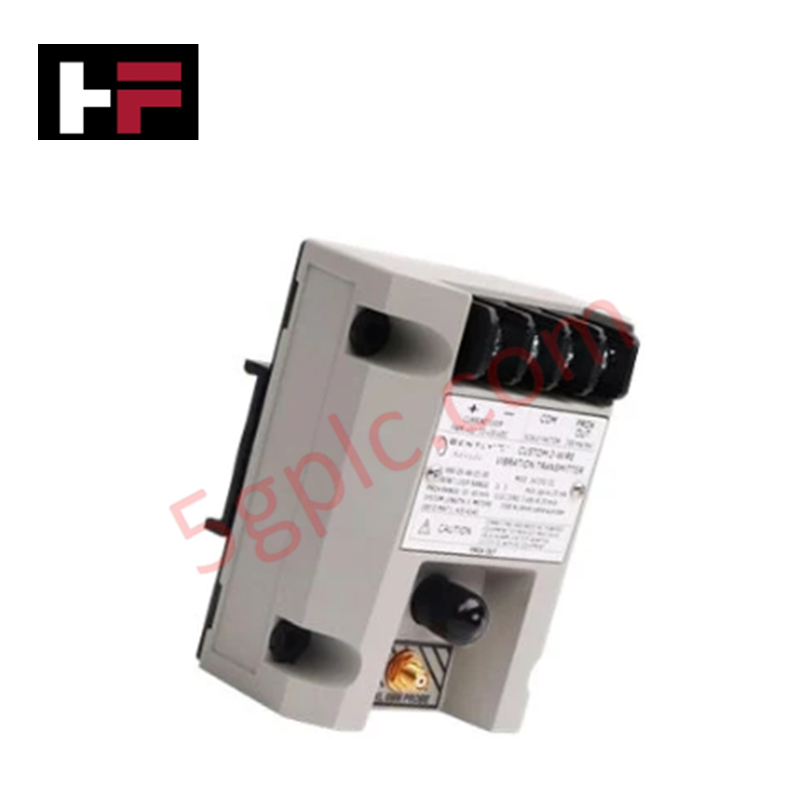
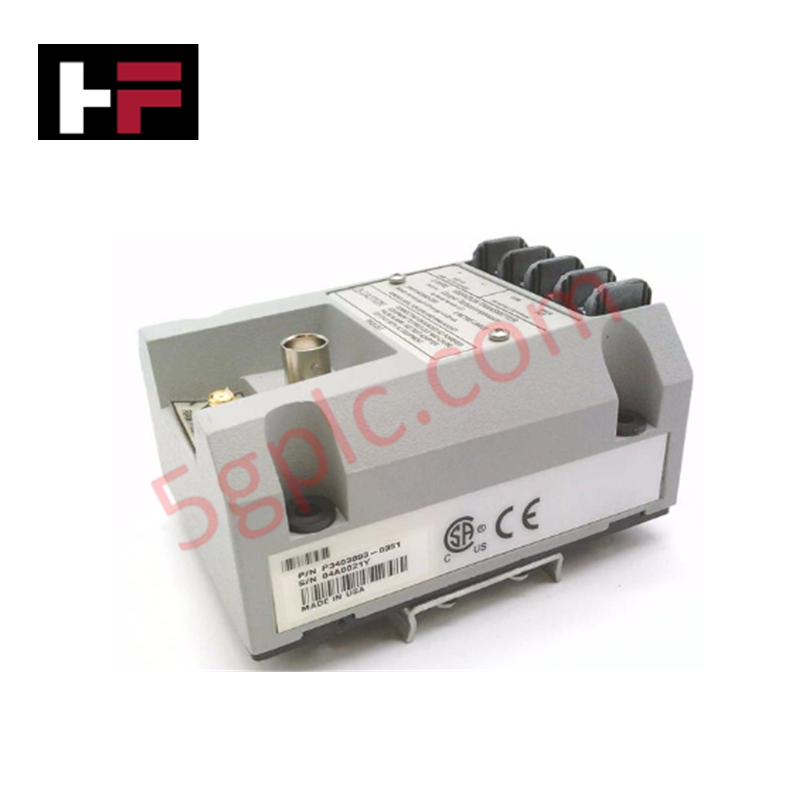
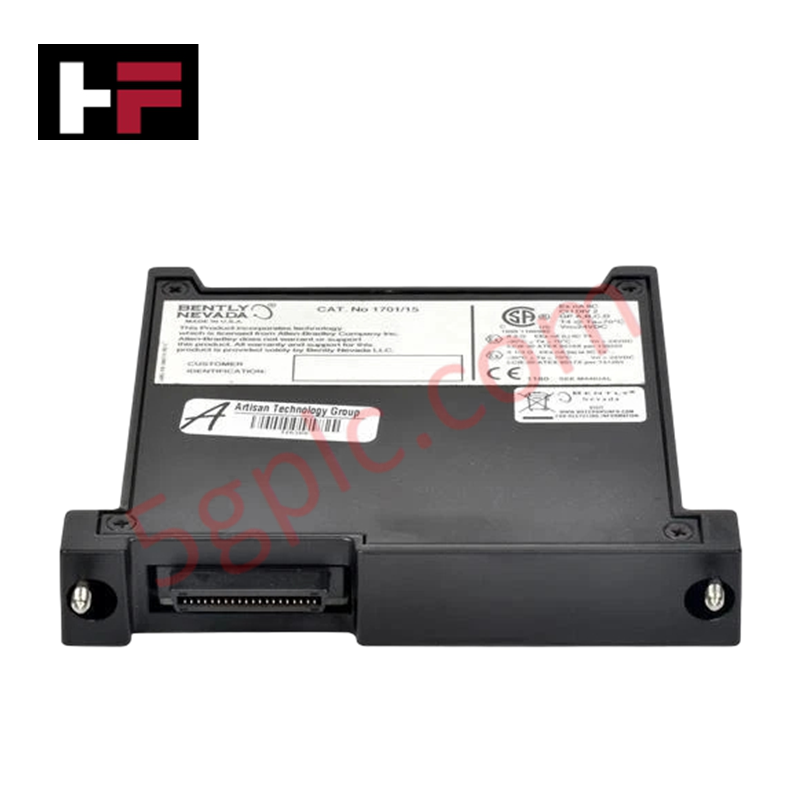
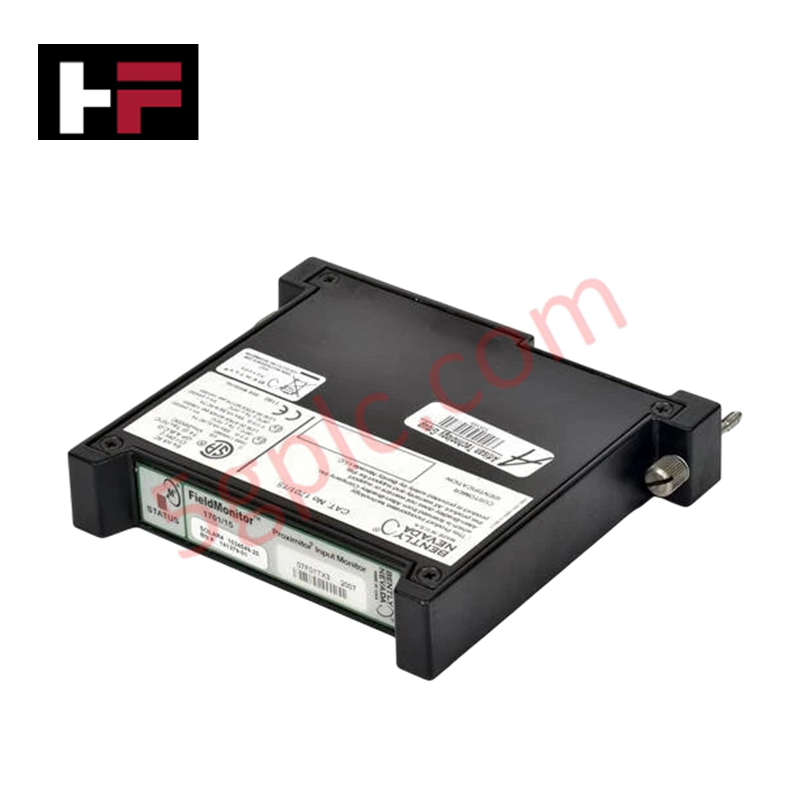
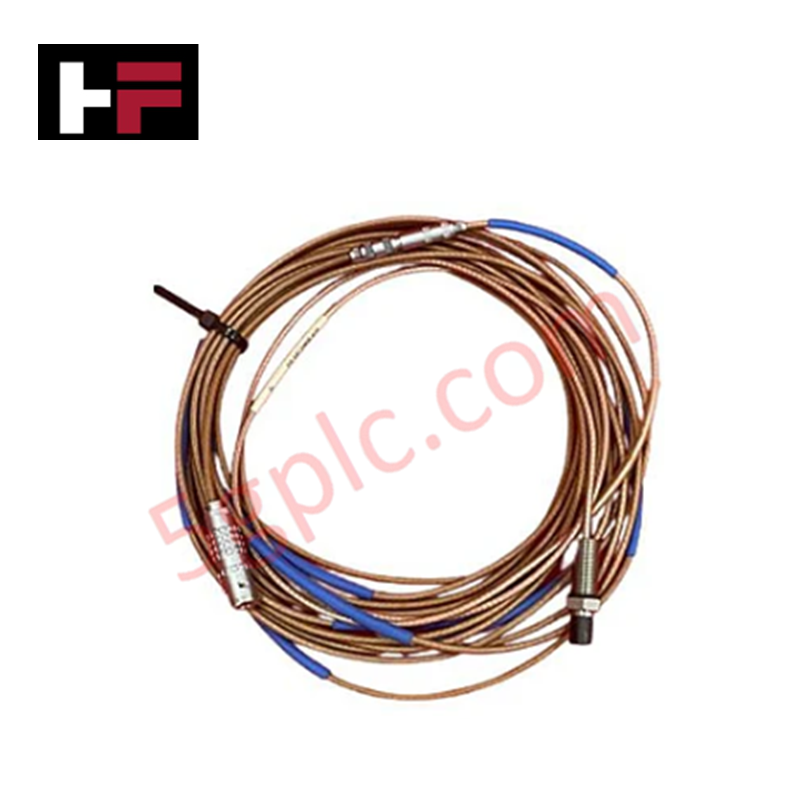
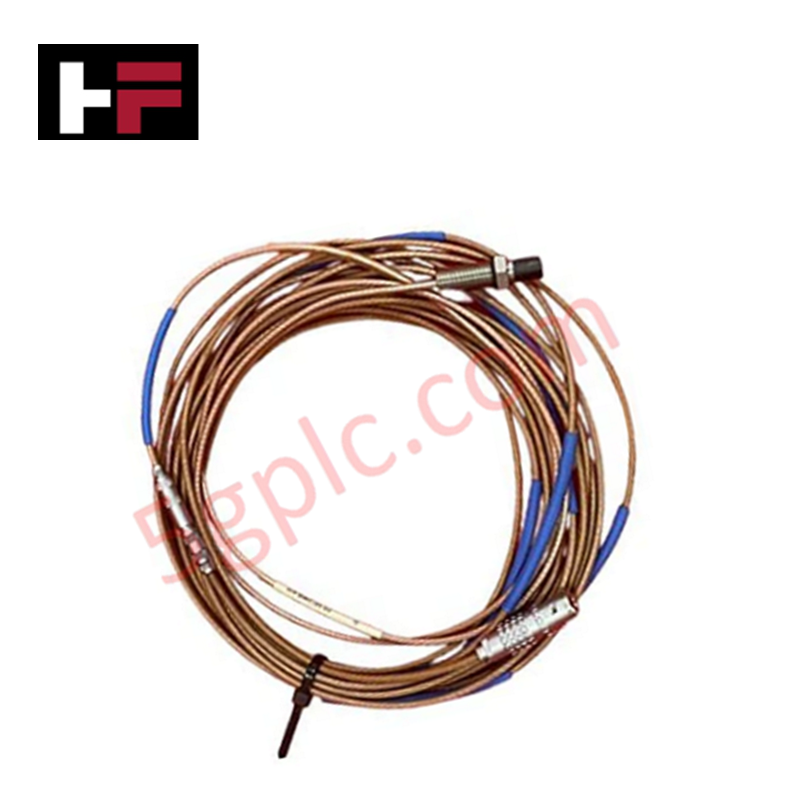
Configured for high-frequency signal acquisition in the MMS6000 machinery monitoring system, the Emerson EPRO MMS 6310 (MMS 6310 Vibration Module Unit) provides direct electrical execution of dual-channel displacement and vibration tracking.
Hardware Specifications
| Parameter | Specification |
|---|---|
| Model | MMS 6310 |
| Brand | Emerson EPRO |
| Operating Temp | Standard industrial range |
| Measurement Channels | 2 independent channels |
| Supported Sensors | PR6422-PR6426 series eddy current probes |
Mechanical Monitoring and TSI Characteristics
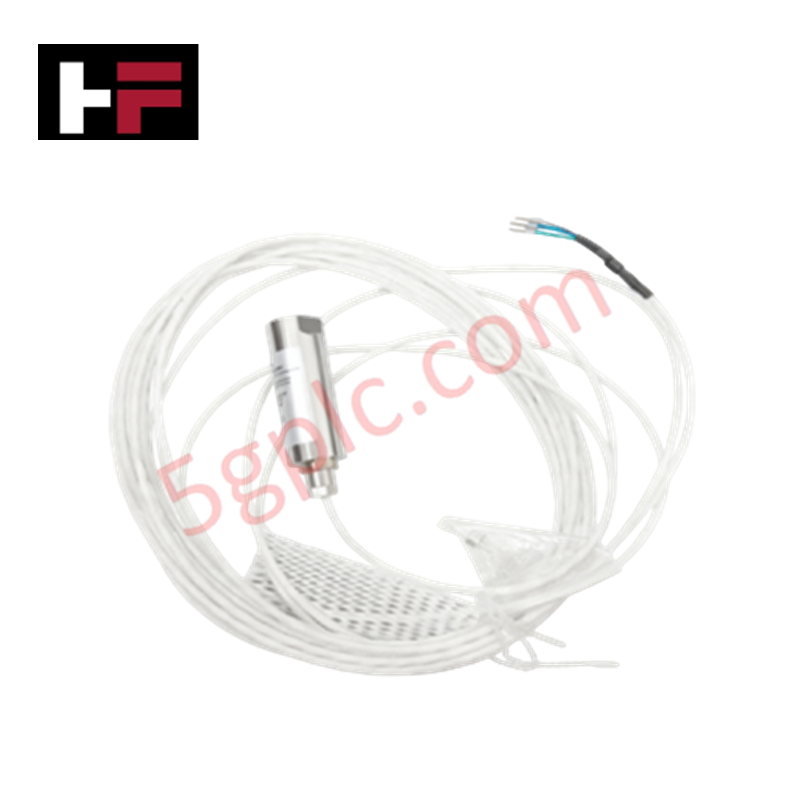
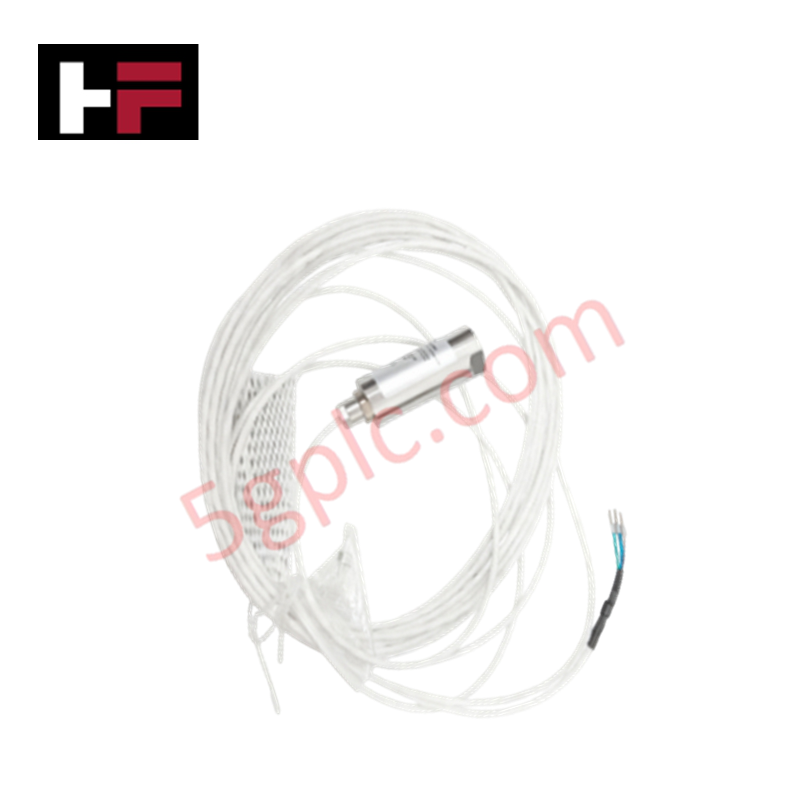
The MMS 6310 is engineered for integration with eddy-current displacement probes to monitor rotor dynamics, including shaft vibration and axial displacement. Accurate measurement requires strict adherence to eddy-current probe scaling; ensure the probe-to-target distance is verified against factory calibration curves. During commissioning, perform a gap voltage validation against -10 VDC targets to ensure the probe remains in the linear measurement region. The module architecture facilitates effective cross-talk suppression by utilizing differential inputs and dedicated channel filtering, which prevents signal interference in multi-channel rack configurations.
Frequently Asked Questions
Q: Does the MMS 6310 support hot-swap replacement within the MMS6000 rack?
A: Yes, the module supports hot-swapping. Ensure the rack backplane power is stable before insertion to avoid transient interference with adjacent monitoring channels.
Q: Can the MMS 6310 be used for dynamic signal analysis if the sensor is disconnected?
A: No. The internal signal conditioning requires a valid input from an EPRO PR6422-PR6426 series probe to establish the reference carrier signal. An open-circuit condition will trigger a transducer fault state, invalidating the dynamic analysis output.
Field Installation Guidelines
- Ensure the MMS6000 rack slot is clear of dust or metallic particles before seating the module.
- Terminate the coaxial cable shield from the eddy current probe directly to the terminal block ground point to prevent ground loops.
- Verify that the sensor cable length matches the factory-calibrated impedance settings to avoid frequency response errors.
- Separate signal cabling from high-voltage motor or actuator leads to prevent induction of harmonic noise into the high-frequency acquisition circuit.
- After installation, confirm the gap voltage at the module diagnostic port matches the expected mechanical offset before initiating data evaluation.
Additional Information
- 100% Genuine Parts: All products are original and authentic, ensuring reliable industrial performance.
- 30-Day Refund Guarantee: Return any in-stock item within 30 days in original, unopened packaging for a full refund (excluding shipping and fees).
- 12-Month Warranty: Covers defects in materials or workmanship; excludes misuse, normal wear, or unauthorized modifications.
- Worldwide Shipping: We ship via USPS, UPS, FedEx, and DHL. Delivery times vary by country and may be subject to customs or import fees.
- Support & Contact: Technical and warranty assistance is available anytime. Contact us here: Contact.
- Purchase Guidance: Check product specifications and compatibility carefully before ordering to ensure proper application.
Tech & Buying Guide
Redundant Automation Systems: Maximizing Uptime in Critical Control Applications
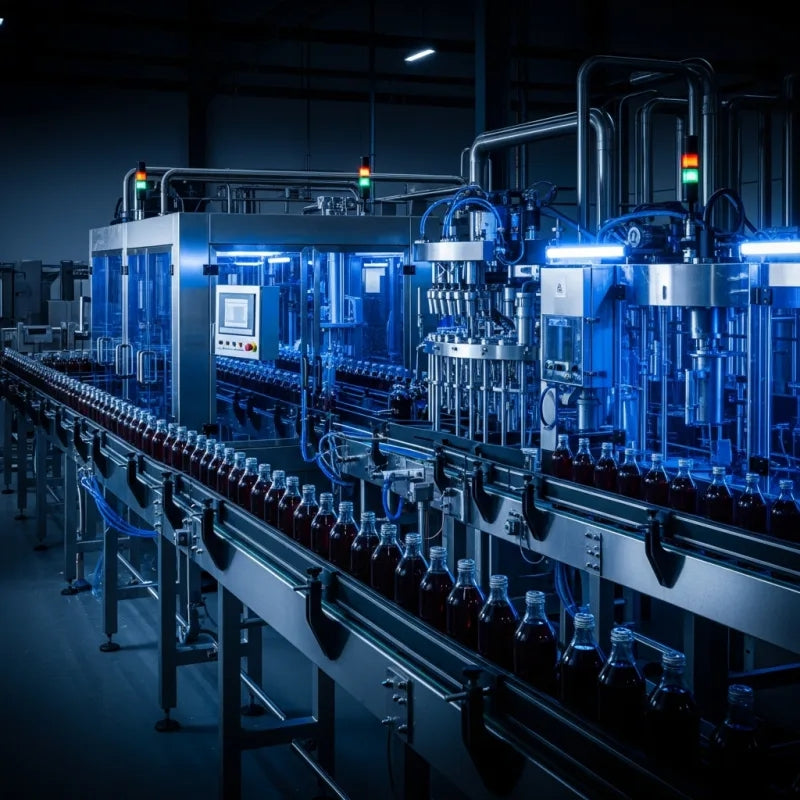
Industrial automation relies on continuous operational stability to prevent catastrophic downtime and financial loss. While standard dictionary definitions treat redundancy as superfluous, industrial engineers consider redundant control architectures indispensable for high-availability systems. Implementing backup hardware ensures seamless takeover during primary equipment failures, protecting critical infrastructure across manufacturing and process industries.
Demystifying the 5 Levels of Industrial Automation Architecture
Modern manufacturing relies on structured communication hierarchy to bridge physical shop-floor hardware with enterprise management software. This framework, commonly known as the Automation Pyramid, establishes how data flows between field devices, logic controllers, and corporate IT networks. Understanding these five distinct levels helps engineers and plant managers optimize system operations, reduce downtime, and implement seamless factory automation solutions.

Transforming Shop Floor Data into Actionable Insights: A Deep Dive into MES
Manufacturing Execution Systems serve as the digital backbone of modern factory floors. Positioned at Level 3 of the ISA-95 automation pyramid, MES links enterprise resource planning with real-time shop floor control systems. Today, industrial operators rely on MES software to bridge operational strategy with physical production execution.