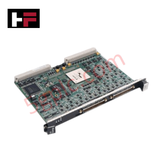
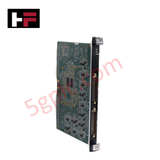
Product Details
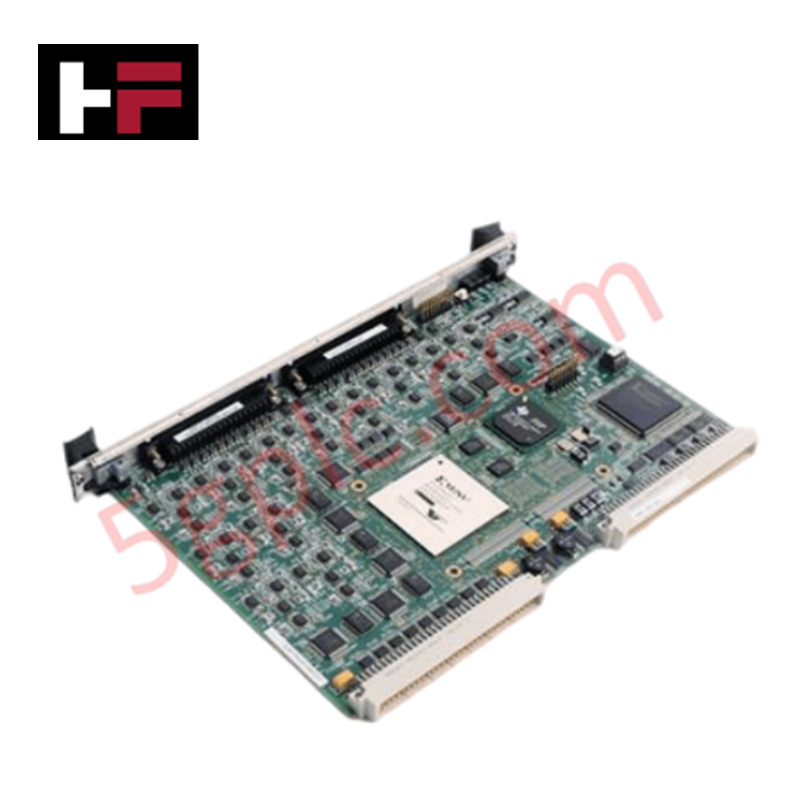
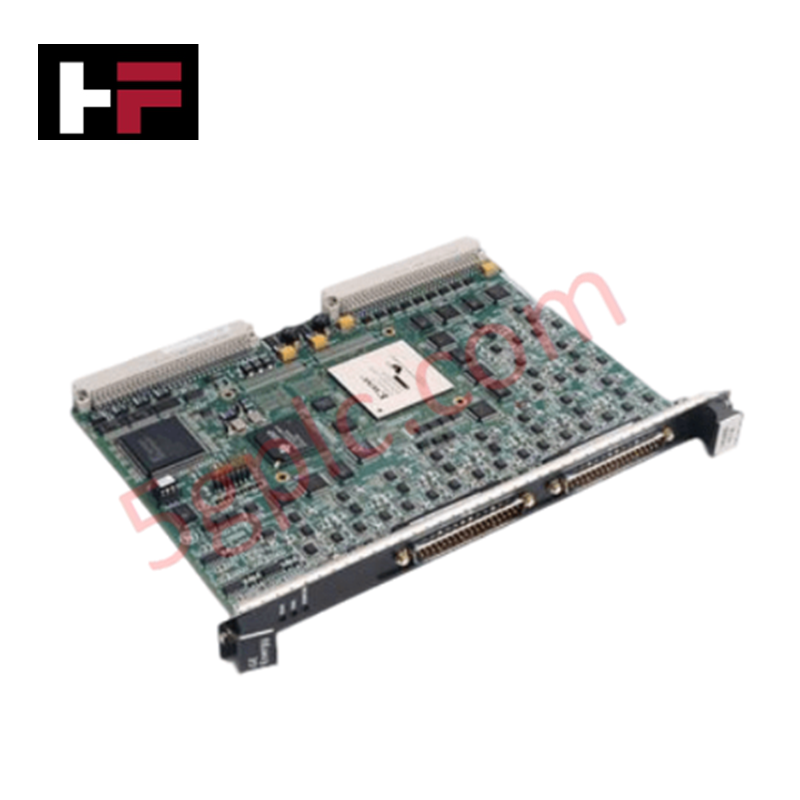
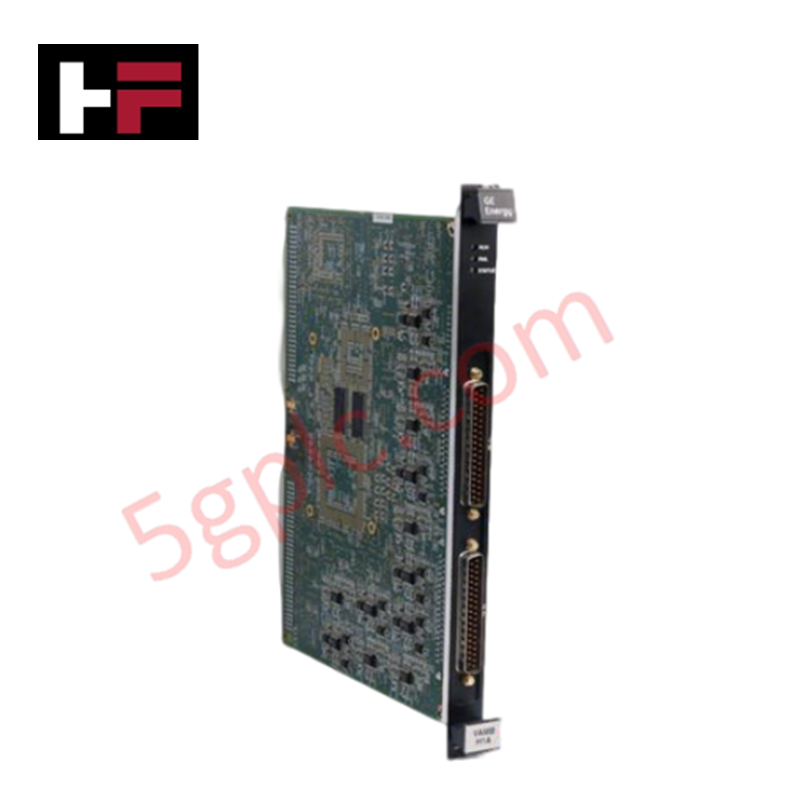
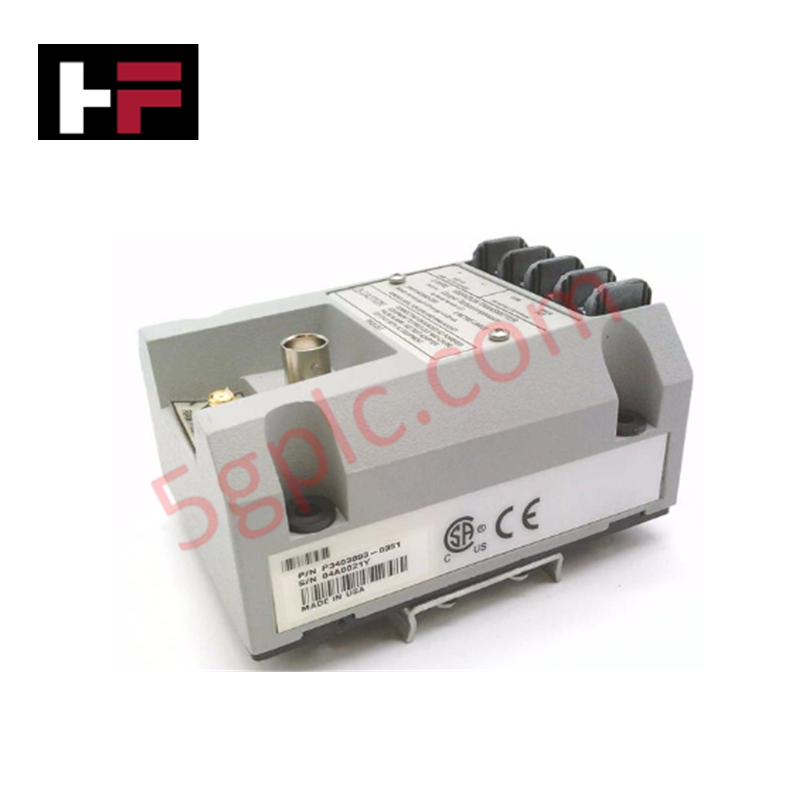
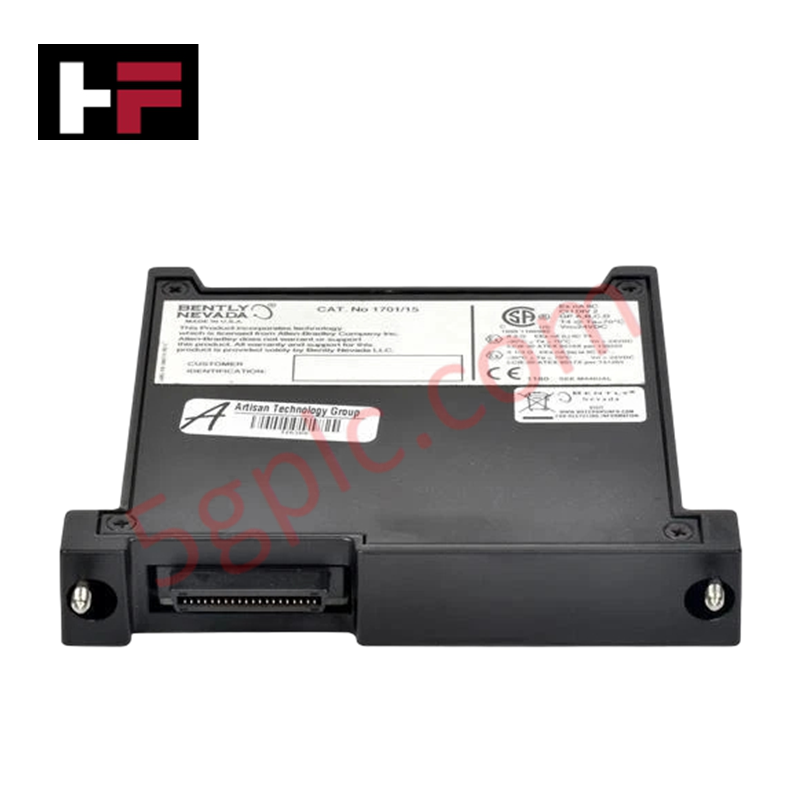
Configured for acoustic signal conditioning in Mark VI gas turbine control systems, the General Electric IS215VAMBH1A (IS215VAMBH1A Acoustic Monitoring Board) provides direct physical/electrical execution of charge amplifier interface monitoring and buffered signal output.
Hardware Specifications
| Parameter | Specification |
|---|---|
| Model | IS215VAMBH1A |
| Brand | General Electric |
| Input Channels | 18 acoustic monitoring channels |
| Signal Output | Buffered BNC signal (input minus DC bias) |
| Interface | Xilinx FPGA, two backplane connectors |
Industrial Control and Firmware Integration
The IS215VAMBH1A utilizes backplane bus communication velocity to interface with the Mark VI controller rack. The board firmware flash compatibility enables logic-level configuration of constant current sources (CCS) and DC bias settings. I/O density scaling is achieved by pairing the VAMB module with two TAMB terminal boards, providing 18 channels of signal conditioning. The architecture supports Profinet or EtherNet/IP deterministic networks by facilitating high-fidelity signal acquisition from frame 6, 7, and 9 gas turbines, ensuring that the Xilinx FPGA logic accurately manages input status and bias control protocols.
Frequently Asked Questions (FAQ)
Q: What is the purpose of the high-impedance DC bias?
A: The high-impedance DC bias is employed to detect open-circuit connections between the TAMB terminal board and the external charge amplifier, providing a diagnostic feedback mechanism for system integrity.
Q: Why must the constant current output (CCS) be logic-level low upon power-up?
A: The continuous current output must remain deselected (False) until all configuration parameters are loaded into the module to prevent improper signal biasing during the power-up initialization sequence.
Field Installation Guidelines
- Terminal Board Pairing: The VAMB module must be installed with one or two TAMB terminal boards to achieve the full 18-channel monitoring capacity. Ensure these are connected via the appropriate ribbon or d-type cables.
- Signal Grounding: The onboard 3-pin jumpers allow for configuration of the return signal (RETx) to PCOM. Verify jumper settings against the site-specific turbine control documentation before system energization.
- Buffered Output: Use the front faceplate BNC connectors for diagnostic signal verification. These provide the buffered output (input signal minus DC bias), which is useful for field-based frequency response analysis.
- Interference Mitigation: Given the sensitive nature of charge-based acoustic inputs, ensure that all signal wiring is fully shielded and routed separately from high-power field wiring or AC motor leads to prevent common-mode noise induction.
Additional Information
- 100% Genuine Parts: All products are original and authentic, ensuring reliable industrial performance.
- 30-Day Refund Guarantee: Return any in-stock item within 30 days in original, unopened packaging for a full refund (excluding shipping and fees).
- 12-Month Warranty: Covers defects in materials or workmanship; excludes misuse, normal wear, or unauthorized modifications.
- Worldwide Shipping: We ship via USPS, UPS, FedEx, and DHL. Delivery times vary by country and may be subject to customs or import fees.
- Support & Contact: Technical and warranty assistance is available anytime. Contact us here: Contact.
- Purchase Guidance: Check product specifications and compatibility carefully before ordering to ensure proper application.





Tech & Buying Guide

Demystifying the 5 Levels of Industrial Automation Architecture
Modern manufacturing relies on structured communication hierarchy to bridge physical shop-floor hardware with enterprise management software. This framework, commonly known as the Automation Pyramid, establishes how data flows between field devices, logic controllers, and corporate IT networks. Understanding these five distinct levels helps engineers and plant managers optimize system operations, reduce downtime, and implement seamless factory automation solutions.

Transforming Shop Floor Data into Actionable Insights: A Deep Dive into MES
Manufacturing Execution Systems serve as the digital backbone of modern factory floors. Positioned at Level 3 of the ISA-95 automation pyramid, MES links enterprise resource planning with real-time shop floor control systems. Today, industrial operators rely on MES software to bridge operational strategy with physical production execution.