










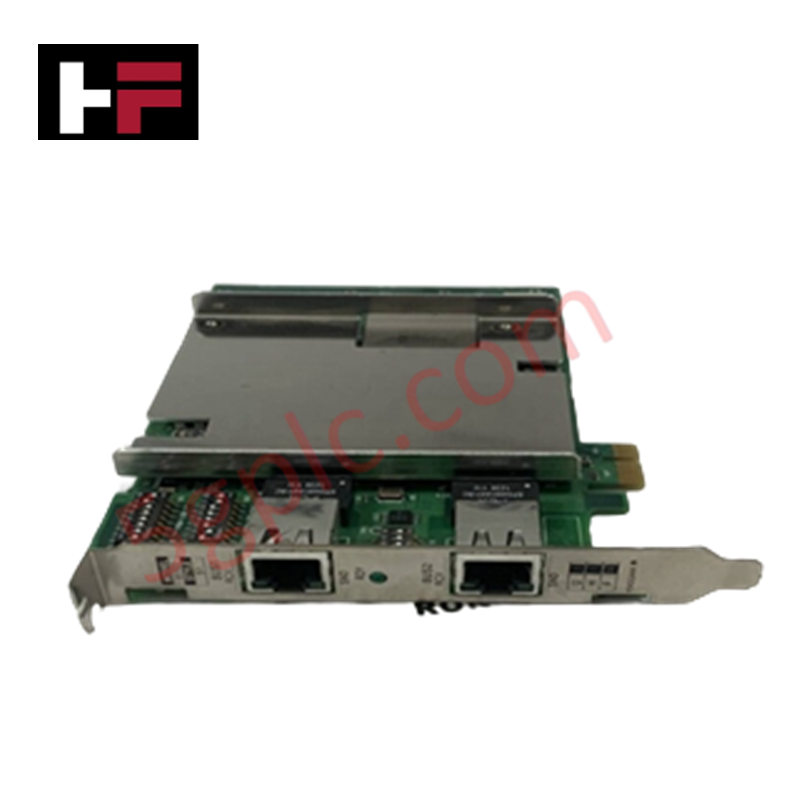
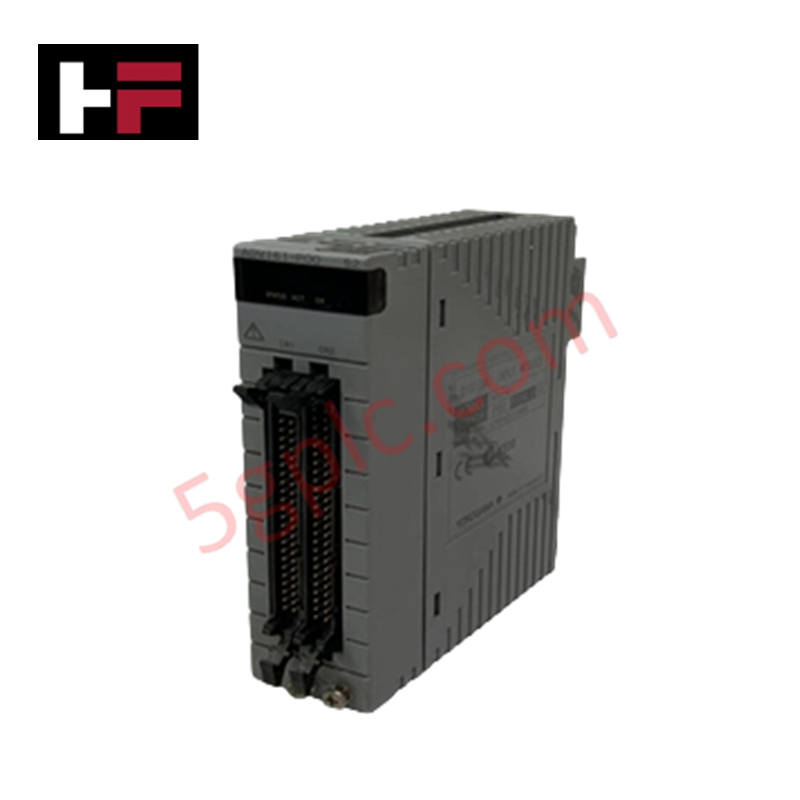
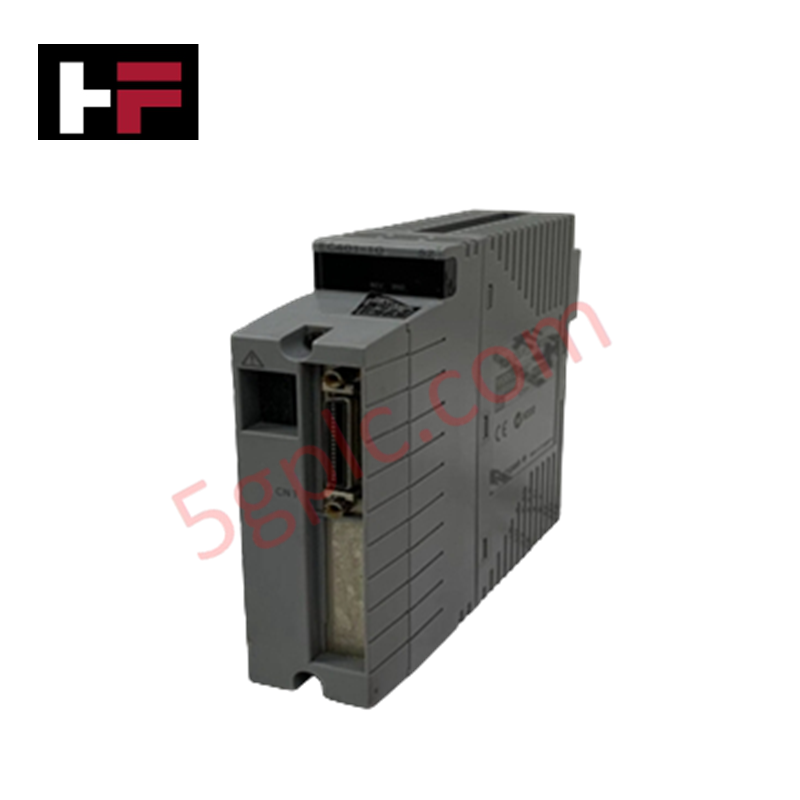
Product Details
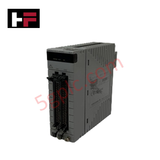
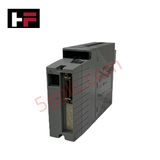
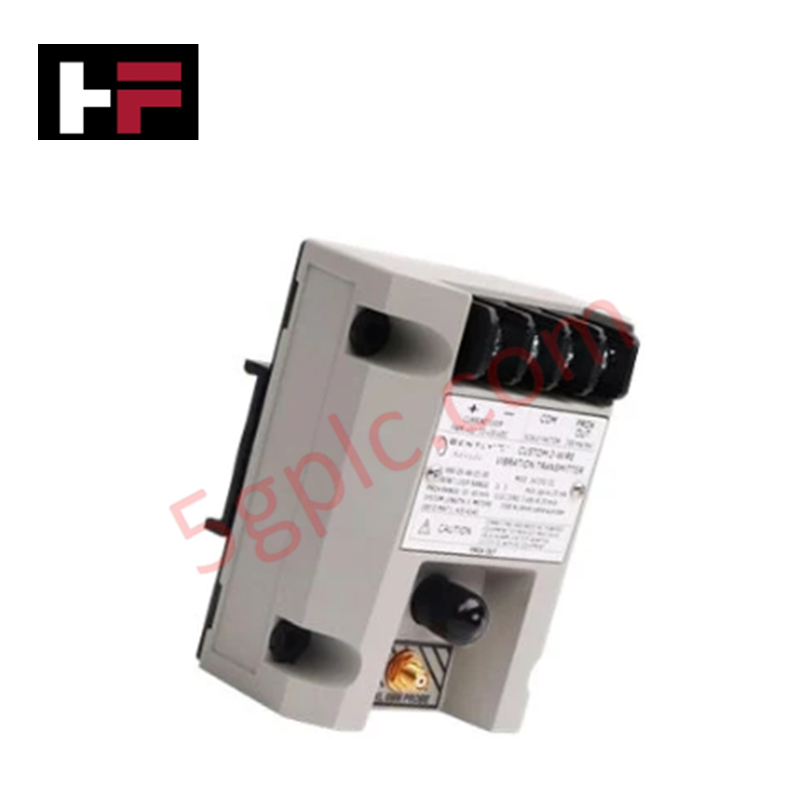
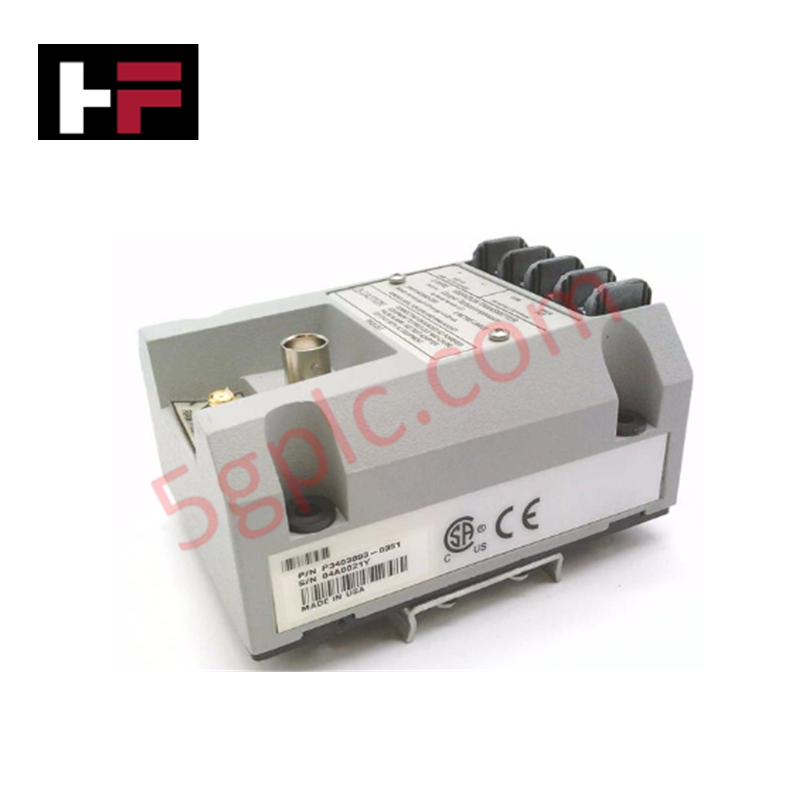
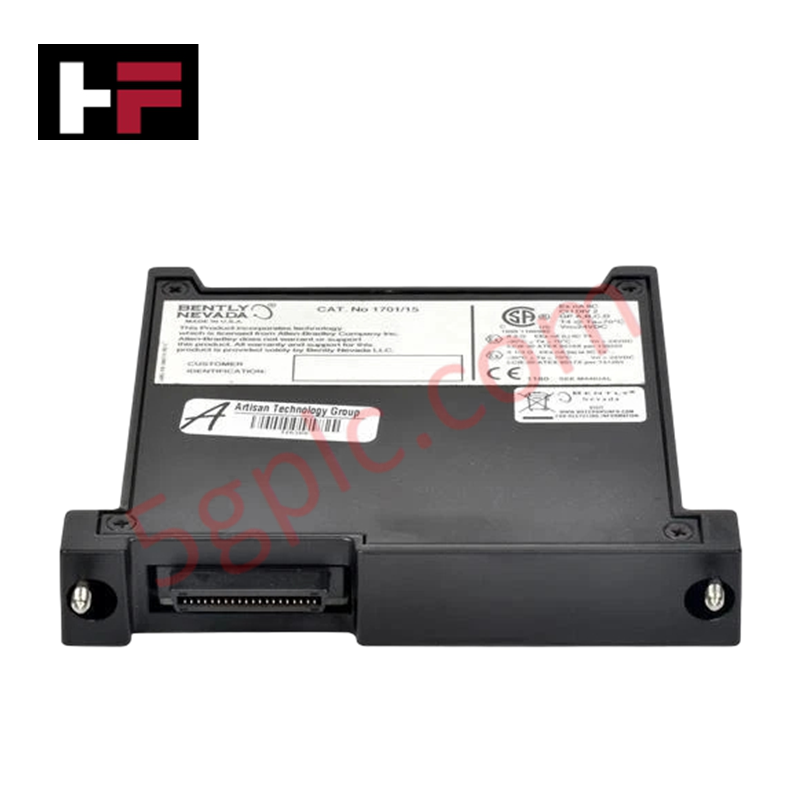
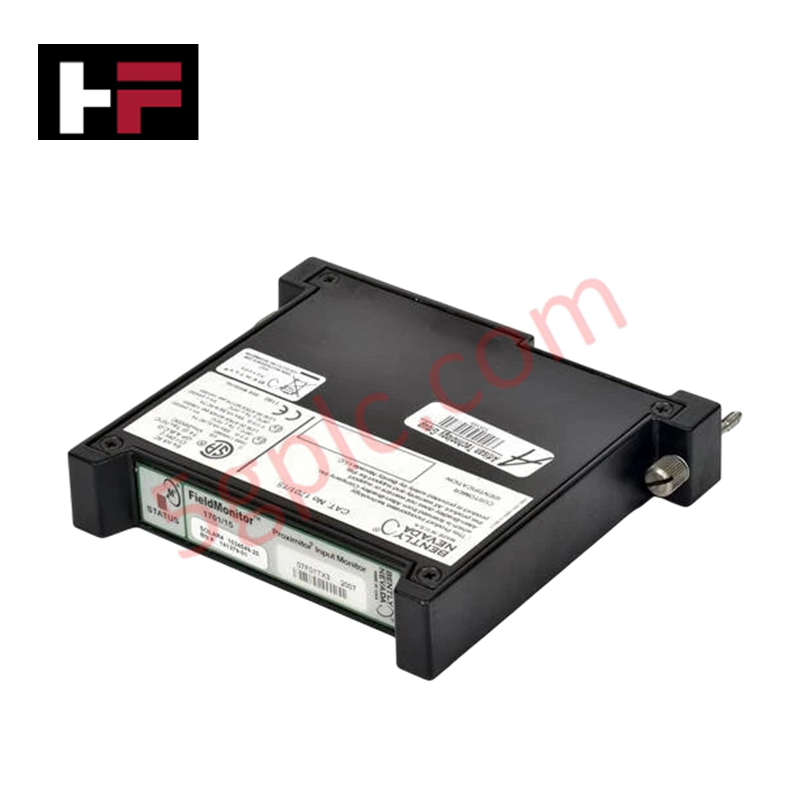
The Yokogawa FCA4*B, also cataloged as the FCA4 Pressure Measurement Module, operates as a dedicated hardware component for dual-sensor pressure and differential pressure signal acquisition within Yokogawa CENTUM VP and CENTUM CS DCS networks.
Suffix Breakdown & Model Matrix
| Code Element | Specification / Description |
|---|---|
| FCA4 | Base module designation for multi-protocol pressure and differential pressure measurement |
| *B | Style code Revision B specifying housing enclosure construction and terminal interface |
Hardware Specifications
| Parameter | Specification |
|---|---|
| Model | FCA4*B |
| Brand | Yokogawa |
| Origin | Japan |
| Weight | 0.3 kg |
| Dimensions | 7.6 cm x 3 cm x 15.2 cm |
| Operating Temp | -10 deg C to 60 deg C |
| Power Consumption | 10 W |
| Power Supply | 24 VDC |
| Enclosure Rating | IP67 (ruggedized metal housing) |
| Relative Humidity | 5% to 95% (non-condensing) |
| Measured Variables | Pressure, differential pressure (DP) |
| Sensor Inputs | Dual pressure sensor interface |
| Input Signal Types | 4-20 mA, mV, thermocouple, RTD |
| Output Signal | Digital |
| Communication Protocols | FOUNDATION Fieldbus, PROFIBUS DP, HART |
FOUNDATION Fieldbus and 4-20 mA HART Loop Protocol Integration
The FCA4*B pressure measurement module integrates multi-protocol digital communication, supporting FOUNDATION Fieldbus, PROFIBUS DP, and 4-20 mA HART loop protocol standards. Internal signal conditioning circuitry converts analog millivolt, thermocouple, RTD, and 4-20 mA inputs from dual pressure sensors into calibrated digital output streams. Channel-to-channel isolation and integrated signal filtering suppress common-mode electrical noise and prevent ground loops, delivering deterministic process variable updates to CENTUM VP and CENTUM CS controllers.
Frequently Asked Questions
Q: Does the IP67-rated housing of the FCA4*B require additional field enclosures for outdoor mounting?
A: The IP67 metal housing provides direct resistance against dust ingress and low-pressure water jets, allowing direct field mounting; however, secondary shading is recommended in high-temperature environments subject to direct solar exposure.
Q: How are mixed sensor input types configured on the FCA4*B module?
A: Analog input selection across 4-20 mA, millivolt, thermocouple, and RTD signal sources is defined via system configuration software, which adjusts internal analog-to-digital scaling and cold junction compensation parameters per input channel.
Q: What power parameters must be met when energizing the module on a 24 VDC bus loop?
A: The power supply must maintain a stable 24 VDC output capable of supplying at least 10 W continuous power per module under full sensor excitation and active fieldbus transmission states.
Field Installation Guidelines
- Mechanical Mounting: Secure the FCA4*B module to structural panels or mounting plates using M4 fasteners. Torque all mounting hardware to 2.5 N-m to maintain structural stability.
- Gland Sealing: Cable entries must use IP67-rated metallic cable glands. Install sealed blind plugs in all unused cable entry ports to preserve the enclosure rating.
- Shield Grounding: Connect signal cable drain wires directly to the main functional earth (FE) ground terminal on the module housing to suppress high-frequency electromagnetic interference.
- Wiring Separation: Route 24 VDC power lines and high-frequency digital signal cables in separate wire ducts, maintaining a minimum 300 mm distance from 230 VAC power conduits.
Additional Information
- 100% Genuine Parts: All products are original and authentic, ensuring reliable industrial performance.
- 30-Day Refund Guarantee: Return any in-stock item within 30 days in original, unopened packaging for a full refund (excluding shipping and fees).
- 12-Month Warranty: Covers defects in materials or workmanship; excludes misuse, normal wear, or unauthorized modifications.
- Worldwide Shipping: We ship via USPS, UPS, FedEx, and DHL. Delivery times vary by country and may be subject to customs or import fees.
- Support & Contact: Technical and warranty assistance is available anytime. Contact us here: Contact.
- Purchase Guidance: Check product specifications and compatibility carefully before ordering to ensure proper application.
Tech & Buying Guide

Transforming Shop Floor Data into Actionable Insights: A Deep Dive into MES
Manufacturing Execution Systems serve as the digital backbone of modern factory floors. Positioned at Level 3 of the ISA-95 automation pyramid, MES links enterprise resource planning with real-time shop floor control systems. Today, industrial operators rely on MES software to bridge operational strategy with physical production execution.

Managed Switch vs. Unmanaged Switch: Industrial Ethernet Architecture

Hot Standby vs. Cold Standby Redundancy in Industrial Automation
System availability determines process safety and productivity in industrial automation. Control engineers deploy redundancy to eliminate single points of failure. This technical guide evaluates Hot Standby vs. Cold Standby architectures, comparing failover speeds, memory sync, cost trade-offs, and field selection criteria.