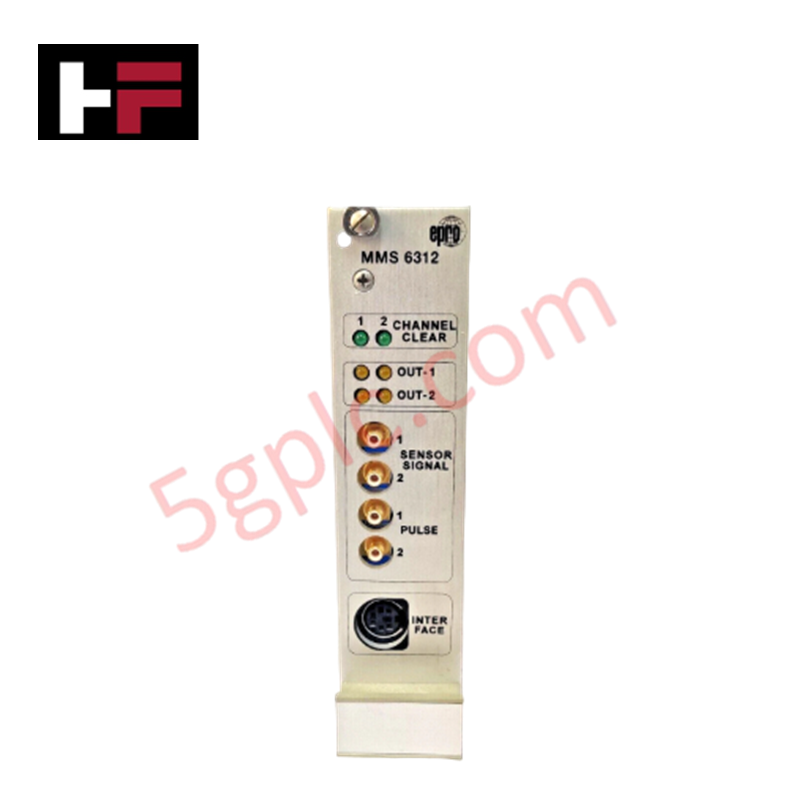
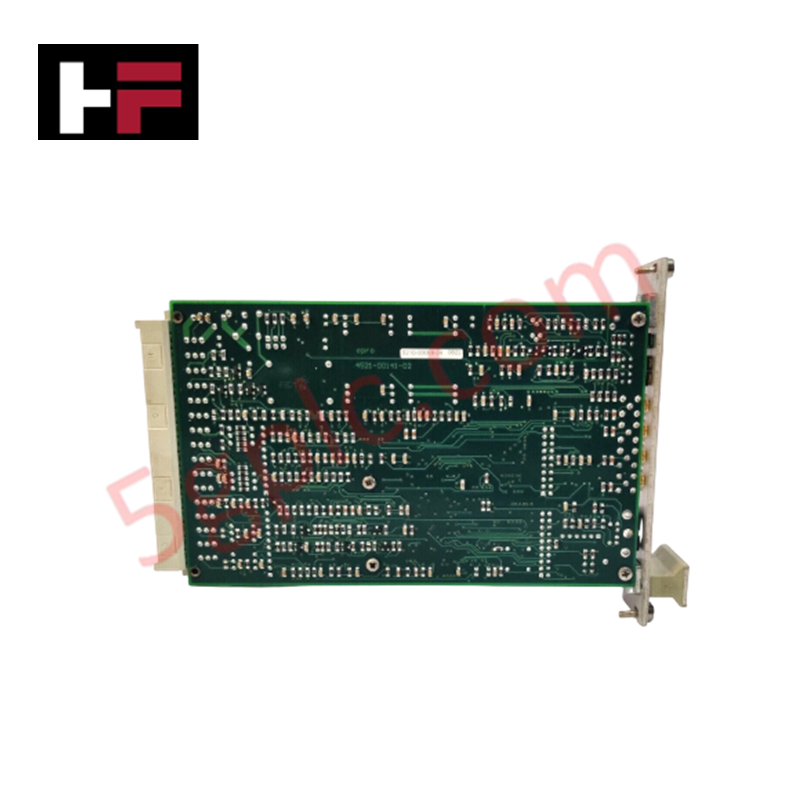
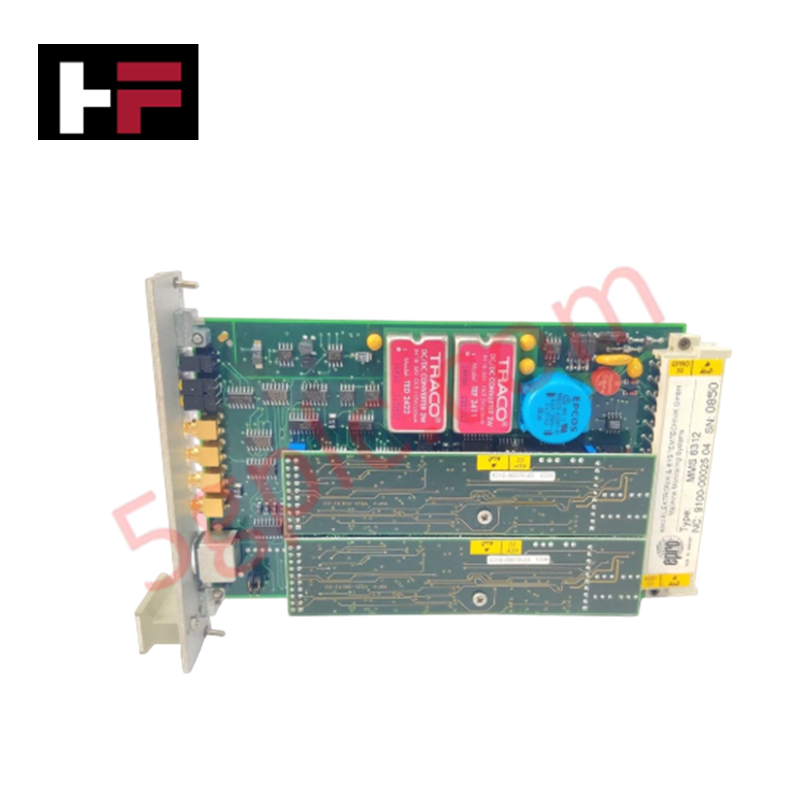
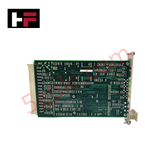
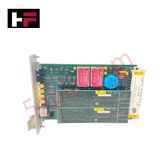
Product Details
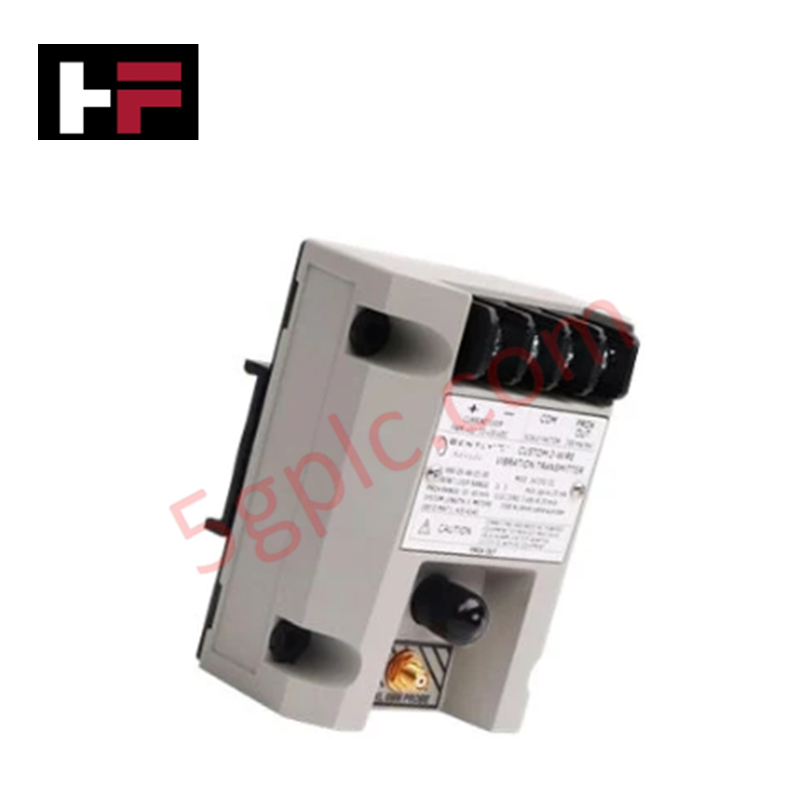
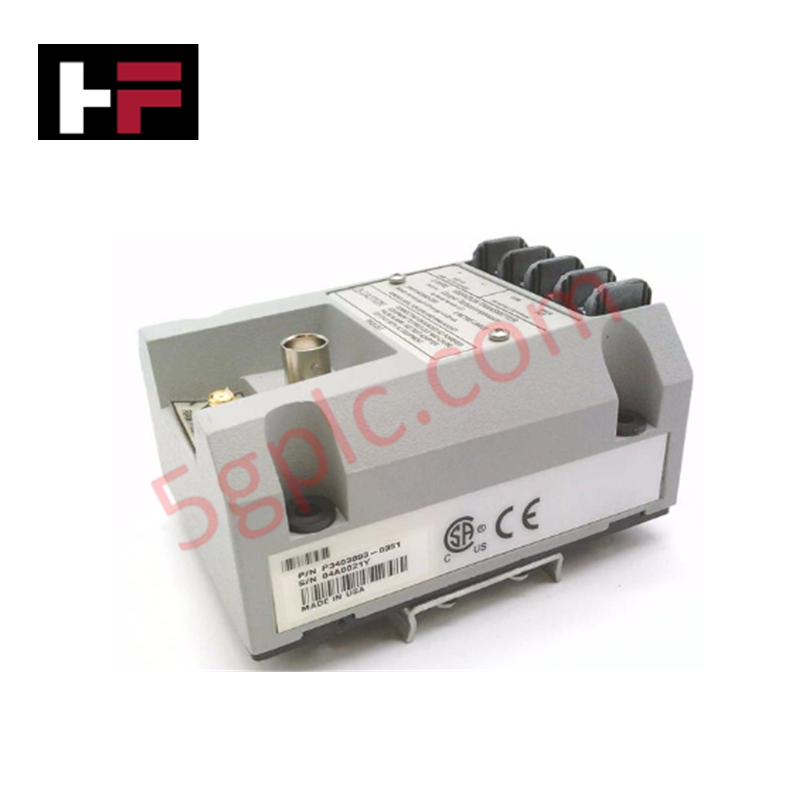
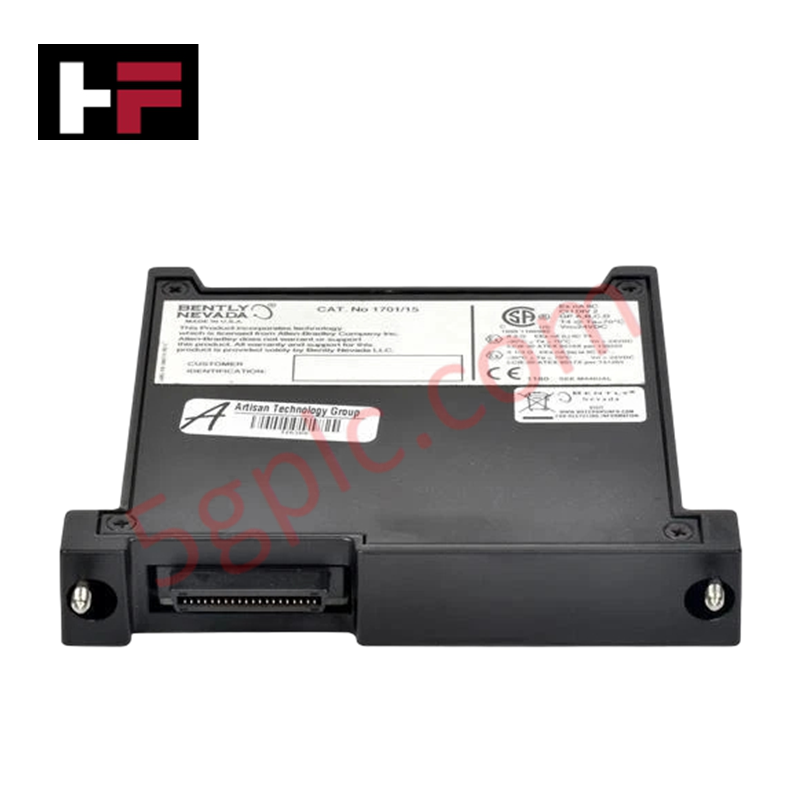
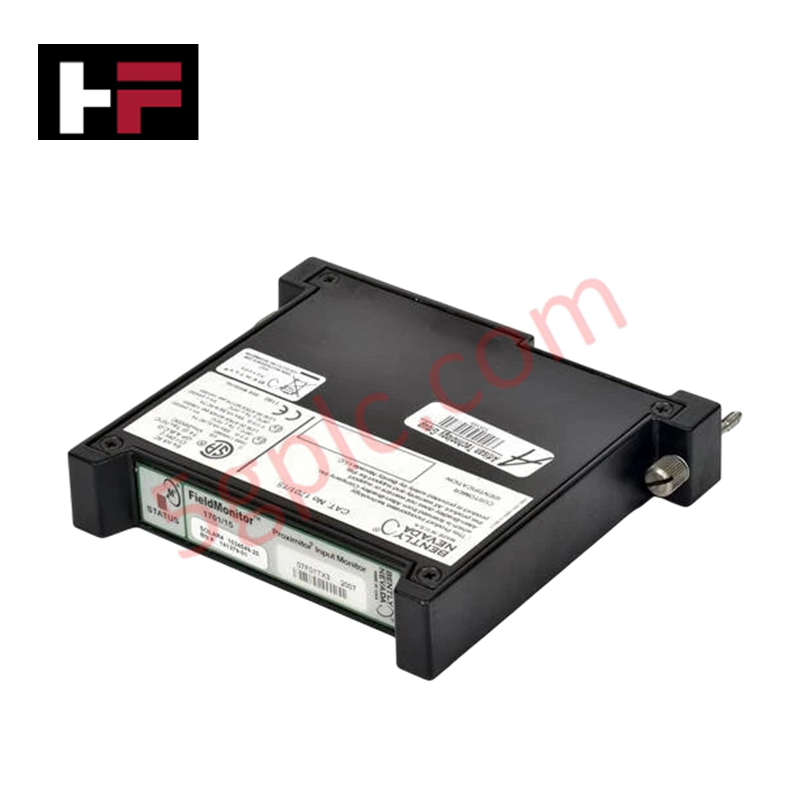
The EPRO MMS 6312, also cataloged as the MMS 6312 RPM Speed Monitoring Module, operates as a dedicated hardware component for high-speed rotational frequency acquisition within PLC and industrial control platforms.
Hardware Specifications
| Parameter | Specification |
|---|---|
| Model | MMS 6312 |
| Brand | EPRO |
| Weight | 0.25 kg |
| Dimensions | 19" rack mount |
| Processor | 32-bit ARM Cortex-A9, 1 GHz |
| Memory | 1 GB RAM, 128 MB flash |
| I/O Configuration | 32 DI, 32 DO, 8 AI, 2 AO |
PLC and Industrial Control Characteristics
The MMS 6312 is architected for deterministic performance within industrial control networks, supporting high-speed communication via EtherCAT, Profinet, and Modbus TCP/IP protocols. The module utilizes I/O density scaling to handle up to 16 axes of monitoring, leveraging a 32-bit ARM processor to maintain processing velocity for real-time speed calculation. Firmware flash compatibility ensures that the unit can be updated to accommodate evolving network standards or specific control logic requirements. The high-speed backplane bus communication velocity allows for integrated synchronization across distributed I/O clusters, reducing latency in closed-loop speed regulation sequences.
Frequently Asked Questions
Q: Is the MMS 6312 compatible with firmware updates over the network interfaces?
A: Yes, the module supports firmware flash updates via the high-speed communication interfaces. Ensure the control network is stable and power is maintained throughout the update cycle to prevent memory corruption.
Q: How is the backplane bus communication handled when scaling to 16 axes?
A: The module manages multi-axis scaling through optimized bus scheduling. The 1 GHz clock speed ensures sufficient overhead to process all 16 axes without exceeding the deterministic cycle time of the connected industrial network.
Field Installation Guidelines
- Secure the 19" rack-mount chassis to the enclosure rails, ensuring adequate grounding to the cabinet bus bar.
- Terminate digital and analog I/O wiring to the rear interface connectors, maintaining physical separation between signal types to reduce crosstalk.
- Establish communication connections using shielded Cat5e or Cat6 cables, ensuring the shield is grounded at the network entry point to comply with electromagnetic immunity standards.
- Verify the power supply voltage at the terminal block prior to inserting the module into the rack.
- Use the programming environment to assign node addresses and verify I/O mapping before initiating the speed monitoring logic.
Additional Information
- 100% Genuine Parts: All products are original and authentic, ensuring reliable industrial performance.
- 30-Day Refund Guarantee: Return any in-stock item within 30 days in original, unopened packaging for a full refund (excluding shipping and fees).
- 12-Month Warranty: Covers defects in materials or workmanship; excludes misuse, normal wear, or unauthorized modifications.
- Worldwide Shipping: We ship via USPS, UPS, FedEx, and DHL. Delivery times vary by country and may be subject to customs or import fees.
- Support & Contact: Technical and warranty assistance is available anytime. Contact us here: Contact.
- Purchase Guidance: Check product specifications and compatibility carefully before ordering to ensure proper application.
Tech & Buying Guide

Demystifying the 5 Levels of Industrial Automation Architecture
Modern manufacturing relies on structured communication hierarchy to bridge physical shop-floor hardware with enterprise management software. This framework, commonly known as the Automation Pyramid, establishes how data flows between field devices, logic controllers, and corporate IT networks. Understanding these five distinct levels helps engineers and plant managers optimize system operations, reduce downtime, and implement seamless factory automation solutions.

Transforming Shop Floor Data into Actionable Insights: A Deep Dive into MES
Manufacturing Execution Systems serve as the digital backbone of modern factory floors. Positioned at Level 3 of the ISA-95 automation pyramid, MES links enterprise resource planning with real-time shop floor control systems. Today, industrial operators rely on MES software to bridge operational strategy with physical production execution.