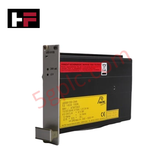
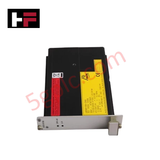
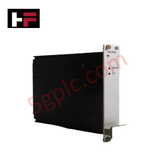
Product Details
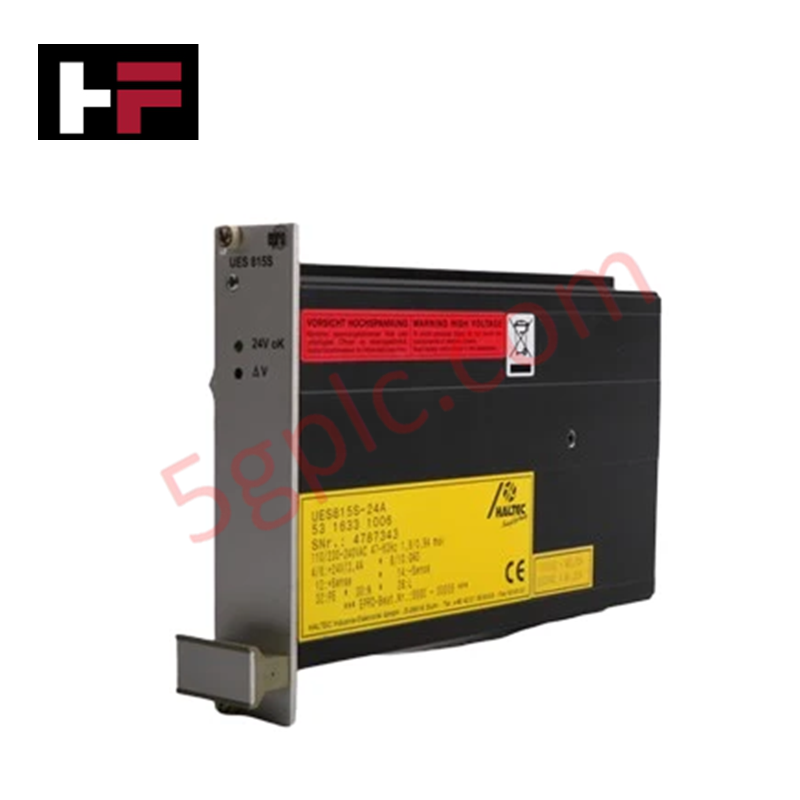
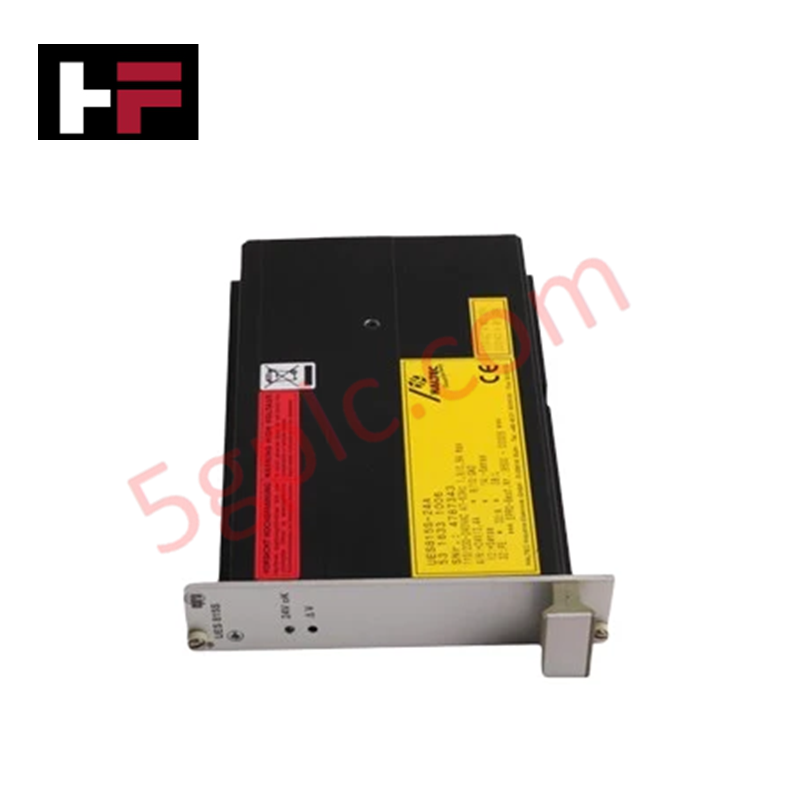
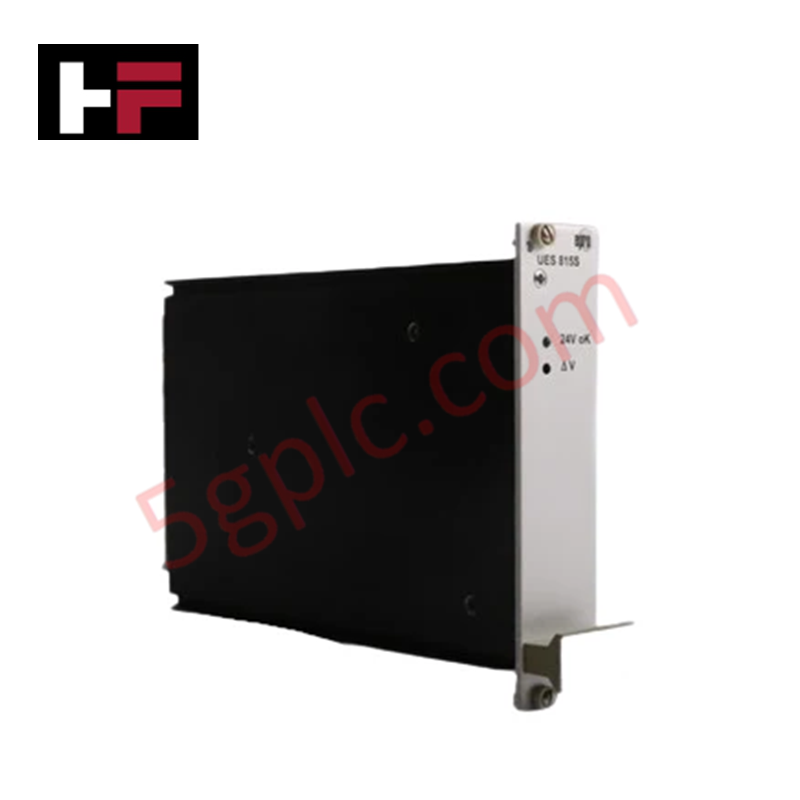
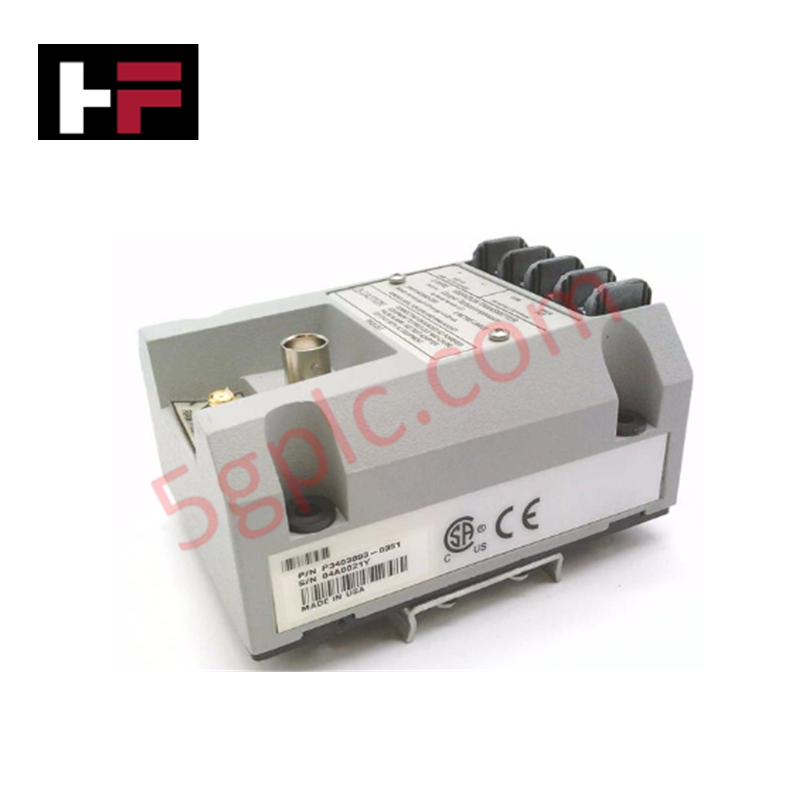
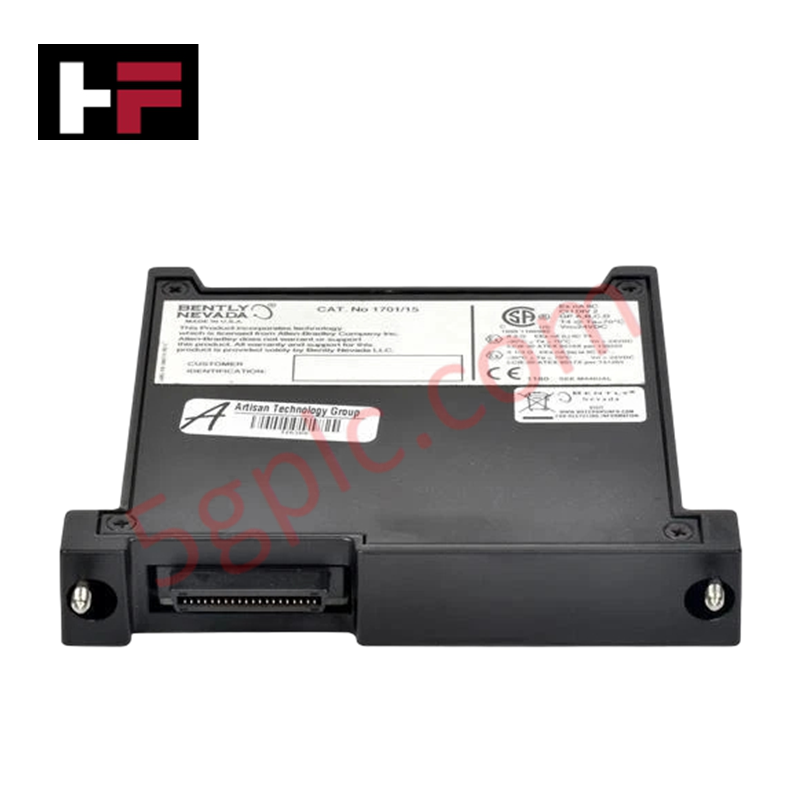
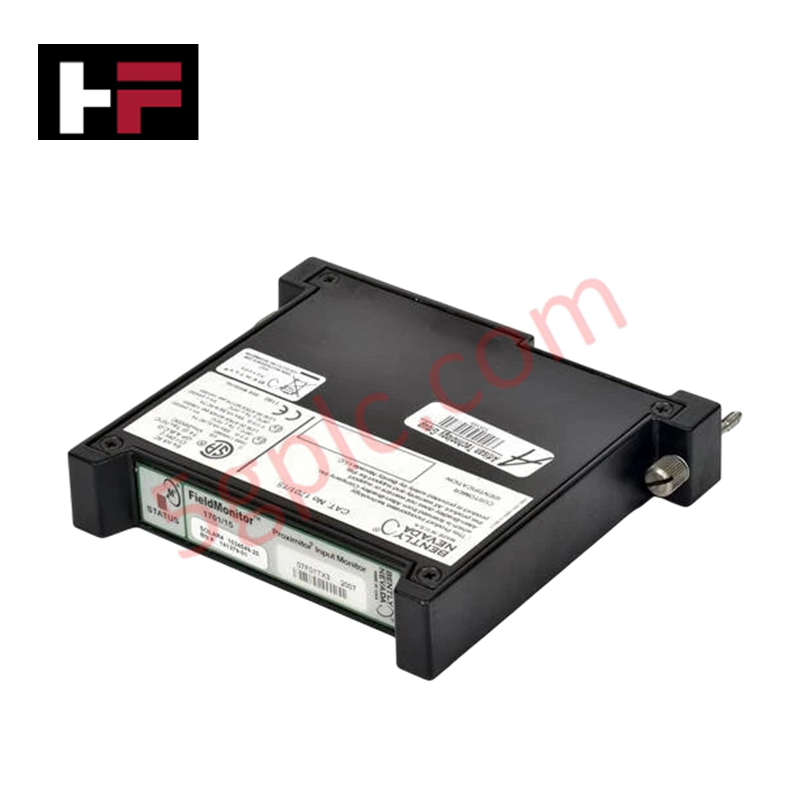
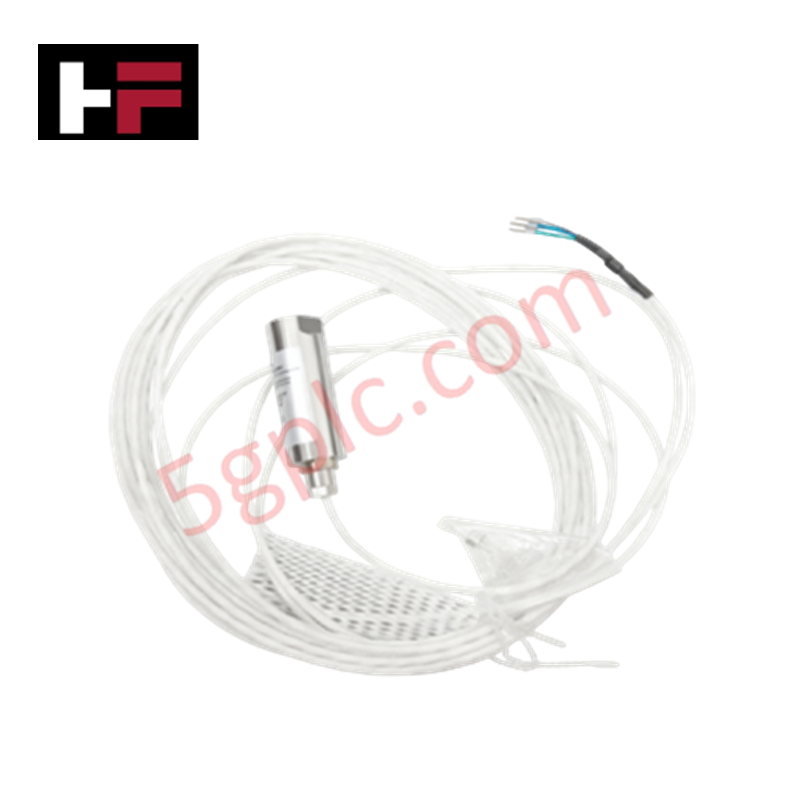
Configured for multi-parameter signal acquisition in industrial process control networks, the Emerson EPRO UES 815S-24A (UES815S-24A) Industrial Monitoring Module provides direct electrical execution of analog-to-digital signal conversion and fieldbus data transmission.
Hardware Specifications
| Parameter | Specification |
|---|---|
| Model | UES 815S-24A |
| Brand | Emerson EPRO |
| Origin | Germany |
| Weight | 0.74 kg |
| Dimensions | 25 cm x 22 cm x 7.8 cm |
| Input Type | Analog/Digital sensor signals |
| Communication | Modbus or Profibus |
Process Control and DCS Connectivity
The UES 815S-24A facilitates integration with DCS and PLC platforms via standardized industrial communication protocols, including Modbus and Profibus. The module architecture incorporates channel-to-channel isolation, ensuring that high-voltage spikes or ground potentials on field sensor inputs do not compromise the integrity of the digital processing core. Data transfer is optimized through high-speed sampling routines, supporting precise monitoring of process variables such as temperature, pressure, and flow. The system utilizes 4-20 mA HART loop protocol principles to maintain deterministic signal conversion from field instrumentation to the control network.
Frequently Asked Questions
Q: Can the module be configured for different input signal ranges?
A: Yes, the UES815S-24A supports multi-channel monitoring and input signal scaling. Configuration of the analog input ranges must be performed via the primary communication interface (Modbus/Profibus) to ensure that the internal A/D conversion maps correctly to the physical sensor output.
Q: Is the communication interface hot-swappable?
A: The communication port is designed for continuous operation; however, it is standard practice to stabilize the fieldbus communication state before disconnecting the module to avoid bus error flags or timeouts within the master controller.
Field Installation Guidelines
- Mount the module on a DIN-rail or standard equipment chassis, ensuring that the 25 cm x 22 cm footprint allows for adequate thermal dissipation clearance.
- Terminate analog field wiring to the designated terminal blocks; maintain consistent shield grounding at the instrumentation end to mitigate electromagnetic interference.
- Verify the input voltage range aligns with the module specifications before powering the device.
- Assign a unique node address for the Modbus or Profibus interface to prevent address conflicts within the process control network.
- Perform a loop check to verify that the digital values mapped in the control system accurately represent the physical sensor inputs during operation.
Additional Information
- 100% Genuine Parts: All products are original and authentic, ensuring reliable industrial performance.
- 30-Day Refund Guarantee: Return any in-stock item within 30 days in original, unopened packaging for a full refund (excluding shipping and fees).
- 12-Month Warranty: Covers defects in materials or workmanship; excludes misuse, normal wear, or unauthorized modifications.
- Worldwide Shipping: We ship via USPS, UPS, FedEx, and DHL. Delivery times vary by country and may be subject to customs or import fees.
- Support & Contact: Technical and warranty assistance is available anytime. Contact us here: Contact.
- Purchase Guidance: Check product specifications and compatibility carefully before ordering to ensure proper application.
Tech & Buying Guide
Demystifying the 5 Levels of Industrial Automation Architecture
Modern manufacturing relies on structured communication hierarchy to bridge physical shop-floor hardware with enterprise management software. This framework, commonly known as the Automation Pyramid, establishes how data flows between field devices, logic controllers, and corporate IT networks. Understanding these five distinct levels helps engineers and plant managers optimize system operations, reduce downtime, and implement seamless factory automation solutions.

Transforming Shop Floor Data into Actionable Insights: A Deep Dive into MES
Manufacturing Execution Systems serve as the digital backbone of modern factory floors. Positioned at Level 3 of the ISA-95 automation pyramid, MES links enterprise resource planning with real-time shop floor control systems. Today, industrial operators rely on MES software to bridge operational strategy with physical production execution.