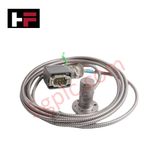
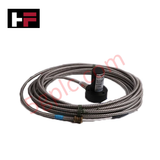
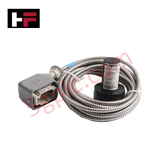
Product Details
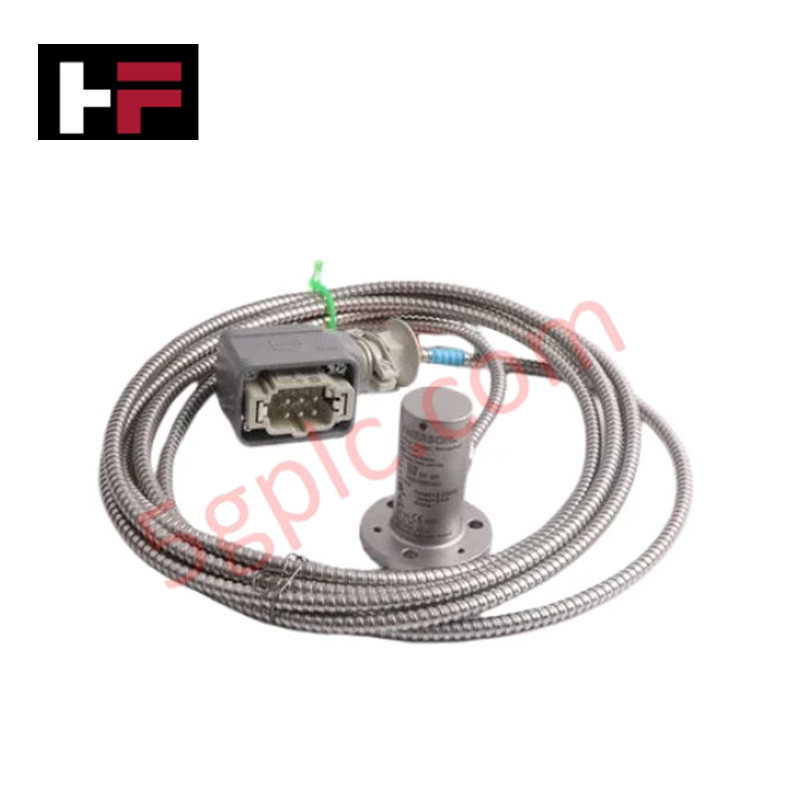
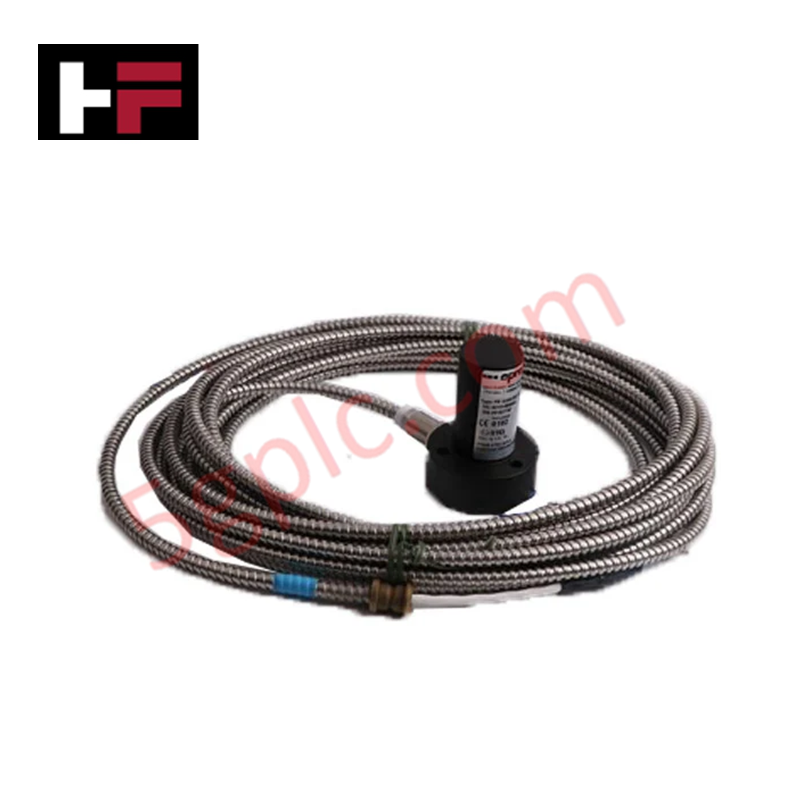
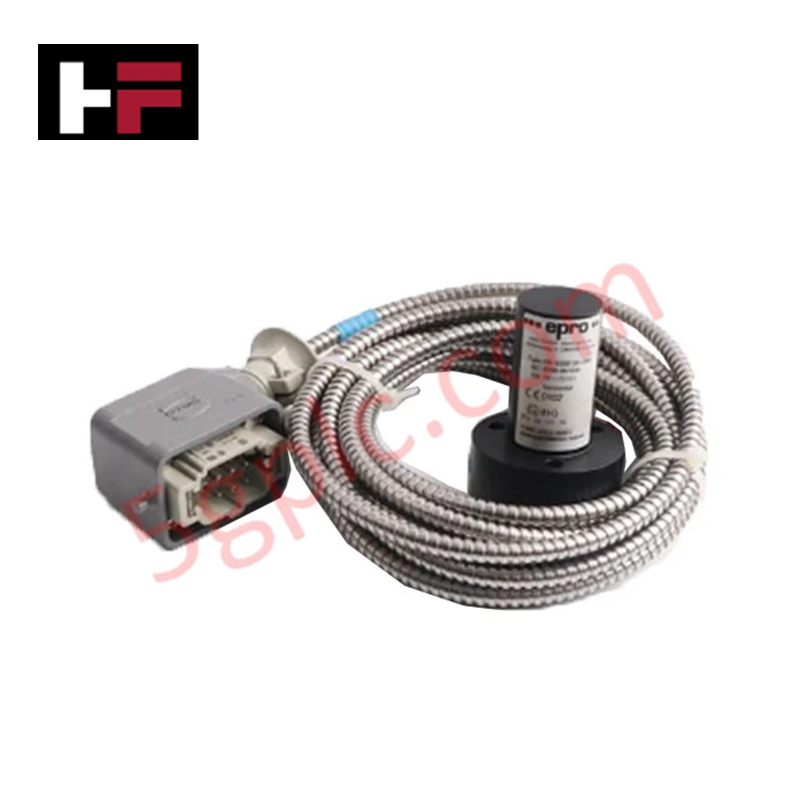
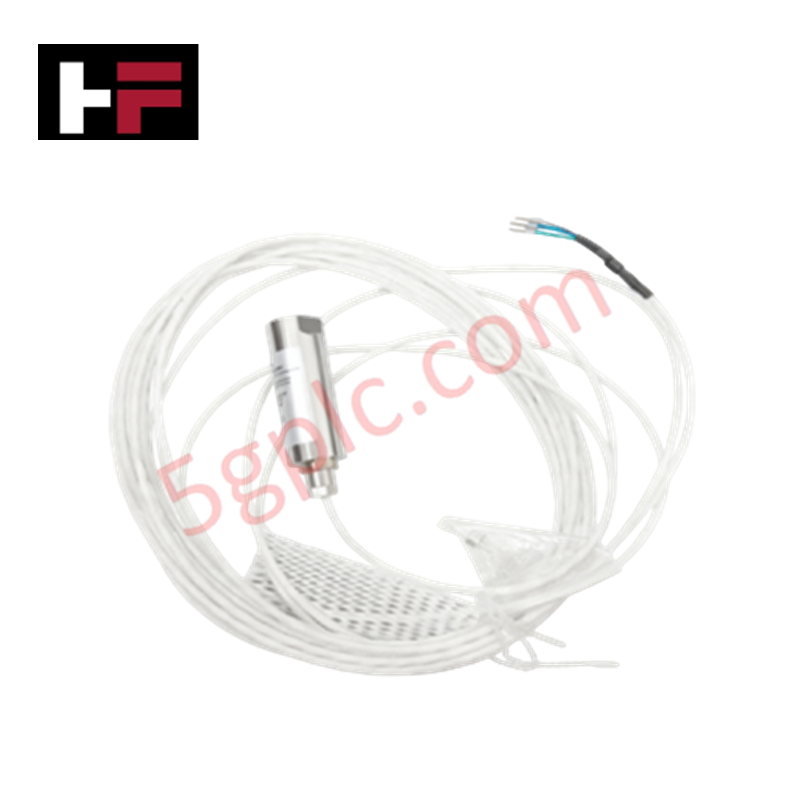
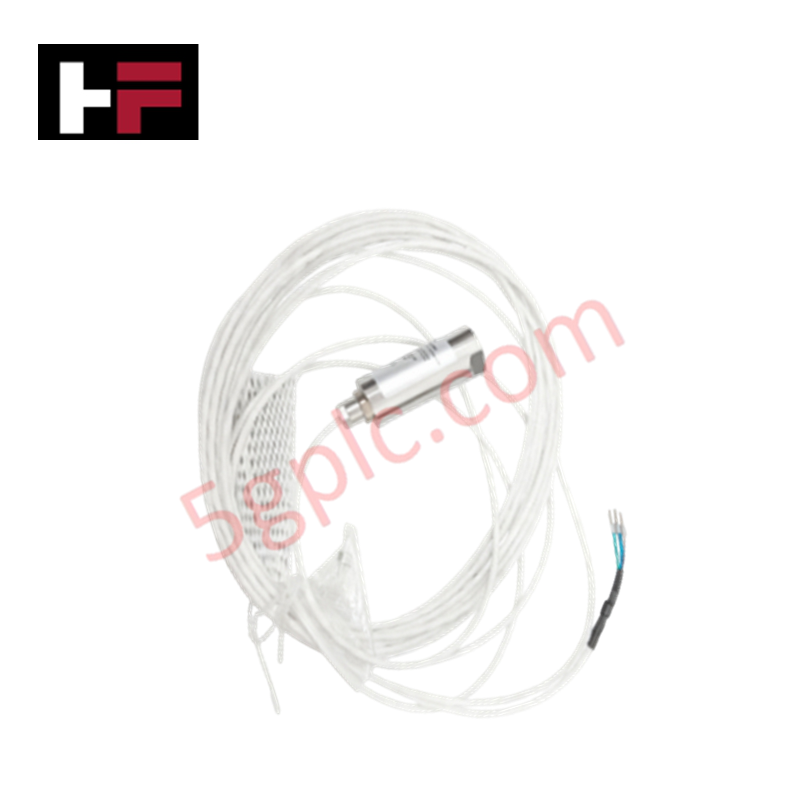
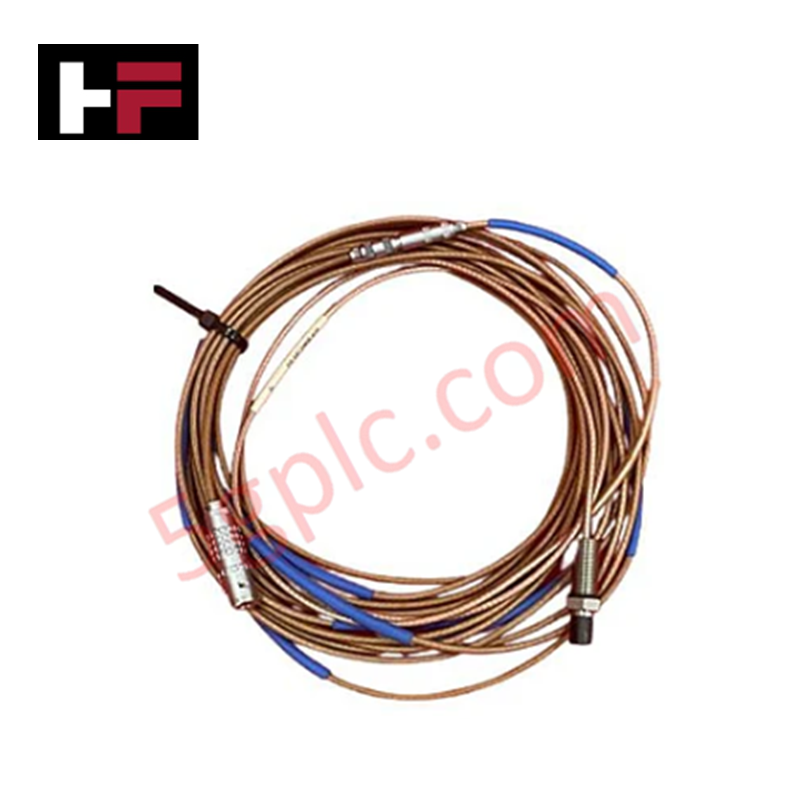
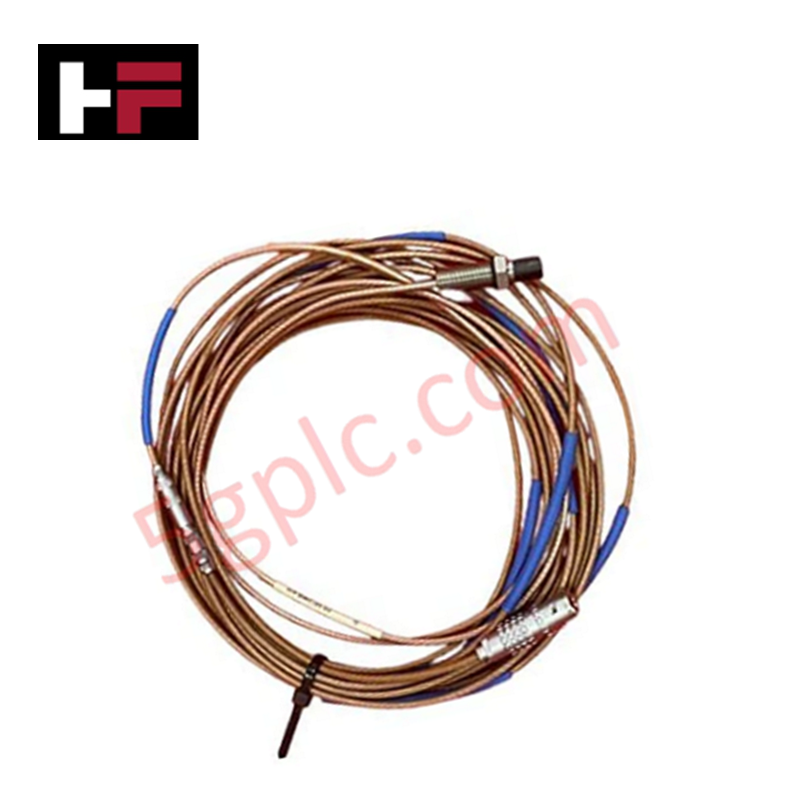
Configured for seismic vibration acquisition in rotating machinery, the Emerson EPRO PR9268/301-000 (PR9268/301-000) Electrodynamic Vibration Transducer provides direct electrical execution of velocity-based vibration monitoring.
Hardware Specifications
| Parameter | Specification |
|---|---|
| Model | PR9268/301-000 |
| Brand | Emerson EPRO |
| Operating Temp | -50 deg C to +120 deg C |
| Power Consumption | Passive (no external power) |
| Sensitivity | 20 mV/mm/s (+/- 5%) |
| Frequency Range | 10 to 1000 Hz |
| Measurement Range | 0 to 100 mm/s (peak) |
Process Control and DCS Connectivity
The PR9268 series sensors integrate with standard DCS and PLC interfaces capable of processing low-impedance analog voltage inputs. To ensure measurement integrity, channel-to-channel isolation must be maintained within the input interface of the monitoring system to prevent ground loops that could introduce signal drift. These sensors utilize Faraday's law of induction, generating an analog signal proportional to vibration velocity, which is compatible with 4-20 mA HART loop protocol conditioning modules. Impedance matching between the 600 Ohm coil and the signal conditioner is necessary to ensure the frequency response remains within the rated 10-1000 Hz window.
Frequently Asked Questions
Q: Does the sensor require an external power supply to function?
A: No. The PR9268/301-000 is a passive electrodynamic transducer that generates its own output signal based on seismic movement. It does not require a supply voltage, but must be connected to a signal conditioner with appropriate input impedance.
Q: What is the impact of mounting torque on the sensor's frequency response?
A: The M10 x 1.5 threaded stud must be tightened to achieve a rigid mechanical coupling. Improper torque may result in mechanical resonance between the sensor housing and the machine casing, which can cause significant attenuation or amplification of high-frequency vibration signals.
Field Installation Guidelines
- Secure the sensor to a flat, machined surface on the bearing housing or casing using the M10 x 1.5 mounting stud to ensure rigid high-frequency transmission.
- Verify the mechanical alignment to ensure the sensor axis is oriented correctly for the specific vibration mode being monitored.
- Terminate signal leads at the signal conditioner input using shielded twisted-pair cabling; connect the shield to a common instrument ground to minimize electromagnetic noise.
- Confirm the cable length is minimized to prevent capacitive loading, which can affect the high-frequency response characteristic.
- Conduct a physical check during initial startup to verify signal output polarity and circuit continuity before the machinery reaches operating speed.
Additional Information
- 100% Genuine Parts: All products are original and authentic, ensuring reliable industrial performance.
- 30-Day Refund Guarantee: Return any in-stock item within 30 days in original, unopened packaging for a full refund (excluding shipping and fees).
- 12-Month Warranty: Covers defects in materials or workmanship; excludes misuse, normal wear, or unauthorized modifications.
- Worldwide Shipping: We ship via USPS, UPS, FedEx, and DHL. Delivery times vary by country and may be subject to customs or import fees.
- Support & Contact: Technical and warranty assistance is available anytime. Contact us here: Contact.
- Purchase Guidance: Check product specifications and compatibility carefully before ordering to ensure proper application.
Tech & Buying Guide
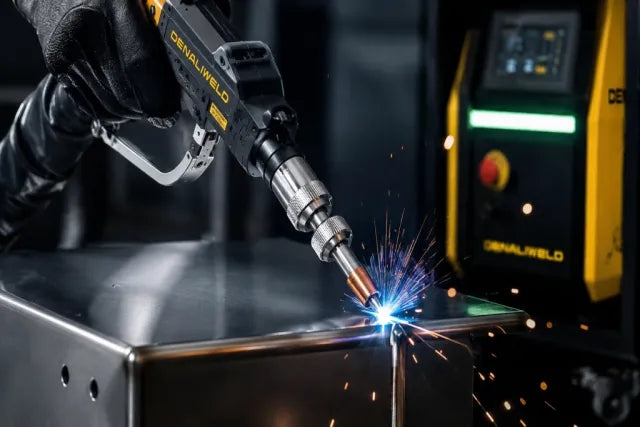
Demystifying the 5 Levels of Industrial Automation Architecture
Modern manufacturing relies on structured communication hierarchy to bridge physical shop-floor hardware with enterprise management software. This framework, commonly known as the Automation Pyramid, establishes how data flows between field devices, logic controllers, and corporate IT networks. Understanding these five distinct levels helps engineers and plant managers optimize system operations, reduce downtime, and implement seamless factory automation solutions.

Transforming Shop Floor Data into Actionable Insights: A Deep Dive into MES
Manufacturing Execution Systems serve as the digital backbone of modern factory floors. Positioned at Level 3 of the ISA-95 automation pyramid, MES links enterprise resource planning with real-time shop floor control systems. Today, industrial operators rely on MES software to bridge operational strategy with physical production execution.